Pregnancy is often described as a journey of hope and anticipation. But in rare cases, unexpected complications can arise early in fetal development. One such condition is Body Stalk Anomaly, a severe and uncommon fetal abnormality that affects the development of the abdominal wall, spine, and umbilical cord.
While the name may sound unfamiliar, understanding this condition is important—especially for expectant parents navigating prenatal screenings. In this guide, we’ll break down everything you need to know about body stalk anomaly in a clear, compassionate, and medically accurate way.
What Is Body Stalk Anomaly?
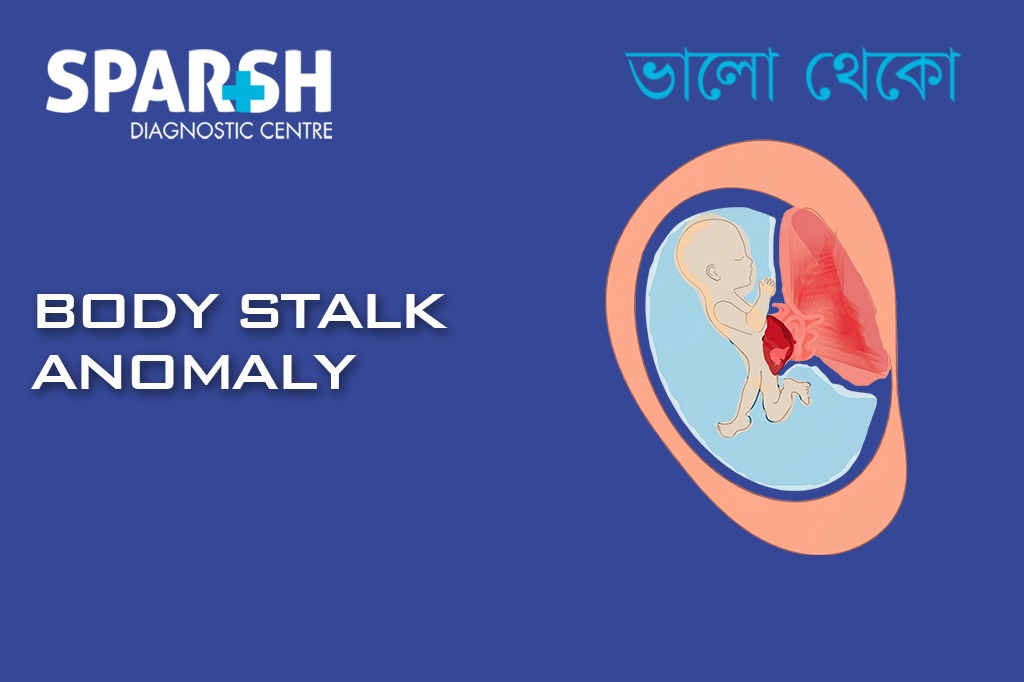
Body stalk anomaly is a rare congenital condition in which the fetus develops with a major defect in the abdominal wall. This defect causes internal organs—such as the liver and intestines—to remain outside the body.
At the same time, the umbilical cord is either extremely short or completely absent, which results in the fetus being closely attached to the placenta. Because of this, the baby cannot move freely within the womb.
This condition is often associated with other structural abnormalities, including:
- Severe spinal deformities (like kyphoscoliosis)
- Limb abnormalities
- Malformation of internal organs
Unfortunately, body stalk anomaly is considered fatal in most cases, with very limited chances of survival after birth.
How Common Is It?
Body stalk anomaly is extremely rare, occurring in approximately 1 in 10,000 to 1 in 20,000 pregnancies. Because of its severity, it is usually detected early during prenatal imaging.
What Causes Body Stalk Anomaly?
The exact cause of body stalk anomaly isn’t fully understood, but researchers believe it results from early developmental disruptions during embryogenesis, typically within the first few weeks of pregnancy.
Several theories have been proposed:
1. Early Amnion Rupture Theory
One possibility is that the amniotic sac (which surrounds the fetus) ruptures early, leading to abnormal fetal development. This is somewhat related to conditions like Amniotic Band Syndrome, where fibrous bands restrict fetal growth.
2. Vascular Disruption
Another theory suggests that impaired blood flow to the developing embryo leads to structural abnormalities.
3. Abnormal Embryonic Folding
During early development, the embryo folds to form the body structure. If this folding process is disrupted, it can result in:
- Abdominal wall defects
- Improper organ placement
- Spinal deformities
4. Environmental and Lifestyle Factors
While not definitively proven, some studies suggest possible associations with:
- Smoking
- Substance abuse
- Poor maternal nutrition
However, in most cases, there is no identifiable cause, and it is not typically linked to genetic inheritance.
Key Features and Symptoms
Body stalk anomaly is characterized by a combination of distinct physical abnormalities. These are usually identified during prenatal scans rather than through symptoms experienced by the mother.
1. Abdominal Wall Defect
The most defining feature is a large opening in the abdominal wall, allowing organs to protrude outside the body.
2. Short or Absent Umbilical Cord
Instead of a normal cord, the fetus is often directly attached to the placenta.
3. Spinal Deformities
Conditions like Kyphoscoliosis are commonly observed, where the spine is abnormally curved.
4. Limb Abnormalities
The fetus may have:
- Missing limbs
- Clubfoot
- Underdeveloped arms or legs
5. Restricted Movement
Because the fetus is fixed in position due to the short umbilical cord, movement inside the womb is limited.
How Is Body Stalk Anomaly Diagnosed?
Early diagnosis is crucial, and fortunately, modern imaging techniques make it possible to detect this condition during pregnancy.
1. Ultrasound Examination
A detailed prenatal ultrasound—often performed in the first trimester—can reveal:
- Externalized organs
- Abnormal fetal posture
- Lack of a normal umbilical cord
2. Advanced Imaging
In some cases, doctors may recommend:
- 3D ultrasound
- Fetal MRI
These provide clearer visualization of the structural abnormalities.
3. Differentiating from Similar Conditions
Body stalk anomaly can sometimes be confused with other abdominal wall defects like:
However, the absence of a normal umbilical cord and severe spinal defects help distinguish body stalk anomaly from these conditions.
Can It Be Treated?
This is where the reality becomes difficult.
Body stalk anomaly is considered incompatible with life in most cases. Due to the severity of organ malformation and structural defects, there are currently no effective treatments or surgical interventions available.
Pregnancy Management Options
After diagnosis, healthcare providers typically discuss the following options with the parents:
- Continuation of pregnancy with supportive care
- Medical termination of pregnancy (depending on gestational age and local laws)
These decisions are deeply personal and often guided by:
- Medical advice
- Emotional readiness
- Cultural and ethical considerations
Emotional Impact on Parents
A diagnosis like body stalk anomaly can be devastating. It’s not just a medical condition—it’s an emotional experience that affects the entire family.
Parents may go through:
- Shock and disbelief
- Grief and sadness
- Anxiety about future pregnancies
Seeking support from:
- Counselors
- Support groups
- Healthcare professionals
can make a significant difference during this time.
Risk of Recurrence
The reassuring part is that body stalk anomaly is usually a sporadic event, meaning:
- It is not typically inherited
- The risk of recurrence in future pregnancies is very low
However, doctors may recommend:
- Early prenatal screening in subsequent pregnancies
- Regular ultrasounds for reassurance
Prevention: Is It Possible?
Because the exact cause is unclear, there is no guaranteed way to prevent body stalk anomaly. However, general prenatal care can reduce overall risks:
- Maintain a healthy diet
- Avoid smoking and alcohol
- Take prescribed prenatal vitamins (especially folic acid)
- Attend regular antenatal checkups
Importance of Early Prenatal Screening
Routine prenatal scans play a critical role in identifying severe anomalies early. Early detection allows:
- Better medical planning
- Informed decision-making
- Emotional preparation
If you’re expecting, don’t skip your scheduled ultrasounds—they’re more than just routine checkups; they’re essential for your baby’s health.
Living With the Diagnosis: What Comes Next?
If you or someone you know has received this diagnosis, it’s important to focus on:
- Accurate information: Understanding the condition helps reduce uncertainty
- Professional guidance: Trust your healthcare team
- Emotional support: You don’t have to go through this alone
Every family processes this journey differently, and there’s no “right” way to respond.
Frequently Asked Questions (FAQs)
1. What is body stalk anomaly in simple terms?
It’s a rare and severe birth defect where the baby’s abdominal organs develop outside the body, and the umbilical cord is missing or very short.
2. Is body stalk anomaly genetic?
No, it is usually not inherited and occurs randomly during early pregnancy.
3. Can a baby survive with body stalk anomaly?
Unfortunately, the condition is almost always fatal due to the extent of structural abnormalities.
4. When is it usually diagnosed?
It can often be detected in the first trimester ultrasound, sometimes as early as 10–12 weeks.
5. Is it the same as gastroschisis or omphalocele?
No. While all involve abdominal wall defects, body stalk anomaly is more severe and includes additional abnormalities like spinal deformities and absence of a proper umbilical cord.
6. What should parents do after diagnosis?
Consult with a specialist, understand your options, and seek emotional support. Decisions should be made based on medical advice and personal values.
7. Can it happen again in future pregnancies?
The risk is very low, but doctors may recommend early screening in subsequent pregnancies.
To consult a Gynecologist at Sparsh Diagnostic Centre, call our helpline numbers 9830117733/ 8335049501.
#BhaloTheko
Disclaimer:
No content on this site, regardless of date, should ever be used as a substitute for direct medical advice from your doctor or other qualified clinician.