Stress is something almost everyone experiences—deadlines, family responsibilities, financial concerns, health worries, lack of sleep, and even everyday traffic can trigger it. But what many people do not realize is that stress does much more than affect mood. It can directly influence how the body handles blood sugar, which is why stress and diabetes are closely connected.
For people living with diabetes, stress can quietly make blood glucose harder to control. Even in people without diabetes, long-term stress may contribute to insulin resistance and increase the risk of developing type 2 diabetes over time. This connection is not just emotional—it is deeply biological.
Understanding how stress affects blood sugar helps explain why doctors often recommend stress management alongside diet, exercise, and medication when treating diabetes. The body does not separate emotional stress from physical stress. It reacts to both in similar ways, releasing hormones that prepare the body for action, but those same hormones can also disrupt glucose balance.
In this article, we will explore how stress affects blood sugar, why it matters for diabetes, warning signs to watch for, and practical ways to manage both stress and glucose levels more effectively.
What Happens in the Body During Stress?
When the body senses stress, it activates what is commonly known as the “fight or flight” response. This is an automatic survival mechanism designed to help a person react quickly in difficult situations.
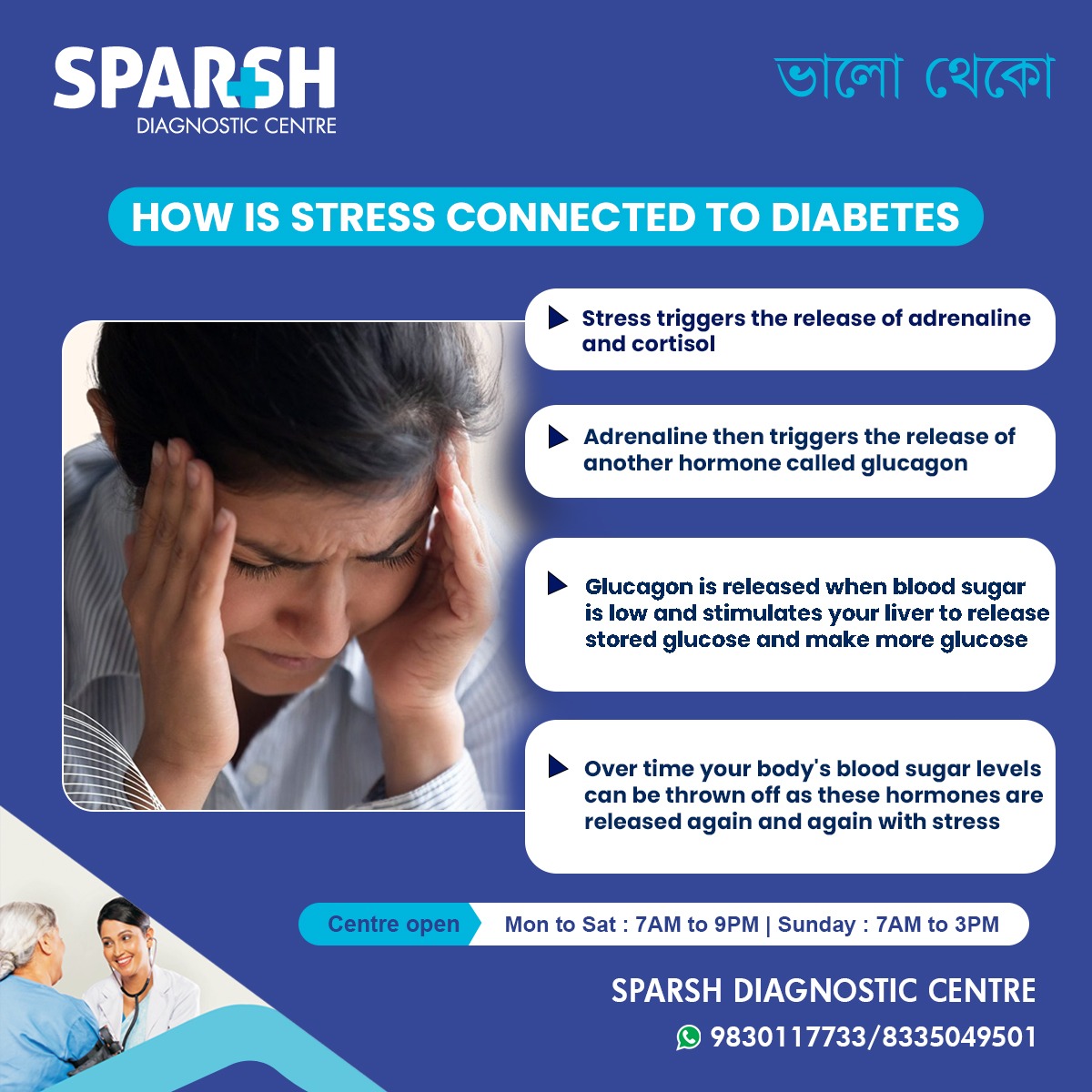
The brain signals the adrenal glands to release hormones such as adrenaline and cortisol. These hormones cause several immediate changes:
- Heart rate increases
- Breathing becomes faster
- Blood pressure rises
- Stored energy is released into the bloodstream
One of the key changes is the release of glucose from the liver. The body assumes extra energy may be needed to deal with danger, so it quickly increases blood sugar levels.
This response works well in short-term emergencies. However, modern stress is often ongoing rather than temporary. Work pressure, emotional strain, lack of sleep, and chronic anxiety can keep cortisol levels elevated for long periods. When that happens, blood sugar may remain higher than normal.
Why Stress Raises Blood Sugar Levels
Cortisol plays a major role in glucose regulation. It tells the liver to produce more glucose so the body has enough energy to respond to stress.
At the same time, cortisol can make cells less sensitive to insulin. Insulin is the hormone that helps glucose move from the blood into cells for energy. When insulin becomes less effective, blood sugar stays elevated.
This creates two problems:
- More glucose enters the bloodstream
- Less glucose is removed efficiently
For someone with diabetes, especially type 2 diabetes, this can significantly worsen blood sugar control.
The Link Between Chronic Stress and Type 2 Diabetes
Occasional stress is normal, but chronic stress creates ongoing hormonal disruption.
Long-term elevated cortisol levels may contribute to:
- Insulin resistance
- Increased abdominal fat
- Higher blood pressure
- Increased inflammation
- Disrupted appetite regulation
These factors are strongly linked to type 2 diabetes.
Over time, chronic stress may encourage unhealthy coping habits too, such as:
- Eating sugary foods
- Skipping exercise
- Sleeping poorly
- Smoking
- Drinking excess alcohol
All of these further increase diabetes risk.
That is why stress is considered an important lifestyle factor in diabetes prevention.
Can Stress Cause Diabetes?
Stress alone usually does not directly cause diabetes, but it can increase the likelihood of developing it when combined with other risk factors such as:
- Family history of diabetes
- Overweight or obesity
- Sedentary lifestyle
- Poor diet
- High blood pressure
In people already vulnerable to insulin resistance, long-term stress may accelerate the process.
Think of stress as a contributor rather than the sole cause.
How Stress Affects People Who Already Have Diabetes
For someone already diagnosed with diabetes, stress can make blood sugar less predictable.
Two people under stress may respond differently:
- Some experience higher blood sugar
- Others may see lower blood sugar if appetite drops or medication timing changes
Stress can also interfere with diabetes management because people often:
- Forget medication
- Skip meals
- Eat irregularly
- Exercise less
- Sleep poorly
This combination makes glucose control more difficult.
Emotional Stress vs Physical Stress
Both emotional and physical stress can affect diabetes.
Emotional Stress Includes:
- Anxiety
- Relationship problems
- Work pressure
- Financial worries
- Depression
Physical Stress Includes:
- Infection
- Surgery
- Injury
- Pain
- Lack of sleep
Physical stress often causes even stronger blood sugar increases because the body treats illness as a major threat.
For example, a fever or infection may cause blood glucose to rise even if diet remains unchanged.
Stress and Cortisol: Why This Hormone Matters So Much
Cortisol is often called the stress hormone, but it also influences many daily body functions.
It helps regulate:
- Blood sugar
- Blood pressure
- Sleep cycles
- Inflammation
- Metabolism
When cortisol stays elevated too long, it creates imbalance.
High cortisol can lead to:
- Increased hunger
- Cravings for carbohydrates
- Belly fat accumulation
- Reduced insulin sensitivity
This explains why stress often leads people toward comfort foods that worsen blood sugar control.
Why Stress Can Trigger Sugar Cravings
Many people notice they crave sweets during stressful periods.
This happens because cortisol affects hunger hormones and reward pathways in the brain.
Stress can increase desire for:
- Chocolate
- Sugary snacks
- Refined carbohydrates
- Fast food
These foods provide quick emotional comfort but can sharply raise blood sugar.
Repeated stress eating may contribute to weight gain and insulin resistance.
The Sleep Connection: Stress, Sleep, and Diabetes
Stress and poor sleep often occur together.
When sleep quality drops:
- Cortisol rises further
- Insulin sensitivity decreases
- Hunger hormones become imbalanced
Even one night of poor sleep can temporarily affect glucose control.
Long-term sleep deprivation increases diabetes risk significantly.
Adults generally need 7 to 8 hours of quality sleep for healthy metabolic function.
Can Stress Lower Blood Sugar Too?
Yes, in some cases stress can indirectly lower blood sugar.
This may happen when:
- A person forgets to eat
- Appetite decreases
- Physical activity increases during anxious pacing
- Diabetes medication remains unchanged despite reduced food intake
This is more common in people taking insulin or certain diabetes medications.
That is why monitoring blood sugar during stressful periods is important.
Signs Stress May Be Affecting Blood Sugar
Stress does not always feel obvious. Sometimes blood sugar changes are the first clue.
Possible signs include:
- Unexpected glucose spikes
- Frequent fatigue
- Irritability
- Difficulty sleeping
- Headaches
- Sugar cravings
- Increased thirst
- Trouble concentrating
Keeping track of both stress levels and glucose readings often reveals patterns.
How Stress Management Helps Diabetes Control
Stress reduction can improve blood sugar stability more than many people expect.
When stress is lowered:
- Cortisol decreases
- Insulin works better
- Sleep improves
- Food choices improve
- Energy increases
Even small stress-management habits can help.
Practical Ways to Reduce Stress if You Have Diabetes
Regular Physical Activity
Exercise helps burn glucose and lower cortisol.
Good options include:
- Walking
- Cycling
- Yoga
- Stretching
- Swimming
Even 20 minutes daily helps.
Deep Breathing Exercises
Slow breathing activates the body’s relaxation response.
A simple method:
- Inhale for 4 seconds
- Hold for 4 seconds
- Exhale for 6 seconds
Repeat for several minutes.
Better Sleep Routine
Try to:
- Sleep at the same time daily
- Avoid screens before bed
- Reduce caffeine late in the day
Balanced Meals
Avoid skipping meals during stress.
Choose foods that support steady glucose:
- Whole grains
- Protein
- Healthy fats
- Vegetables
Limit Excess Caffeine
Too much caffeine may worsen anxiety and temporarily raise blood sugar in some people.
Talk About Stress
Speaking with family, friends, or a mental health professional often reduces emotional burden.
Mindfulness and Diabetes
Mindfulness helps people notice stress before it escalates.
This includes:
- Paying attention to breathing
- Observing thoughts calmly
- Slowing reactions
Research shows mindfulness may improve blood sugar control by reducing cortisol-driven glucose spikes.
Does Stress Affect Type 1 and Type 2 Diabetes Differently?
Stress affects both, but the mechanisms differ slightly.
In Type 1 Diabetes
The body does not produce insulin, so stress hormones often cause clear blood sugar rises that require insulin adjustment.
In Type 2 Diabetes
Stress worsens insulin resistance, making existing insulin less effective.
In both cases, stress management remains important.
When Stress Becomes Dangerous in Diabetes
Severe stress combined with poor glucose control may increase risk of complications such as:
- Very high blood sugar
- Diabetic ketoacidosis in type 1 diabetes
- Severe fatigue
- High blood pressure
Medical advice should be sought if blood sugar remains uncontrolled despite routine care.
Can Relaxation Lower Blood Sugar?
Yes, in some people relaxation techniques can measurably improve glucose readings.
Activities such as:
- Meditation
- Gentle walking
- Listening to calming music
- Prayer
- Gardening
may reduce cortisol and support glucose balance.
The effect is usually gradual rather than immediate.
The Role of Mental Health in Diabetes Care
Depression, anxiety, and diabetes often overlap.
Emotional health affects:
- Medication adherence
- Food choices
- Motivation
- Sleep quality
That is why diabetes care increasingly includes psychological support.
Managing diabetes is not only about food and medicine—it also involves emotional resilience.
Frequently Asked Questions (FAQ)
Can stress directly raise blood sugar?
Yes. Stress hormones such as cortisol and adrenaline trigger the liver to release glucose into the bloodstream, which can increase blood sugar levels.
Does stress cause type 2 diabetes?
Stress alone usually does not cause diabetes, but long-term stress may contribute to insulin resistance and increase risk when combined with poor lifestyle habits.
Why do people with diabetes need stress management?
Because stress can make blood sugar harder to control, interfere with sleep, and lead to unhealthy habits that worsen glucose levels.
Can anxiety increase blood sugar?
Yes. Anxiety activates the same hormonal stress response and may temporarily raise blood sugar.
Is emotional stress worse than physical stress for diabetes?
Both matter. Physical stress such as infection often causes stronger glucose spikes, but emotional stress can be equally harmful when long-lasting.
Can meditation help diabetes?
Meditation may help reduce cortisol levels, improve emotional control, and support more stable blood sugar over time.
Does poor sleep worsen diabetes?
Yes. Poor sleep increases cortisol and reduces insulin sensitivity, making blood sugar harder to control.
Stress and diabetes are closely connected because the body’s stress response directly affects glucose regulation. What begins as a normal hormonal reaction can become harmful when stress becomes constant.
For people with diabetes, stress often explains sudden glucose fluctuations that seem difficult to understand. For those at risk of diabetes, chronic stress may quietly contribute to long-term metabolic problems.
Managing stress is not an extra step in diabetes care—it is part of the treatment itself. Small daily habits such as walking, sleeping better, eating regularly, and taking mental breaks can make a meaningful difference.
The goal is not to remove stress completely, because that is impossible. The goal is to help the body recover from stress more effectively.
To consult a Doctor at Sparsh Diagnostic Centre, call our helpline numbers 9830117733/ 8335049501.
#BhaloTheko
Disclaimer:
No content on this site, regardless of date, should ever be used as a substitute for direct medical advice from your doctor or other qualified clinician.