Blood pressure and diabetes are two of the most common long-term health conditions worldwide, and they often appear together in the same person. If you or someone in your family has diabetes, there is a high chance that blood pressure needs close monitoring too. Likewise, if you are managing hypertension, checking blood sugar regularly becomes equally important.
The reason is simple: both conditions affect the blood vessels, the heart, the kidneys, and even the brain. When they occur together, they do not just add to each other’s risk—they multiply it.
Understanding how blood pressure and diabetes interact can help you prevent serious complications, improve daily health, and make treatment far more effective.
Why are Blood Pressure and Diabetes closely connected
Blood pressure refers to the force of blood pushing against the walls of your arteries. Diabetes affects how your body uses glucose, leading to high blood sugar levels when insulin is not working properly or is insufficient.
Although they seem like separate conditions, they influence many of the same systems in the body.
When blood sugar stays high over time, it damages blood vessels. Damaged blood vessels become stiff and narrow, making it harder for blood to flow normally. This increases blood pressure. At the same time, high blood pressure puts additional strain on already weakened vessels, worsening diabetic complications.
This is why doctors often monitor both conditions together rather than treating them separately.
How Common Is High Blood Pressure in People With Diabetes?
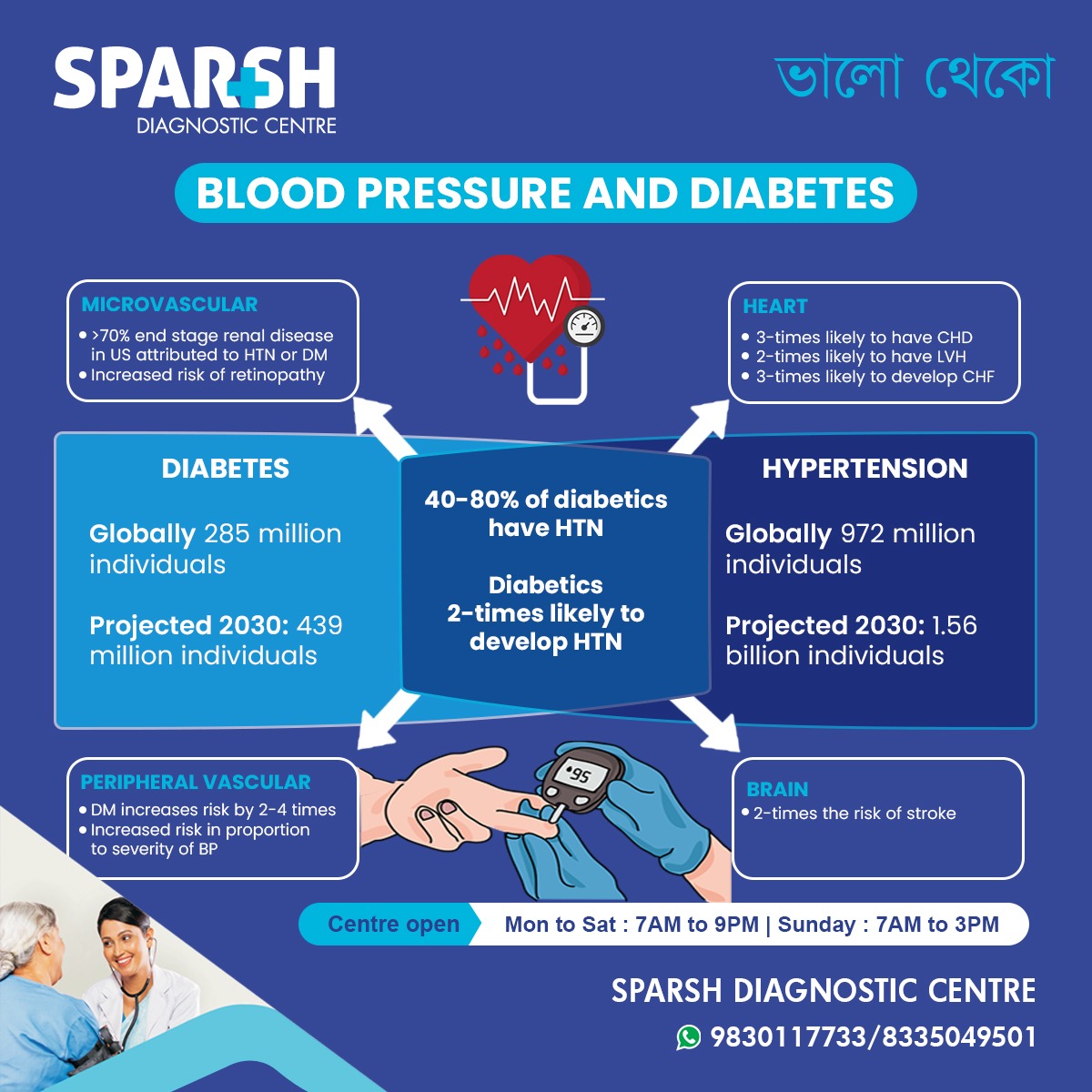
A large number of people with diabetes also develop hypertension. In fact, many adults with type 2 diabetes already have elevated blood pressure by the time diabetes is diagnosed.
Several reasons explain this overlap:
- Excess body weight increases the risk of both conditions
- Insulin resistance affects blood vessel function
- Kidney stress contributes to sodium retention
- Chronic inflammation damages arteries
- Sedentary lifestyle worsens both blood sugar and blood pressure control
For many patients, blood pressure becomes the first warning sign that diabetes may also be developing.
Why This Combination Is More Dangerous Than Either Condition Alone
Having diabetes alone increases the risk of long-term organ damage. High blood pressure alone also raises cardiovascular risk. Together, the impact becomes much more serious.
This combination can lead to:
- Faster damage to arteries
- Greater risk of heart attack
- Higher chance of stroke
- Kidney disease progression
- Eye damage
- Nerve complications
The danger is not always obvious because both conditions can remain silent for years before symptoms appear.
A person may feel well while internal damage slowly develops.
How does Diabetes raise Blood Pressure
Several body changes caused by diabetes contribute directly to rising blood pressure.
Insulin Resistance
When cells do not respond properly to insulin, the body produces more insulin. High insulin levels can increase sodium retention, which raises blood pressure.
Blood Vessel Damage
High glucose damages the lining of blood vessels, making them less flexible.
Kidney Stress
The kidneys help regulate fluid and sodium balance. Diabetes weakens this function, causing fluid retention.
Increased Inflammation
Inflammation makes arteries less elastic, increasing pressure inside vessels.
How does High Blood Pressure Worsen Diabetes
The relationship also works in reverse.
When blood pressure stays elevated:
- Blood flow to organs becomes less efficient
- Kidney filtering becomes weaker
- Insulin delivery to tissues becomes less effective
- Blood vessel injury increases
This can make blood sugar harder to control even when medications are working.
Target Blood Pressure for People With Diabetes
Doctors usually recommend tighter blood pressure control for people with diabetes than for the general population.
A commonly recommended target is:
- Below 130/80 mmHg for many diabetic adults
However, the exact goal depends on:
- Age
- Kidney function
- Heart disease history
- Medication tolerance
Your doctor may personalize this target based on your full health profile.
Symptoms of Blood Pressure Problems in Diabetic Patients
One of the biggest challenges is that blood pressure often causes no symptoms until complications begin.
Still, some people may notice:
- Headaches
- Dizziness
- Blurred vision
- Fatigue
- Shortness of breath
- Chest discomfort
Diabetes symptoms may include:
- Frequent urination
- Increased thirst
- Slow wound healing
- Unexplained tiredness
- Numbness in hands or feet
If both are present, symptoms may overlap and become confusing.
That is why routine monitoring matters more than waiting for warning signs.
Major Complications When Blood Pressure and Diabetes Coexist
Heart Disease
The heart works harder when blood pressure rises. Diabetes adds vessel damage and inflammation.
This sharply increases the risk of:
People with both conditions often develop heart complications earlier than expected.
Kidney Disease
The kidneys are highly vulnerable because both conditions affect tiny filtering vessels.
Over time this can lead to:
- Protein leakage in urine
- Reduced kidney function
- Chronic kidney disease
- Kidney failure
Protecting kidney health becomes a major treatment goal.
Eye Damage
The retina contains delicate blood vessels that are sensitive to both glucose and pressure changes.
Complications may include:
- Diabetic retinopathy
- Vision loss
- Bleeding inside the eye
Stroke Risk
High blood pressure is one of the strongest stroke risk factors, and diabetes doubles that risk further.
Nerve Damage
Poor circulation affects nerve supply, especially in the feet and legs.
This can lead to:
- Burning sensation
- Tingling
- Reduced sensation
- Foot ulcers
Best Ways to Control Blood Pressure if You Have Diabetes
Reduce Salt Intake
Salt directly affects blood pressure.
Simple changes include:
- Avoid packaged snacks
- Reduce processed foods
- Limit pickles and salty sauces
- Read food labels carefully
Improve Blood Sugar Control
Stable sugar levels reduce vessel damage.
This means:
- Taking medication regularly
- Following meal timing
- Monitoring glucose consistently
Maintain a Healthy Weight
Even modest weight loss can improve both conditions.
A reduction of 5 to 10 percent body weight often leads to measurable improvement.
Exercise Regularly
Daily movement helps:
- Lower insulin resistance
- Improve circulation
- Reduce blood pressure
Aim for:
- 30 minutes walking
- Cycling
- Swimming
- Light strength work
Avoid Smoking
Smoking damages blood vessels rapidly and increases risk dramatically.
Limit Alcohol
Alcohol can interfere with both glucose control and blood pressure medication.
Best Diet for Managing Blood Pressure and Diabetes Together
Food choices matter more than many people realize.
A practical eating plan includes:
Choose High-Fiber Foods
- Vegetables
- Lentils
- Oats
- Whole grains
Prefer Lean Protein
- Fish
- Eggs
- Skinless chicken
- Pulses
Limit Refined Carbohydrates
- White bread
- Sugary drinks
- Sweets
Use Healthy Fats
- Nuts
- Seeds
- Olive oil
Eat Fruit Wisely
Choose controlled portions and avoid fruit juices.
Medicines Commonly Used
Doctors may prescribe medicines that help protect both blood pressure and kidney health.
Common blood pressure medicines include:
- ACE inhibitors
- ARBs
- Calcium channel blockers
- Diuretics
For diabetes:
- Metformin
- Insulin
- SGLT2 inhibitors
- DPP-4 inhibitors
Some newer diabetes medicines also help lower cardiovascular risk.
Medication plans must always be individualized.
Why is Home Monitoring Important
Home blood pressure monitoring gives a clearer picture than occasional clinic readings.
Best practice:
- Check at the same time daily
- Sit quietly before measuring
- Record readings consistently
For diabetes, glucose logs help identify patterns.
Together, these records help doctors adjust treatment more accurately.
Stress and Sleep Also Matter
Stress hormones can raise both blood pressure and blood sugar.
Poor sleep has a similar effect.
Simple habits that help:
- Fixed sleep schedule
- Reduced screen time before bed
- Deep breathing
- Evening walks
- Relaxation exercises
Even small improvements here often produce measurable results.
Can Blood Pressure Improve if Diabetes Is Controlled?
In many cases, yes.
Better sugar control reduces vessel inflammation and kidney stress, which often helps blood pressure become easier to manage.
But this does not mean blood pressure medication should stop unless a doctor advises it.
The two conditions improve together when lifestyle and treatment stay consistent.
When to Seek Medical Help Urgently
Immediate medical attention is needed if you experience:
- Severe headache
- Chest pain
- Sudden weakness
- Vision loss
- Difficulty speaking
- Shortness of breath
These may indicate a serious complication such as stroke or heart attack.
Long-Term Prevention Strategy
The best protection is consistency, not perfection.
That means:
- Routine check-ups
- Annual kidney tests
- Eye exams
- Foot exams
- Weight monitoring
- Medication adherence
Small daily habits prevent major future complications.
Frequently Asked Questions (FAQ)
Can diabetes directly cause high blood pressure?
Yes. High blood sugar damages blood vessels and kidneys, both of which contribute to rising blood pressure over time.
Which comes first, diabetes or hypertension?
Either can appear first. In many adults, they develop together because they share common risk factors such as obesity and insulin resistance.
Is blood pressure medication necessary if diabetes is mild?
Sometimes yes. Even mild diabetes with elevated blood pressure can increase heart and kidney risk significantly.
What is the ideal blood pressure for diabetics?
Many doctors aim for below 130/80 mmHg, though targets may vary depending on age and other health conditions.
Can walking lower both blood pressure and sugar?
Yes. Daily walking improves insulin sensitivity and circulation, helping both conditions.
Are kidney problems common when both conditions exist?
Yes. Kidney damage is one of the most common long-term complications when diabetes and hypertension are poorly controlled.
Can diet alone control both conditions?
In early stages, diet can help significantly. However, many people still need medication for proper long-term control.
Is stress a major factor?
Yes. Stress hormones can temporarily raise both blood pressure and blood sugar levels.
Blood pressure and diabetes are deeply connected, and managing one without addressing the other leaves important health risks untreated.
The good news is that both respond well to steady lifestyle changes, regular monitoring, and proper treatment.
The goal is not just lower numbers on a report—it is protecting your heart, kidneys, eyes, brain, and overall quality of life for years to come
To consult a Doctor at Sparsh Diagnostic Centre, call our helpline numbers 9830117733/ 8335049501.
#BhaloTheko
Disclaimer:
No content on this site, regardless of date, should ever be used as a substitute for direct medical advice from your doctor or other qualified clinician.