

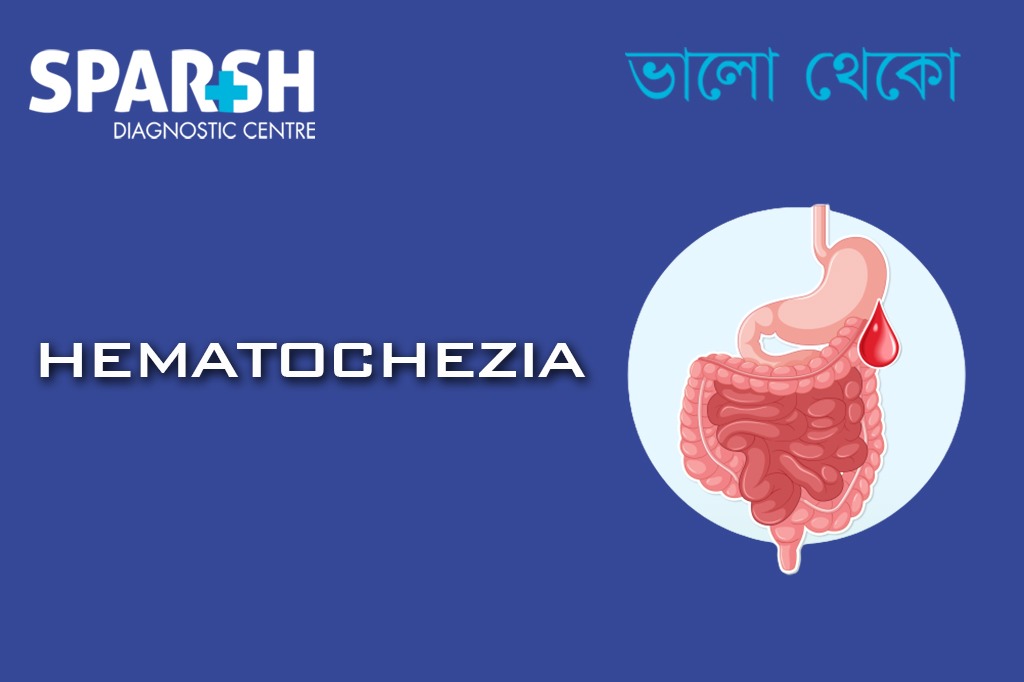
Seeing bright red blood in the toilet can be frightening. Sometimes it comes from something relatively minor, such as hemorrhoids or an anal fissure. In other cases, however, blood in the stool can be a sign of inflammation, diverticular bleeding, polyps, or colorectal cancer.
The medical term for passing fresh or bright red blood through the rectum is hematochezia. It usually points to bleeding somewhere in the lower digestive tract, particularly the colon, rectum or anus. However, heavy bleeding from the upper digestive tract can occasionally pass through the intestines quickly enough to appear bright red as well.
The important thing is not to assume that every episode of hematochezia is hemorrhoids. At the same time, seeing blood does not automatically mean cancer. The appearance of the blood, the amount, your age, other symptoms and your medical history all help determine what needs to happen next.
What does hematochezia mean?
Hematochezia means passing fresh blood from the anus, either mixed with stool, coating the stool, appearing on toilet paper or dripping into the toilet.
The blood is commonly bright red because it has not spent enough time in the digestive tract to be significantly broken down by digestive enzymes. Hematochezia is generally associated with lower gastrointestinal bleeding.
It can happen with:
- Hemorrhoids
- Anal fissures
- Diverticular bleeding
- Inflammatory bowel disease
- Infectious colitis
- Colon polyps
- Colorectal cancer
- Vascular abnormalities such as angiodysplasia
- Certain medications that increase the risk of bleeding
Some causes are harmless or easily treated, while others require prompt medical assessment.
What is the main cause of hematochezia?
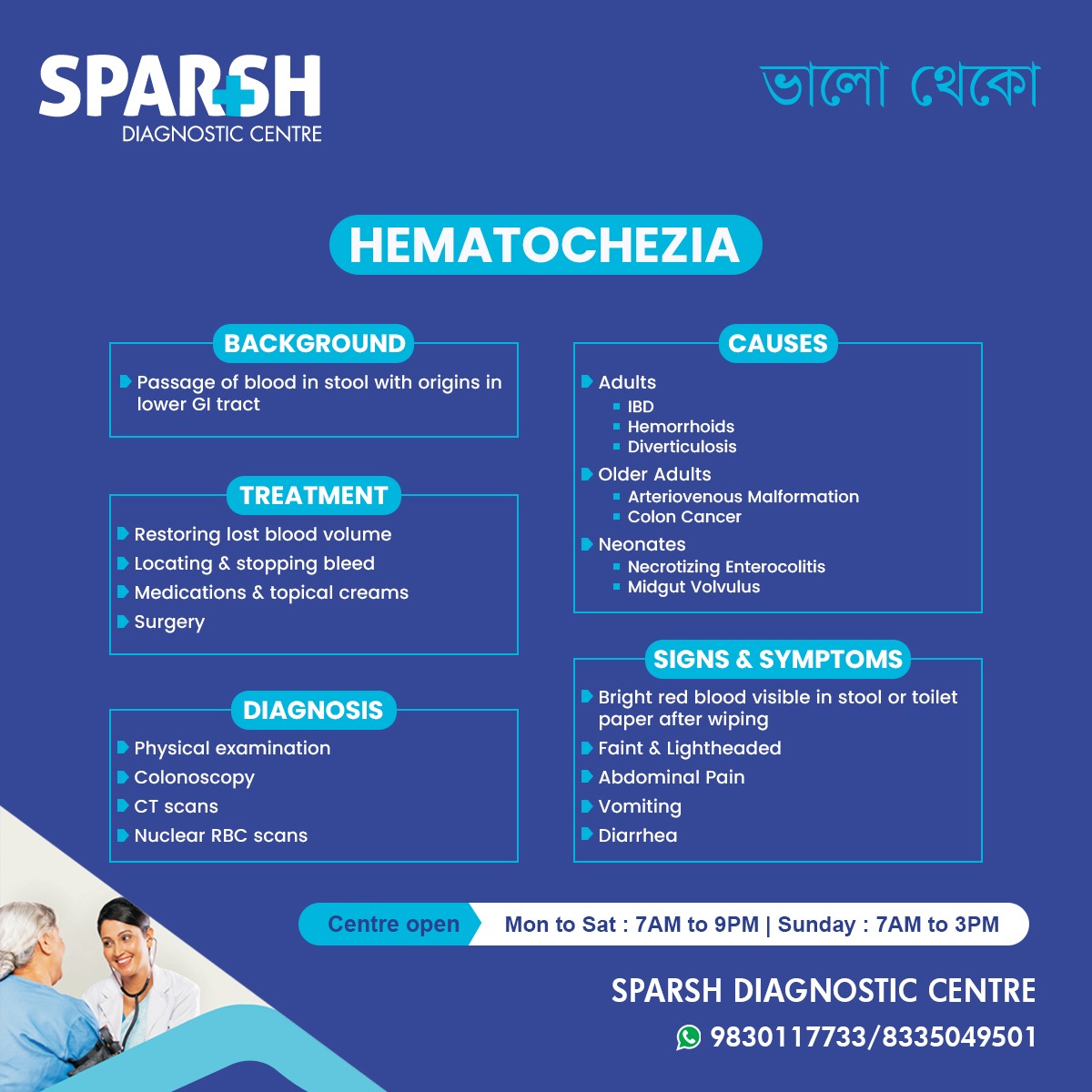
There isn’t one universal cause because hematochezia can arise from several parts of the lower digestive tract.
Hemorrhoids are among the most common causes of visible rectal bleeding, particularly in people who strain during bowel movements or have constipation. However, diverticular bleeding is also an important cause of significant lower gastrointestinal bleeding, especially in older adults. Other causes include anal fissures, inflammatory bowel disease, infections and colorectal tumors.
An anal fissure usually causes bright red blood along with pain during or after passing stool. Hemorrhoids, particularly internal hemorrhoids, can produce bright red blood without much pain.
Because several different conditions can look similar, the source cannot reliably be identified simply by looking at the blood.
Hematochezia vs melena: What’s the difference?
The simplest distinction is bright red versus black and tarry stool.
| Feature | Hematochezia | Melena |
|---|---|---|
| Typical appearance | Bright red or fresh blood | Black, tar-like stool |
| Usual source | Lower digestive tract | Usually upper digestive tract |
| Common causes | Hemorrhoids, diverticular bleeding, fissures, colitis | Stomach ulcers, upper GI bleeding |
| Odor/texture | Blood may be separate or mixed with stool | Usually sticky, tarry and unusually dark |
Hematochezia usually suggests bleeding from the colon, rectum or anus. Melena usually develops when blood has travelled through the upper digestive tract and been altered by digestive enzymes, producing a black, tarry appearance.
There is an important exception: very rapid or heavy upper gastrointestinal bleeding can sometimes cause hematochezia rather than melena.
Also remember that iron supplements and some bismuth-containing medicines can turn stool black without causing gastrointestinal bleeding.
What causes hematochezia?
The cause can range from a small tear near the anus to bleeding deeper inside the colon.
Hemorrhoids
Hemorrhoids are swollen blood vessels in and around the anus or rectum. Internal hemorrhoids commonly cause painless bright red bleeding, particularly during or after bowel movements.
Anal fissure
An anal fissure is a small tear in the anal lining. It often develops after passing hard stool and may cause sharp pain or burning during bowel movements along with bright red blood.
Diverticular bleeding
Diverticula are small pouches that can develop in the wall of the colon. When a blood vessel associated with a diverticulum bleeds, the bleeding can sometimes be sudden and substantial. Diverticular disease is an important cause of hematochezia, particularly in older adults.
Inflammatory bowel disease
Ulcerative colitis and Crohn’s disease can inflame the digestive tract and cause blood in the stool. Blood may occur alongside diarrhea, abdominal pain, urgency or mucus.
Infection
Certain gastrointestinal infections can cause bloody diarrhea, abdominal cramps and fever.
Colon polyps and colorectal cancer
Polyps can bleed, and colorectal cancers can also cause blood in the stool. Bleeding may be bright red, dark red or sometimes not visible to the naked eye.
Medications
Some medicines can increase the likelihood or severity of gastrointestinal bleeding. Blood thinners and medications that irritate the digestive tract are particularly important to discuss with a healthcare professional.
How to stop hematochezia
There is no single treatment that stops hematochezia because the treatment depends on its cause.
If hemorrhoids are responsible, treatment may include increasing dietary fiber, drinking enough fluids, avoiding straining and using appropriate topical or other treatments recommended by a clinician.
An anal fissure may improve when constipation and straining are addressed. Infections, inflammatory bowel disease, diverticular bleeding and cancer require different approaches.
If bleeding is heavy, persistent or accompanied by dizziness, fainting, severe abdominal pain, weakness or other concerning symptoms, home treatment is not appropriate. Immediate medical assessment may be necessary.
Do not assume that stopping the visible bleeding means the underlying problem has disappeared. Some gastrointestinal conditions can bleed intermittently.
What foods stop blood in the stool?
There is no specific food that can reliably stop hematochezia.
If hemorrhoids or constipation are contributing to bleeding, a diet containing adequate fiber can help produce softer stools and reduce straining. Good sources include vegetables, fruits, whole grains, beans, lentils and other fiber-rich foods.
Adequate fluid intake can also help prevent hard stools.
However, diet should not be used as a substitute for medical evaluation when the cause of bleeding is uncertain. A person with diverticular bleeding, inflammatory bowel disease, a bleeding polyp or colorectal cancer will not solve the underlying problem simply by changing foods.
Interestingly, some foods can make stool appear reddish without actual bleeding. Beetroot and strongly colored foods can sometimes cause confusion. If you’re unsure whether the color represents blood, medical testing can help establish the cause.
What color is cancerous blood in stool?
There is no single color that proves blood in stool is caused by cancer.
Colorectal cancer can cause bright red or dark red blood, and sometimes bleeding is hidden and only detected through stool testing. Rectal cancer, for example, may cause either bright or dark red blood.
This is why the color alone cannot distinguish cancer from hemorrhoids, fissures, diverticular disease or other conditions.
Blood that repeatedly appears with changes in bowel habits, unexplained weight loss, persistent abdominal discomfort, anemia or a feeling that the bowel does not completely empty deserves particular attention.
Which cancers can cause blood in the stool?
Several gastrointestinal cancers can potentially cause gastrointestinal bleeding.
The most relevant include:
- Colorectal cancer
- Rectal cancer
- Anal cancer
- Stomach cancer
- Esophageal cancer
- Other gastrointestinal tumors
The appearance of the bleeding depends partly on where the tumor is located and how quickly blood moves through the digestive tract. Colorectal and rectal cancers can cause visible red or dark red blood, while cancers higher in the digestive tract may more commonly cause occult bleeding or melena.
Importantly, having blood in the stool does not mean you have cancer. Many people with rectal bleeding have non-cancerous causes. The reason doctors investigate persistent or unexplained bleeding is to make sure an important condition isn’t being overlooked.
What color blood in stool is most concerning?
Color alone does not determine how dangerous the bleeding is.
Bright red blood commonly comes from the lower digestive tract and may occur with hemorrhoids or fissures, but it can also occur with significant colon bleeding.
Dark red or maroon blood can indicate bleeding higher in the colon or small intestine.
Black, tarry stool, known as melena, can indicate bleeding from the upper digestive tract and warrants medical attention, particularly when it is new and unexplained.
The amount of blood and associated symptoms are often more important than color alone. Heavy bleeding, dizziness, fainting, weakness, severe abdominal pain or a rapid heartbeat can indicate significant blood loss.
How much blood in poo is alarming?
There is no reliable number of teaspoons, tablespoons or milliliters that can be used at home to determine whether bleeding is dangerous.
A small streak of bright red blood on toilet paper may come from hemorrhoids or a fissure. But large amounts of blood, blood repeatedly filling the toilet bowl, passing clots, bleeding that does not stop, or bleeding associated with dizziness or weakness should be treated as urgent.
Seek emergency medical attention if you have heavy or continuous bleeding, fainting, severe dizziness, severe abdominal pain, vomiting blood, marked weakness or other symptoms suggesting significant blood loss.
What is the 3 to 3 poop rule?
The phrase “3 to 3 poop rule” is usually used to describe a general bowel-frequency guideline: anywhere from about three bowel movements a day to three bowel movements a week can fall within the broad range seen in healthy adults.
A related “3-3-3” version adds that bowel movements should ideally not require prolonged straining or extended time on the toilet. However, this is a general wellness rule, not a formal diagnostic test for hematochezia or bowel disease.
Bowel frequency also varies between individuals and populations. In fact, Indian gastroenterology guidance emphasizes that constipation should not be defined by frequency alone; stool form and how the person experiences bowel movements are important as well.
So, if you see blood in your stool, don’t use the 3-to-3 rule to decide whether the bleeding is safe to ignore.
Can blood in stool be nothing serious?
Yes. Blood in the stool can come from conditions that are not life-threatening.
Hemorrhoids and anal fissures are common examples. Internal hemorrhoids can cause painless bright red bleeding, while fissures often produce painful bleeding after hard bowel movements.
But “probably hemorrhoids” is not the same as a confirmed diagnosis.
Persistent, recurrent or unexplained rectal bleeding should be discussed with a healthcare professional because more serious conditions can sometimes cause similar symptoms. Cleveland Clinic specifically recommends contacting a healthcare provider when blood appears in the stool, even though many causes are treatable and not serious.
What does alarming blood in stool look like?
Warning signs include:
- A large amount of bright red or dark red blood
- Blood clots
- Bleeding that continues or keeps returning
- Black, tarry stool without an obvious medication-related explanation
- Blood accompanied by dizziness or fainting
- Severe or worsening abdominal pain
- Unexplained weight loss
- Significant weakness or fatigue
- A persistent change in bowel habits
- Blood with ongoing diarrhea or abdominal symptoms
- Blood in someone with a significant personal or family history of colorectal disease
The combination of bleeding and systemic symptoms is particularly important. For example, dizziness can suggest that blood loss is affecting circulation, while unexplained weight loss or persistent bowel changes may warrant investigation for an underlying gastrointestinal disorder.
When should I start worrying about blood in my stool?
You should take blood in the stool seriously from the first unexplained episode, although that does not mean you should panic.
A small amount of bright red blood after passing a hard stool may have a straightforward explanation. Still, if you don’t know the cause, discussing it with a healthcare professional is sensible.
You should be particularly concerned when bleeding:
- Keeps coming back
- Increases in amount
- Occurs without constipation or straining
- Happens alongside abdominal pain
- Is accompanied by weight loss or fatigue
- Occurs with persistent diarrhea or constipation
- Is associated with a change in stool shape or bowel habits
- Occurs alongside dizziness or fainting
People should also be especially careful about dismissing new rectal bleeding as hemorrhoids simply because hemorrhoids are common. Colorectal cancer can cause rectal bleeding, and rectal cancer can sometimes produce symptoms that resemble hemorrhoids.
How to know if blood is from hemorrhoids or colon?
Unfortunately, you cannot reliably tell the source of bleeding just by looking at it.
Bleeding from hemorrhoids is often bright red and may appear on toilet paper, on the outside of stool or in the toilet. Internal hemorrhoids commonly cause painless bleeding.
Bleeding originating farther inside the colon can also be bright red, particularly when it is moving rapidly through the digestive tract. Colon conditions may additionally cause abdominal pain, diarrhea, changes in bowel habits, anemia, weight loss or other symptoms.
A healthcare professional may take a detailed history and perform an examination. Depending on the circumstances, tests may include blood tests, stool tests, a digital rectal examination, colonoscopy or other investigations.
That’s why trying to diagnose the source yourself based only on blood color is unreliable.
How is hematochezia diagnosed?
Diagnosis begins with questions about the bleeding.
A doctor may ask:
- When did the bleeding begin?
- How much blood did you notice?
- Was it bright red, dark red or black?
- Was it mixed with stool or only on the surface?
- Have you had constipation or diarrhea?
- Is there abdominal or anal pain?
- Have your bowel habits changed?
- Are you losing weight without trying?
- What medications are you taking?
- Do you have a family history of colorectal cancer or polyps?
The examination and tests depend on the suspected cause. Blood tests can help identify anemia or other effects of bleeding. A colonoscopy may be recommended when the source needs to be visualized directly.
When is hematochezia an emergency?
Go to an emergency department or seek immediate medical care if you have heavy or persistent rectal bleeding, especially if you also experience dizziness, fainting, severe weakness, severe abdominal pain, vomiting blood or other signs of significant illness.
Don’t drive yourself if you feel faint or severely weak.
Even when the bleeding stops, significant or unexplained bleeding should still be evaluated because gastrointestinal bleeding can sometimes stop temporarily and return later.
Frequently Asked Questions About Hematochezia
Is hematochezia always serious?
No. Hematochezia can result from common, treatable conditions such as hemorrhoids and anal fissures. However, it can also be caused by diverticular bleeding, inflammatory bowel disease, polyps or cancer. The cause needs to be considered rather than assuming it is harmless.
Can hemorrhoids cause a lot of bright red blood?
Yes. Internal hemorrhoids can cause bright red bleeding, and the amount can sometimes look dramatic. However, heavy bleeding should not automatically be attributed to hemorrhoids without medical assessment.
Does colon cancer always cause dark blood?
No. Colon and rectal cancer can cause bright red or dark red blood, and sometimes the bleeding is hidden rather than visible.
Can constipation cause hematochezia?
Yes. Constipation and straining can contribute to hemorrhoids and anal fissures, both of which can cause bright red rectal bleeding.
Can blood in stool stop on its own?
It can. Some sources of gastrointestinal bleeding can stop temporarily. However, the fact that bleeding stops does not necessarily establish that the cause is harmless. Persistent or recurrent bleeding should be investigated.
Should I change my diet if I have hematochezia?
There is no special diet that stops hematochezia. If constipation or hemorrhoids are contributing, adequate fiber and fluids can help make stools easier to pass and reduce straining. But dietary changes should not replace medical evaluation when bleeding is unexplained.
Is bright red blood less dangerous than black stool?
Not necessarily. Bright red blood often indicates a lower source, while black tarry stool often indicates an upper gastrointestinal source. Either can represent significant bleeding depending on the amount and underlying cause.
Final thoughts
Hematochezia simply means fresh or bright red blood passed through the rectum, but the causes behind it can vary widely. Hemorrhoids and anal fissures are common explanations, yet diverticular disease, inflammatory bowel disease, infections, polyps and colorectal cancer can also cause bleeding.
The most important mistake to avoid is assuming that the appearance of blood tells you exactly where it came from. Bright red blood can be relatively minor, but it can also occur with significant lower gastrointestinal bleeding.
If you notice blood in your stool, pay attention to the amount, color, frequency and any accompanying symptoms. Heavy bleeding, dizziness, fainting, severe abdominal pain, black tarry stool or other warning signs require prompt medical attention.
And if bleeding keeps returning, don’t simply keep treating it as hemorrhoids. Finding the actual source is the safest way to know whether the problem is minor or needs further treatment.
This article is for general health education and does not replace an examination or diagnosis by a qualified healthcare professional.
#BhaloTheko
Disclaimer:
No content on this site, regardless of date, should ever be used as a substitute for direct medical advice from your doctor or other qualified clinician.
Sparsh Doctor List


Thanks for this post
Good information. Lucky me I ran across your site by accident (stumbleupon).
I’ve bookmarked it for later!
[…] it an important warning sign that should never be ignored. While many people confuse melena with hematochezia (fresh red blood in stool), both point to different types of bleeding and require different approaches to treatment. […]