

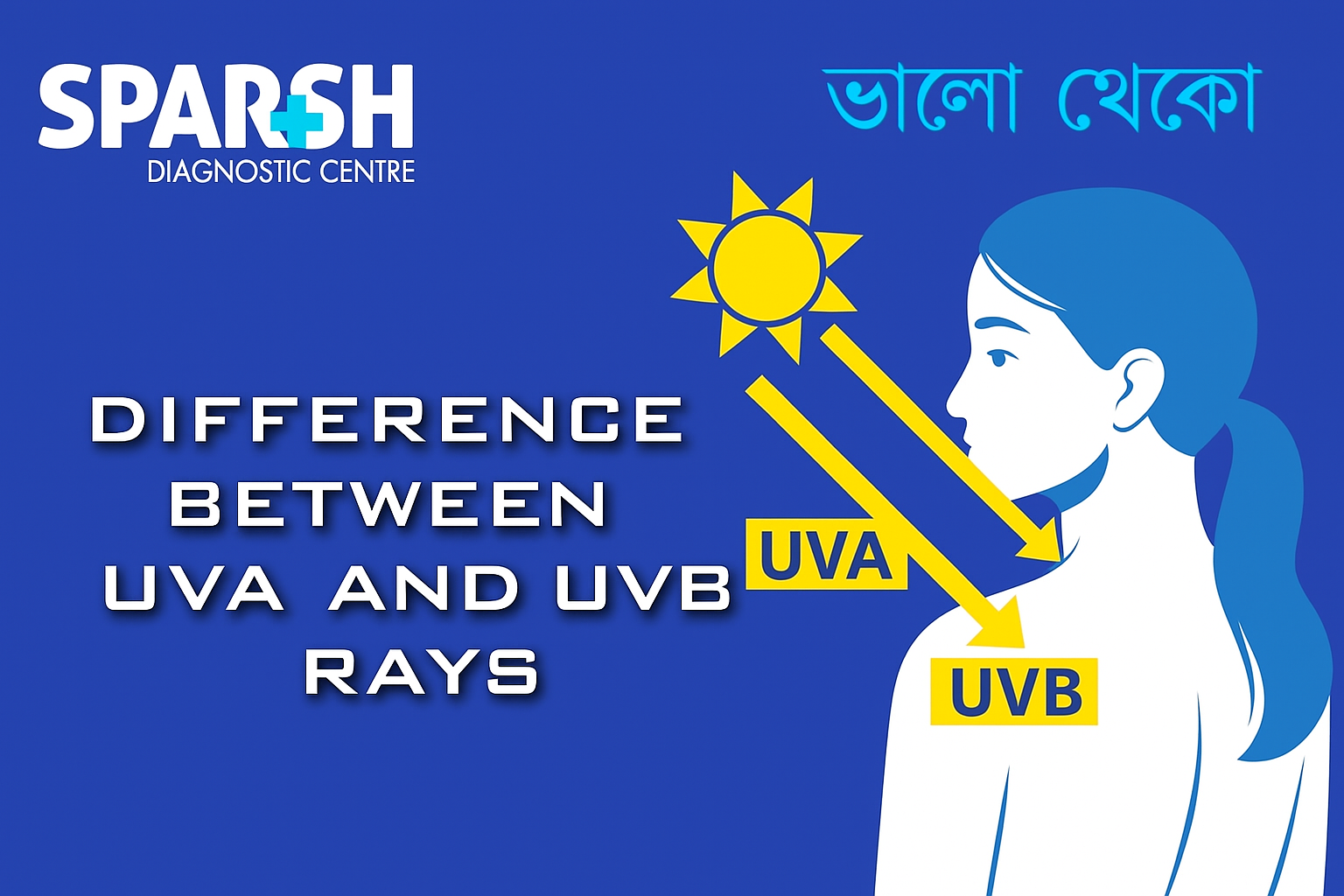
When we think about sun exposure, most of us focus on sunburns, tanning, or using sunscreen. But to fully protect our skin and health, we need to understand the two types of ultraviolet (UV) radiation that the sun emits: UVA and UVB rays.
While both types of rays come from the sun and impact the skin, they differ in terms of wavelength, depth of penetration, and biological effects. This guide will explore their differences, similarities, effects on human health, and how to protect yourself effectively.
What Are Ultraviolet Rays?
Ultraviolet (UV) rays are a form of electromagnetic radiation that comes primarily from sunlight. The spectrum of UV rays is divided into three main categories:
UVA rays (320-400 nm)
UVB rays (290-320 nm)
UVC rays (100-290 nm) (filtered by Earth’s ozone layer and doesn’t reach us)
So, the two forms of UV radiation that reach your skin are UVA and UVB.
What Is UVA Radiation?
1. Longer Wavelengths (320-400 nm)
UVA rays have the longest wavelengths among the UV spectrum. This allows them to penetrate deeper into the layers of your skin — all the way to the dermis, the thickest layer of the skin.
2. Constant Throughout the Day and Year
UVA rays are present with relatively equal intensity during all daylight hours and throughout the year, unlike UVB which fluctuates.
3. Can Penetrate Glass and Clouds
UVA rays can penetrate through windows, clouds, and even car glass, which means you’re still exposed while indoors or driving.
4. Associated With Skin Aging
UVA rays are primarily responsible for photoaging — premature wrinkles, sagging, and age spots. These rays damage the skin’s collagen and elastin fibers over time.
5. Role in Skin Cancer
While UVB is more directly linked to DNA mutation, UVA also contributes to skin cancer, including melanoma, by generating free radicals and oxidative stress that damage skin cells.
What Is UVB Radiation?
1. Shorter Wavelengths (290-320 nm)
UVB rays are shorter in wavelength but carry more energy. They affect only the superficial layers of the skin (epidermis), making them responsible for more immediate damage like sunburn.
2. Varies With Time and Season
UVB intensity is highest between 10 a.m. and 4 p.m., especially during spring and summer. It varies with geographic location, altitude, and weather.
3. Does Not Penetrate Glass
Unlike UVA, UVB rays do not penetrate glass, which is why being indoors generally protects you from UVB exposure.
4. Causes Sunburn
UVB rays directly damage the skin’s DNA and are the primary cause of sunburns, a significant risk factor for skin cancer.
5. Essential for Vitamin D
On a positive note, UVB radiation is essential for Vitamin D synthesis in the skin. Controlled exposure is important, especially in areas where sunlight is limited.
Key Differences Between UVA and UVB Rays
| Characteristic | UVA Rays | UVB Rays |
|---|---|---|
| Wavelength | 320–400 nm | 290–320 nm |
| Skin Penetration | Deep (dermis) | Superficial (epidermis) |
| Time of Day | Constant all day | Peaks from 10 a.m. to 4 p.m. |
| Penetration of Glass | Yes | No |
| Primary Effect | Aging, pigmentation | Sunburn, direct DNA damage |
| Cancer Risk | Contributes to melanoma | Directly causes skin cancers |
| Intensity Variation | Minimal throughout year | Varies with season and location |
| Use in Tanning Beds | Commonly used | Less common |
UVA and UVB Rays in Tanning and Sunscreen
Tanning Beds and UVA
Many tanning beds emit primarily UVA rays because they tan the skin more deeply. However, tanning with UVA still damages DNA and accelerates skin aging. Regular use is strongly associated with an increased risk of melanoma and non-melanoma skin cancers.
Sunscreens: Look for “Broad-Spectrum”
When buying sunscreen, look for labels that say “broad-spectrum”, meaning it protects against both UVA and UVB.
SPF (Sun Protection Factor) only measures protection from UVB rays.
For UVA protection, check for ingredients like:
Zinc oxide
Titanium dioxide
Avobenzone
Mexoryl SX
A sunscreen with SPF 30+, water resistance, and broad-spectrum labeling offers ideal protection.
Health Risks Associated with UVA and UVB Exposure
Skin Damage and Aging
UVA: Breaks down collagen, causes wrinkles, hyperpigmentation.
UVB: Damages outer skin layers causing peeling and sunburn.
Skin Cancer
Both UVA and UVB rays are classified as Group 1 carcinogens by the World Health Organization (WHO). Excess exposure increases your risk of:
Basal cell carcinoma
Squamous cell carcinoma
Melanoma (most dangerous type)
Eye Damage
Prolonged UV exposure may lead to:
Cataracts
Macular degeneration
Photokeratitis (snow blindness)
Immune Suppression
UV radiation can suppress the skin’s local immune response, making it harder for the body to detect and destroy skin cancer cells in their early stages.
How to Protect Your Skin from UVA and UVB Rays
1. Apply Broad-Spectrum Sunscreen
SPF 30 or higher
Reapply every 2 hours or after swimming/sweating
Apply 15-30 minutes before sun exposure
2. Wear Protective Clothing
Wide-brimmed hats
Long-sleeved shirts
UV-protective sunglasses
3. Seek Shade
Avoid direct sunlight between 10 a.m. and 4 p.m.
4. Avoid Tanning Beds
Artificial tanning exposes you to intense UVA and sometimes UVB, raising your skin cancer risk.
5. Monitor the UV Index
The UV Index gives a daily measure of UV radiation levels. A high UV index means a greater need for protection.
Who Is Most at Risk from UV Damage?
Fair-skinned individuals
Children and teenagers
People with a family history of skin cancer
People taking photosensitizing medications
Outdoor workers and athletes
Common Myths About UVA and UVB Rays
Myth 1: You can’t get UV damage on cloudy days.
Fact: Up to 80% of UV rays can penetrate clouds.
Myth 2: Glass windows block all UV radiation.
Fact: Glass blocks UVB but not UVA, so indoor exposure is still risky.
Myth 3: You only need sunscreen at the beach.
Fact: Everyday exposure, even while driving or walking, adds up.
Both UVA and UVB rays pose serious threats to your skin health. Understanding their differences can help you take proactive steps to protect your skin from premature aging, sunburn, eye damage, and skin cancers.
Invest in a broad-spectrum sunscreen, cover up, and stay informed about UV exposure levels. Protecting your skin is not just about beauty — it’s about long-term health and prevention.
FAQs About UVA and UVB Rays
Q1. Can UVA rays cause sunburn?
While UVA is less likely to cause sunburn, it contributes to long-term skin damage and aging. UVB is the main cause of sunburn.
Q2. Do indoor lights emit UVA or UVB?
Most indoor lights emit very minimal UV radiation, but some halogen and fluorescent lights can emit low levels of UVA.
Q3. Are all sunscreens UVA and UVB protective?
No. Only broad-spectrum sunscreens protect against both UVA and UVB.
Q4. Is there a safe way to get Vitamin D from sunlight?
Yes. Around 10–15 minutes of midday sunlight on bare skin a few times a week can help — but never at the cost of unprotected prolonged exposure.
#BhaloTheko
Disclaimer:
No content on this site, regardless of date, should ever be used as a substitute for direct medical advice from your doctor or other qualified clinician.





[…] May support skin health by reducing oxidative damage from UV exposure […]
[…] is an inflammatory response of the skin triggered by excessive exposure to UV radiation, primarily UVB rays. When your skin is exposed to the sun for too long without adequate protection, […]
[…] Ultraviolet (UV) radiation stimulates melanocytes (pigment-producing cells) to produce more melanin. This is the leading trigger for melasma. […]
[…] Melanin is a word you’ve likely heard when discussing skin tone, sun protection, or pigmentation issues. But melanin is far more than just a coloring agent. This remarkable pigment plays crucial roles in how your body functions, especially in protecting your skin and eyes from harmful ultraviolet (UV) rays. […]