If you’ve ever seen a child with bright red cheeks that look like they’ve just been slapped, you’ve likely come across Slapped Cheek Syndrome. The name may sound alarming, but in most cases, this illness is mild and clears up on its own.
Also known medically as Fifth disease, Slapped Cheek Syndrome is a common childhood viral infection. While it primarily affects children, adults can catch it too — and sometimes, they may experience different symptoms.
In this detailed guide, we’ll walk through everything you need to know — from causes and symptoms to treatment, complications, pregnancy concerns, and frequently asked questions.
What Is Slapped Cheek Syndrome?
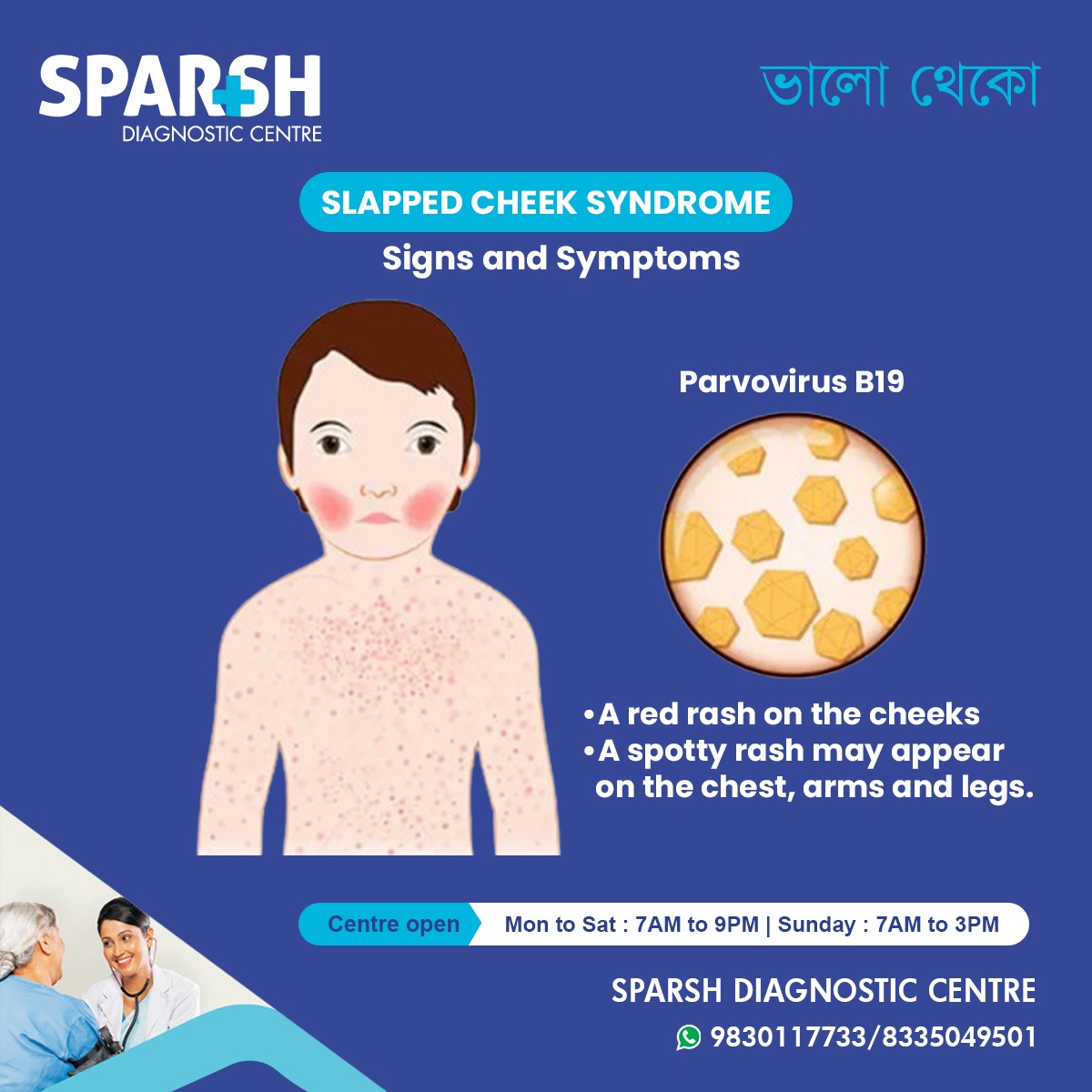
Slapped Cheek Syndrome is caused by a virus called Parvovirus B19. It spreads easily from person to person, especially in schools, daycare centers, and households.
It’s sometimes referred to as “Fifth Disease” because it was historically listed as the fifth common childhood rash illness (after measles, scarlet fever, rubella, and Dukes’ disease).
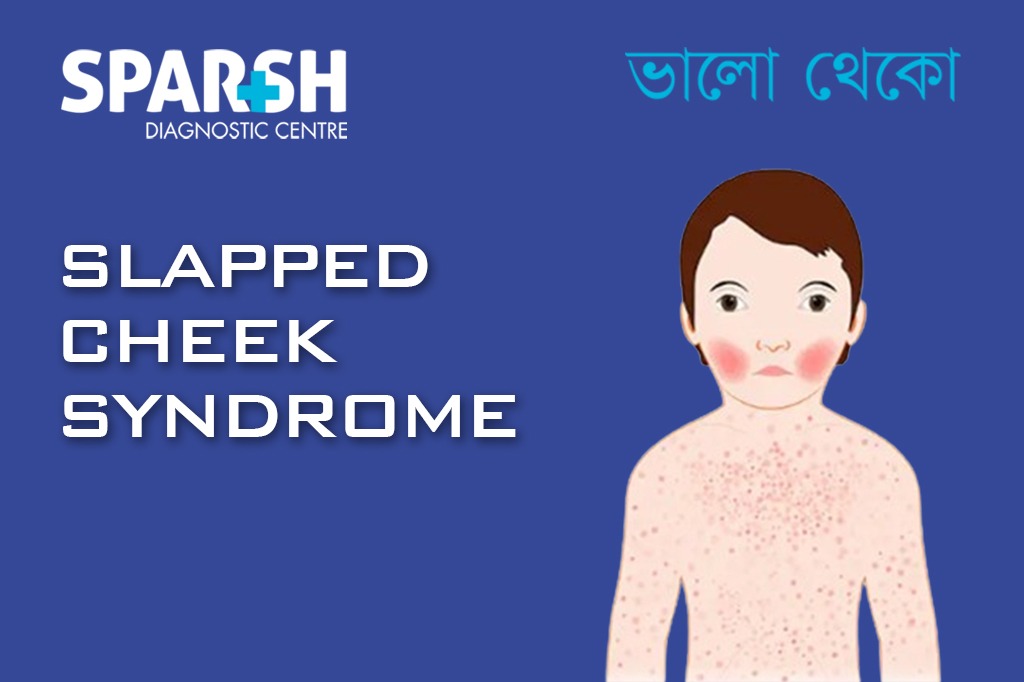
The condition is generally mild in healthy children. The signature sign? Bright red cheeks followed by a lacy rash on the body.
What Causes Slapped Cheek Syndrome?
The infection is caused by Parvovirus B19, which spreads through:
Respiratory droplets (coughing and sneezing)
Close contact
Sharing utensils or drinks
Hand-to-mouth contact
Blood (rarely)
From mother to baby during pregnancy (uncommon but possible)
The virus is most contagious before the rash appears — which is why outbreaks are common in schools. Once the rash shows up, the person is usually no longer contagious.
Who Is Most at Risk?
Slapped Cheek Syndrome most commonly affects:
Children aged 4–10 years
School-going children
Teachers and childcare workers
Parents of infected children
Adults can get it too. In fact, many adults may not even realize they had it in childhood.
Certain groups, however, need special attention:
Pregnant women
People with weakened immune systems
Individuals with blood disorders like sickle cell disease
Those with chronic anemia
Signs and Symptoms of Slapped Cheek Syndrome
The symptoms often appear in stages.
1. Early (Flu-like) Symptoms
Before the rash appears, mild symptoms may develop:
Runny or blocked nose
Tiredness
Mild body aches
These symptoms usually last a few days and may be so mild that they go unnoticed.
2. The “Slapped Cheek” Rash
This is the hallmark sign.
Bright red rash on both cheeks
Clear area around the mouth
Warm, flushed appearance
It often appears suddenly and may look dramatic — but the child usually feels relatively well at this stage.
3. Body Rash
A few days after the cheek rash:
A pink, lacy or net-like rash may appear
Common on chest, arms, thighs, and legs
May fade and reappear over weeks
Can worsen with sunlight, heat, exercise, or stress
The rash is usually not painful but may be mildly itchy.
4. Symptoms in Adults
Adults may not develop the classic cheek rash. Instead, they often experience:
Joint pain and stiffness (hands, wrists, knees, ankles)
Swelling around joints
Joint symptoms can last weeks or even months in some adults.
How Is Slapped Cheek Syndrome Diagnosed?
In most cases, doctors diagnose it based on the appearance of the rash and symptom history.
Lab tests are rarely needed unless:
The patient is pregnant
There is a blood disorder
The immune system is compromised
Severe anemia is suspected
Blood tests can confirm infection with Parvovirus B19 if necessary.
Treatment of Slapped Cheek Syndrome
There is no specific antiviral treatment for Parvovirus B19. Fortunately, most cases are mild and resolve on their own within 1–3 weeks.
Treatment focuses on symptom relief:
For Fever and Pain:
Paracetamol (acetaminophen)
Ibuprofen (if age-appropriate)
For Itching:
Antihistamines
Calamine lotion
Cool compresses
For Joint Pain (Adults):
Anti-inflammatory medications
Rest
Gentle stretching
Antibiotics are not effective, as this is a viral infection.
How Long Does It Last?
Flu-like symptoms: 3–5 days
Facial rash: 4–7 days
Body rash: May last up to 2–3 weeks
Joint pain in adults: Weeks to months
The rash may fade and reappear, especially with heat or sunlight. This does not mean the infection has returned.
Is Slapped Cheek Syndrome Contagious?
Yes — but only before the rash appears.
Once the child develops the rash, they are usually no longer contagious and can often return to school (if they feel well).
This surprises many parents because by the time the rash shows up, the contagious phase has passed.
Slapped Cheek Syndrome in Pregnancy
This is one area where extra caution is needed.
If a pregnant woman gets infected with Parvovirus B19:
Most pregnancies are unaffected
In rare cases, it can cause fetal anemia
Very rarely, it may lead to miscarriage
The highest risk is during the first half of pregnancy.
If exposure occurs:
Inform your doctor immediately
Blood tests can check immunity
Ultrasound monitoring may be recommended
Many adults already have immunity from childhood infection.
Possible Complications
While uncommon, complications can occur in certain individuals.
1. Severe Anemia
People with:
may experience a temporary drop in red blood cell production.
2. Immune System Problems
Those undergoing chemotherapy, transplant patients, or individuals with HIV may develop persistent infection.
3. Chronic Joint Pain
Some adults experience prolonged joint discomfort lasting several months.
When Should You See a Doctor?
Seek medical advice if:
The child looks unusually pale or weak
There are signs of severe anemia
Joint pain is severe or persistent
The patient is pregnant
The individual has a blood disorder or weakened immunity
Symptoms worsen instead of improving
Most healthy children, however, recover without complications.
Prevention Tips
There is currently no vaccine for Parvovirus B19.
Prevention focuses on basic hygiene:
Wash hands frequently
Cover mouth and nose when coughing
Avoid sharing utensils
Clean frequently touched surfaces
Because the virus spreads before the rash appears, preventing outbreaks can be challenging in school settings.
Can Adults Get Slapped Cheek Syndrome?
Yes — and many don’t realize what it is.
Adults may skip the facial rash and instead develop joint symptoms that mimic arthritis. Women are more likely than men to experience joint pain.
If you suddenly develop symmetrical joint pain after being around children with rash illness, Parvovirus B19 could be the cause.
Slapped Cheek Syndrome vs Other Rashes
Parents often confuse it with:
Allergic rash
The bright red cheeks followed by a lacy body rash is the key distinguishing feature.
If you’re unsure, it’s always wise to consult a healthcare provider.
Frequently Asked Questions (FAQs)
1. Is Slapped Cheek Syndrome dangerous?
In most healthy children, it is mild and harmless. Complications are rare.
2. Can my child go to school with Slapped Cheek Syndrome?
Yes, once the rash appears and your child feels well, they are usually no longer contagious.
3. How long is a child contagious?
They are contagious before the rash appears — typically during the flu-like phase.
4. Can adults catch it from children?
Yes. Adults who were never infected before can catch it and may experience joint pain.
5. Does the rash itch?
It may cause mild itching but is generally not severe.
6. Can you get Slapped Cheek Syndrome more than once?
It’s rare. Most people develop lifelong immunity after infection.
7. Is there a vaccine?
No, there is currently no vaccine available.
8. What if a pregnant woman is exposed?
She should contact her doctor for blood tests and monitoring. Most pregnancies are unaffected.
9. Can it cause long-term problems?
In healthy individuals, no. In rare cases involving immune or blood disorders, complications may occur.
10. Why does the rash come and go?
Heat, sunlight, exercise, and stress can trigger temporary reappearance of the rash. This does not mean the infection is active again.
Slapped Cheek Syndrome may look dramatic, but in most children, it’s a mild and self-limiting viral infection. The bright red cheeks can be alarming at first glance, but once you understand the condition, it becomes far less frightening.
The key takeaways?
It’s common in children
It spreads before the rash appears
Most cases need only supportive care
Pregnant women and people with blood disorders should seek medical advice
If you ever feel unsure about a rash — especially in a baby, pregnant woman, or someone with underlying health issues — it’s always better to consult a healthcare professional.
With good hygiene and awareness, most families navigate this infection smoothly and without complications.
#BhaloTheko
Disclaimer:
No content on this site, regardless of date, should ever be used as a substitute for direct medical advice from your doctor or other qualified clinician.