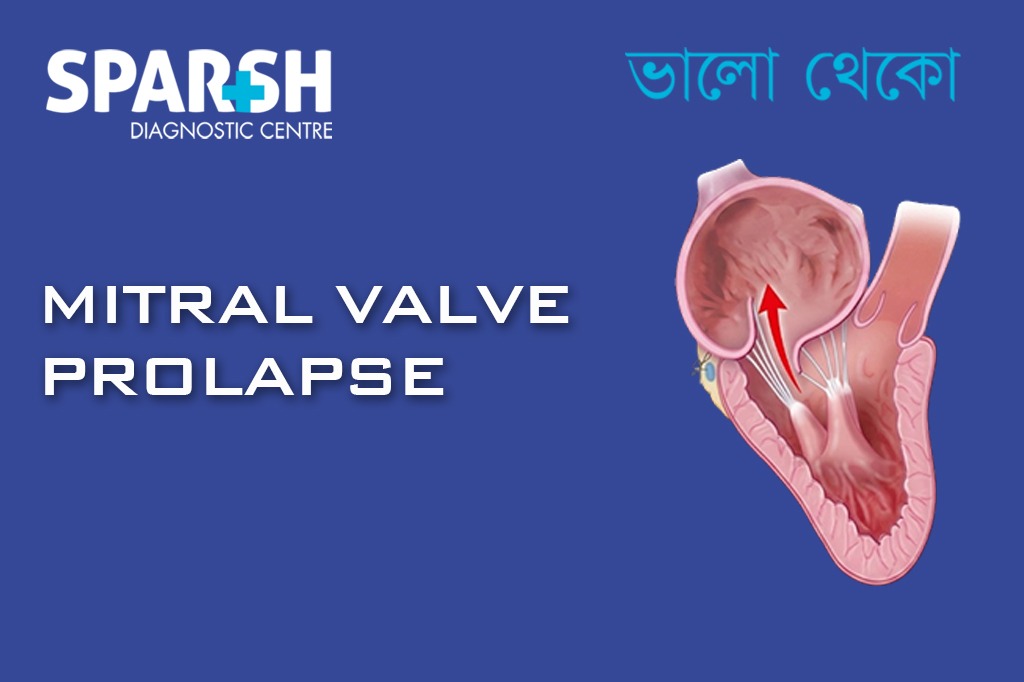
Mitral Valve Prolapse (MVP), often referred to as floppy valve syndrome, is one of the most common heart valve disorders. For many people, it causes no symptoms and never leads to serious complications. However, in some cases, it can result in mitral valve regurgitation, irregular heart rhythms, or other cardiovascular concerns that require medical attention.
Understanding Mitral Valve Prolapse can help you recognize symptoms early, seek timely diagnosis, and manage the condition effectively. In this comprehensive guide, we will explore everything you need to know about MVP, including its causes, symptoms, diagnosis, treatment options, and frequently asked questions.
What Is Mitral Valve Prolapse?
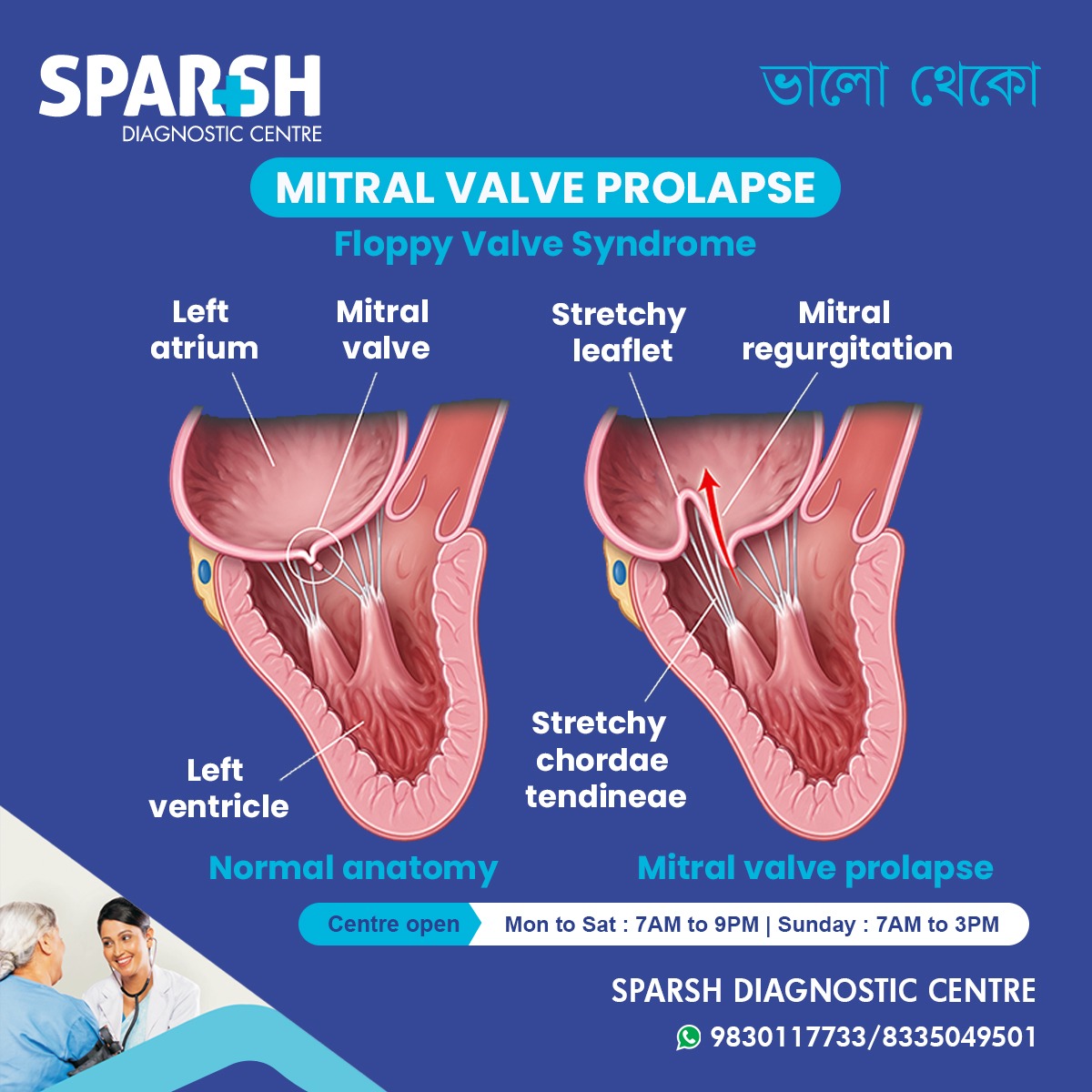
The heart contains four valves that ensure blood flows in the correct direction. One of these valves is the mitral valve, located between the left atrium and the left ventricle.
In a healthy heart, the mitral valve closes tightly when the left ventricle contracts. In Mitral Valve Prolapse, one or both valve leaflets become enlarged, thickened, or excessively flexible and bulge backward into the left atrium during contraction.
Because the valve does not close properly, a small amount of blood may leak backward. This leakage is known as mitral valve regurgitation.
While MVP is generally not life-threatening, severe regurgitation can place additional strain on the heart and may require treatment.
How Common Is Mitral Valve Prolapse?
Mitral Valve Prolapse affects approximately 2–3% of the population. It can occur in people of all ages but is often diagnosed in young adults and middle-aged individuals.
Many people are unaware they have MVP because they experience no symptoms and discover it only during a routine medical examination or cardiac imaging test.
Understanding How the Mitral Valve Works
To understand MVP, it helps to know how the mitral valve normally functions.
The mitral valve consists of:
- Two valve leaflets
- Chordae tendineae (thin cords that support the valve)
- Papillary muscles attached to the heart wall
During normal heart function:
- The valve opens to allow blood to flow from the left atrium to the left ventricle.
- When the ventricle contracts, the valve closes tightly.
- Blood is pumped forward into the aorta and throughout the body.
In Mitral Valve Prolapse:
- The valve leaflets become floppy or stretched.
- They bulge into the left atrium during contraction.
- Blood may leak backward through the valve.
Causes of Mitral Valve Prolapse
The exact cause is not always known. However, several factors can increase the risk.
Genetic Factors
Many cases appear to run in families. Individuals with a family history of MVP may be more likely to develop the condition.
Connective Tissue Disorders
Certain inherited disorders affect the body’s connective tissues and can increase the risk of MVP, including:
Structural Changes in the Valve
Over time, the valve leaflets may become:
- Thickened
- Enlarged
- Weakened
These changes can contribute to prolapse.
Other Heart Conditions
MVP may occasionally develop alongside:
Symptoms of Mitral Valve Prolapse
Many individuals experience no symptoms. When symptoms do occur, they can vary widely from person to person.
Common symptoms include:
Chest Pain
Some people report sharp or aching chest discomfort that is not related to a heart attack.
Palpitations
Palpitations are sensations of:
- Racing heartbeat
- Fluttering heartbeat
- Skipped beats
Fatigue
Persistent tiredness may occur even after adequate rest.
Shortness of Breath
Breathlessness can develop during:
- Physical activity
- Climbing stairs
- Exercise
Dizziness or Lightheadedness
Reduced blood flow or irregular heart rhythms may cause occasional dizziness.
Anxiety
Some patients experience increased anxiety or panic-like symptoms associated with MVP.
Exercise Intolerance
Activities that were once easy may become more difficult.
When Mitral Valve Prolapse Causes No Symptoms
A significant percentage of people with MVP never develop symptoms.
These individuals often:
- Lead completely normal lives
- Require only routine monitoring
- Never need treatment
This is why regular health checkups are important, especially if a doctor hears a heart murmur during examination.
Complications of Mitral Valve Prolapse
Although most cases are mild, complications can occur.
Mitral Valve Regurgitation
This is the most common complication.
As the valve leaks, blood flows backward into the left atrium instead of moving efficiently through the body.
Severe regurgitation can lead to:
- Heart enlargement
- Reduced heart function
- Heart failure
Arrhythmias
MVP may increase the risk of abnormal heart rhythms, including:
- Atrial fibrillation
- Ventricular arrhythmias
These rhythm disturbances can cause palpitations, dizziness, or fainting.
Endocarditis
Although uncommon, damaged heart valves are more vulnerable to infection known as infective endocarditis.
Heart Failure
Long-standing severe valve leakage can weaken the heart and eventually contribute to heart failure.
Risk Factors for Mitral Valve Prolapse
Several factors increase the likelihood of developing MVP.
These include:
- Family history
- Connective tissue disorders
- Being female
- Certain congenital heart abnormalities
- Age-related valve degeneration
How Is Mitral Valve Prolapse Diagnosed?
Early diagnosis can help prevent complications and guide treatment decisions.
Physical Examination
Doctors often detect MVP by listening to the heart using a stethoscope.
A characteristic clicking sound, sometimes followed by a murmur, may be heard.
Echocardiogram
An echocardiogram is the most important diagnostic test.
It uses ultrasound waves to visualize:
- Valve structure
- Valve movement
- Blood flow
- Severity of regurgitation
Electrocardiogram (ECG)
An ECG evaluates the heart’s electrical activity and can identify rhythm abnormalities.
Holter Monitoring
A portable monitor records heart activity continuously over 24–48 hours to detect intermittent arrhythmias.
Stress Test
Exercise testing helps assess heart function during physical activity.
Cardiac MRI
In certain cases, MRI provides detailed images of the heart and valves.
The Role of Echocardiography in Mitral Valve Prolapse
Echocardiography is considered the gold standard for MVP diagnosis.
It helps physicians determine:
- Whether prolapse is present
- The degree of valve leakage
- Heart chamber size
- Heart pumping function
Regular echocardiographic follow-up may be recommended depending on the severity of the condition.
Treatment for Mitral Valve Prolapse
Treatment depends largely on symptom severity and the presence of complications.
Observation and Monitoring
Many individuals require no treatment at all.
Doctors may simply recommend:
- Regular checkups
- Periodic echocardiograms
- Lifestyle modifications
Medications
Medications may be prescribed to manage symptoms.
These include:
Beta Blockers
Help control:
- Palpitations
- Rapid heartbeat
- Chest discomfort
Antiarrhythmic Medications
Used for certain rhythm disturbances.
Blood Thinners
Patients with atrial fibrillation may require anticoagulants to reduce stroke risk.
Surgical Treatment
Surgery is generally reserved for severe mitral regurgitation.
Mitral Valve Repair
Whenever possible, surgeons prefer repairing the existing valve.
Benefits include:
- Better long-term outcomes
- Lower complication rates
- Preservation of heart function
Mitral Valve Replacement
If repair is not possible, the valve may be replaced with:
- Mechanical valves
- Biological tissue valves
Lifestyle Changes for Managing Mitral Valve Prolapse
Healthy lifestyle choices can support heart health and reduce symptoms.
Exercise Regularly
Most people with MVP can safely engage in physical activity.
However, those with severe regurgitation should consult their cardiologist before beginning strenuous exercise.
Eat a Heart-Healthy Diet
Focus on:
- Fruits
- Vegetables
- Whole grains
- Lean proteins
- Healthy fats
Limit:
- Excess salt
- Processed foods
- Sugary beverages
Stay Hydrated
Proper hydration may help reduce dizziness and palpitations.
Manage Stress
Stress and anxiety can worsen symptoms.
Helpful strategies include:
- Meditation
- Yoga
- Deep breathing exercises
- Adequate sleep
Avoid Excessive Stimulants
Limit:
- Excess caffeine
- Energy drinks
- Tobacco products
These substances may increase palpitations.
Can Mitral Valve Prolapse Be Prevented?
There is no guaranteed way to prevent MVP, especially when genetics play a role.
However, maintaining cardiovascular health can reduce complications.
Recommendations include:
- Controlling blood pressure
- Exercising regularly
- Maintaining a healthy weight
- Avoiding smoking
- Managing cholesterol levels
Living with Mitral Valve Prolapse
For most people, MVP is a manageable condition.
Many individuals:
- Never develop symptoms
- Never require surgery
- Enjoy normal life expectancy
Regular medical follow-up is the key to ensuring that any progression of valve leakage is detected early.
If symptoms worsen or new symptoms appear, prompt evaluation by a healthcare provider is important.
When Should You See a Doctor?
Seek medical evaluation if you experience:
- Persistent chest pain
- Shortness of breath
- Frequent palpitations
- Fainting episodes
- Unexplained fatigue
Early diagnosis and treatment can help prevent complications and improve long-term outcomes.
Importance of Cardiac Imaging and Diagnostic Testing
Modern cardiac imaging plays a crucial role in diagnosing MVP and assessing its severity.
Tests such as:
- Echocardiography
- ECG
- Holter monitoring
- Cardiac MRI
allow physicians to monitor valve function accurately and recommend appropriate treatment plans.
If you are searching for a trusted diagnostic centre in Kolkata for cardiac investigations, timely screening and expert evaluation can help identify heart valve disorders before complications develop.
Frequently Asked Questions (FAQs)
1. Is Mitral Valve Prolapse a serious condition?
Most cases are mild and do not cause serious health problems. However, severe mitral regurgitation can require treatment or surgery.
2. Can Mitral Valve Prolapse go away on its own?
No. MVP is generally a structural abnormality of the valve and does not disappear. However, many people remain symptom-free throughout life.
3. What is the life expectancy of someone with Mitral Valve Prolapse?
Most individuals with MVP have a normal life expectancy, especially when complications are absent or properly managed.
4. Can exercise worsen Mitral Valve Prolapse?
Most patients can exercise safely. Individuals with severe valve leakage should seek medical guidance regarding activity levels.
5. Is Mitral Valve Prolapse hereditary?
Yes. MVP often runs in families, suggesting a genetic component.
6. What foods should be avoided with Mitral Valve Prolapse?
There are no specific prohibited foods, but limiting excess caffeine, processed foods, and high-sodium meals may help reduce symptoms and support heart health.
7. Can Mitral Valve Prolapse cause anxiety?
Some individuals with MVP report anxiety, panic sensations, or increased awareness of their heartbeat.
8. Is surgery always necessary?
No. Most people never require surgery. Surgical treatment is typically reserved for severe mitral regurgitation or worsening heart function.
9. What test confirms Mitral Valve Prolapse?
An echocardiogram is the primary test used to confirm the diagnosis and assess valve function.
10. Can Mitral Valve Prolapse lead to heart failure?
In rare cases, severe untreated mitral regurgitation can eventually contribute to heart failure.
Mitral Valve Prolapse is a common heart valve disorder that affects millions of people worldwide. While it may sound alarming, the majority of cases are mild and do not interfere with daily life. Understanding the symptoms, causes, risk factors, and treatment options can help individuals stay informed and proactive about their heart health.
Regular medical checkups, timely cardiac imaging, and healthy lifestyle habits remain the best strategies for managing MVP and preventing complications. If you experience symptoms such as palpitations, chest discomfort, or shortness of breath, consulting a healthcare professional can help ensure early diagnosis and effective care.
To consult a Doctor or get full body check-up done at Sparsh Diagnostic Centre, call our helpline numbers 9830117733/ 8335049501.
#BhaloTheko
Disclaimer:
No content on this site, regardless of date, should ever be used as a substitute for direct medical advice from your doctor or other qualified clinician.