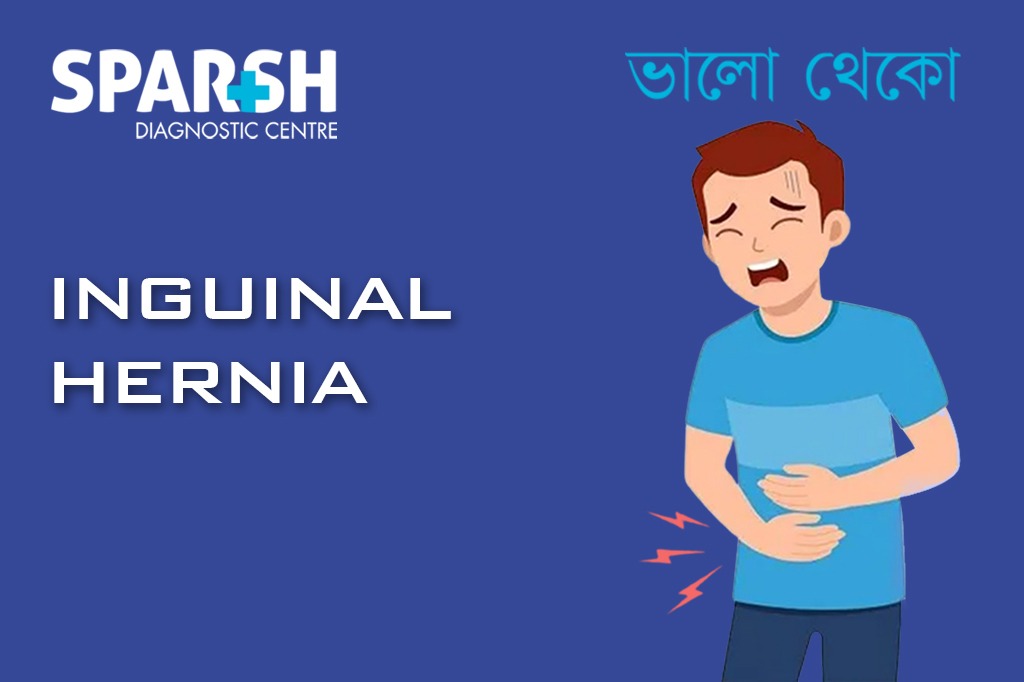
What Is an Inguinal Hernia?
An inguinal hernia happens when a part of your intestine or other abdominal tissue pushes through a weak area in the lower abdominal wall, near the groin. It’s one of the most common types of hernia.
There’s a natural passage in the lower abdomen called the inguinal canal. In men, this canal carries the spermatic cord; in women, it contains the round ligament of the uterus. When the surrounding muscles become weak or thin, tissue can push through this space, leading to a noticeable bulge.
Inguinal hernias are much more common in men, but they can occur at any age. They tend to be seen more frequently in older adults as muscles naturally weaken over time.
Types of Inguinal Hernia
Not all inguinal hernias are the same. Knowing the type helps doctors decide the best treatment plan.
1. Indirect Inguinal Hernia
This is the most common type. It’s often present from birth and develops when the inguinal canal doesn’t close properly during early development. In males, it may extend down into the scrotum.
2. Direct Inguinal Hernia
This type usually develops later in life. It’s caused by gradual weakening of the abdominal muscles and is more common in older adults. Unlike indirect hernias, it rarely extends into the scrotum.
3. Incarcerated Hernia
Sometimes the protruding tissue gets stuck and cannot be pushed back into the abdomen. This is called an incarcerated hernia and requires prompt medical attention.
4. Strangulated Hernia
This is a serious and potentially life-threatening complication. The trapped tissue loses its blood supply, which can lead to tissue damage. Emergency surgery is required in this situation.
What Causes an Inguinal Hernia?
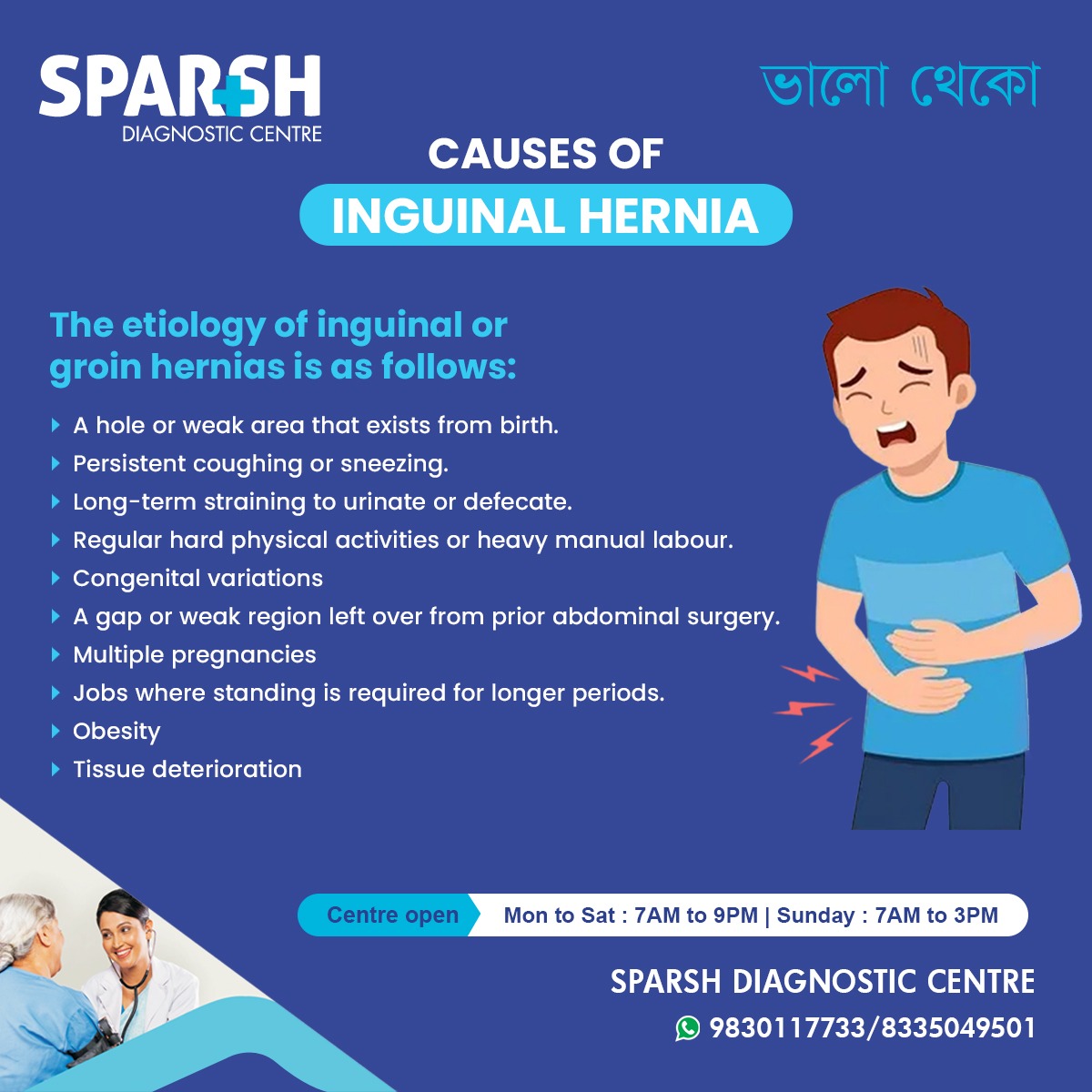
Inguinal hernias usually develop due to a combination of muscle weakness and increased pressure inside the abdomen. Some people are born with a natural weakness, while others develop it over time.
Common causes and risk factors include:
Weak abdominal muscles
Congenital (birth-related) defects
Chronic coughing, especially in smokers or people with lung disease
Ongoing constipation and straining
Frequent heavy lifting
Previous abdominal surgery
Age-related muscle weakening
In most cases, it’s not just one factor, but a mix of strain and weakness that leads to a hernia.
Symptoms of an Inguinal Hernia
Symptoms can vary. Some hernias are small and painless, while others cause noticeable discomfort.
Common Symptoms
A visible or noticeable bulge in the groin or scrotum
Pain or discomfort, especially when coughing, bending, or lifting
A burning or aching sensation in the groin
A feeling of heaviness or pressure
Weakness in the groin area
The bulge may become more obvious when standing or straining and may disappear when lying down.
Warning Signs of Complications
If the hernia becomes incarcerated or strangulated, symptoms can become severe and may include:
Sudden, intense pain
Red, purple, or dark discoloration over the bulge
Inability to pass gas or have a bowel movement
These signs require immediate medical attention.
Who Is Most at Risk?
Certain people are more likely to develop an inguinal hernia:
Premature babies
People with a family history of hernias
Individuals with chronic cough or constipation
Those who do heavy manual work
Older adults
Genetic factors and connective tissue disorders can also increase the risk.
How Is an Inguinal Hernia Diagnosed?
In most cases, diagnosing an inguinal hernia is straightforward.
Physical Examination
Your doctor will examine the groin area, usually while you’re standing. You may be asked to cough, as this increases abdominal pressure and makes the hernia more noticeable.
Imaging Tests
If the diagnosis isn’t clear, imaging tests may be recommended, such as:
These tests help confirm the hernia and rule out other possible causes of groin pain.
Treatment Options for Inguinal Hernia
The only permanent solution for an inguinal hernia is surgery. However, treatment depends on your symptoms and overall health.
Watchful Waiting
If the hernia is small and not causing discomfort, your doctor may suggest monitoring it. This approach is more common in older adults or people who are not ideal candidates for surgery.
That said, hernias don’t heal on their own. Over time, they may grow larger or cause complications.
Surgical Treatment
Surgery is generally recommended if the hernia:
Causes pain or discomfort
Is increasing in size
Becomes incarcerated or strangulated
There are two main surgical approaches.
1. Open Hernia Repair
In this traditional method, the surgeon makes a single incision in the groin, pushes the protruding tissue back into place, and strengthens the abdominal wall with stitches or a mesh patch. Recovery typically takes a few weeks.
2. Laparoscopic Hernia Repair
This is a minimally invasive procedure. Small incisions are made, and a camera-guided instrument is used to repair the hernia with mesh. Patients often experience less pain and recover more quickly.
Both methods are safe and highly effective when performed by experienced surgeons.
Recovery After Surgery
Recovery time depends on the type of surgery and your general health.
Most patients:
Go home the same day
Resume light activities within 1–2 weeks
Avoid heavy lifting for 4–6 weeks
Fully recover within 4–8 weeks
During recovery, it’s important to avoid straining, eat a balanced diet, prevent constipation, and gradually increase activity levels as advised.
Possible Complications
Hernia surgery is generally safe, but like any procedure, it carries some risks, including:
Infection
Bleeding
Recurrence of the hernia
Long-term groin pain
Rare mesh-related issues
Choosing an experienced surgeon significantly reduces these risks.
Can You Prevent an Inguinal Hernia?
You can’t prevent hernias caused by birth-related defects, but you can lower your risk by reducing strain on your abdominal muscles.
Here’s how:
Maintain a healthy weight
Use proper lifting techniques
Treat chronic cough promptly
Eat fiber-rich foods to prevent constipation
These steps help reduce abdominal pressure and protect muscle strength.
Inguinal Hernia in Women
Although less common, women can also develop inguinal hernias. Diagnosis may be more challenging because symptoms can resemble gynecological issues.
Women may experience:
Pelvic discomfort
Groin pain
Mild or subtle swelling
Early evaluation helps prevent complications.
Inguinal Hernia in Children
In children, inguinal hernias are usually present from birth. Parents may notice:
Swelling in the groin
A bulge that appears when the child cries
Surgical repair is recommended to prevent complications like incarceration.
When Should You See a Doctor?
You should consult a doctor if you notice:
A persistent bulge in the groin
Increasing discomfort or pain
Sudden severe abdominal pain
Vomiting along with groin swelling
Early treatment reduces the risk of emergency situations.
Living with an Inguinal Hernia
If surgery is postponed, your doctor may recommend:
Wearing supportive garments
Avoiding heavy lifting
Monitoring for changes in size or pain
Regular follow-ups
However, surgery remains the only permanent treatment option.
Frequently Asked Questions (FAQs)
1. Is an inguinal hernia dangerous?
Most uncomplicated hernias aren’t immediately dangerous. However, if they become strangulated, they turn into a medical emergency.
2. Can an inguinal hernia heal on its own?
No. It will not go away without surgery.
3. How can I tell if my hernia is strangulated?
Severe pain, nausea, vomiting, fever, or a discolored bulge are warning signs. Seek emergency care immediately.
4. How long does hernia surgery take?
It usually takes between 30 minutes and 2 hours, depending on the complexity.
5. Is hernia surgery very painful?
Some discomfort is normal, but pain is manageable with medication. Minimally invasive surgery often results in less pain.
6. What are the chances of recurrence?
Recurrence rates are low, typically between 1–5%, especially when mesh repair is used.
7. Can I exercise if I have an inguinal hernia?
Light activity may be fine, but avoid heavy lifting or intense workouts until you’ve been treated.
8. Why is it more common in men?
Men are more prone due to anatomical differences in the inguinal canal.
9. What happens if I ignore it?
The hernia may grow larger and increase the risk of serious complications.
10. When can I return to work after surgery?
Most people with desk jobs return within 1–2 weeks. Physically demanding jobs may require 4–6 weeks of recovery.
Key Takeaways
Inguinal hernia is a common condition caused by weakness in the abdominal wall.
It often appears as a bulge in the groin and may cause pain or discomfort.
Surgery is the only permanent solution.
Early diagnosis helps prevent complications.
Healthy lifestyle habits can reduce your risk.
If you think you may have an inguinal hernia, don’t ignore it. A timely consultation with a surgeon can help you avoid serious complications and get the right treatment.
To consult a General Surgeon at Sparsh Diagnostic Centre, call our helpline number 9830117733.
#BhaloTheko
Disclaimer:
No content on this site, regardless of date, should ever be used as a substitute for direct medical advice from your doctor or other qualified clinician.

Sparsh Diagnostic Centre Doctor List