

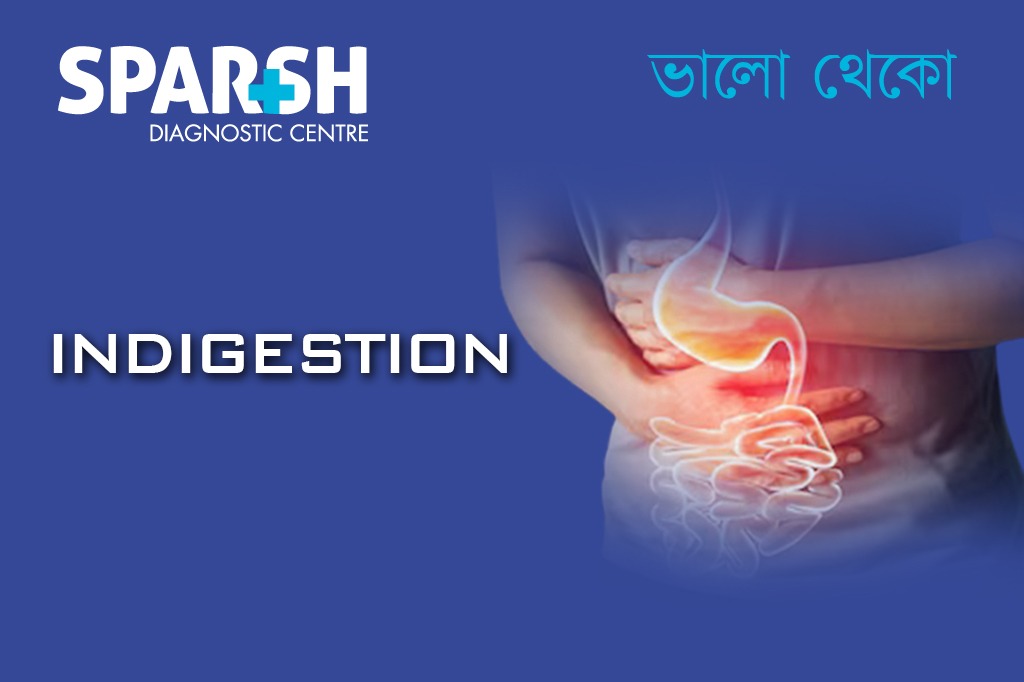
Indigestion, medically known as dyspepsia, is one of the most common digestive complaints affecting people of all ages. Almost everyone experiences indigestion at some point in life—whether after a heavy meal, eating too quickly, or due to stress. While occasional indigestion is usually harmless, frequent or persistent indigestion may indicate an underlying digestive disorder that requires medical attention.
In this comprehensive guide, we’ll explore what indigestion is, its causes, symptoms, diagnosis, treatment options, lifestyle modifications, and when to see a doctor.
What Is Indigestion?
Dyspepsia is a group of symptoms related to discomfort in the upper abdomen, typically occurring during or after eating. It is not a disease itself, but rather a sign of poor digestion or an underlying gastrointestinal issue.
People experience indigestion differently. Some may feel bloated, while others complain of burning pain, nausea, or early fullness during meals.
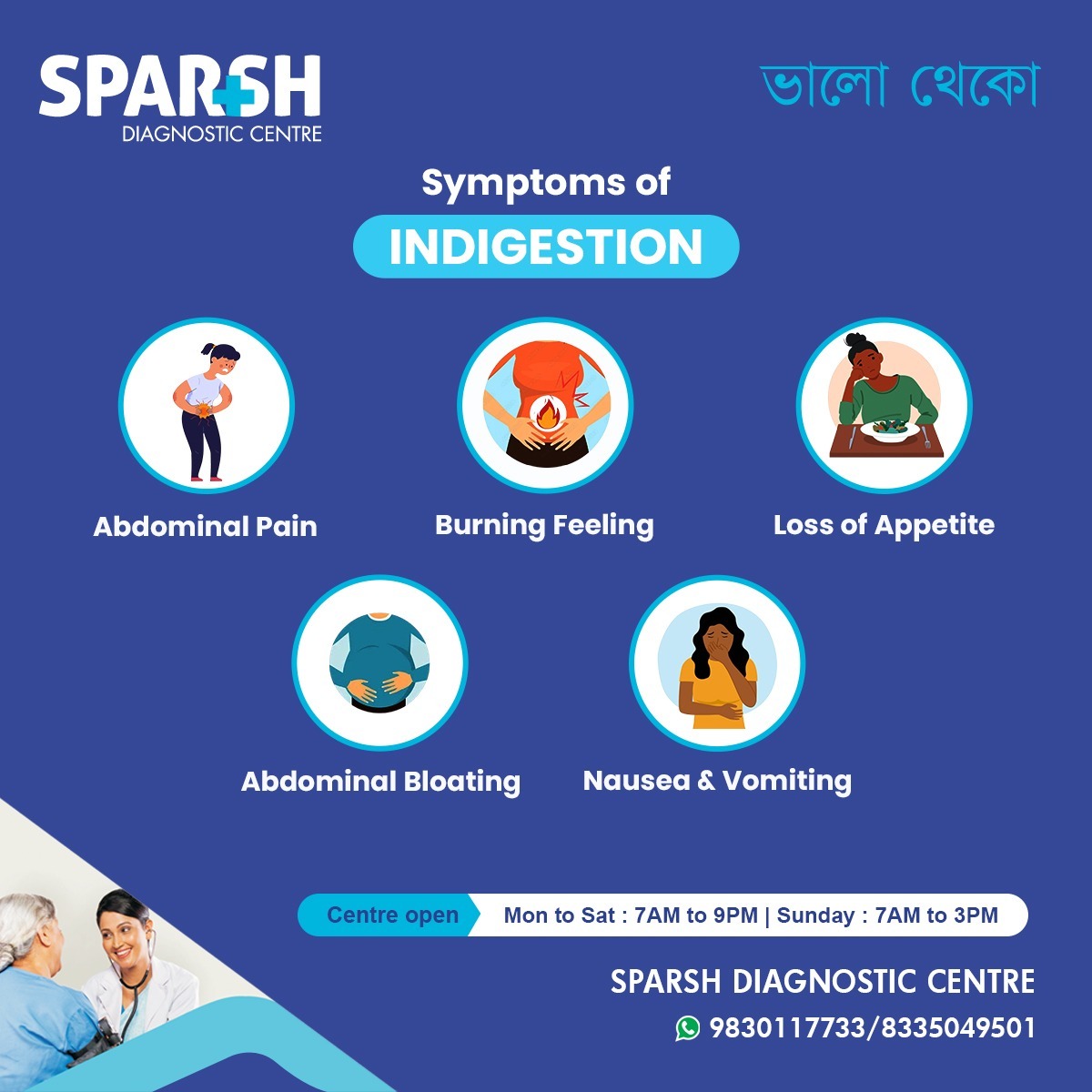
Common Symptoms of Indigestion
Dyspepsia can present with one or more of the following symptoms:
Abdominal pain or discomfort, especially in the upper abdomen
Burning sensation in the stomach or chest (heartburn)
Abdominal bloating or feeling uncomfortably full
Excessive burping or gas
Feeling full after eating only a small amount
⚠️ Warning signs such as unexplained weight loss, persistent vomiting, black stools, difficulty swallowing, or severe pain should never be ignored.
What Causes Indigestion?
Dyspepsia can result from dietary habits, lifestyle factors, medications, or medical conditions.
1. Dietary Causes
Overeating or eating too fast
Fatty, spicy, or fried foods
Excessive caffeine or carbonated drinks
Alcohol consumption
Late-night meals
2. Lifestyle Factors
3. Medications
Certain medicines can irritate the stomach lining:
Painkillers (NSAIDs like ibuprofen)
Aspirin
Iron supplements
4. Medical Conditions
Chronic or recurrent indigestion may be linked to:
Gallbladder disease
Pancreatic disorders
Functional dyspepsia (indigestion without a clear cause)
Types of Indigestion
1. Functional Dyspepsia
No identifiable structural abnormality is found despite persistent symptoms. It is often related to gut sensitivity or stress.
2. Organic Dyspepsia
Occurs due to an identifiable cause such as ulcers, infections, or reflux disease.
How Is Indigestion Diagnosed?
For mild and occasional dyspepsia, medical testing may not be necessary. However, persistent or severe symptoms warrant diagnostic evaluation.
Diagnostic Tests May Include:
Blood tests – to detect infection, inflammation, or anemia
Stool tests – to check for infections or bleeding
Ultrasound abdomen – to assess liver, gallbladder, and pancreas
Upper GI endoscopy – to examine the stomach and esophagus
H. pylori testing – breath test, blood test, or biopsy
Early diagnosis helps rule out serious conditions and ensures timely treatment.
Treatment Options for Indigestion
Treatment depends on the cause, severity, and frequency of symptoms.
1. Medications
Doctors may prescribe:
Antacids – neutralize stomach acid
H2 blockers – reduce acid production
Proton pump inhibitors (PPIs) – for acid-related disorders
Prokinetic agents – improve stomach emptying
Antibiotics – if H. pylori infection is present
⚠️ Avoid self-medication for prolonged periods without consulting a healthcare professional.
2. Lifestyle & Dietary Changes
Simple changes can significantly improve indigestion symptoms:
Eat small, frequent meals
Chew food slowly and thoroughly
Avoid lying down immediately after eating
Limit spicy, fatty, and acidic foods
Reduce caffeine and alcohol intake
Maintain a healthy weight
Manage stress through yoga, meditation, or exercise
3. Home Remedies
While not a substitute for medical care, some people find relief with:
Ginger tea
Fennel seeds
Warm water after meals
Probiotics (after consulting a doctor)
Indigestion vs Heartburn: What’s the Difference?
Although often used interchangeably, they are not the same:
| Indigestion | Heartburn |
|---|---|
| Upper abdominal discomfort | Burning sensation in chest |
| Occurs after eating | Caused by acid reflux |
| May include bloating, nausea | Often worsens when lying down |
Heartburn is one symptom of indigestion, but not all indigestion involves heartburn.
Who Is at Risk of Indigestion?
People at higher risk include:
Individuals with unhealthy eating habits
Smokers and alcohol consumers
People under chronic stress
Those taking long-term medications
Individuals with existing digestive disorders
When Should You See a Doctor?
Seek medical advice if indigestion:
Persists for more than two weeks
Occurs frequently or worsens
Is accompanied by weight loss
Causes severe pain or vomiting
Leads to black stools or difficulty swallowing
Early evaluation can prevent complications and rule out serious illnesses.
Preventing Indigestion
Prevention focuses on long-term digestive health:
Maintain regular meal timings
Avoid trigger foods
Schedule routine health check-ups
Frequently Asked Questions (FAQs)
1. Is dyspepsia a serious condition?
Occasional indigestion is usually harmless, but chronic indigestion may indicate an underlying digestive disorder and should be evaluated.
2. Can stress cause dyspepsia?
Yes. Stress and anxiety can interfere with digestion and worsen symptoms.
3. How long does dyspepsia last?
Mild indigestion may resolve within hours, while chronic indigestion can last weeks or longer without treatment.
4. What foods trigger dyspepsia?
Spicy foods, fatty meals, caffeine, alcohol, carbonated drinks, and processed foods commonly trigger symptoms.
5. Can dyspepsia be cured permanently?
Yes, if the underlying cause is identified and treated appropriately along with lifestyle changes.
6. Is dyspepsia related to acid reflux?
Yes. Acid reflux is one of the common causes of indigestion, but not the only one.
7. Should I get tests done for dyspepsia?
If symptoms are frequent, severe, or persistent, diagnostic tests are recommended.
Indigestion is a common but often underestimated digestive complaint. While occasional discomfort is normal, persistent indigestion should never be ignored. Understanding the causes, recognizing warning signs, and seeking timely diagnosis can significantly improve quality of life and prevent serious complications.
Healthy eating habits, stress management, and professional medical evaluation form the cornerstone of effective indigestion management.
To consult a Gastroenterologist at Sparsh Diagnostic Centre, call our helpline number 9830117733.
#BhaloTheko
Disclaimer:
No content on this site, regardless of date, should ever be used as a substitute for direct medical advice from your doctor or other qualified clinician.
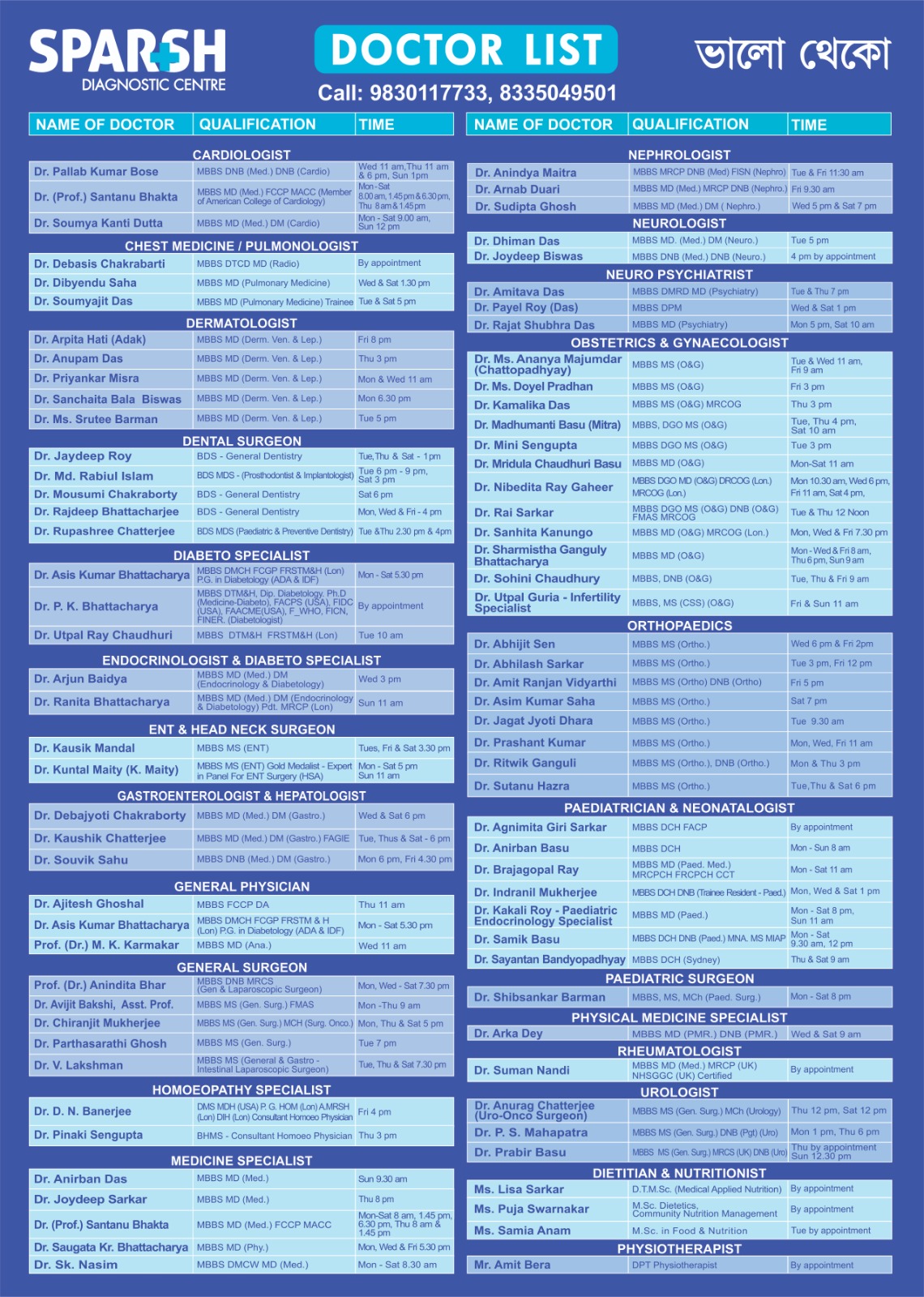
Sparsh Diagnostic Centre Doctor List


[…] to severe, debilitating pain. While abdominal pain is often related to minor issues such as indigestion or gas, it can also be a symptom of more serious conditions that require medical attention. […]
[…] suppressed. Chronic activation of this response can lead to gastrointestinal issues like indigestion, irritable bowel syndrome (IBS), or […]