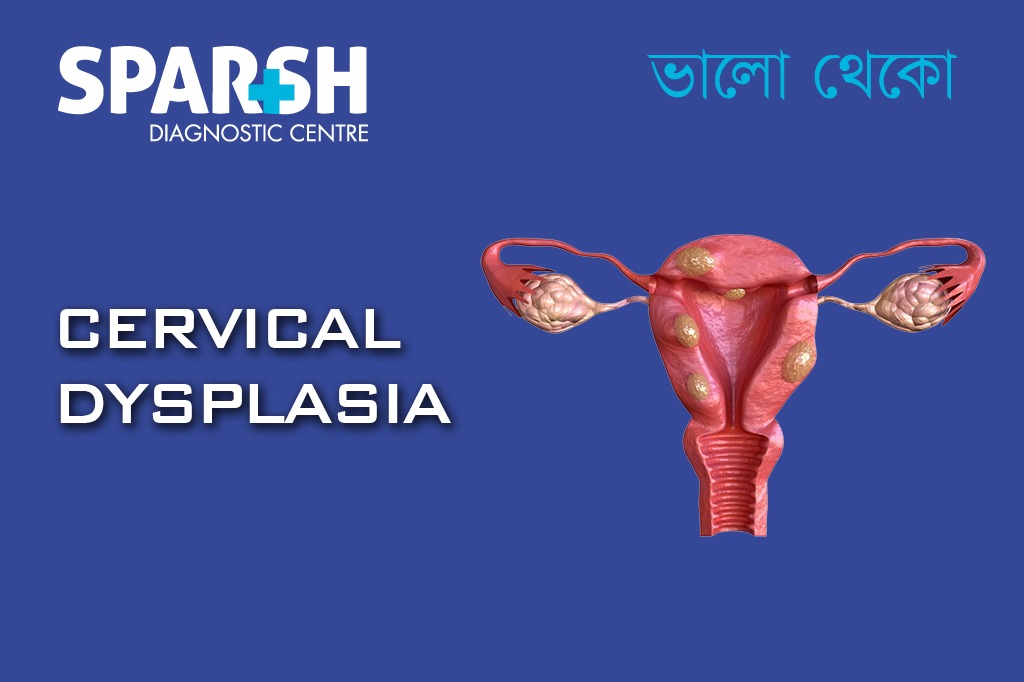
Cervical health is a crucial aspect of women’s well-being. One of the most significant yet lesser-known conditions affecting the cervix is cervical dysplasia. This condition refers to the abnormal growth of cells on the lining of the cervix — the lower part of the uterus that opens into the vagina.
While cervical dysplasia itself is not cancer, it is considered a precancerous condition, meaning if left untreated, it can gradually develop into cervical cancer over time. The good news is that cervical dysplasia can be detected early through regular screening tests such as the Pap smear and HPV testing.
In this blog, we will cover in detail:
What cervical dysplasia is
Causes and risk factors
Signs and symptoms
How it is classified
Diagnostic tests
Treatment options
Prevention and lifestyle tips
Frequently asked questions (FAQ)
What is Cervical Dysplasia?
Cervical dysplasia is the presence of abnormal cells on the surface of the cervix. These abnormal cells are usually caused by persistent infection with high-risk types of human papillomavirus (HPV).
HPV is a common sexually transmitted infection (STI). While most HPV infections clear on their own, some persist and may cause changes in cervical cells. Over time, if these abnormal cells are not detected or treated, they may progress into cervical cancer.

Causes of Cervical Dysplasia
The primary cause of cervical dysplasia is infection with high-risk HPV types, particularly HPV 16 and HPV 18. However, not all women infected with HPV will develop cervical dysplasia. Other contributing factors increase the risk.
Major Causes and Risk Factors:
Human Papillomavirus (HPV) Infection
Persistent infection with high-risk strains is the leading cause.
Early Onset of Sexual Activity
Increases exposure to HPV at a younger age.
Multiple Sexual Partners
Increases risk of contracting HPV and other sexually transmitted infections.
Weakened Immune System
Chemicals in tobacco may damage cervical cells and promote abnormal growth.
Long-Term Oral Contraceptive Use
Extended use may slightly increase risk.
Other Infections
Such as herpes simplex virus (HSV) and chlamydia.
Family History of Cervical Cancer
Genetic predisposition can play a role.
Symptoms of Cervical Dysplasia
Cervical dysplasia typically does not cause noticeable symptoms. This is why regular screening is crucial.
In rare cases where symptoms may occur, they include:
Abnormal vaginal bleeding (after intercourse, between periods, or after menopause)
Unusual vaginal discharge
Pain during sexual intercourse
Pelvic pain
Because these symptoms often overlap with other gynecological conditions, professional screening is the only reliable way to detect cervical dysplasia.
Classification of Cervical Dysplasia
Doctors classify cervical dysplasia based on the severity of abnormal cell changes. This is also known as Cervical Intraepithelial Neoplasia (CIN).
Low-Grade Dysplasia (CIN 1)
Mild changes in cervical cells.
Often caused by transient HPV infections.
May clear on its own without treatment.
High-Grade Dysplasia (CIN 2 & CIN 3)
More severe cellular abnormalities.
Higher risk of progressing to cervical cancer if untreated.
CIN 2: Moderate dysplasia.
CIN 3: Severe dysplasia or carcinoma in situ (early-stage cancer).
Diagnosis of Cervical Dysplasia
Since cervical dysplasia rarely causes symptoms, screening tests play a vital role.
Common Diagnostic Methods:
Detects abnormal cervical cells.
Recommended every 3 years for women aged 21–65.
HPV Testing
Identifies high-risk strains of HPV.
Often done in combination with Pap smear (co-testing).
Colposcopy
A special magnifying device used to examine the cervix more closely if Pap results are abnormal.
Biopsy
Small tissue sample taken from the cervix for laboratory examination.
Endocervical Curettage (ECC)
Used to scrape cells from inside the cervical canal for testing.
Treatment of Cervical Dysplasia
Treatment depends on the severity of dysplasia, the woman’s age, overall health, and whether she wishes to preserve fertility.
Treatment Options:
Observation (Watchful Waiting)
For CIN 1, many cases resolve naturally.
Regular Pap smears and HPV testing are recommended.
Cryotherapy
Freezing abnormal cells with liquid nitrogen.
Laser Therapy
Destroys abnormal cervical tissue using a focused laser beam.
Loop Electrosurgical Excision Procedure (LEEP)
Uses an electrical wire loop to remove abnormal cells.
Cone Biopsy (Conization)
Surgical removal of a cone-shaped section of abnormal cervical tissue.
Hysterectomy
In rare, severe cases where dysplasia recurs and fertility is not a concern.
Complications if Left Untreated
Progression to cervical cancer (over several years).
Increased risk of invasive cancer.
Fertility issues depending on treatment method.
Prevention of Cervical Dysplasia
The good news is that cervical dysplasia can often be prevented.
Key Preventive Steps:
HPV Vaccination
Protects against the most common high-risk HPV strains.
Recommended for preteens, adolescents, and young adults.
Regular Screening (Pap & HPV Tests)
Detects abnormalities early before progression.
Safe Sexual Practices
Using condoms and limiting the number of partners.
Improves cervical cell health and reduces risk.
Boost Immune Health
Maintain a balanced diet, exercise regularly, and manage chronic conditions.
Lifestyle Tips for Women with Cervical Dysplasia
Follow up regularly with your gynecologist.
Avoid smoking and secondhand smoke.
Eat antioxidant-rich foods (fruits, vegetables, green tea).
Manage stress with yoga or meditation.
Complete prescribed treatment and attend follow-up screenings.
When to See a Doctor
You should consult a gynecologist if you experience:
Unusual vaginal bleeding or discharge.
Pelvic pain or pain during intercourse.
Abnormal Pap smear or HPV test results.
Cervical dysplasia is a precancerous condition caused primarily by high-risk HPV infections. While it rarely produces symptoms, it can lead to cervical cancer if left undetected. Fortunately, with regular screening, HPV vaccination, and timely treatment, the risk of progression is significantly reduced.
At Sparsh Diagnostic Centre, we provide advanced diagnostic services, including Pap smear, HPV testing, and colposcopy, to ensure early detection and effective management of cervical dysplasia. Prioritize your cervical health today — because early detection saves lives.
FAQ Section
Q1. Is cervical dysplasia cancer?
No. Cervical dysplasia is not cancer, but it is considered a precancerous condition. If untreated, it may progress to cervical cancer over time.
Q2. What causes cervical dysplasia?
The main cause is persistent infection with high-risk strains of HPV. Other risk factors include smoking, weak immunity, and multiple sexual partners.
Q3. Can cervical dysplasia go away on its own?
Yes. In mild cases (CIN 1), cervical dysplasia may resolve naturally as the immune system clears HPV. Regular monitoring is essential.
Q4. How is cervical dysplasia diagnosed?
It is detected through Pap smear, HPV testing, colposcopy, and cervical biopsy.
Q5. What is the treatment for cervical dysplasia?
Treatment options include cryotherapy, LEEP, laser therapy, cone biopsy, or observation, depending on severity.
Q6. Can I still have children after cervical dysplasia treatment?
Yes. Most treatments do not affect fertility, but procedures like cone biopsy or hysterectomy may impact future pregnancies. Discuss options with your doctor.
Q7. How can cervical dysplasia be prevented?
HPV vaccination, safe sexual practices, regular screening, and avoiding smoking can reduce the risk significantly.
Q8. How often should women get screened?
Women aged 21–29 should have a Pap test every 3 years. Women aged 30–65 can have a Pap test every 3 years, or Pap + HPV co-testing every 5 years.
#BhaloTheko
Disclaimer:
No content on this site, regardless of date, should ever be used as a substitute for direct medical advice from your doctor or other qualified clinician.