Experiencing unexplained episodes of dizziness, sweating, confusion, or fainting—especially when you haven’t eaten for a few hours—can be alarming. While these symptoms are commonly attributed to low blood sugar caused by diabetes medication, they can sometimes point to a rare condition known as insulinoma.
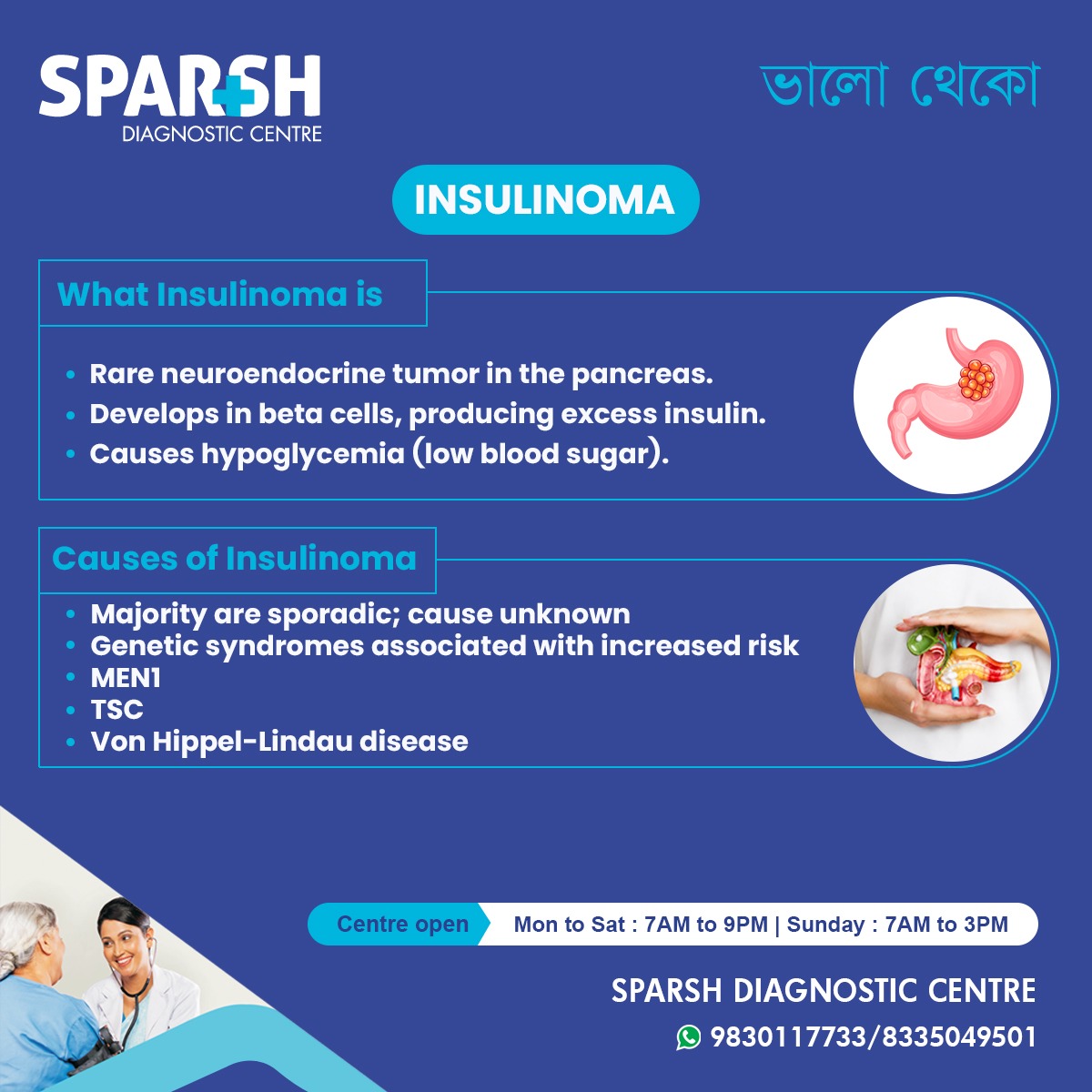
An insulinoma is a rare neuroendocrine tumour that develops in the insulin-producing beta cells of the pancreas. Unlike normal pancreatic cells, these tumours continue releasing insulin even when blood sugar levels are already low. This excessive insulin production causes repeated episodes of hypoglycemia (low blood glucose), which can affect the brain, heart, and overall health if left untreated.
The good news is that most insulinomas are benign, highly treatable, and often curable with surgery. Early diagnosis plays a vital role in preventing complications and restoring a normal quality of life.
This guide explains everything you need to know about insulinoma—from its causes and symptoms to diagnosis, treatment, recovery, and frequently asked questions.
What Is an Insulinoma?
An insulinoma is a small neuroendocrine tumour of the pancreas that originates from the beta cells responsible for producing insulin.
Normally, insulin is released only when blood glucose rises after eating. In insulinoma, however, the tumour secretes insulin continuously or unpredictably, causing blood sugar to fall below normal levels.
Some important facts include:
- Insulinoma is extremely rare, affecting approximately 1 to 4 people per million annually.
- Most tumours measure less than 2 cm.
- Around 90% are benign.
- Most patients have only a single tumour.
- The majority occur in adults between 40 and 60 years of age, although they can develop at any age.
What Causes Insulinoma?
The exact cause remains unknown in most patients.
Approximately 90% of insulinomas occur sporadically, meaning they develop without any identifiable inherited cause.
However, some people have a higher risk because of inherited genetic disorders, including:
- Multiple Endocrine Neoplasia Type 1 (MEN1)
- Tuberous Sclerosis Complex (TSC)
- Von Hippel-Lindau (VHL) disease
These conditions increase the likelihood of developing endocrine tumours, including insulinomas.
Risk Factors
Although insulinoma is rare, certain factors may increase risk:
- Family history of MEN1
- Genetic endocrine syndromes
- Middle adulthood
- Previous endocrine tumours
There are currently no known lifestyle factors proven to cause insulinoma.
How Does Insulinoma Affect the Body?
The tumour continues producing insulin even when blood glucose is already low.
Excess insulin:
- Moves glucose from the bloodstream into body tissues
- Prevents the liver from releasing stored glucose
- Reduces the body’s ability to produce alternative energy sources like ketones
Since the brain depends heavily on glucose for energy, prolonged hypoglycemia affects brain function first.
What Are the Signs and Symptoms of Insulinoma?
The symptoms of insulinoma are primarily caused by repeated episodes of hypoglycemia.
Common Symptoms
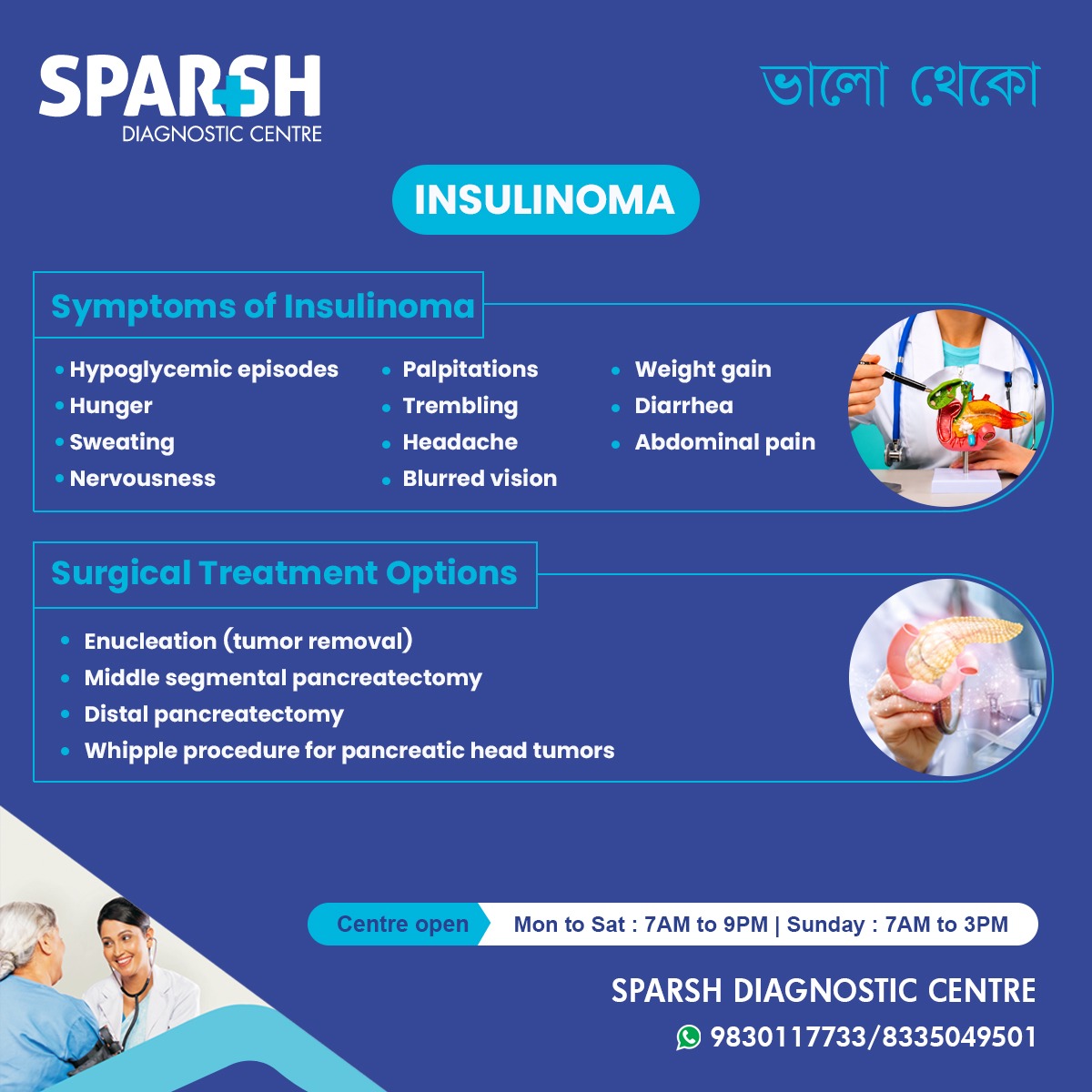
Patients may experience:
- Recurrent low blood sugar
- Hunger
- Excessive sweating
- Trembling or shaking
- Palpitations
- Nervousness or anxiety
- Headaches
- Blurred vision
- Difficulty concentrating
- Weakness
- Dizziness
- Fatigue
- Confusion
Severe Symptoms
When blood sugar drops significantly, symptoms may include:
- Personality changes
- Slurred speech
- Seizures
- Loss of consciousness
- Fainting
- Coma (rare)
Less Common Symptoms
Some people may also develop:
- Weight gain due to frequent eating to prevent symptoms
- Abdominal discomfort
- Diarrhea (uncommon)
Symptoms often improve quickly after consuming sugary foods or drinks.
Whipple’s Triad: The Classic Sign of Insulinoma
One of the most important diagnostic clues is Whipple’s Triad, which consists of three findings:
- Symptoms consistent with hypoglycemia
- Documented low blood glucose during the symptoms
- Relief of symptoms after blood glucose is corrected
Whipple’s Triad strongly suggests that excessive insulin production is responsible for the symptoms.
When Should You See a Doctor?
Seek medical attention if you experience:
- Frequent unexplained episodes of low blood sugar
- Blackouts or fainting
- Seizures without a known cause
- Confusion during fasting
- Repeated symptoms relieved by eating
- Persistent dizziness accompanied by sweating
Early evaluation helps prevent potentially serious complications.
How Is Insulinoma Diagnosed?
Diagnosing insulinoma involves confirming inappropriate insulin production during hypoglycemia and locating the tumour.
Medical History and Examination
Your doctor will ask about:
- Frequency of symptoms
- Timing in relation to meals
- Family history
- Medication use
- Weight changes
What Is the First Test for Insulinoma?
The 72-hour supervised fasting test is considered the gold standard and is usually the first definitive diagnostic test.
During this hospital-based test:
- The patient fasts under close supervision.
- Blood glucose is monitored regularly.
- Blood samples are collected when symptoms develop or glucose falls.
Most patients with insulinoma develop hypoglycemia within the first 48 hours of fasting.
Blood Tests Used to Diagnose Insulinoma
Doctors measure several markers during hypoglycemia.
Key Laboratory Tests
These include:
- Blood glucose
- Insulin
- C-peptide
- Proinsulin
- Beta-hydroxybutyrate
- Sulfonylurea screen
The results help distinguish insulinoma from medication-induced hypoglycaemia.
What Insulin Levels Indicate Insulinoma?
Although values may vary slightly between laboratories, insulinoma is suspected when hypoglycaemia occurs alongside:
- Plasma glucose below 55 mg/dL (3.0 mmol/L)
- Insulin 3 µU/mL or higher
- Elevated C-peptide
- Elevated proinsulin
- Suppressed ketone production
- Negative sulfonylurea screen
Doctors interpret these results together rather than relying on insulin levels alone.
What Is the HbA1c for Insulinoma?
Many patients with insulinoma have a normal or lower-than-normal HbA1c.
Because they experience repeated episodes of low blood sugar rather than high blood sugar, HbA1c is not used to diagnose insulinoma.
Instead, HbA1c mainly helps exclude diabetes or evaluate overall glucose control.
Imaging Tests for Insulinoma
Once laboratory tests confirm insulinoma, imaging helps locate the tumour.
Common imaging methods include:
- Contrast-enhanced CT scan
- MRI
- Endoscopic ultrasound (EUS)
- PET scan using specialised tracers
- Selective arterial calcium stimulation test (in difficult cases)
Modern imaging techniques successfully identify most insulinomas before surgery.
Treatment of Insulinoma
Treatment depends on:
- Tumour size
- Tumour location
- Whether the tumour is benign or malignant
- Overall patient health
What Is the Best Treatment for Insulinoma?
Surgical removal is considered the best and most effective treatment.
Surgery cures most patients with benign insulinomas.
Surgical Options
Depending on tumour location, surgeons may perform:
Enucleation
The tumour alone is removed while preserving the surrounding pancreas.
Suitable for:
- Small tumours
- Benign lesions
- Tumours away from the pancreatic duct
Distal Pancreatectomy
Performed when the tumour is located in the body or tail of the pancreas.
Central (Middle Segmental) Pancreatectomy
Used for selected tumours located in the middle portion of the pancreas.
Whipple Procedure
Recommended for larger tumours involving the pancreatic head.
Non-Surgical Treatment
If surgery isn’t possible or the tumour has spread, treatment may include:
- Diazoxide to reduce insulin secretion
- Somatostatin analogues
- Everolimus
- Chemotherapy (for advanced disease)
- Targeted therapies
- Radiofrequency ablation in selected cases
Dietary adjustments with frequent small meals may also help control symptoms before definitive treatment.
Is Insulinoma Benign or Malignant?
Most insulinomas are benign.
Approximately:
- 90% are benign
- 10% are malignant
Malignant insulinomas are defined by their ability to spread (metastasise), most commonly to the liver or lymph nodes.
Fortunately, even malignant insulinomas often respond well to treatment.
Is Insulinoma Life-Threatening?
The tumour itself is usually not immediately life-threatening.
However, untreated hypoglycaemia can become dangerous.
Severe low blood sugar may cause:
- Accidents
- Seizures
- Permanent neurological injury
- Cardiac rhythm abnormalities
- Rarely, death
With timely diagnosis and treatment, the outlook is generally excellent.
Recovery After Surgery
Most patients experience immediate improvement after surgery.
Recovery typically includes:
- Monitoring blood sugar levels
- Pain management
- Gradual return to normal eating
- Follow-up imaging when required
Most individuals return to normal daily activities within several weeks, depending on the type of surgery performed.
Possible Complications
Potential complications include:
- Pancreatic fistula
- Bleeding
- Infection
- Temporary diabetes
- Digestive enzyme insufficiency
- Tumour recurrence (rare after complete removal)
Regular follow-up helps detect any recurrence early.
Prognosis
The long-term outlook for insulinoma is excellent.
For benign insulinomas:
- Cure rates exceed 90%
- Symptoms usually disappear completely after surgery
- Recurrence is uncommon
Patients with malignant insulinoma often benefit from surgery and newer targeted therapies that can significantly improve survival and quality of life.
Can Insulinoma Be Prevented?
Currently, there is no known way to prevent insulinoma.
Individuals with inherited conditions such as MEN1 should undergo regular medical screening to detect endocrine tumours early.
Living With Insulinoma
Before treatment:
- Eat small, frequent meals.
- Carry a quick source of glucose.
- Avoid prolonged fasting.
- Wear a medical alert bracelet if severe hypoglycaemia has occurred.
- Inform family members about recognising low blood sugar symptoms.
After successful surgery, most people can resume their normal lifestyle without ongoing dietary restrictions.
Frequently Asked Questions (FAQs)
1. What are the signs and symptoms of insulinoma?
Common symptoms include recurrent hypoglycemia, sweating, hunger, trembling, palpitations, blurred vision, headaches, confusion, dizziness, weakness, anxiety, and, in severe cases, seizures or loss of consciousness.
2. What is the triad of insulinomas?
The classic Whipple’s Triad includes:
- Symptoms of hypoglycemia
- Low blood glucose measured during symptoms
- Symptoms that resolve after glucose is given
3. Is insulinoma life threatening?
It can be if left untreated because severe hypoglycaemia may lead to seizures, accidents, coma, or, rarely, death. Most patients recover well with prompt treatment.
4. Is insulinoma benign or malignant?
Around 90% of insulinomas are benign, while about 10% are malignant and capable of spreading to other organs.
5. What is the best treatment for insulinoma?
Surgical removal of the tumour is the preferred treatment and offers the highest chance of a permanent cure for benign insulinoma.
6. What insulin levels indicate insulinoma?
During documented hypoglycemia, insulin levels of 3 µU/mL or higher, along with elevated C-peptide and proinsulin levels, strongly suggest insulinoma when interpreted alongside other laboratory findings.
7. What is the first test for insulinoma?
The 72-hour supervised fasting test is the gold standard for confirming inappropriate insulin secretion.
8. What is the HbA1c for insulinoma?
HbA1c is usually normal or slightly low because insulinoma causes recurrent low blood sugar rather than chronic high blood sugar. It is not used to diagnose the condition.
9. Can insulinoma return after surgery?
Recurrence is uncommon after complete removal of a benign tumour but may occur in people with MEN1 syndrome or malignant insulinoma.
10. How common is insulinoma?
It is a very rare tumour, affecting approximately 1 to 4 people per million people each year.
Final Thoughts
Although insulinoma is uncommon, recognising the symptoms of recurrent low blood sugar can lead to early diagnosis and successful treatment. Most insulinomas are benign, and surgical removal offers an excellent chance of cure. If you or someone you know experiences repeated episodes of unexplained hypoglycemia, especially when fasting or between meals, seeking prompt medical evaluation is essential. Early diagnosis not only prevents serious complications but also allows most patients to return to a healthy, active life.
To consult a Doctor or get full body check-up done at Sparsh Diagnostic Centre, call our helpline numbers 9830117733/ 8335049501.
#BhaloTheko
Disclaimer:
No content on this site, regardless of date, should ever be used as a substitute for direct medical advice from your doctor or other qualified clinician.