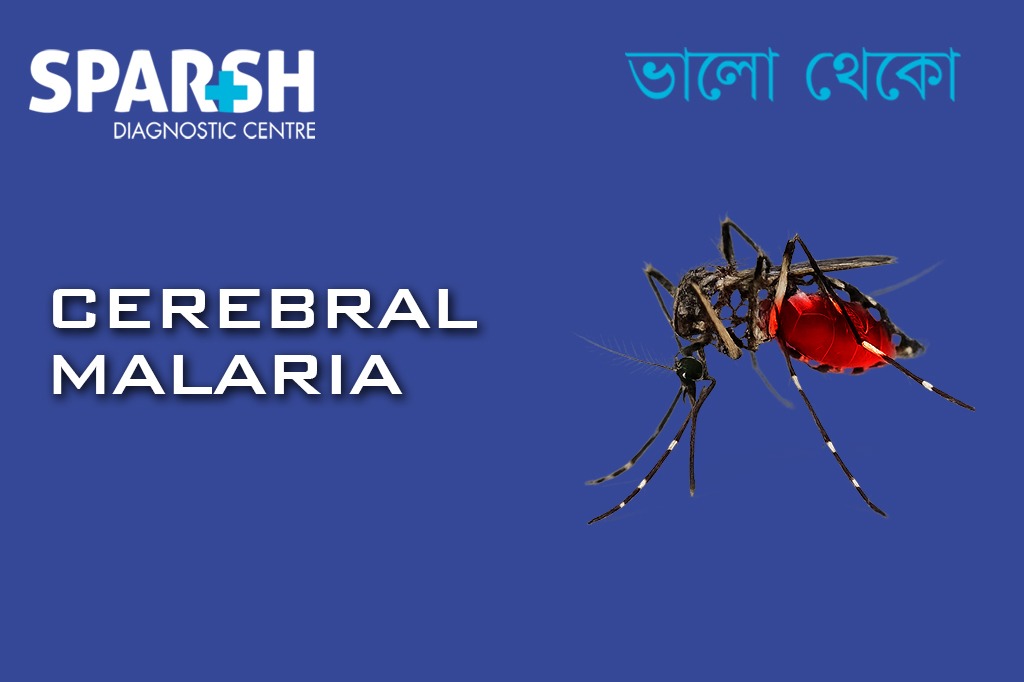
Cerebral malaria is one of the most dangerous complications of malaria and requires immediate medical attention. Unlike uncomplicated malaria, cerebral malaria affects the brain and nervous system, leading to confusion, seizures, coma, and even death if treatment is delayed. Although it is relatively uncommon, it remains a major cause of illness and mortality in malaria-endemic regions, particularly among young children and people with weakened immunity.
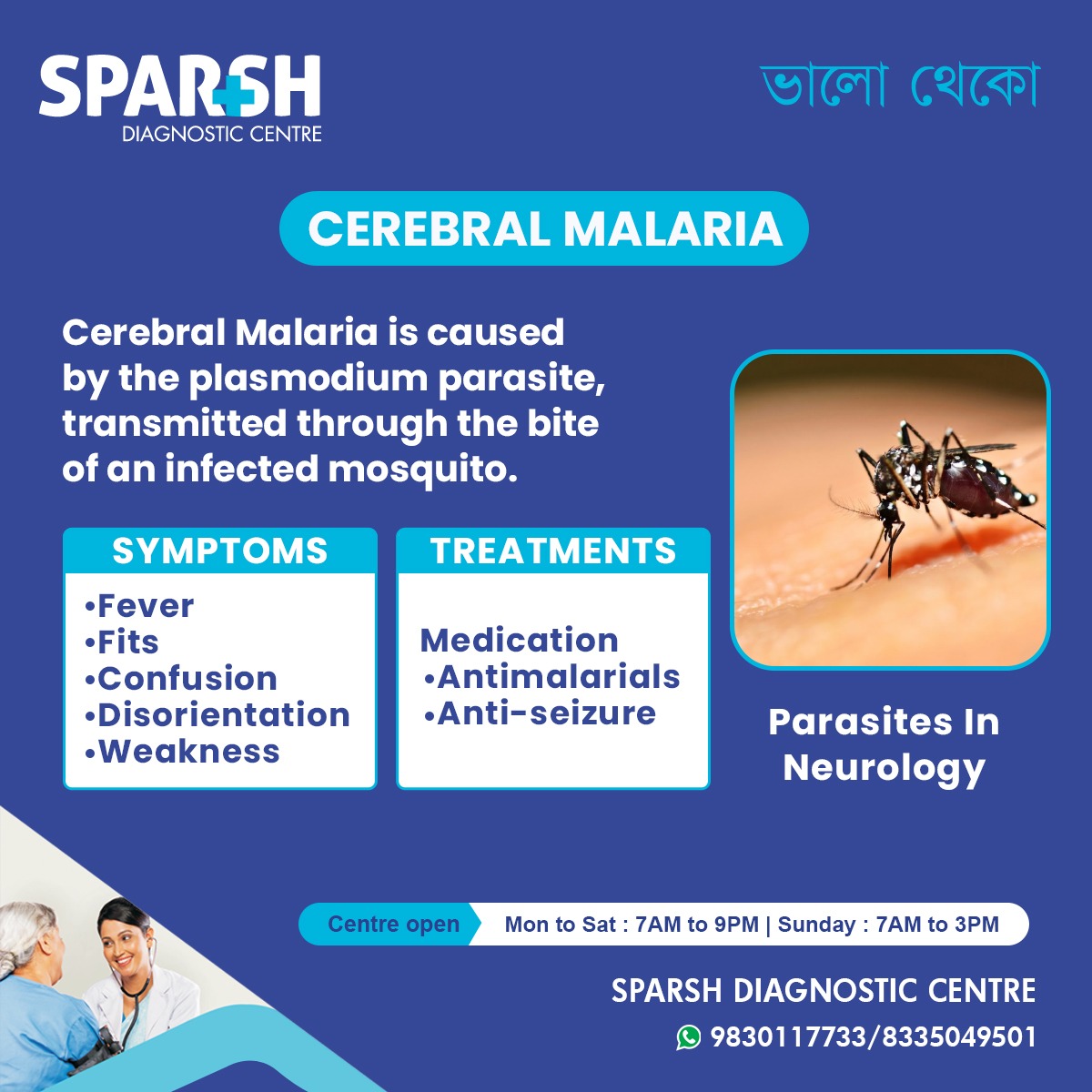
The condition is caused primarily by Plasmodium falciparum, the most severe malaria parasite transmitted through the bite of an infected female Anopheles mosquito. Prompt diagnosis and treatment can significantly improve survival rates and reduce the risk of long-term neurological complications.
In this comprehensive guide, we’ll explore the symptoms, causes, diagnosis, treatment options, recovery process, prevention strategies, and answer the most commonly asked questions about cerebral malaria.
What Is Cerebral Malaria?
It is a severe neurological complication of malaria in which infected red blood cells block tiny blood vessels in the brain. This blockage reduces oxygen supply, triggers inflammation, and disrupts normal brain function.
The condition mainly occurs due to infection with Plasmodium falciparum, although very rare cases have been associated with other malaria species.
Without emergency treatment, cerebral malaria can rapidly progress to unconsciousness, permanent brain damage, or death.
Which Organ Is Affected by Cerebral Malaria?
As the name suggests, the brain is the primary organ affected.
However, it is often a multi-organ disease, meaning it can also affect:
- Kidneys
- Liver
- Lungs
- Blood
- Heart
The brain experiences the most severe damage because infected red blood cells stick to the walls of tiny blood vessels, reducing blood flow and oxygen delivery.
What Causes Cerebral Malaria?
It develops when malaria parasites multiply rapidly in the bloodstream.
The main causes include:
- Infection with Plasmodium falciparum
- Delayed treatment of malaria
- High parasite load in the blood
- Impaired immune response
- Living in or traveling to malaria-endemic regions
After entering the bloodstream through a mosquito bite, parasites invade red blood cells. In severe cases, these infected cells become sticky and clog blood vessels in the brain.
This causes:
- Swelling
- Inflammation
- Reduced oxygen supply
- Neurological dysfunction
Who Is at Higher Risk?
Certain individuals are more likely to develop cerebral malaria.
These include:
- Children under five years
- Pregnant women
- Elderly adults
- Travelers without previous immunity
- Individuals with weakened immune systems
- People living in high-transmission malaria areas
Early recognition of symptoms is especially important in these groups.
What Are the Symptoms of Cerebral Malaria?
Symptoms usually begin like ordinary malaria but rapidly become more severe as the brain becomes involved.
Common symptoms include:
- High fever
- Severe headache
- Chills
- Repeated vomiting
- Extreme fatigue
- Confusion
- Disorientation
- Difficulty speaking
- Personality changes
- Drowsiness
- Seizures (fits)
- Loss of consciousness
- Coma
Young children may also show:
- Poor feeding
- Persistent crying
- Irritability
- Stiff body movements
- Convulsions
Any patient with malaria who develops confusion or seizures should receive emergency medical care immediately.
What Are the 7 Warning Signs of Malaria?
While malaria symptoms vary, seven warning signs should never be ignored:
- High fever
- Chills and excessive sweating
- Severe headache
- Persistent vomiting
- Extreme weakness
- Confusion or altered consciousness
- Seizures or loss of consciousness
The last two symptoms may indicate progression to cerebral malaria and require urgent hospitalization.
Can Cerebral Malaria Occur Without Fever?
Yes, although it is uncommon.
Most patients initially develop fever. However:
- Fever may subside before neurological symptoms appear.
- People who have partially treated malaria may present without fever.
- Young children and older adults sometimes show atypical symptoms.
Therefore, doctors consider cerebral malaria whenever unexplained neurological symptoms occur in someone living in or returning from a malaria-endemic region.
Is Cerebral Malaria an Emergency?
Absolutely.
Cerebral malaria is considered a medical emergency because brain injury can occur within hours.
Delayed treatment increases the risk of:
- Brain swelling
- Respiratory failure
- Kidney failure
- Permanent neurological damage
- Death
Immediate hospitalization is essential.
How Do You Confirm Cerebral Malaria?
Diagnosis involves both laboratory testing and clinical evaluation.
Doctors usually perform:
Blood Smear Microscopy
This is the gold standard.
It identifies:
- Malaria parasites
- Parasite species
- Parasite count
Rapid Diagnostic Tests (RDTs)
These detect malaria antigens within minutes.
Blood Tests
Doctors may also evaluate:
- Blood sugar
- Kidney function
- Liver function
- Electrolytes
- Complete blood count
Neurological Examination
Doctors assess:
- Level of consciousness
- Reflexes
- Eye movements
- Seizure activity
Brain Imaging
CT or MRI scans may be performed to exclude other causes of coma, although they do not diagnose malaria directly.
Lumbar Puncture
Sometimes performed to rule out meningitis or encephalitis.
A diagnosis of cerebral malaria is generally made when:
- Malaria parasites are present in the blood, and
- The patient has impaired consciousness or coma with no other obvious explanation.
How Do You Treat Cerebral Malaria?
Treatment must begin immediately in a hospital, often in an intensive care setting.
Intravenous Antimalarial Medication
The preferred treatment is:
- Intravenous artesunate
If unavailable:
- Intravenous quinine may be used.
Anti-Seizure Medicines
Patients with seizures may receive anticonvulsants.
Supportive Care
Supportive treatment may include:
- Oxygen therapy
- Intravenous fluids
- Blood sugar correction
- Blood transfusions if severe anemia develops
- Mechanical ventilation if breathing becomes difficult
Monitoring
Doctors closely monitor:
- Brain function
- Blood pressure
- Kidney function
- Fluid balance
- Electrolytes
Early treatment dramatically improves survival.
Can You Fully Recover from Cerebral Malaria?
Yes.
Many patients make a complete recovery, especially when treatment begins early.
However, recovery depends on:
- Age
- Severity of illness
- Time before treatment
- Presence of complications
Some survivors experience long-term neurological problems, including:
- Memory difficulties
- Learning disabilities
- Speech impairment
- Weakness
- Behavioral changes
- Epilepsy
Children are more likely than adults to develop lasting neurological complications.
How Long Does Cerebral Malaria Take to Heal?
Recovery varies from person to person.
Typical timelines include:
- Fever often improves within 24–48 hours after treatment.
- Consciousness may return within several days.
- Hospital stay usually lasts 5–10 days.
- Full recovery may take several weeks.
- Neurological rehabilitation may continue for months in severe cases.
Patients with permanent neurological damage may require long-term therapy.
Can Cerebral Malaria Cause Blindness?
Yes, although it is relatively uncommon.
Blindness may occur because of:
- Damage to the retina
- Swelling affecting the visual pathways
- Brain injury involving the visual cortex
Some patients experience temporary vision loss, while others may have permanent visual impairment.
Children appear to be at greater risk for visual complications.
Can Cerebral Malaria Cause Death?
Unfortunately, yes.
Cerebral malaria is one of the deadliest forms of malaria.
Without treatment, mortality rates are extremely high.
Even with modern medical care:
- Some patients develop irreversible brain injury.
- Severe complications may involve multiple organs.
- Death can occur despite intensive treatment.
Prompt diagnosis greatly improves survival.
Possible Complications
Complications may include:
- Brain swelling
- Persistent seizures
- Stroke-like symptoms
- Kidney failure
- Respiratory distress
- Severe anemia
- Shock
- Liver dysfunction
- Permanent neurological disability
- Cognitive impairment
Regular follow-up is recommended after recovery.
Is There a Vaccine for Cerebral Malaria?
Currently, there is no vaccine specifically designed to prevent cerebral malaria.
However, malaria vaccines such as RTS,S (Mosquirix) and R21/Matrix-M help reduce the risk of severe Plasmodium falciparum malaria in eligible children living in high-transmission areas. By lowering the risk of severe malaria, these vaccines may also reduce the likelihood of complications such as cerebral malaria. They do not provide complete protection, so mosquito control measures and early treatment remain essential.
Preventing Cerebral Malaria
Preventing malaria is the best way to avoid cerebral malaria.
Protect yourself by:
- Sleeping under insecticide-treated mosquito nets
- Using mosquito repellents
- Wearing long-sleeved clothing after sunset
- Eliminating stagnant water around homes
- Installing window screens
- Taking preventive antimalarial medicines when traveling to high-risk areas
- Seeking medical attention promptly if fever develops after visiting a malaria-endemic region
Early diagnosis prevents progression to severe disease.
Living After Cerebral Malaria
Recovery doesn’t always end with hospital discharge.
Some patients benefit from:
- Neurological rehabilitation
- Physical therapy
- Occupational therapy
- Speech therapy
- Psychological counseling
- Regular neurological evaluations
Children may require developmental assessments and educational support after recovery.
When Should You See a Doctor?
Seek emergency medical attention if someone with suspected or confirmed malaria develops:
- Confusion
- Repeated seizures
- Difficulty waking up
- Loss of consciousness
- Trouble breathing
- Severe weakness
- Persistent vomiting
- Inability to drink fluids
Rapid treatment can be life-saving.
Frequently Asked Questions (FAQs)
1. What are the symptoms of cerebral malaria?
Symptoms include high fever, severe headache, vomiting, confusion, seizures, disorientation, weakness, drowsiness, loss of consciousness, and coma. These symptoms require immediate medical evaluation.
2. Can you fully recover from cerebral malaria?
Yes. Many people recover completely with early treatment. However, severe cases may leave long-term neurological problems such as memory loss, epilepsy, speech difficulties, or weakness.
3. Which organ is affected by cerebral malaria?
The brain is the primary organ affected, although severe malaria may also damage the kidneys, liver, lungs, and blood.
4. How do you treat cerebral malaria?
Treatment includes intravenous antimalarial medicines (usually artesunate), seizure control, supportive intensive care, oxygen therapy, fluids, and careful monitoring in a hospital.
5. How do you confirm cerebral malaria?
Doctors confirm the diagnosis using blood smear microscopy or rapid malaria tests, along with a neurological examination. Additional blood tests and brain imaging may help rule out other conditions.
6. What are the 7 warning signs of malaria?
The seven important warning signs are:
- High fever
- Chills
- Severe headache
- Persistent vomiting
- Extreme weakness
- Confusion
- Seizures or loss of consciousness
7. Can cerebral malaria cause death?
Yes. Cerebral malaria is a life-threatening medical emergency. Without prompt treatment, it can lead to brain damage, multi-organ failure, and death.
8. Is there a vaccine for cerebral malaria?
There is no vaccine specifically for cerebral malaria. However, malaria vaccines such as RTS,S and R21/Matrix-M help reduce the risk of severe Plasmodium falciparum malaria in eligible children.
9. Is cerebral malaria an emergency?
Yes. Cerebral malaria is a medical emergency that requires immediate hospitalization and treatment to prevent permanent brain damage or death.
10. Can cerebral malaria cause blindness?
Yes, although it is uncommon. Brain swelling and retinal damage can lead to temporary or permanent vision loss in some patients.
11. How long does cerebral malaria take to heal?
Most patients begin improving within a few days of treatment, but complete recovery may take several weeks. Severe neurological complications can require months of rehabilitation.
12. Can cerebral malaria occur without fever?
Yes. Although fever is common, some patients—especially those who have partially treated malaria or have atypical presentations—may develop cerebral malaria without a noticeable fever.
Cerebral malaria is one of the most serious complications of malaria and demands immediate medical attention. Because it affects the brain, delays in diagnosis or treatment can lead to permanent neurological damage or death. Fortunately, advances in antimalarial therapy and supportive care have significantly improved outcomes, particularly when treatment is started early.
If you or someone you know develops fever along with confusion, seizures, or reduced consciousness after possible exposure to malaria, seek emergency medical care without delay. Preventive measures such as mosquito control, protective clothing, insecticide-treated bed nets, and timely treatment of uncomplicated malaria remain the most effective ways to reduce the risk of cerebral malaria.
To consult a Doctor or get malaria testing done at Sparsh Diagnostic Centre, call our helpline numbers 9830117733/ 8335049501.
#BhaloTheko
Disclaimer:
No content on this site, regardless of date, should ever be used as a substitute for direct medical advice from your doctor or other qualified clinician.