Thyroid hormones play a vital role in regulating metabolism, energy production, body temperature, heart rate, and overall health. When thyroid hormone levels fluctuate, they can affect nearly every system in the body, leading to symptoms that may come and go or change over time.
Many people diagnosed with hypothyroidism or hyperthyroidism notice that their blood test results are not always consistent. One month, their Thyroid-Stimulating Hormone (TSH) may be normal, and the next, it may be elevated or lower than expected. These fluctuations can be frustrating and confusing, especially when symptoms persist despite treatment.
Understanding why thyroid levels fluctuate is the first step toward better thyroid management. In this guide, we’ll explore the common causes of thyroid fluctuations, warning signs, dietary considerations, and practical ways to keep your thyroid function as stable as possible.
Understanding Thyroid Hormones
The thyroid gland is a butterfly-shaped organ located in the front of the neck. It produces two major hormones:
The pituitary gland controls thyroid function by releasing TSH. When thyroid hormone levels are low, TSH rises to stimulate the thyroid gland. When thyroid hormones are high, TSH decreases.
Because this system works through feedback loops, even small changes can cause noticeable fluctuations in thyroid blood test results.
Is It Normal for Thyroid Levels to Fluctuate?
Yes, minor fluctuations in thyroid levels are normal. Hormone levels naturally vary throughout the day and may be influenced by factors such as stress, sleep, illness, medications, and dietary habits.
However, significant or persistent fluctuations may indicate:
- Inconsistent medication use
- Autoimmune thyroid disease
- Pregnancy
- Nutritional deficiencies
- Medication interactions
- Changes in thyroid gland function
If fluctuations are causing symptoms or affecting treatment outcomes, further evaluation may be necessary.
Why Is My TSH Going Up and Down?
TSH levels can vary for several reasons.
1. Inconsistent Medication Timing
Taking thyroid medication at different times each day can affect absorption and hormone levels.
2. Food Interactions
Certain foods and beverages may interfere with thyroid medication absorption, including:
- Coffee
- High-fiber foods
- Calcium-rich foods
- Iron supplements
3. Changes in Body Weight
Weight gain or loss can alter thyroid hormone requirements.
4. Stress and Illness
Physical and emotional stress can influence hormone production and metabolism.
5. Autoimmune Thyroid Conditions
Conditions such as Hashimoto’s thyroiditis may cause thyroid function to fluctuate as thyroid tissue becomes progressively damaged.
6. Pregnancy
Pregnancy significantly changes hormone demands and often requires thyroid medication adjustments.
What Can Cause Thyroid Fluctuations?
Several factors contribute to unstable thyroid hormone levels.
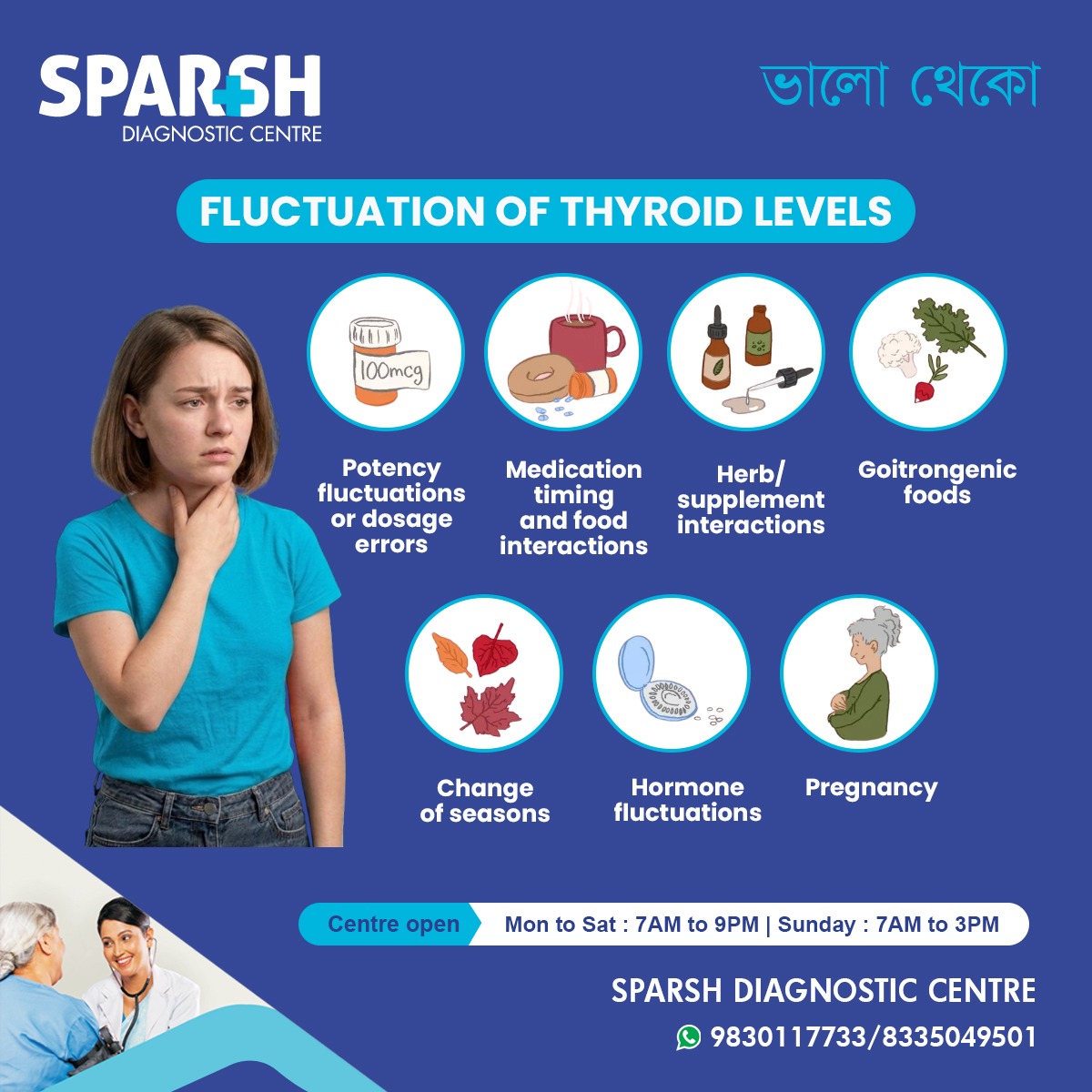
Potency Variations in Medication
Although uncommon, switching between manufacturers or brands may result in slight differences in medication potency.
Medication Timing Errors
Taking thyroid medicine with food or supplements can reduce absorption.
Herbal Supplements
Some herbal products may interfere with thyroid hormone metabolism.
Hormonal Changes
Menstrual cycles, menopause, and pregnancy can affect thyroid function.
Seasonal Changes
Research suggests thyroid hormone levels may vary slightly with seasonal temperature changes.
Dietary Factors
Excessive iodine intake or consumption of large amounts of certain foods may influence thyroid function.
Gastrointestinal Disorders
Conditions such as:
can reduce medication absorption.
How Quickly Can Thyroid Levels Change?
Thyroid hormone levels usually change gradually rather than overnight.
However, certain situations can cause faster changes:
- Starting or stopping medication
- Pregnancy
- Severe illness
- Thyroid surgery
- Radioactive iodine treatment
TSH generally takes about 6 to 8 weeks to fully reflect changes in thyroid hormone levels after treatment adjustments.
Common Symptoms of Fluctuating Thyroid Levels
Symptoms vary depending on whether hormone levels are too high or too low.
Symptoms of Low Thyroid Levels
- Fatigue
- Weight gain
- Depression
- Dry skin
- Hair thinning
- Constipation
- Feeling cold
- Slow heart rate
Symptoms of High Thyroid Levels
- Weight loss
- Anxiety
- Irritability
- Rapid heartbeat
- Sweating
- Tremors
- Insomnia
- Heat intolerance
Some individuals may experience alternating symptoms as hormone levels fluctuate.
What Are the 10 Warning Signs of Thyroid Problems?
The following symptoms may indicate a thyroid disorder:
- Persistent fatigue
- Unexplained weight gain or loss
- Hair loss or thinning
- Dry skin
- Mood changes, anxiety, or depression
- Sensitivity to cold or heat
- Irregular menstrual cycles
- Swelling in the neck or goiter
- Rapid or slow heart rate
- Difficulty concentrating or brain fog
If multiple symptoms occur together, thyroid testing may be recommended.
How to Stop Thyroid Fluctuations
While not all fluctuations can be prevented, several strategies can help maintain stable thyroid levels.
Take Medication Correctly
Take thyroid medication:
- At the same time every day
- On an empty stomach
- With water only
- At least 30–60 minutes before breakfast
Avoid Missing Doses
Consistency is essential for maintaining stable hormone levels.
Monitor Regularly
Routine thyroid blood tests help detect changes before symptoms become severe.
Manage Stress
Chronic stress can disrupt hormonal balance. Activities such as:
- Yoga
- Meditation
- Walking
- Deep breathing exercises
may support overall endocrine health.
Maintain a Balanced Diet
Focus on nutrient-rich foods that support thyroid function.
Address Nutrient Deficiencies
Deficiencies in selenium, zinc, iron, and vitamin D can impact thyroid health.
How Do I Get My TSH Back to Normal?
The best approach depends on the underlying cause.
For Hypothyroidism
Treatment usually involves thyroid hormone replacement therapy, commonly levothyroxine.
For Hyperthyroidism
Treatment may include:
- Anti-thyroid medications
- Radioactive iodine therapy
- Surgery
Additional Measures
- Follow medication instructions carefully
- Attend regular follow-up appointments
- Maintain a healthy lifestyle
- Treat underlying conditions affecting absorption
Most patients achieve stable TSH levels with proper management.
How to Naturally Reduce High TSH
A high TSH usually indicates underactive thyroid function. While natural measures may support thyroid health, they should not replace medical treatment when needed.
Helpful strategies include:
Eat Selenium-Rich Foods
Sources include:
- Brazil nuts
- Tuna
- Sardines
- Eggs
Ensure Adequate Zinc Intake
Foods rich in zinc include:
- Pumpkin seeds
- Chickpeas
- Lean meats
Improve Gut Health
A healthy digestive system supports medication and nutrient absorption.
Get Enough Sleep
Sleep deprivation may negatively affect hormone regulation.
Manage Stress
Stress reduction techniques may support healthy endocrine function.
Always consult a healthcare provider before changing treatment plans.
Can Vitamin B12 Affect TSH Levels?
Vitamin B12 does not directly regulate TSH levels, but B12 deficiency is common among individuals with autoimmune thyroid disorders.
Low B12 levels can worsen symptoms such as:
- Fatigue
- Brain fog
- Weakness
- Memory problems
Correcting a B12 deficiency may improve overall well-being, although it may not significantly change TSH levels.
Foods That Support Thyroid Health
Many foods provide nutrients needed for healthy thyroid function.
Seafood
Provides iodine and selenium.
Eggs
Contain iodine, selenium, and protein.
Dairy Products
Offer iodine and calcium.
Nuts and Seeds
Provide selenium and zinc.
Fruits
Rich in antioxidants that help reduce inflammation.
Lean Proteins
Support hormone production and metabolism.
Whole Grains
Provide fiber and essential nutrients.
What Foods Repair the Thyroid?
No food can completely “repair” the thyroid, but certain nutrients support thyroid function and help protect thyroid cells.
Beneficial foods include:
- Brazil nuts
- Fish
- Eggs
- Yogurt
- Pumpkin seeds
- Berries
- Leafy greens
- Lentils
A balanced diet supports overall thyroid health and treatment effectiveness.
What Foods Should I Avoid With High TSH?
People with elevated TSH should avoid foods that may interfere with thyroid medication absorption or thyroid function.
Excessive Soy Products
Large amounts may affect medication absorption.
Highly Processed Foods
May contribute to inflammation and weight gain.
Excess Iodine Sources
Too much iodine can sometimes worsen thyroid dysfunction.
Sugary Foods
May aggravate fatigue and metabolic problems.
Excessive Alcohol
Can negatively affect thyroid hormone metabolism.
The focus should be moderation rather than complete elimination unless advised by a healthcare professional.
Which Vegetables Should I Avoid for My Thyroid?
Certain vegetables contain compounds called goitrogens that may interfere with thyroid hormone production when consumed in extremely large amounts, especially if iodine intake is low.
Examples include:
- Cabbage
- Broccoli
- Cauliflower
- Kale
- Brussels sprouts
- Turnips
However, these vegetables are highly nutritious and generally safe when:
- Eaten in normal amounts
- Cooked rather than raw
- Included as part of a balanced diet
Most people with thyroid disease do not need to completely avoid them.
Which Fruit Is Not Good for High Thyroid?
There is no single fruit that must be completely avoided in hyperthyroidism or high TSH.
However, some experts recommend limiting excessive intake of:
- Very sugary fruit juices
- Sweetened fruit products
Whole fruits such as:
- Apples
- Pears
- Berries
- Oranges
- Pomegranates
are generally beneficial due to their antioxidant content.
What Time of Day Is TSH Highest?
TSH follows a natural daily rhythm.
Typically:
- Highest between midnight and early morning (around 2 AM to 4 AM)
- Lowest during the afternoon and evening
Because TSH varies throughout the day, healthcare providers often recommend having thyroid tests performed at a similar time for consistency, especially during follow-up monitoring.
When Should You See a Doctor?
Seek medical evaluation if you experience:
- Persistent fatigue
- Rapid weight changes
- Neck swelling
- Irregular heartbeat
- Significant hair loss
- Difficulty concentrating
- Changes in menstrual cycles
Early diagnosis and treatment can prevent complications and improve quality of life.
Diagnosing Thyroid Fluctuations
Your doctor may recommend:
Blood Tests
- TSH
- Free T4
- Free T3
- Thyroid antibodies
Imaging Studies
- Thyroid ultrasound
- Thyroid scan when necessary
Additional Tests
- Vitamin B12
- Iron studies
- Vitamin D
- Selenium levels
These tests help identify the underlying cause of unstable thyroid function.
Living Well With Thyroid Disease
Managing thyroid fluctuations often requires patience and consistency. Small lifestyle habits can make a significant difference.
Remember to:
- Take medications exactly as prescribed
- Follow a balanced diet
- Exercise regularly
- Get sufficient sleep
- Manage stress effectively
- Attend routine medical appointments
With proper care, most people achieve stable thyroid hormone levels and enjoy a healthy, active life.
Frequently Asked Questions (FAQs)
1. Is it normal for thyroid levels to fluctuate?
Yes. Mild fluctuations are normal due to hormonal changes, stress, illness, and natural daily variations. Significant fluctuations may require medical evaluation.
2. Why is my TSH going up and down?
TSH may fluctuate because of medication timing, absorption issues, pregnancy, stress, illness, dietary factors, or autoimmune thyroid disease.
3. What can cause thyroid fluctuations?
Common causes include medication inconsistencies, food interactions, pregnancy, hormone changes, autoimmune conditions, nutritional deficiencies, and seasonal variations.
4. How to stop thyroid fluctuations?
Take medication consistently, maintain a healthy diet, avoid interfering supplements near medication time, manage stress, and undergo regular thyroid testing.
5. What foods should I avoid with high TSH?
Limit excessive soy products, highly processed foods, excessive iodine intake, sugary foods, and alcohol while maintaining a balanced diet.
6. What are 10 warning signs of thyroid problems?
Fatigue, weight changes, hair loss, dry skin, mood changes, temperature sensitivity, menstrual irregularities, neck swelling, abnormal heart rate, and brain fog.
7. How to naturally reduce high TSH?
Support thyroid health with adequate selenium, zinc, sleep, stress management, and a nutritious diet while following prescribed medical treatment.
8. Which fruit is not good for high thyroid?
No fruit is universally harmful. Whole fruits are generally beneficial, while excessive sugary fruit products should be limited.
9. How quickly can thyroid levels change?
Hormone levels can change over days to weeks, but TSH usually takes about 6–8 weeks to fully reflect treatment changes.
10. How do I get my TSH back to normal?
Follow medical treatment, take medications correctly, address nutrient deficiencies, and maintain regular monitoring.
11. Can B12 affect TSH levels?
B12 does not directly affect TSH but deficiency can worsen symptoms commonly associated with thyroid disorders.
12. What foods repair the thyroid?
Foods rich in selenium, iodine, zinc, antioxidants, and protein support thyroid health, including fish, eggs, nuts, seeds, berries, and leafy greens.
13. Which vegetables should I avoid for my thyroid?
Goitrogenic vegetables like cabbage, kale, broccoli, and cauliflower are generally safe in moderation, especially when cooked.
14. What time of day is TSH highest?
TSH is usually highest between 2 AM and 4 AM and lowest during the afternoon and evening.
Fluctuation of thyroid levels is a common concern that can result from medication issues, dietary factors, hormonal changes, autoimmune conditions, and lifestyle influences. While some variation is normal, persistent fluctuations may indicate an underlying problem requiring medical attention. Through proper diagnosis, regular monitoring, consistent medication use, and a balanced diet, most individuals can successfully stabilize their thyroid levels and maintain optimal health.
To consult a Doctor or get full body check-up done at Sparsh Diagnostic Centre, call our helpline numbers 9830117733/ 8335049501.
#BhaloTheko
Disclaimer:
No content on this site, regardless of date, should ever be used as a substitute for direct medical advice from your doctor or other qualified clinician.