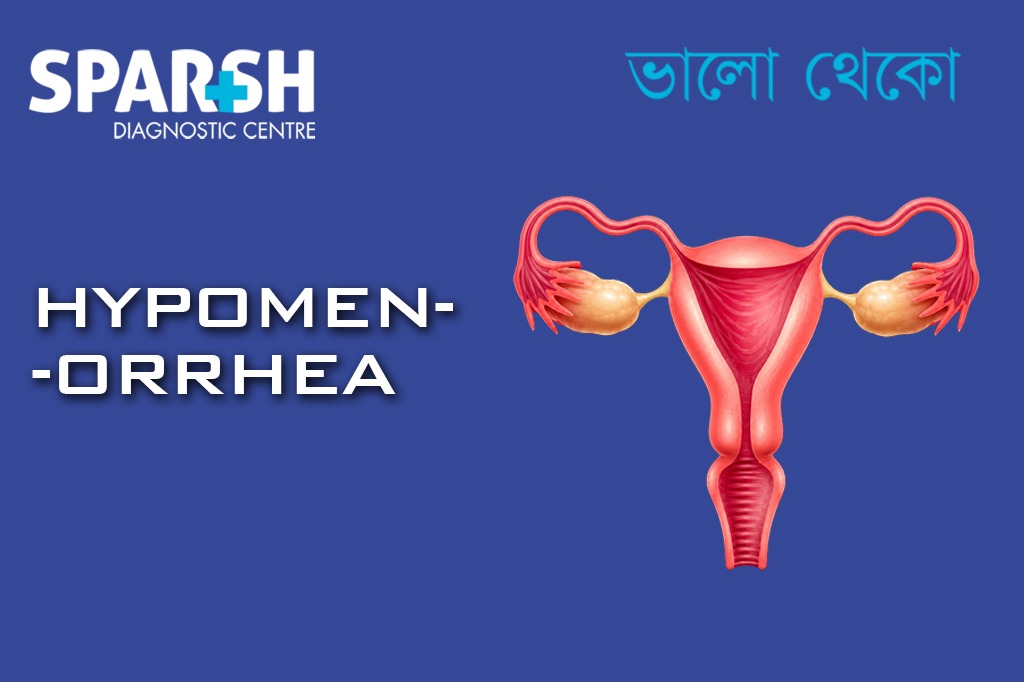
Menstrual cycles vary from one woman to another. Some women experience heavy periods, while others notice that their periods are unusually light. When menstrual bleeding is consistently scanty or significantly lighter than normal, the condition is known as hypomenorrhea.
Having a light period occasionally is not always a cause for concern. Hormonal changes, stress, lifestyle factors, and certain medical conditions can temporarily affect menstrual flow. However, if light periods become frequent or are accompanied by other symptoms, they may indicate an underlying health issue that requires medical attention.
Understanding hypomenorrhea can help you identify when a light period is simply a natural variation and when it may need further evaluation.
What Is Hypomenorrhea?
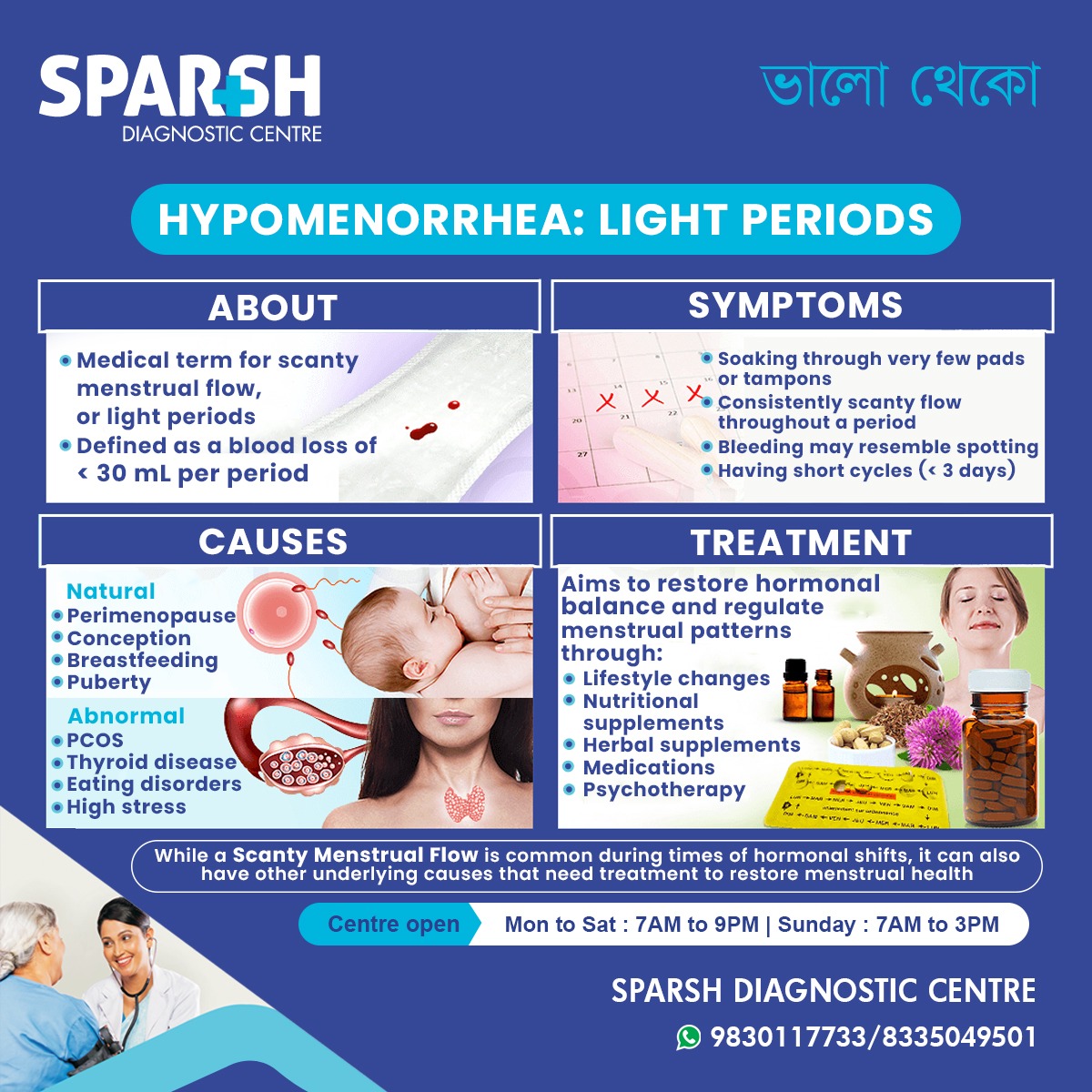
Hypomenorrhea is the medical term for abnormally light menstrual bleeding. Women with hypomenorrhea experience significantly less menstrual blood loss than usual, often requiring very few sanitary pads or tampons during their periods.
Typically, menstrual blood loss ranges between 30 and 80 millilitres per cycle. In hypomenorrhea, blood loss is generally less than 30 millilitres per cycle.
The condition may occur occasionally or persist for several menstrual cycles. While hypomenorrhea itself is not always harmful, it can sometimes indicate hormonal imbalances or reproductive health conditions that should be addressed.
What Are the Symptoms of Hypomenorrhea?
The primary symptom of hypomenorrhea is a consistently light menstrual flow. However, women may notice several other signs as well.
Common symptoms include:
- Very light bleeding that lasts for only a few days
- Spotting instead of a regular period
- Using very few sanitary pads or tampons
- Short menstrual duration
- Brown or pink discharge rather than a typical menstrual flow
- Irregular menstrual cycles
- Periods occurring less frequently than usual
Some women may also experience symptoms related to the underlying cause, such as:
What Are the Causes of Low Menstrual Flow?
One of the most common questions women ask is: What are the causes of low menstrual flow?
Light periods can occur due to both natural physiological changes and underlying medical conditions.
1. Puberty
During the first few years after menstruation begins, hormonal fluctuations are common. The ovaries may not release eggs regularly, leading to light or irregular periods.
2. Perimenopause
As women approach menopause, estrogen levels fluctuate significantly. Menstrual cycles often become lighter, shorter, and irregular.
3. Pregnancy
Some women mistake implantation bleeding for a light period. If you experience unusually light bleeding and suspect pregnancy, taking a pregnancy test is advisable.
4. Breastfeeding
Breastfeeding increases prolactin levels, which suppress ovulation. This hormonal change often results in lighter or absent periods.
5. Stress
Physical and emotional stress can interfere with the hormones that regulate menstruation. High stress levels may temporarily reduce menstrual flow.
6. Significant Weight Loss
Rapid weight loss or being underweight can disrupt hormonal balance and affect ovulation, leading to lighter periods.
7. Excessive Exercise
Intense physical activity, especially in athletes, may lower estrogen levels and reduce menstrual bleeding.
8. Polycystic Ovary Syndrome (PCOS)
PCOS is one of the leading causes of menstrual irregularities. Hormonal imbalances associated with PCOS can cause infrequent or scanty periods.
9. Thyroid Disorders
Both hypothyroidism and hyperthyroidism can disrupt the menstrual cycle and contribute to light periods.
10. Eating Disorders
Conditions such as anorexia nervosa and bulimia can severely affect hormonal function and reproductive health.
11. Hormonal Contraceptives
Birth control pills, hormonal injections, implants, and intrauterine devices (IUDs) can make periods lighter by thinning the uterine lining.
12. Asherman’s Syndrome
This condition involves scarring within the uterus, often after surgical procedures. It can significantly reduce menstrual flow.
13. Chronic Medical Conditions
Certain illnesses, including diabetes and autoimmune disorders, may affect hormone regulation and menstrual patterns.
Risk Factors for Hypomenorrhea
Certain factors increase the likelihood of developing hypomenorrhea, including:
- Chronic stress
- Extreme dieting
- Low body weight
- Hormonal disorders
- Thyroid disease
- PCOS
- Intense athletic training
- Family history of menstrual disorders
- Use of hormonal contraceptives
- Approaching menopause
How Many Days Is Hypomenorrhea?
Another frequently asked question is: How many days is hypomenorrhea?
The duration of hypomenorrhea varies among individuals. In general:
- Menstrual bleeding lasts less than two or three days
- Bleeding is significantly lighter than the person’s usual periods
- Some women experience only spotting for one or two days
It is important to understand that hypomenorrhea is defined more by the amount of blood loss than by the number of days of bleeding. Some women may bleed lightly for four or five days, while others may only have spotting for one day.
If light periods persist for several cycles or suddenly appear after years of normal menstruation, medical evaluation is recommended.
How Is Hypomenorrhea Diagnosed?
Many women wonder: How is hypomenorrhea diagnosed?
Diagnosing hypomenorrhea involves understanding your menstrual history and identifying possible underlying causes.
Medical History
Your doctor may ask questions regarding:
- Duration of menstrual cycles
- Amount of bleeding
- Changes in menstrual patterns
- Pregnancy history
- Use of contraceptives
- Lifestyle factors
- Stress levels
- Existing medical conditions
Physical Examination
A physical examination helps identify signs of hormonal disorders, thyroid problems, or reproductive abnormalities.
Blood Tests
Blood investigations may include:
- Complete blood count (CBC)
- Thyroid function tests
- Hormone profile
- Prolactin levels
- Blood sugar tests
- Reproductive hormone assessments
Pelvic Ultrasound
Ultrasound imaging can identify:
- Polycystic ovaries
- Uterine abnormalities
- Ovarian cysts
- Structural reproductive issues
Pregnancy Test
A pregnancy test may be performed if implantation bleeding is suspected.
Additional Investigations
In certain cases, doctors may recommend:
- Hysteroscopy
- MRI scans
- Endometrial evaluation
Accurate diagnosis is essential because treatment depends entirely on the underlying cause of hypomenorrhea.
Complications of Hypomenorrhea
Hypomenorrhea itself is not always dangerous. However, untreated underlying conditions may lead to complications such as:
Infertility
Irregular ovulation can make conception difficult.
Hormonal Imbalances
Persistent hormonal disturbances can affect overall reproductive health.
Bone Health Problems
Long-term low estrogen levels may contribute to reduced bone density.
Emotional Stress
Menstrual irregularities often cause anxiety and emotional distress.
Delayed Diagnosis of Underlying Conditions
Ignoring persistent hypomenorrhea may delay treatment of disorders like PCOS or thyroid disease.
How to Correct Hypomenorrhea?
Women frequently ask: How to correct hypomenorrhea?
The answer depends on identifying and treating the root cause.
Lifestyle Changes
Healthy lifestyle modifications can often improve menstrual health.
Maintain a Healthy Weight
Being significantly underweight can disrupt ovulation and hormone production.
Eat a Balanced Diet
Adequate nutrition supports reproductive hormone balance.
Focus on foods rich in:
- Iron
- Protein
- Healthy fats
- Whole grains
- Fruits and vegetables
Reduce Stress
Stress management techniques can help regulate hormones.
Helpful strategies include:
- Meditation
- Yoga
- Deep breathing exercises
- Adequate sleep
- Regular relaxation practices
Moderate Exercise
Regular physical activity supports overall health. However, excessive exercise should be avoided if it contributes to menstrual irregularities.
Hormonal Treatment
Doctors may recommend hormonal medications depending on the cause.
These may include:
- Hormone therapy
- Oral contraceptives
- Medications to induce ovulation
Treat Underlying Medical Conditions
Managing conditions like:
- PCOS
- Thyroid disease
- Diabetes
- Eating disorders
can significantly improve menstrual patterns.
Nutritional Support
Certain vitamin and mineral deficiencies may contribute to hormonal disturbances. Nutritional supplementation may be advised when deficiencies are identified.
Psychological Support
Counselling and therapy can be helpful when stress, anxiety, or eating disorders contribute to hypomenorrhea.
Can I Get Pregnant With Hypomenorrhea?
A common concern is: Can I get pregnant with hypomenorrhea?
The answer is yes, many women with hypomenorrhea can become pregnant naturally.
Hypomenorrhea itself does not necessarily cause infertility. Pregnancy depends primarily on whether ovulation is occurring regularly.
When Pregnancy Is Possible
Pregnancy can occur if:
- Ovulation happens normally
- The reproductive organs are healthy
- There are no significant hormonal disorders
When Conception May Be Difficult
Pregnancy may be more challenging if hypomenorrhea is caused by:
- PCOS
- Thyroid disorders
- Premature ovarian insufficiency
- Severe weight loss
- Hormonal imbalances
- Uterine scarring
If you are trying to conceive and consistently experience very light periods, consulting a gynecologist can help identify the cause and improve fertility outcomes.
When Should You See a Doctor?
Seek medical attention if:
- Your periods suddenly become extremely light
- You miss several menstrual cycles
- Light periods are accompanied by severe pain
- You experience unusual discharge
- You have symptoms of hormonal imbalance
- You are trying to conceive without success
- Menstrual changes interfere with your quality of life
Early evaluation can help identify treatable conditions and prevent complications.
Tips for Maintaining Healthy Menstrual Cycles
You can support menstrual health by:
- Eating a nutrient-rich diet
- Maintaining a healthy body weight
- Exercising regularly
- Managing stress effectively
- Getting adequate sleep
- Staying hydrated
- Avoiding crash diets
- Seeking medical advice for persistent menstrual changes
Frequently Asked Questions (FAQs)
1. What are the causes of low menstrual flow?
Low menstrual flow may occur due to puberty, perimenopause, breastfeeding, pregnancy, stress, weight loss, excessive exercise, PCOS, thyroid disorders, eating disorders, hormonal contraceptives, or uterine conditions such as Asherman’s syndrome.
2. How many days is hypomenorrhea?
Hypomenorrhea usually involves bleeding that lasts less than two or three days or consists only of spotting. However, the defining feature is reduced menstrual blood loss rather than the exact duration.
3. How to correct hypomenorrhea?
Treatment depends on the underlying cause and may include lifestyle modifications, maintaining a healthy weight, stress management, nutritional support, hormonal therapy, and treating conditions like PCOS or thyroid disorders.
4. How is hypomenorrhea diagnosed?
Diagnosis typically includes a medical history review, physical examination, blood tests, hormone assessments, pelvic ultrasound, pregnancy testing, and additional investigations when necessary.
5. Can I get pregnant with hypomenorrhea?
Yes. Many women with hypomenorrhea can conceive naturally if they are ovulating regularly. However, fertility may be affected when light periods are caused by conditions that interfere with ovulation or reproductive health.
6. Is hypomenorrhea serious?
Not always. Occasional light periods can be normal, but persistent hypomenorrhea may indicate hormonal or reproductive health issues that require medical attention.
7. Can stress cause hypomenorrhea?
Yes. Chronic emotional or physical stress can disrupt hormonal balance and lead to lighter or irregular periods.
8. Does hypomenorrhea always mean infertility?
No. Many women with hypomenorrhea have normal fertility. The impact on fertility depends on the underlying cause.
Hypomenorrhea refers to unusually light menstrual bleeding that may occur due to natural hormonal changes, lifestyle factors, or underlying medical conditions. Although occasional light periods are often harmless, persistent hypomenorrhea should not be ignored, especially if it affects fertility or occurs alongside other symptoms.
Understanding the causes, seeking appropriate diagnosis, and addressing underlying issues can help restore menstrual health and improve overall well-being. If your periods have become consistently lighter than usual, consulting a healthcare professional is the best step toward identifying the cause and receiving personalised treatment.
To consult a Doctor or get full body check-up done at Sparsh Diagnostic Centre, call our helpline numbers 9830117733/ 8335049501.
#BhaloTheko
Disclaimer:
No content on this site, regardless of date, should ever be used as a substitute for direct medical advice from your doctor or other qualified clinician.