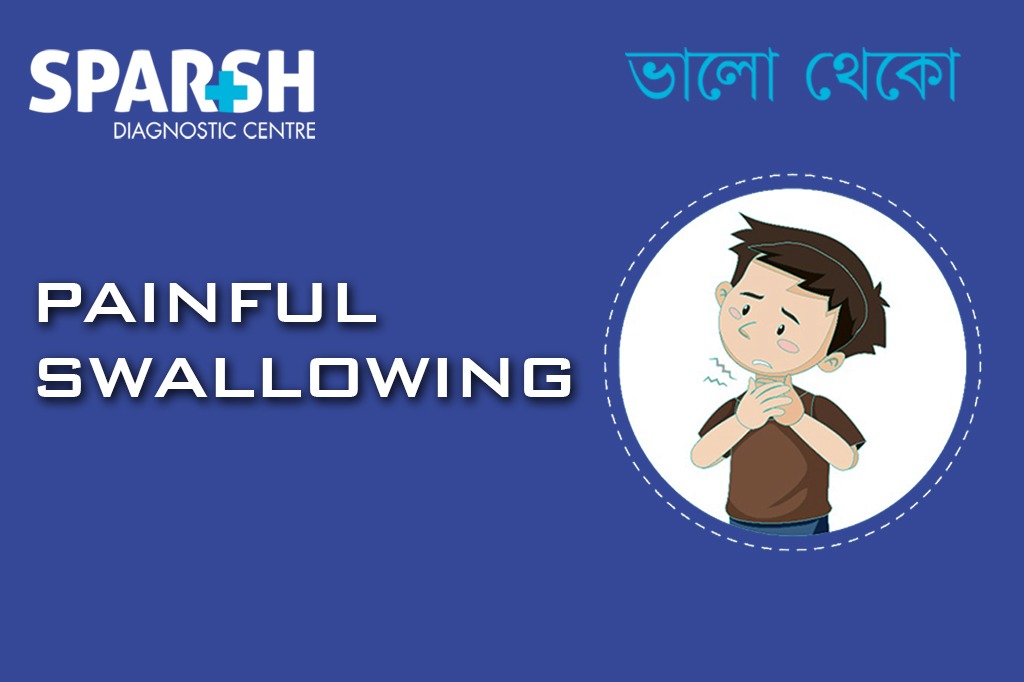
Painful swallowing, medically known as odynophagia, is a common symptom that can make eating, drinking, and even swallowing saliva uncomfortable. The pain may feel sharp, burning, or like something is stuck in your throat. While it often occurs due to infections like a sore throat or tonsillitis, painful swallowing can also result from acid reflux, inflammation, injuries, or underlying medical conditions.
Most cases of painful swallowing improve with appropriate treatment, but persistent or severe symptoms should never be ignored. Understanding the possible causes and warning signs can help you seek timely medical care and prevent complications.
In this guide, we will explore the causes, symptoms, diagnosis, and treatment options for painful swallowing and answer some of the most commonly asked questions about this condition.
What Is Painful Swallowing?
Painful swallowing refers to discomfort or pain experienced while swallowing food, liquids, or saliva. The pain can occur in the throat, chest, mouth, or neck and may vary from mild irritation to severe discomfort.
Odynophagia differs from dysphagia, which refers to difficulty swallowing. However, the two conditions can sometimes occur together. For example, a person with severe throat inflammation may find swallowing both painful and difficult.
What Causes Pain When Swallowing?
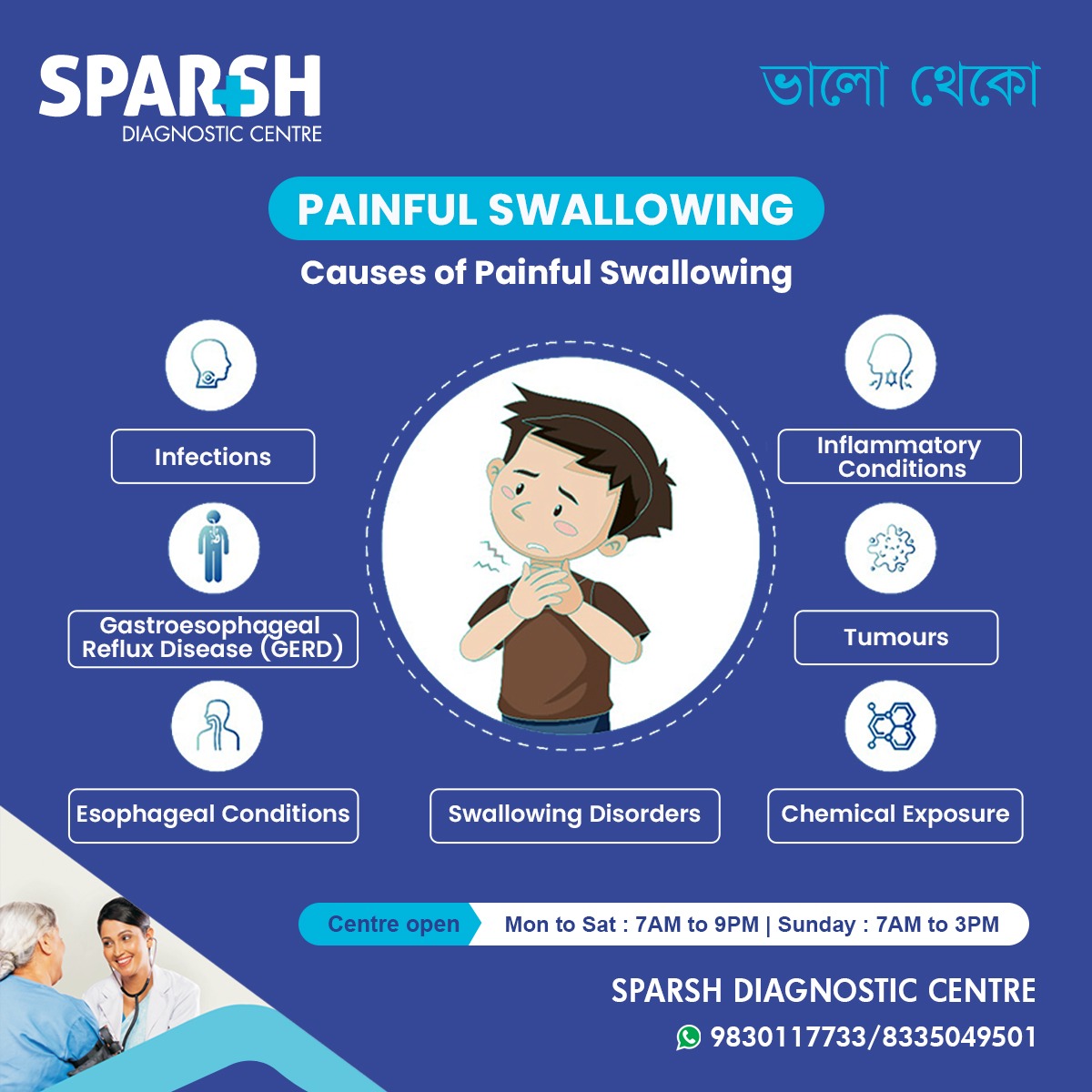
Pain during swallowing can occur due to various conditions affecting the throat, mouth, or oesophagus. Common causes include:
1. Infections
Infections are among the most frequent reasons for painful swallowing. These may include:
Infections cause inflammation and swelling in the throat tissues, making swallowing painful.
2. Gastroesophageal Reflux Disease (GERD)
GERD occurs when stomach acid frequently flows back into the oesophagus. Repeated acid exposure irritates the lining of the oesophagus and can cause:
- Burning chest pain
- Sore throat
- Difficulty swallowing
- Pain while swallowing
Long-term acid reflux may even result in ulcers or narrowing of the oesophagus.
3. Oesophageal Conditions
Several disorders directly affecting the oesophagus can lead to painful swallowing, including:
- Esophagitis
- Esophageal ulcers
- Esophageal spasms
- Esophageal Strictures
- Hiatal hernia
These conditions may cause pain, a sensation of food sticking in the throat, and discomfort during meals.
4. Inflammatory Conditions
Inflammation can affect various parts of the throat and digestive tract. Conditions associated with painful swallowing include:
Inflammation often causes redness, swelling, and irritation, making swallowing uncomfortable.
5. Tumours
Although less common, tumours in the throat, mouth, or oesophagus can cause painful swallowing. Warning signs may include:
- Persistent throat pain
- Difficulty swallowing
- Unexplained weight loss
- Voice changes
- A lump in the neck
Persistent symptoms require prompt medical evaluation.
6. Chemical Exposure and Injury
Accidentally swallowing hot liquids, chemicals, or certain medications can injure the throat or oesophagus. These injuries may lead to inflammation and pain that worsens during swallowing.
7. Swallowing Disorders
Neurological and muscular conditions can interfere with the normal swallowing process. These include:
- Stroke
- Parkinson’s disease
- Multiple sclerosis
- Muscle disorders affecting the throat
These conditions may cause both painful and difficult swallowing.
Why Does My Throat Hurt When I Swallow but I Am Not Sick?
Not every episode of painful swallowing is caused by an infection. Sometimes, your throat may hurt even when you do not have a cold or flu.
Possible reasons include:
Acid Reflux
Stomach acid can irritate the throat, causing pain and burning sensations.
Dry Throat
Dehydration, mouth breathing, and sleeping with your mouth open can make the throat dry and painful.
Allergies
Environmental allergies can trigger postnasal drip and throat irritation.
Muscle Strain
Excessive talking, shouting, or singing can strain throat muscles and cause discomfort.
Anxiety and Stress
Stress may create a sensation of tightness in the throat, making swallowing uncomfortable.
Smoking and Irritants
Cigarette smoke, pollution, and chemical fumes can irritate throat tissues and cause pain.
Minor Injuries
Eating hard or sharp foods can scratch the throat lining and cause temporary pain during swallowing.
If symptoms persist for more than a week or worsen over time, consulting a healthcare professional is advisable.
What Are the Symptoms of Painful Swallowing?
Painful swallowing can present in several ways. Common symptoms include:
- Sharp pain while swallowing
- Burning sensation in the throat
- Pain in the chest while swallowing
- Sore throat
- Feeling that food is stuck
- Difficulty swallowing solids or liquids
- Hoarseness
- Fever
- Swollen glands
- Heartburn
- Weight loss due to reduced food intake
The symptoms may develop suddenly or gradually depending on the underlying cause.
What Are 5 Signs of Swallowing Difficulty?
Swallowing difficulties often develop gradually and may initially go unnoticed. Five common signs include:
1. Pain During Swallowing
Persistent discomfort or pain while eating or drinking is one of the earliest signs.
2. Food Feeling Stuck
A sensation that food is lodged in the throat or chest can indicate a swallowing problem.
3. Coughing or Choking While Eating
Frequent coughing during meals may suggest difficulty coordinating swallowing muscles.
4. Taking Longer to Finish Meals
People with swallowing difficulties often eat slowly because swallowing becomes uncomfortable.
5. Unexplained Weight Loss
Avoiding food due to pain can result in reduced appetite and weight loss.
Additional signs may include drooling, recurrent chest infections, and frequent throat clearing.
What Illnesses Cause Painful Swallowing?
A wide range of illnesses can cause painful swallowing.
Infectious Illnesses
- Strep throat
- Influenza
- Tonsillitis
- COVID-19
- Infectious mononucleosis
- Oral candidiasis
Digestive Disorders
- Gastroesophageal reflux disease (GERD)
- Esophagitis
- Peptic ulcers
- Hiatal hernia
Autoimmune Conditions
- Sjögren’s syndrome
- Lupus
- Eosinophilic oesophagitis
Neurological Disorders
- Stroke
- Parkinson’s disease
- Multiple sclerosis
Structural Disorders
- Oesophageal strictures
- Oesophageal diverticula
- Achalasia
Cancer
- Throat cancer
- Esophageal cancer
- Oral cancer
Proper diagnosis is essential because treatment depends entirely on the underlying cause.
What to Do When It Really Hurts to Swallow?
If swallowing becomes extremely painful, several measures may provide relief.
Drink Warm Fluids
Warm water, soups, and herbal teas can soothe irritated throat tissues.
Stay Hydrated
Drinking plenty of fluids helps keep the throat moist and reduces irritation.
Gargle with Salt Water
Warm salt-water gargles can reduce inflammation and ease discomfort.
Avoid Irritating Foods
Avoid foods that are:
- Spicy
- Very hot
- Acidic
- Hard or crunchy
Use Humidified Air
Using a humidifier can reduce throat dryness and irritation.
Rest Your Voice
Avoid excessive talking and shouting to minimise throat strain.
Treat Acid Reflux
If reflux is causing symptoms:
- Avoid large meals
- Limit caffeine and spicy foods
- Do not lie down immediately after eating
Seek Medical Attention
Consult a doctor immediately if you experience:
- Severe difficulty swallowing
- Trouble breathing
- High fever
- Inability to swallow liquids
- Blood in saliva
- Significant weight loss
How Is Painful Swallowing Diagnosed?
Doctors usually begin with a detailed medical history and physical examination.
Diagnostic tests may include:
Throat Examination
A doctor checks for redness, swelling, or signs of infection.
Blood Tests
Blood tests help identify infections and inflammatory conditions.
Throat Swab
A throat swab can detect bacterial infections like strep throat.
Endoscopy
A thin tube with a camera is inserted to examine the oesophagus and stomach.
Barium Swallow Study
This imaging test evaluates swallowing mechanics and structural abnormalities.
Imaging Tests
CT scans or MRI scans may be recommended to investigate persistent symptoms or suspected tumours.
Treatment for Painful Swallowing
Treatment depends on the underlying cause.
Treatment for Infections
- Antibiotics for bacterial infections
- Antiviral medications when necessary
- Antifungal medicines for oral thrush
Treatment for Acid Reflux
- Acid-suppressing medications
- Dietary modifications
- Weight management
- Lifestyle changes
Treatment for Inflammatory Conditions
- Anti-inflammatory medications
- Steroids in specific conditions
- Allergy management
Treatment for Structural Problems
- Endoscopic procedures
- Dilation of oesophageal narrowing
- Surgery if necessary
Treatment for Neurological Conditions
- Swallowing therapy
- Dietary adjustments
- Rehabilitation exercises
Early diagnosis often leads to faster recovery and prevents complications.
Can Painful Swallowing Be Prevented?
Although not all causes are preventable, several lifestyle measures can reduce your risk.
Maintain Good Hydration
Keeping the throat moist helps reduce irritation.
Practise Good Hygiene
Regular handwashing lowers the risk of infections.
Manage Acid Reflux
Avoid foods and habits that trigger reflux symptoms.
Avoid Smoking
Smoking irritates the throat and increases the risk of chronic conditions.
Eat Carefully
Avoid consuming extremely hot foods or beverages that may injure the throat.
Treat Allergies Promptly
Managing allergies can prevent chronic throat irritation.
When Should You See a Doctor?
You should seek medical advice if painful swallowing:
- Persists for more than a few days
- Recurs frequently
- Is accompanied by fever
- Causes weight loss
- Makes eating or drinking difficult
- Occurs with breathing difficulties
- Produces blood in saliva
Prompt evaluation helps identify serious underlying conditions early and improves treatment outcomes.
Painful swallowing is a symptom that can range from mild throat irritation to a sign of a more serious medical condition. Infections, acid reflux, inflammatory diseases, swallowing disorders, and even certain cancers can contribute to pain during swallowing. Understanding the symptoms and recognising warning signs can help you seek timely medical care.
Most cases improve with appropriate treatment and simple self-care measures such as staying hydrated, avoiding irritants, and managing underlying conditions. However, persistent or severe symptoms should never be ignored, particularly if they interfere with eating, drinking, or breathing.
If painful swallowing continues or worsens, consulting a healthcare professional can help determine the cause and ensure the most effective treatment.
Frequently Asked Questions (FAQs)
1. What causes pain when swallowing?
Pain when swallowing can result from infections, acid reflux, throat inflammation, oesophageal disorders, allergies, injuries, or certain medical conditions affecting the throat and oesophagus.
2. What should I do when it really hurts to swallow?
Drink warm fluids, stay hydrated, avoid spicy and hard foods, gargle with warm salt water, and seek medical care if symptoms become severe or persistent.
3. Why does my throat hurt when I swallow but I am not sick?
Non-infectious causes include acid reflux, allergies, dry throat, smoking, muscle strain, and minor injuries to the throat lining.
4. What are five signs of swallowing difficulty?
The five common signs are pain while swallowing, food sticking in the throat, coughing during meals, taking longer to eat, and unexplained weight loss.
5. What illnesses cause painful swallowing?
Conditions such as strep throat, tonsillitis, GERD, oesophagitis, autoimmune disorders, neurological diseases, and cancers of the throat or oesophagus can cause painful swallowing.
6. Is painful swallowing an emergency?
It can be an emergency if you cannot swallow liquids, experience breathing difficulties, develop severe chest pain, or notice blood in your saliva.
7. Can stress cause painful swallowing?
Stress and anxiety can contribute to throat tightness and discomfort, although persistent symptoms should still be medically evaluated.
To consult a Doctor or get full body check-up done at Sparsh Diagnostic Centre, call our helpline numbers 9830117733/ 8335049501.
#BhaloTheko
Disclaimer:
No content on this site, regardless of date, should ever be used as a substitute for direct medical advice from your doctor or other qualified clinician.