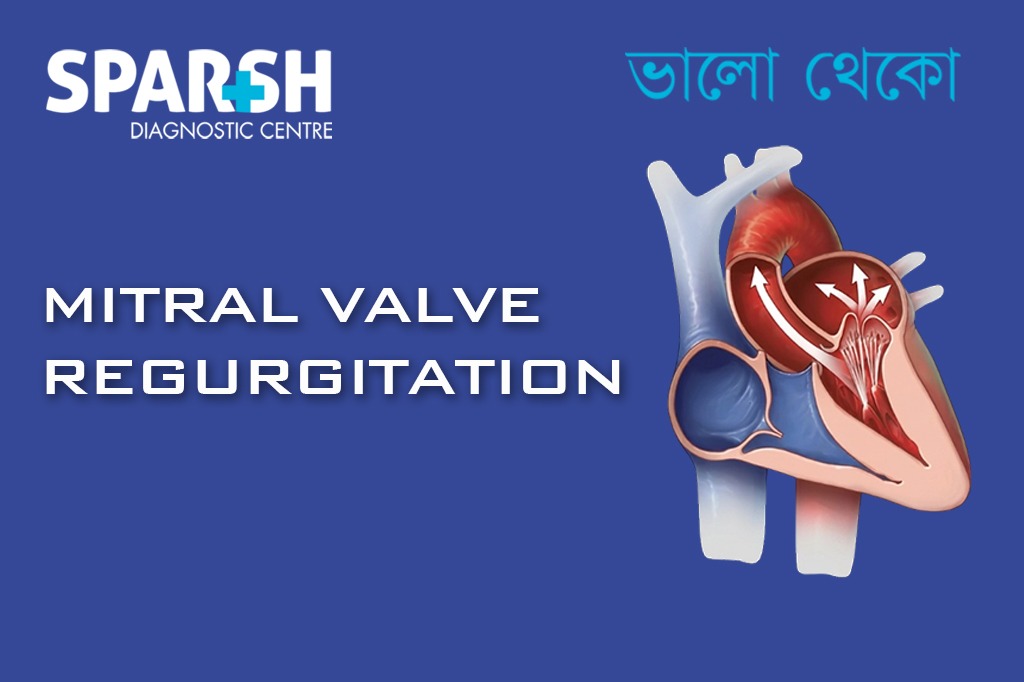
The human heart works like a highly efficient pump, and its four valves ensure that blood flows in the right direction. One of these valves, the mitral valve, plays a crucial role in maintaining healthy circulation. When this valve doesn’t close properly, blood leaks backward into the left atrium instead of moving forward through the body. This condition is known as Mitral Valve Regurgitation (MVR).
Mitral Valve Regurgitation is one of the most common heart valve disorders worldwide. Some people may live with mild regurgitation for years without experiencing symptoms, while others can develop serious complications that require medical treatment or surgery. Understanding the condition, recognizing early warning signs, and seeking timely care from the Best Cardiologist in Kolkata can significantly improve outcomes and quality of life.
What Is Mitral Valve Regurgitation?
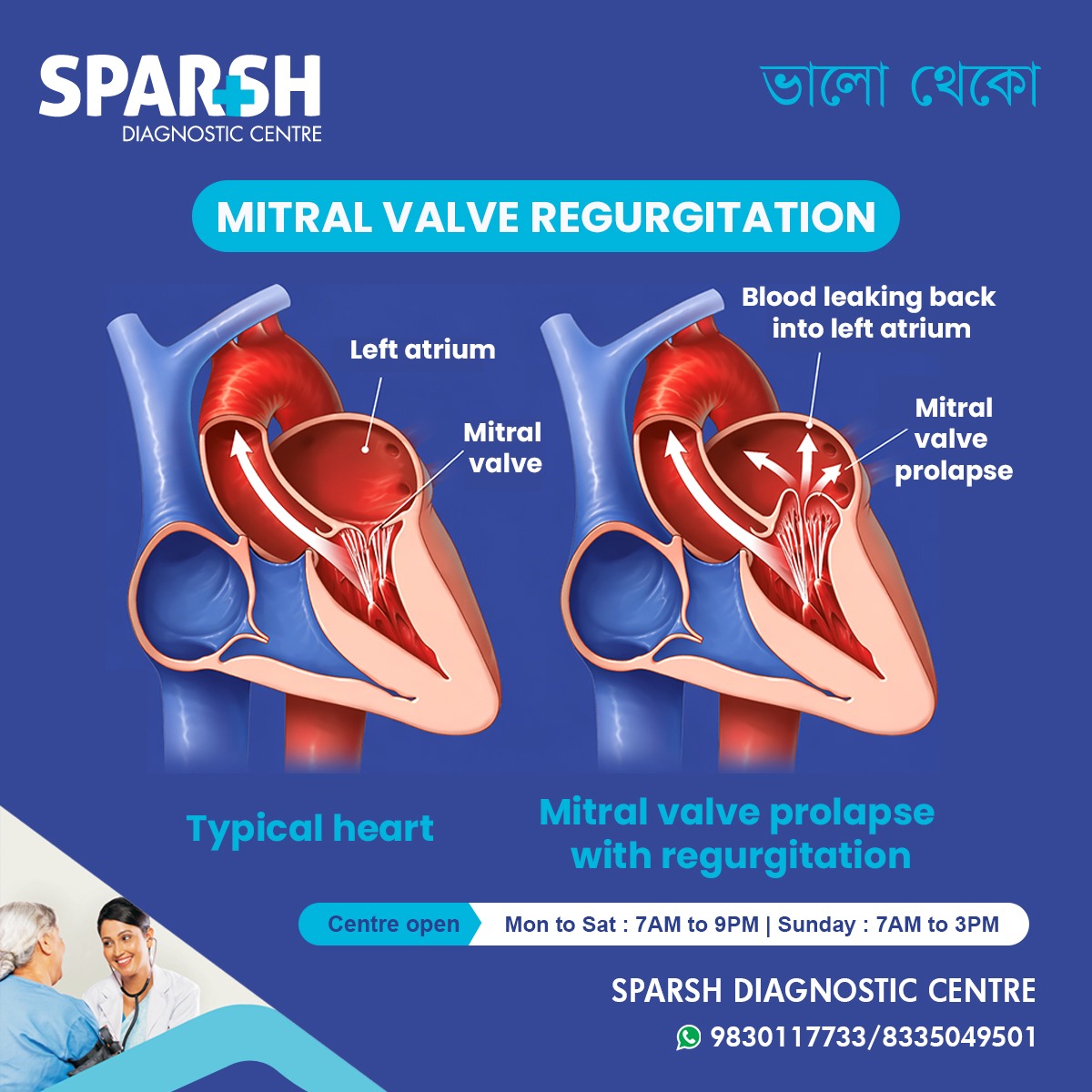
Mitral Valve Regurgitation occurs when the mitral valve does not close tightly, causing blood to flow backward from the left ventricle into the left atrium during heart contractions.
Under normal circumstances:
- Oxygen-rich blood moves from the left atrium to the left ventricle.
- The mitral valve closes tightly.
- Blood is pumped efficiently to the rest of the body.
In Mitral Valve Regurgitation, the valve fails to seal completely, allowing some blood to leak backward. As a result, the heart has to work harder to pump enough blood to meet the body’s needs.
Over time, untreated severe regurgitation can enlarge the heart chambers, weaken the heart muscle, and eventually lead to heart failure.
Understanding the Mitral Valve
The mitral valve is located between the left atrium and the left ventricle. It consists of two leaflets supported by chordae tendineae, often called the “heart strings,” and papillary muscles.
The valve opens to allow blood to flow into the ventricle and closes during contraction to prevent backward flow. Any damage to the valve leaflets, supporting structures, or surrounding heart tissue can lead to regurgitation.
Types of Mitral Valve Regurgitation
Acute Mitral Valve Regurgitation
This type develops suddenly and is considered a medical emergency. It may occur due to:
- Heart attack
- Infection of the heart valves
- Injury to the chest
- Rupture of the valve’s supporting structures
Acute regurgitation often causes severe symptoms and requires immediate medical attention.
Chronic Mitral Valve Regurgitation
Chronic Mitral Valve Regurgitation develops gradually over many years. The heart initially compensates for the leakage, which is why symptoms may remain absent for a long period.
Eventually, the heart’s compensatory mechanisms become overwhelmed, leading to symptoms and complications.
Causes of Mitral Valve Regurgitation
Several conditions can cause Mitral Valve Regurgitation.
Mitral Valve Prolapse
Mitral Valve Prolapse is one of the most common causes. In this condition, the valve leaflets bulge backward into the left atrium during heart contraction, preventing complete closure.
Rheumatic Heart Disease
Rheumatic fever can damage the mitral valve, causing scarring and deformity that leads to regurgitation.
Coronary Artery Disease
A heart attack can damage the muscles that support the mitral valve, leading to improper closure.
Endocarditis
This infection affects the inner lining of the heart and can destroy the valve tissue.
Congenital Heart Defects
Some people are born with abnormalities in the structure of the mitral valve.
Degenerative Valve Disease
Aging can weaken and thicken the valve tissues, resulting in leakage.
Cardiomyopathy
Enlargement of the heart muscle can stretch the valve opening and prevent proper closure.
Connective Tissue Disorders
Conditions such as Marfan syndrome and Ehlers-Danlos syndrome can affect the structure of the mitral valve.
Risk Factors for Mitral Valve Regurgitation
Certain factors increase the risk of developing Mitral Valve Regurgitation:
- Advancing age
- High blood pressure
- Previous heart attack
- Rheumatic fever
- Family history of valve disease
- Congenital heart defects
- Connective tissue disorders
- Coronary artery disease
- Infections affecting the heart
Regular heart check-ups with a Cardiologist Kolkata can help identify risk factors before complications arise.
Symptoms of Mitral Valve Regurgitation
Symptoms often depend on the severity of the condition.
Early Stages
Many individuals have no symptoms and may remain unaware of the condition for years.
Common Symptoms
As the condition progresses, symptoms may include:
- Shortness of breath
- Fatigue
- Weakness
- Heart palpitations
- Dizziness
- Swelling in the feet and ankles
- Reduced exercise tolerance
- Chest discomfort
- Rapid heartbeat
Severe Symptoms
Advanced Mitral Valve Regurgitation can cause:
- Severe breathlessness
- Persistent cough
- Irregular heart rhythms
- Fainting episodes
- Symptoms of heart failure
Anyone experiencing these symptoms should consult a Cardiologist Near Me promptly for evaluation.
How Mitral Valve Regurgitation Affects the Heart
When blood leaks backward:
- The left atrium receives extra blood.
- The left atrium enlarges.
- Increased pressure develops in the lungs.
- The left ventricle works harder.
- The ventricle enlarges and weakens over time.
Eventually, the heart may lose its ability to pump blood effectively, resulting in heart failure.
Complications of Mitral Valve Regurgitation
Without proper treatment, Mitral Valve Regurgitation may lead to serious complications.
Atrial Fibrillation
An enlarged left atrium increases the risk of irregular heart rhythms.
Pulmonary Hypertension
Elevated pressure in the lungs can occur due to increased pressure in the left atrium.
Heart Failure
Long-term strain on the heart can weaken the pumping chambers.
Blood Clots and Stroke
Abnormal heart rhythms increase the risk of blood clot formation and stroke.
Sudden Cardiac Death
Although uncommon, severe untreated cases may lead to life-threatening complications.
How Is Mitral Valve Regurgitation Diagnosed?
Early diagnosis plays an important role in preventing complications.
Medical History
Your doctor will ask about symptoms, family history, and existing medical conditions.
Physical Examination
A characteristic heart murmur can often be heard using a stethoscope.
Echocardiography
An echocardiogram is the primary imaging test used to diagnose Mitral Valve Regurgitation. It helps evaluate:
- Severity of leakage
- Valve structure
- Heart chamber size
- Heart pumping function
Electrocardiogram (ECG)
This test identifies abnormal heart rhythms and signs of heart enlargement.
Chest X-ray
A chest X-ray can reveal heart enlargement and fluid accumulation in the lungs.
Cardiac MRI
MRI provides detailed images of the heart and helps assess valve function.
Stress Testing
Exercise tests evaluate how the heart performs during physical activity.
Cardiac Catheterization
This procedure measures heart pressures and evaluates coronary artery disease.
Visiting the Best Cardiologist in Kolkata ensures access to advanced diagnostic technologies and accurate treatment planning.
Stages of Mitral Valve Regurgitation
Mild Regurgitation
- Minimal leakage
- Usually symptom-free
- Requires regular monitoring
Moderate Regurgitation
- Increased leakage
- May cause mild symptoms
- Requires close observation
Severe Regurgitation
- Significant backward blood flow
- Symptoms become evident
- Often requires intervention
Treatment of Mitral Valve Regurgitation
Treatment depends on:
- Severity of leakage
- Symptoms
- Heart function
- Presence of complications
- Overall health
Monitoring
Patients with mild disease may only need:
- Periodic echocardiograms
- Routine heart check-ups
- Lifestyle modifications
Medications
Although medications cannot repair the valve, they can relieve symptoms.
Diuretics
Help reduce fluid accumulation.
Blood Pressure Medications
Reduce strain on the heart.
Blood Thinners
Prevent blood clots in patients with irregular heart rhythms.
Medications for Arrhythmias
Help control abnormal heartbeats.
Surgical Treatment
Surgery may become necessary when symptoms develop or heart function declines.
Mitral Valve Repair
Repairing the existing valve is often preferred because it:
- Preserves natural valve function
- Improves long-term outcomes
- Reduces complications
Mitral Valve Replacement
If repair is not possible, the damaged valve may be replaced with:
- Mechanical valves
- Biological tissue valves
Minimally Invasive Procedures
Advancements in cardiology have introduced less invasive procedures that allow quicker recovery and reduced surgical trauma.
Consulting an experienced Cardiologist Kolkata can help determine the most appropriate treatment option.
Lifestyle Changes for Mitral Valve Regurgitation
Healthy habits can help reduce symptoms and improve overall heart health.
Follow a Heart-Healthy Diet
Eat plenty of:
- Fruits
- Vegetables
- Whole grains
- Lean proteins
- Healthy fats
Limit:
- Salt
- Processed foods
- Excess sugar
- Saturated fats
Stay Physically Active
Regular exercise strengthens the heart. However, individuals with severe valve disease should follow their doctor’s recommendations regarding activity levels.
Control Blood Pressure
High blood pressure can worsen valve leakage.
Maintain a Healthy Weight
Excess weight increases strain on the heart.
Avoid Smoking
Smoking damages blood vessels and increases cardiovascular risk.
Manage Stress
Chronic stress can negatively affect heart health.
Take Prescribed Medications
Never stop medications without medical advice.
Living With Mitral Valve Regurgitation
Many people with Mitral Valve Regurgitation live long and active lives. The key is regular monitoring and timely treatment.
Patients should:
- Attend regular cardiology appointments
- Monitor symptoms
- Take medications as prescribed
- Maintain healthy lifestyle habits
- Seek immediate care if symptoms worsen
The earlier the condition is identified, the better the chances of preventing complications.
When Should You See a Cardiologist?
Seek medical attention if you experience:
- Persistent shortness of breath
- Fatigue with minimal activity
- Heart palpitations
- Swelling in the legs
- Chest discomfort
- Dizziness or fainting
Searching for a Cardiologist Near Me and consulting the Best Cardiologist in Kolkata can help ensure early diagnosis and effective treatment.
Preventing Mitral Valve Regurgitation
Not every case can be prevented, but certain measures can lower your risk:
- Control blood pressure
- Manage diabetes
- Maintain healthy cholesterol levels
- Treat infections promptly
- Avoid smoking
- Exercise regularly
- Follow a balanced diet
- Undergo routine health screenings
Early intervention remains one of the most effective ways to prevent long-term complications.
Frequently Asked Questions (FAQs)
Is Mitral Valve Regurgitation serious?
It can range from mild to severe. Mild cases may require only monitoring, while severe cases can lead to heart failure if left untreated.
Can Mitral Valve Regurgitation go away on its own?
No. The condition usually does not resolve by itself and requires ongoing medical monitoring.
Can exercise worsen Mitral Valve Regurgitation?
Most individuals with mild disease can exercise safely. People with severe disease should follow their cardiologist’s recommendations.
Is surgery always necessary?
No. Many patients with mild or moderate regurgitation do not need surgery and can be managed through regular monitoring.
What is the most common cause of Mitral Valve Regurgitation?
Mitral Valve Prolapse is one of the leading causes, particularly in adults.
Can Mitral Valve Regurgitation cause heart failure?
Yes. Untreated severe regurgitation can weaken the heart and eventually lead to heart failure.
How often should I have an echocardiogram?
The frequency depends on the severity of the condition. Your cardiologist will recommend an appropriate monitoring schedule.
Can I live a normal life with Mitral Valve Regurgitation?
Yes. With proper treatment, regular follow-up, and healthy lifestyle habits, many people live normal, active lives.
To consult a Doctor or get full body check-up done at Sparsh Diagnostic Centre, call our helpline numbers 9830117733/ 8335049501.
#BhaloTheko
Disclaimer:
No content on this site, regardless of date, should ever be used as a substitute for direct medical advice from your doctor or other qualified clinician.