

Hearing the term “chocolate cyst” for the first time can sound alarming. Despite the unusual name, chocolate cysts are a fairly common gynecological condition linked to endometriosis. These cysts can cause painful periods, pelvic discomfort, fertility challenges, and digestive symptoms that often interfere with daily life.
Many women live with symptoms for years before receiving a proper diagnosis because the signs are frequently mistaken for regular menstrual pain. Understanding what chocolate cysts are and how they affect the body can help people recognize symptoms early and seek appropriate treatment.
In this guide, we’ll explore everything you need to know about chocolate cysts, including their causes, symptoms, diagnosis, treatment options, complications, and fertility-related concerns.
What Are Chocolate Cysts?
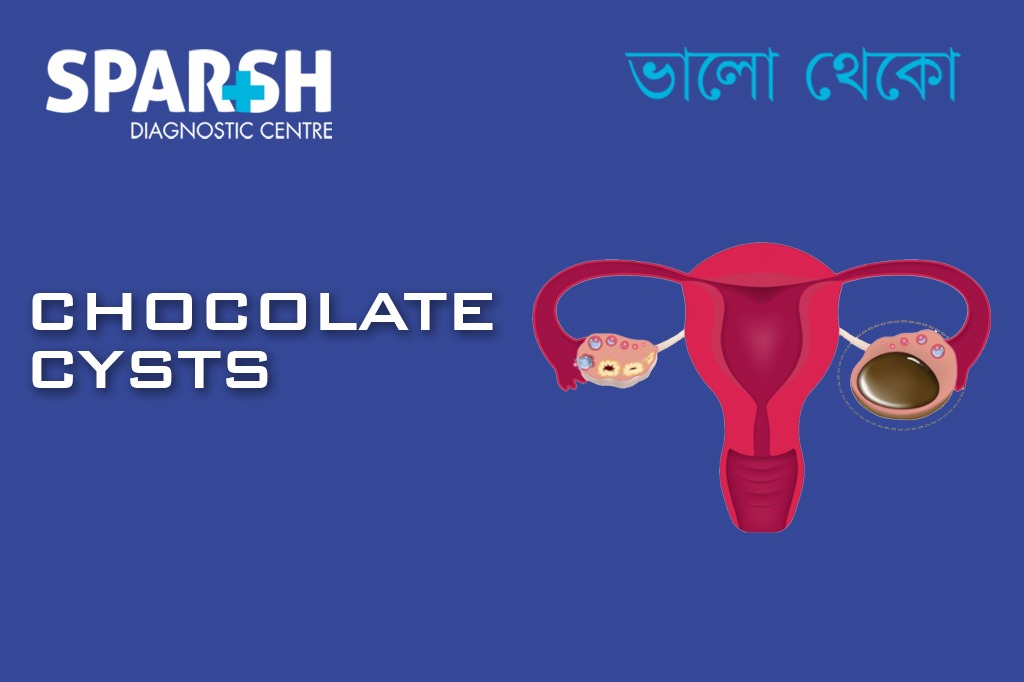
Chocolate cysts are ovarian cysts caused by endometriosis. Medically, they are called endometriomas. These cysts form when tissue similar to the lining of the uterus grows on or inside the ovaries.
During each menstrual cycle, this tissue behaves like uterine tissue — it thickens, breaks down, and bleeds. Because the blood has nowhere to go, it becomes trapped inside the cyst over time. The accumulated old blood turns dark brown, giving the cyst a thick, chocolate-like appearance. That is why they are known as “chocolate cysts.”
These cysts can vary in size. Some remain small and symptom-free, while others grow larger and cause significant pain and reproductive complications.
Understanding the Link Between Chocolate Cysts and Endometriosis
Chocolate cysts are strongly associated with endometriosis, a chronic condition where tissue similar to the uterine lining grows outside the uterus.
Common areas affected by endometriosis include:
- Ovaries
- Fallopian tubes
- Pelvic lining
- Bladder
- Intestines
- Rectum
When endometriosis affects the ovaries, chocolate cysts may develop. Studies suggest that a significant percentage of women with moderate to severe endometriosis also develop ovarian endometriomas.
Symptoms of Chocolate Cysts
Symptoms can vary widely from person to person. Some women experience severe discomfort, while others may not notice symptoms until fertility problems arise.
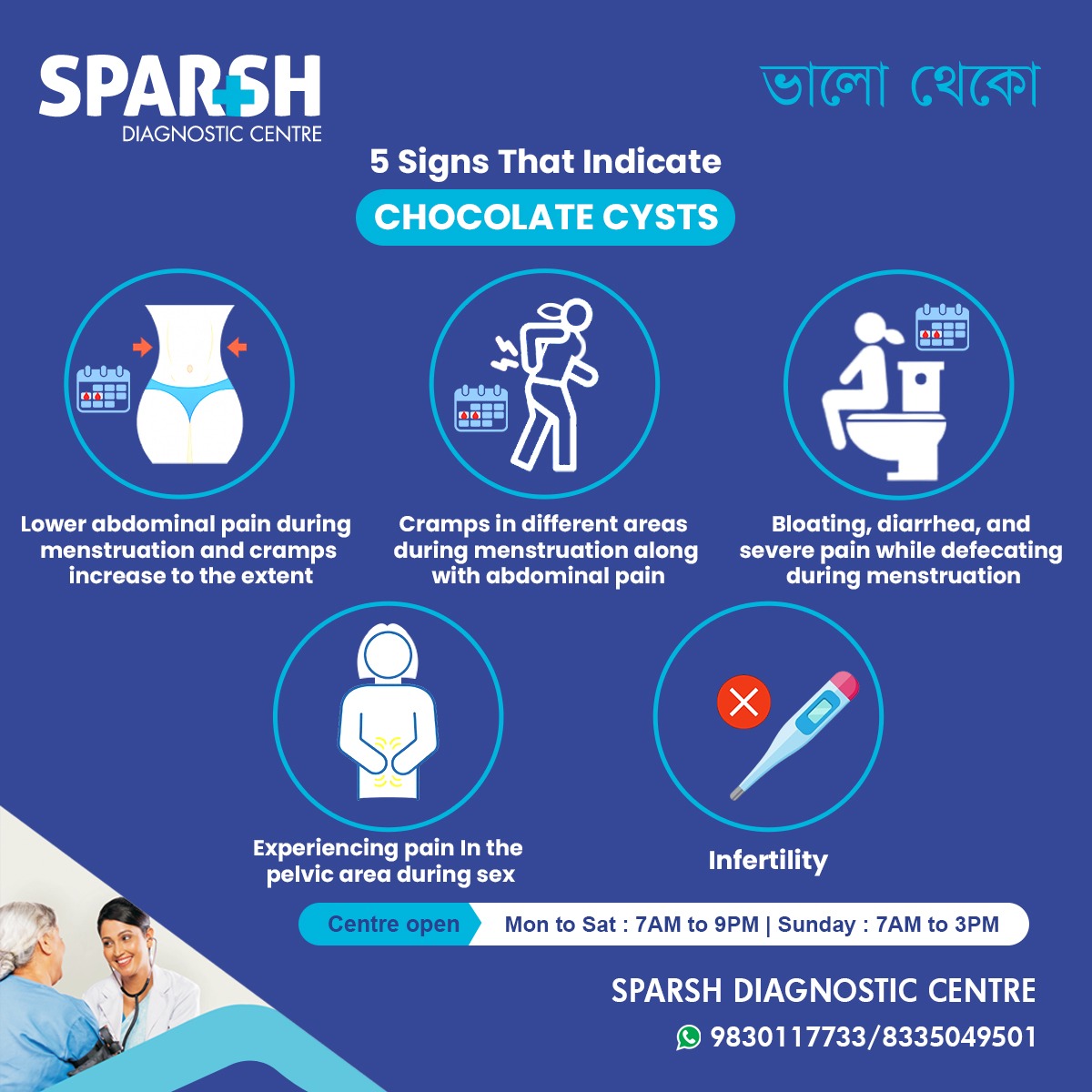
Common symptoms include:
Painful Periods
One of the hallmark signs is intense menstrual cramps that worsen over time. The pain may begin before menstruation and continue even after periods end.
Chronic Pelvic Pain
Pain in the lower abdomen or pelvic region may persist throughout the month, not just during periods.
Pain During Intercourse
Deep pelvic pain during or after sexual intercourse is common in women with endometriosis-related cysts.
Heavy Menstrual Bleeding
Some women experience unusually heavy periods or spotting between menstrual cycles.
Painful Bowel Movements or Urination
Symptoms may worsen during menstruation, especially if endometriosis affects nearby organs.
Bloating and Digestive Problems
Many women report bloating, diarrhea, constipation, nausea, or abdominal discomfort.
Infertility
Chocolate cysts can affect ovarian function and reduce fertility in some women.
Fatigue
Chronic inflammation and pain may lead to persistent tiredness and reduced energy levels.
What Causes Chocolate Cysts?
The exact cause is not fully understood, but researchers believe several factors contribute to the development of endometriosis and chocolate cysts.
Retrograde Menstruation
This occurs when menstrual blood flows backward through the fallopian tubes into the pelvic cavity instead of leaving the body normally.
Hormonal Imbalances
Estrogen plays a major role in endometriosis growth. High estrogen levels may stimulate abnormal tissue development.
Immune System Dysfunction
Some experts believe the immune system may fail to recognize and destroy misplaced endometrial-like tissue.
Genetics
Women with a family history of endometriosis are more likely to develop chocolate cysts.
Surgical Scarring
After surgeries such as cesarean sections or hysterectomies, endometrial tissue may attach to surgical scars.
Risk Factors for Chocolate Cysts
Certain factors increase the likelihood of developing chocolate cysts, including:
- Family history of endometriosis
- Early onset of menstruation
- Short menstrual cycles
- Heavy menstrual bleeding
- Never having given birth
- Delayed pregnancy
- Hormonal abnormalities
- Low body mass index in some cases
How are Chocolate Cysts diagnosed
Diagnosing chocolate cysts can sometimes be challenging because symptoms overlap with other gynecological conditions.
Medical History and Pelvic Examination
Doctors usually begin by reviewing symptoms, menstrual history, and pelvic pain patterns.
Ultrasound
A pelvic ultrasound is one of the most common imaging tests used to detect ovarian cysts. Chocolate cysts often appear as dense, fluid-filled masses.
MRI Scan
Magnetic resonance imaging may provide more detailed information, especially in complex cases.
Laparoscopy
Laparoscopy is considered the gold standard for diagnosing endometriosis. A thin camera is inserted through a small incision in the abdomen to directly visualize endometrial tissue and cysts.
Are Chocolate Cysts Dangerous?
Chocolate cysts are generally non-cancerous, but they can still cause serious health problems if left untreated.
Possible complications include:
- Chronic pelvic pain
- Ovarian damage
- Ruptured cysts
- Adhesions and scar tissue
- Fertility problems
- Ovarian torsion
- Rarely, increased risk of ovarian cancer in certain cases
Early diagnosis and management can help reduce complications.
Can Chocolate Cysts Affect Fertility?
Yes, chocolate cysts can impact fertility in several ways.
They may:
- Damage healthy ovarian tissue
- Reduce egg quality
- Interfere with ovulation
- Cause inflammation in the pelvic area
- Create adhesions that block fallopian tubes
However, many women with chocolate cysts still conceive naturally or with fertility treatments.
The severity of endometriosis, cyst size, age, and overall reproductive health all influence fertility outcomes.
Treatment Options for Chocolate Cysts
Treatment depends on factors such as age, symptom severity, cyst size, and future pregnancy plans.
Pain Management
Doctors may recommend pain-relieving medications such as nonsteroidal anti-inflammatory drugs (NSAIDs) to reduce cramps and pelvic discomfort.
Hormonal Therapy
Hormonal treatments help suppress endometriosis growth and prevent worsening symptoms.
Common options include:
- Birth control pills
- Progestin therapy
- Hormonal intrauterine devices (IUDs)
- Gonadotropin-releasing hormone (GnRH) agonists
Hormonal therapy may reduce pain but does not permanently eliminate cysts.
Surgical Removal
Surgery may be recommended if:
- The cyst is large
- Symptoms are severe
- Fertility is affected
- Cancer cannot be ruled out
- The cyst does not respond to medication
Laparoscopic cystectomy is the most common procedure used to remove chocolate cysts while preserving ovarian tissue.
Fertility Treatment
Women struggling to conceive may benefit from:
- Ovulation induction
- Intrauterine insemination (IUI)
- In vitro fertilization (IVF)
Fertility specialists often tailor treatment based on individual circumstances.
Can Chocolate Cysts Go Away Naturally?
Small chocolate cysts sometimes remain stable for years, but they rarely disappear completely on their own.
Unlike functional ovarian cysts, endometriomas are linked to chronic endometriosis and usually require ongoing monitoring or treatment.
Ignoring symptoms may allow the condition to worsen over time.
Lifestyle Changes That May Help Manage Symptoms
Lifestyle modifications cannot cure chocolate cysts, but they may help reduce inflammation and improve overall well-being.
Anti-Inflammatory Diet
Some women find symptom relief by eating foods rich in antioxidants and omega-3 fatty acids.
Helpful foods include:
- Fruits and vegetables
- Whole grains
- Fatty fish
- Nuts and seeds
- Olive oil
Reducing processed foods, excess sugar, and trans fats may also help.
Regular Exercise
Physical activity may improve blood circulation, reduce inflammation, and help manage stress.
Stress Reduction
Chronic stress can worsen pain perception. Meditation, yoga, breathing exercises, and adequate sleep may provide relief.
Heat Therapy
Heating pads and warm baths often help ease pelvic cramps.
Chocolate Cysts During Pregnancy
Pregnancy sometimes temporarily improves endometriosis symptoms due to hormonal changes. However, chocolate cysts may still require monitoring during pregnancy.
Most cysts remain stable, but large cysts occasionally pose complications such as rupture or ovarian torsion.
Doctors carefully monitor pregnant women with ovarian cysts to ensure maternal and fetal safety.
Recurrence of Chocolate Cysts
Unfortunately, chocolate cysts can recur even after treatment or surgery.
Recurrence rates vary depending on:
- Age
- Severity of endometriosis
- Hormonal factors
- Surgical technique
- Post-surgery hormone therapy
Long-term management often focuses on controlling symptoms and reducing recurrence risk.
When Should You See a Doctor?
Seek medical attention if you experience:
- Severe menstrual pain
- Persistent pelvic discomfort
- Pain during intercourse
- Difficulty becoming pregnant
- Heavy or irregular bleeding
- Sudden sharp pelvic pain
- Bloating with fever or nausea
Early intervention can improve quality of life and reproductive outcomes.
Difference Between Chocolate Cysts and Other Ovarian Cysts
Not all ovarian cysts are the same.
Functional Cysts
These develop during the menstrual cycle and often disappear naturally.
Dermoid Cysts
These contain tissues such as hair, fat, or teeth.
Cystadenomas
These are fluid-filled growths that develop on the ovary’s surface.
Chocolate Cysts
These specifically result from endometriosis and contain old menstrual blood.
Accurate diagnosis is important because treatment differs depending on the cyst type.
Preventing Chocolate Cysts
There is no guaranteed way to prevent chocolate cysts, but early management of endometriosis may reduce the risk.
Possible preventive measures include:
- Regular gynecological checkups
- Early treatment of pelvic pain
- Hormonal birth control when appropriate
- Maintaining a healthy lifestyle
- Monitoring recurring symptoms
Living With Chocolate Cysts
Living with chronic pelvic pain and hormonal symptoms can be emotionally exhausting. Many women struggle with anxiety, missed workdays, relationship stress, and fertility concerns.
Support groups, counseling, and open communication with healthcare providers can make a significant difference.
Treatment plans often require patience because what works for one person may not work for another. A personalized approach usually provides the best results.
Prognosis and Long-Term Outlook
The long-term outlook for women with chocolate cysts varies.
Some women experience mild symptoms that are manageable with medication, while others require surgery or fertility support.
With proper diagnosis and ongoing treatment, many women successfully manage symptoms and maintain a good quality of life.
Early medical care is especially important to minimize ovarian damage and protect fertility.
Frequently Asked Questions (FAQs)
What is a chocolate cyst?
A chocolate cyst is a type of ovarian cyst caused by endometriosis. It contains old, dark blood that gives it a chocolate-like appearance.
Are chocolate cysts cancerous?
Most chocolate cysts are benign and non-cancerous. However, doctors may recommend evaluation to rule out rare complications.
Can chocolate cysts cause infertility?
Yes, they can affect fertility by damaging ovarian tissue, interfering with ovulation, or causing pelvic adhesions.
Can chocolate cysts disappear without treatment?
They rarely disappear completely on their own and often require monitoring or treatment.
What size chocolate cyst requires surgery?
The need for surgery depends on symptoms, fertility concerns, growth rate, and overall health, not just size alone.
Is pregnancy possible with chocolate cysts?
Yes, many women with chocolate cysts conceive naturally or with fertility treatment.
How painful are chocolate cysts?
Pain severity varies. Some women experience mild discomfort, while others have debilitating pelvic pain.
Can exercise help with symptoms?
Regular exercise may help reduce inflammation, improve mood, and ease pelvic discomfort.
Do chocolate cysts return after surgery?
Yes, recurrence is possible, especially if underlying endometriosis remains active.
What foods should be avoided with endometriosis?
Some women benefit from limiting processed foods, red meat, refined sugar, and trans fats, though dietary responses vary individually.
Chocolate cysts are more than just ovarian cysts — they are a manifestation of endometriosis that can affect physical health, emotional well-being, and fertility. Because symptoms are often mistaken for “normal” menstrual pain, many women go undiagnosed for years.
Persistent pelvic pain, painful periods, and fertility difficulties should never be ignored. Timely diagnosis and a tailored treatment plan can significantly improve quality of life and reproductive health.
If you suspect you may have chocolate cysts or endometriosis, consulting a gynecologist early can make a meaningful difference in long-term outcomes.
To consult a Gynecologist at Sparsh Diagnostic Centre, call our helpline numbers 9830117733/ 8335049501.
#BhaloTheko
Disclaimer:
No content on this site, regardless of date, should ever be used as a substitute for direct medical advice from your doctor or other qualified clinician.



I had never heard of chocolate cysts before reading this article. The explanation was simple and really informative.