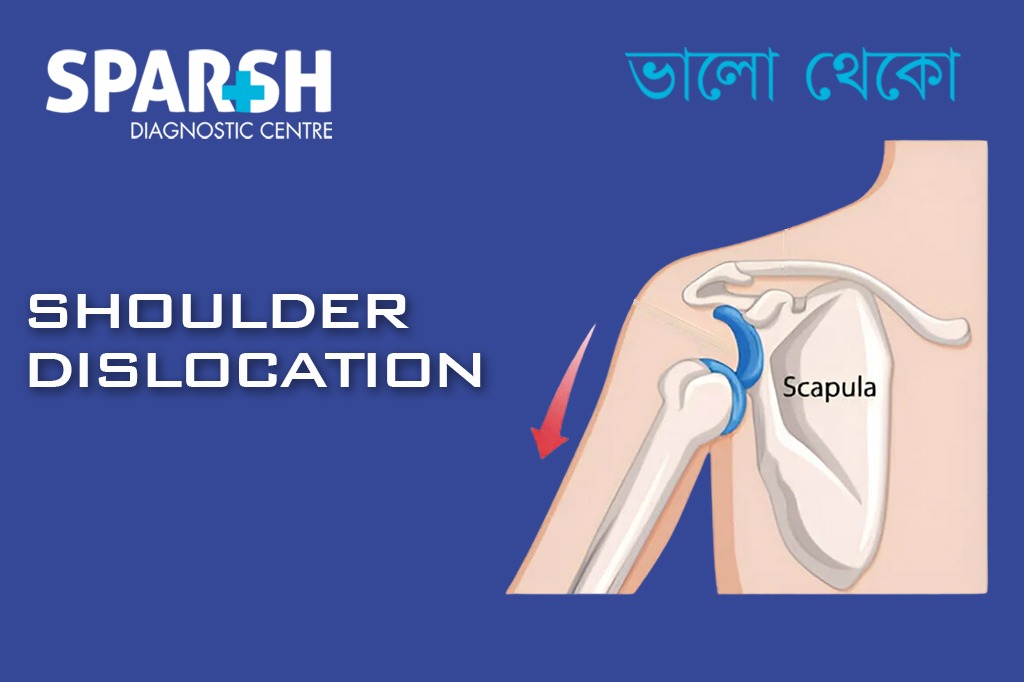
A dislocated shoulder is one of the most painful joint injuries a person can experience. It happens when the upper arm bone pops out of the shoulder socket, often after a fall, sports injury, accident, or sudden impact. Because the shoulder joint has a wide range of motion, it is also more vulnerable to instability and dislocation than many other joints in the body.
While a dislocated shoulder can look alarming, prompt medical care and proper rehabilitation usually lead to a full recovery. However, ignoring the injury or returning to activity too soon can increase the risk of repeated dislocations and long-term shoulder instability.
In this guide, we’ll cover everything you need to know about dislocated shoulders, including symptoms, causes, diagnosis, treatment options, recovery timelines, exercises, and prevention tips.
What Is a Dislocated Shoulder?
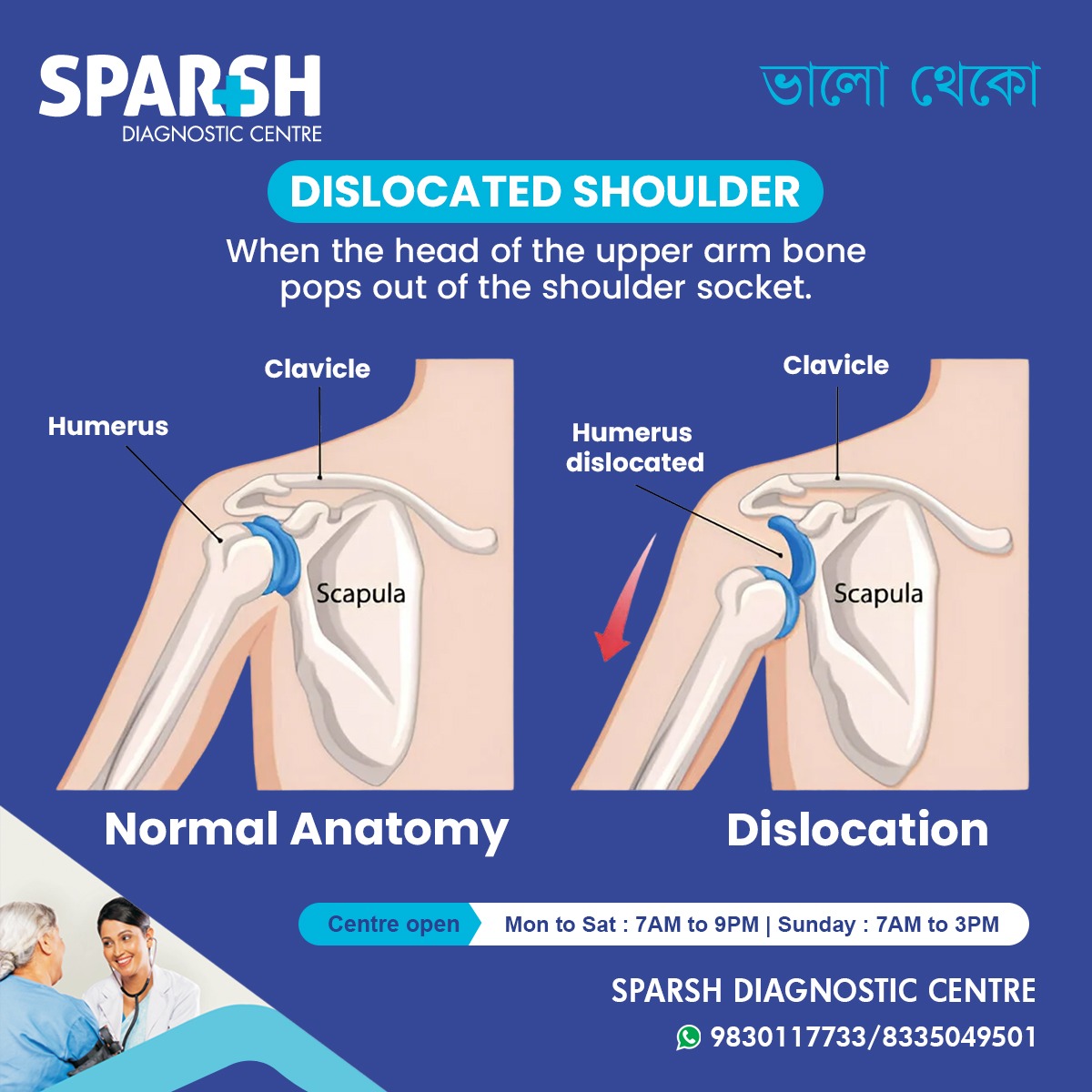
The shoulder is a ball-and-socket joint made up of:
- The humerus (upper arm bone)
- The scapula (shoulder blade)
- The clavicle (collarbone)
The rounded top of the humerus fits into a shallow socket in the scapula called the glenoid. A network of muscles, ligaments, tendons, and cartilage keeps the joint stable.
A shoulder dislocation occurs when the head of the humerus is forced out of the socket. In most cases, the bone slips forward, known as an anterior shoulder dislocation. Less commonly, it can move backward or downward.
A dislocated shoulder is different from a separated shoulder. A separated shoulder involves injury to the ligaments around the collarbone, while a dislocation affects the main shoulder joint itself.
Types of Shoulder Dislocation
1. Anterior Shoulder Dislocation
This is the most common type, accounting for the majority of cases. The upper arm bone moves forward out of the socket.
2. Posterior Shoulder Dislocation
The humerus moves backward. This type is less common and may occur after seizures, electric shocks, or severe trauma.
3. Inferior Shoulder Dislocation
A rare form where the arm bone moves downward. It is often associated with significant soft tissue injury.
Symptoms of a Dislocated Shoulder
A dislocated shoulder usually causes immediate and intense pain. Common symptoms include:
- Severe shoulder pain
- Visible deformity or abnormal shoulder shape
- Swelling and bruising
- Inability to move the arm
- Weakness in the shoulder
- Numbness or tingling in the arm or fingers
- Muscle spasms around the joint
- Shoulder instability
Many people describe the shoulder as feeling “out of place” or “hanging loose.”
In some cases, the dislocation may also damage nearby nerves, blood vessels, cartilage, or tendons.
Causes of a Dislocated Shoulder
A shoulder dislocation can happen to anyone, but it is especially common in athletes and physically active individuals.
Common causes include:
Sports Injuries
Contact sports like football, rugby, hockey, wrestling, and basketball increase the risk. Falling on an outstretched arm is another common trigger.
Falls
Slipping on stairs, wet floors, or uneven surfaces can force the shoulder out of position.
Motor Vehicle Accidents
Car or bike accidents can generate enough force to dislocate the shoulder.
Workplace Injuries
Heavy lifting or traumatic injuries at work may lead to shoulder dislocation.
Previous Shoulder Dislocation
Once the shoulder has dislocated before, the risk of future dislocations increases significantly.
Risk Factors
Certain factors make shoulder dislocation more likely:
- Playing contact sports
- Being between 15 and 30 years old
- Previous shoulder instability
- Weak shoulder muscles
- Hypermobile joints
- Poor posture
- High-impact activities
Young athletes tend to have a higher recurrence rate after the first dislocation.
How Is a Dislocated Shoulder Diagnosed?
A doctor can often identify a dislocated shoulder through physical examination and medical history. Imaging tests are usually performed to confirm the diagnosis and rule out fractures.
Physical Examination
The doctor checks:
- Shoulder shape and alignment
- Range of motion
- Swelling and tenderness
- Nerve and blood vessel function
X-rays
X-rays help confirm the direction of the dislocation and identify associated fractures.
MRI Scan
An MRI may be recommended if there is concern about ligament tears, cartilage damage, or rotator cuff injuries.
CT Scan
A CT scan provides detailed images of bone injuries and complex dislocations.
First Aid for a Dislocated Shoulder
A dislocated shoulder requires immediate medical attention. Do not try to force the joint back into place yourself.
What You Should Do
- Keep the arm still
- Use a sling or support
- Apply ice to reduce swelling
- Seek emergency medical care
What You Should Avoid
- Do not attempt self-reduction
- Do not massage the area
- Do not move the shoulder excessively
Improper handling can worsen nerve, ligament, or blood vessel injuries.
Treatment for a Dislocated Shoulder
Treatment focuses on returning the shoulder to its normal position, relieving pain, and restoring joint stability.
Closed Reduction
A doctor carefully manipulates the arm to guide the humerus back into the socket. This procedure is called a closed reduction.
Pain relief or muscle relaxants may be used during the procedure.
Once the shoulder is back in place, pain often improves dramatically.
Immobilization
After reduction, the shoulder is usually placed in a sling for a few days or weeks to allow healing.
The duration depends on:
- Age
- Severity of injury
- Activity level
- Presence of associated damage
Medications
Doctors may recommend:
- Pain relievers
- Anti-inflammatory medications
- Muscle relaxants
These help manage pain and swelling during recovery.
Physical Therapy
Rehabilitation is essential after a dislocated shoulder.
Physical therapy helps:
- Restore range of motion
- Strengthen shoulder muscles
- Improve joint stability
- Reduce recurrence risk
Recovery exercises are introduced gradually.
Surgery for Dislocated Shoulder
Surgery may be necessary in cases involving:
- Recurrent dislocations
- Torn ligaments
- Labral tears
- Fractures
- Severe instability
- Nerve or blood vessel injury
Common surgical procedures include:
- Arthroscopic stabilization
- Bankart repair
- Latarjet procedure
Surgery is especially common in younger athletes with repeated dislocations.
Recovery Time for a Dislocated Shoulder
Recovery varies depending on the severity of the injury and treatment method.
Typical Recovery Timeline
- Mild cases: 2–4 weeks
- Moderate injuries: 6–12 weeks
- Surgical recovery: Several months
Athletes may require longer rehabilitation before returning to sports.
Returning too early can increase the risk of reinjury.
Exercises for Shoulder Rehabilitation
Rehabilitation exercises should only be performed under professional guidance.
Common exercises include:
Pendulum Swings
Gentle arm swinging improves mobility.
Shoulder Blade Squeezes
Strengthens stabilizing muscles.
Resistance Band Exercises
Improves shoulder strength gradually.
Rotator Cuff Strengthening
Supports joint stability and prevents recurrence.
Consistency is key during rehabilitation.
Complications of a Dislocated Shoulder
Without proper treatment, complications may develop.
Recurrent Dislocations
The shoulder may become unstable and dislocate repeatedly.
Nerve Damage
Injury to nearby nerves can cause weakness or numbness.
Rotator Cuff Tears
Especially common in older adults.
Arthritis
Repeated injuries can increase the risk of shoulder arthritis later in life.
Chronic Instability
Some people experience ongoing looseness or fear of movement.
Preventing Shoulder Dislocation
While not every injury can be prevented, certain strategies reduce the risk.
Strengthen Shoulder Muscles
Strong rotator cuff and shoulder blade muscles improve stability.
Warm Up Before Exercise
Proper warm-ups reduce injury risk.
Use Proper Sports Technique
Correct form and conditioning matter.
Wear Protective Gear
Athletes in contact sports should use appropriate protection.
Avoid Repetitive Overhead Strain
Repeated stress can weaken the shoulder over time.
When to See a Doctor
Seek immediate medical attention if you experience:
- Sudden severe shoulder pain
- Visible deformity
- Inability to move the arm
- Numbness or tingling
- Swelling after trauma
Delaying treatment may worsen the injury and increase recovery time.
Living With a Dislocated Shoulder
A shoulder dislocation can affect daily life, work, sports, and sleep. The recovery process may feel frustrating, especially for active individuals, but proper rehabilitation makes a major difference.
Many people recover fully and return to normal activities. The key is following medical advice, completing rehabilitation exercises, and avoiding premature strain on the joint.
People with recurrent instability may need ongoing strengthening programs or surgical treatment to maintain long-term shoulder function.
Dislocated Shoulder in Athletes
Athletes are particularly vulnerable to shoulder dislocations due to high-impact movement and repeated overhead activity.
Sports commonly associated with shoulder dislocation include:
- Football
- Cricket
- Tennis
- Basketball
- Swimming
- Volleyball
- Wrestling
Sports medicine specialists often focus on:
- Stability training
- Neuromuscular control
- Gradual return-to-play programs
Preventive strengthening is critical after recovery.
Dislocated Shoulder in Older Adults
Older adults may experience shoulder dislocations after falls. In this age group, associated injuries like rotator cuff tears are more common.
Recovery may take longer due to:
- Reduced muscle strength
- Bone density changes
- Slower tissue healing
Fall prevention strategies become especially important.
Mental Impact of Shoulder Injuries
Many people become anxious about moving the shoulder after a dislocation. Fear of reinjury is common, especially among athletes.
Physical therapy often includes confidence-building exercises to help restore normal movement patterns and reduce hesitation.
Emotional recovery is just as important as physical healing.
Frequently Asked Questions (FAQs)
Is a dislocated shoulder an emergency?
Yes. A dislocated shoulder requires prompt medical attention to avoid complications such as nerve damage or chronic instability.
Can a dislocated shoulder heal on its own?
No. The joint usually needs to be professionally repositioned. Delaying treatment can worsen the injury.
How painful is a dislocated shoulder?
It is typically very painful, especially immediately after the injury occurs.
Can I move my arm with a dislocated shoulder?
Most people have significant difficulty moving the arm due to pain and instability.
How long should I wear a sling?
This depends on the severity of the injury and your doctor’s recommendation. It may range from a few days to several weeks.
Will my shoulder dislocate again?
There is a risk of recurrence, especially in younger individuals and athletes.
Can physical therapy prevent future dislocations?
Yes. Strengthening and stabilization exercises help reduce the risk of recurrence.
Is surgery always necessary?
No. Many first-time dislocations can be treated without surgery, although recurrent instability may require surgical repair.
Can I sleep on the injured shoulder?
It is best to avoid sleeping on the affected side until healing improves.
When can I return to sports?
Return-to-play timing varies, but full recovery and medical clearance are important before resuming sports.
A dislocated shoulder is a serious but treatable injury that can happen during sports, falls, accidents, or everyday activities. The pain and sudden loss of movement can feel overwhelming, but with early treatment and proper rehabilitation, most people recover well.
Understanding the symptoms, causes, treatment options, and prevention strategies can help you respond quickly and protect long-term shoulder health. Whether you are an athlete, working professional, or older adult, strengthening the shoulder and following recovery guidelines are essential for preventing future dislocations.
If you suspect a shoulder dislocation, seek medical attention immediately rather than trying to fix it yourself. Early care can make recovery smoother and reduce the risk of lasting complications.
To consult an Orthopedic Surgeon at Sparsh Diagnostic Centre, call our helpline numbers 9830117733/ 8335049501.
#BhaloTheko
Disclaimer:
No content on this site, regardless of date, should ever be used as a substitute for direct medical advice from your doctor or other qualified clinician.