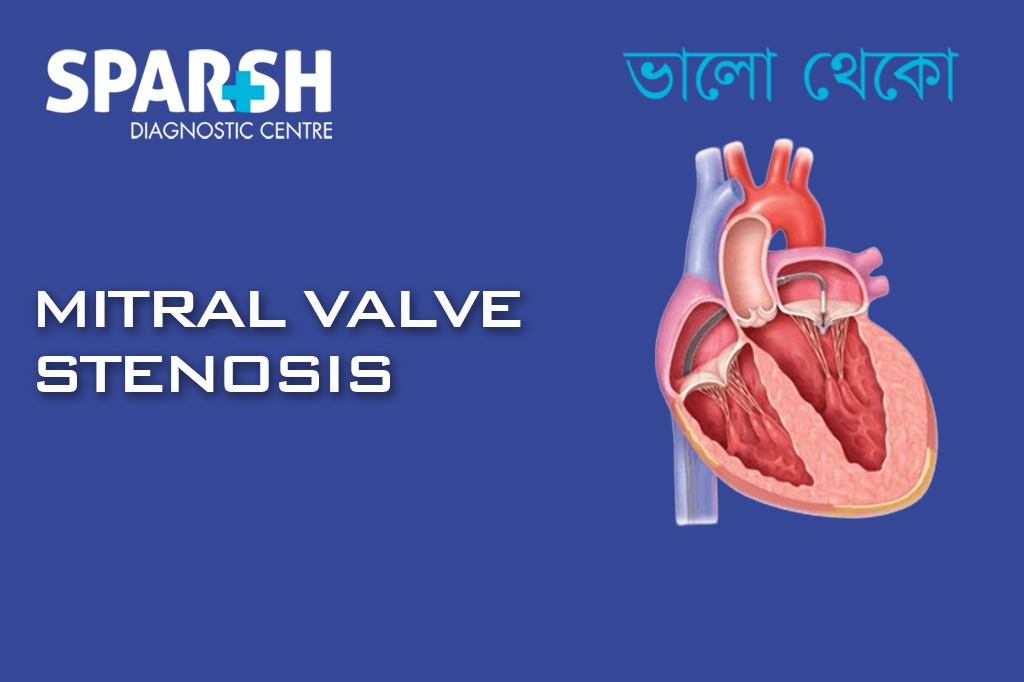
When it comes to heart health, even small changes in structure can have a big impact on how your body functions. One such condition is Mitral Valve Stenosis—a narrowing of one of the heart’s key valves that can gradually disrupt normal blood flow.
While it may sound complex, understanding this condition is simpler than you think. Let’s break it down in a clear way—so you know what to watch for, why it happens, and how it can be treated effectively.
What Is Mitral Valve Stenosis?
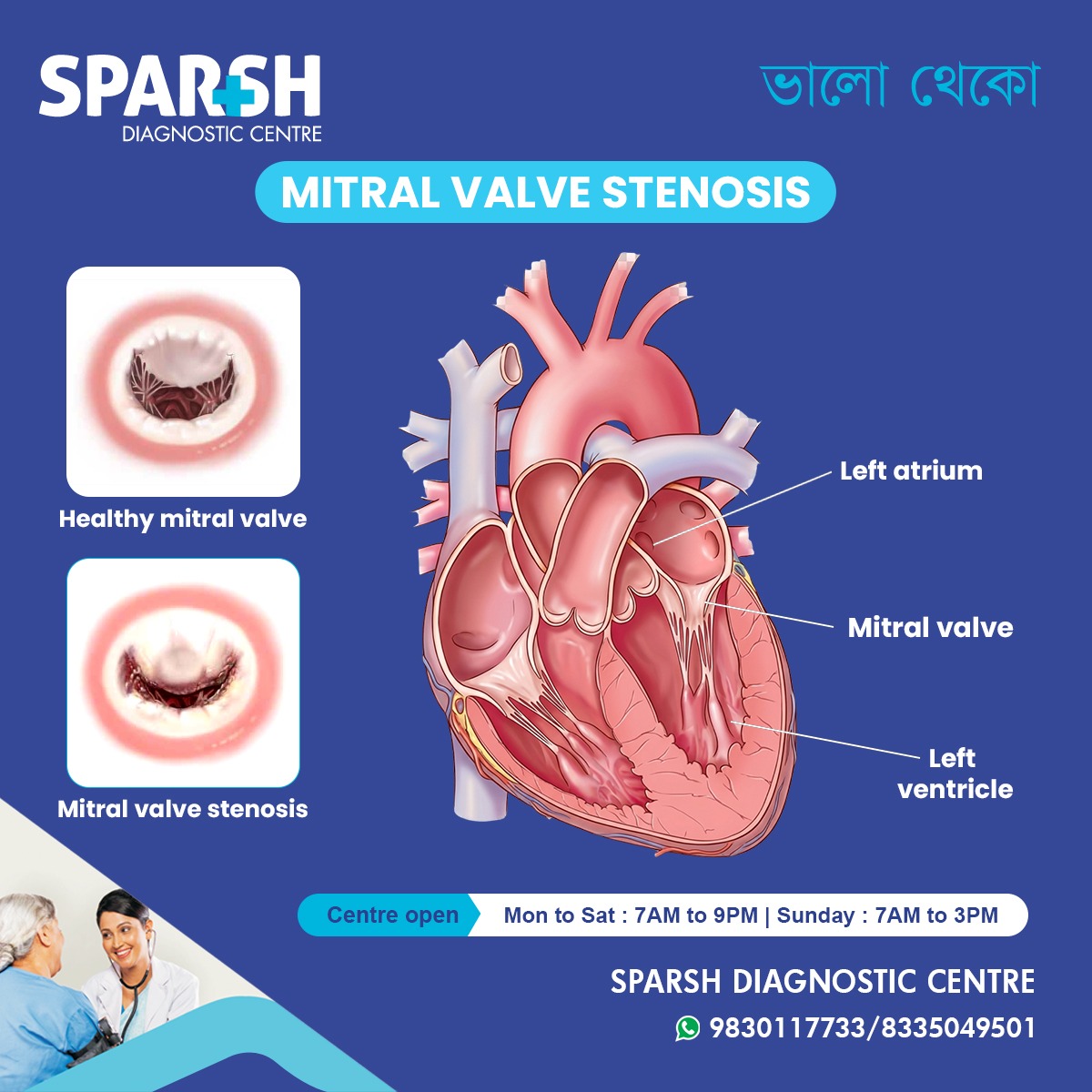
The heart has four valves that ensure blood flows in the right direction. The mitral valve sits between the left atrium and the left ventricle. In a healthy heart, this valve opens fully to allow blood to pass through easily.
In mitral valve stenosis, the valve becomes narrowed or stiff. This restricts blood flow from the left atrium to the left ventricle. Over time, this can lead to increased pressure in the heart and lungs, causing a range of symptoms.
Why Does Mitral Valve Stenosis Happen?
The most common cause worldwide is rheumatic fever, a complication of untreated strep throat. Although less common today in many regions, it still remains a leading cause in developing countries, including India.
Other causes include:
- Calcium deposits on the valve (more common with aging)
- Congenital heart defects (present from birth)
- Autoimmune diseases
- Radiation therapy to the chest (rare but possible)
In many cases, the condition develops slowly over years—even decades—before symptoms appear.
What Happens Inside the Heart?
To understand the impact, imagine a doorway that’s partially blocked. Blood struggles to pass through the narrowed mitral valve, leading to:
- Increased pressure in the left atrium
- Backflow pressure into the lungs
- Reduced blood flow to the rest of the body
Eventually, this strain can enlarge the atrium and affect overall heart function.
Common Symptoms You Shouldn’t Ignore
Symptoms often develop gradually, and many people may not notice them early on. But as the condition progresses, signs become more noticeable.
Early Symptoms
- Shortness of breath during physical activity
- Fatigue
- Reduced exercise tolerance
Advanced Symptoms
- Breathlessness even at rest or while lying down
- Persistent cough (sometimes with blood-tinged sputum)
- Chest discomfort
- Heart palpitations or irregular heartbeat
- Swelling in feet or ankles (in later stages)
Symptoms may worsen during pregnancy, infections, or stress, as the heart has to work harder.
When Should You See a Doctor?
Don’t wait for symptoms to become severe. Seek medical advice if you experience:
- Unexplained breathlessness
- Rapid or irregular heartbeat
- Fatigue that doesn’t improve with rest
Early diagnosis can prevent complications and improve outcomes significantly.
How Is Mitral Valve Stenosis Diagnosed?
Doctors use a combination of physical exams and tests to confirm the condition.
1. Physical Examination
A doctor may hear a heart murmur using a stethoscope—often the first clue.
2. Echocardiogram (Echo)
This is the most important test. It uses sound waves to create images of the heart and shows how well the valve is working.
3. Electrocardiogram (ECG)
Helps detect irregular heart rhythms like atrial fibrillation.
4. Chest X-ray
Can show enlargement of the heart or fluid buildup in the lungs.
5. Cardiac Catheterization
Used in certain cases to measure pressure inside the heart.
Severity Levels of Mitral Valve Stenosis
Doctors classify the condition based on how narrow the valve has become:
- Mild – Minimal symptoms, often monitored
- Moderate – Noticeable symptoms with exertion
- Severe – Significant restriction, symptoms even at rest
Treatment decisions are based on this severity.
What Are Your Treatment Choices?
Treatment depends on how advanced the condition is and how severe the symptoms are.
1. Medications
While medicines cannot fix the narrowed valve, they help manage symptoms:
- Diuretics – Reduce fluid buildup
- Beta-blockers or calcium channel blockers – Control heart rate
- Blood thinners – Prevent clots, especially if atrial fibrillation is present
2. Balloon Valvotomy (Minimally Invasive Procedure)
Also called percutaneous mitral balloon valvuloplasty, this is often the preferred treatment.
- A balloon is inserted via a catheter
- It is inflated to widen the valve opening
- No major surgery required
This procedure works best when the valve structure is still flexible.
3. Surgery
In more severe cases, surgery may be needed:
Mitral Valve Repair
- Preserves the natural valve
- Preferred when possible
Mitral Valve Replacement
- The damaged valve is replaced with:
- A mechanical valve (long-lasting but requires lifelong blood thinners)
- A biological valve (less durable but fewer medication needs)
Lifestyle Changes That Make a Difference
Even with medical treatment, lifestyle plays a huge role in managing symptoms.
What You Can Do:
- Follow a low-sodium diet
- Stay physically active (as advised by your doctor)
- Avoid smoking and alcohol
- Manage stress effectively
- Maintain a healthy weight
Important Tip:
Always inform your doctor before pregnancy or major surgery, as this condition requires special care in such situations.
Possible Complications
If left untreated, mitral valve stenosis can lead to serious issues:
- Atrial fibrillation (irregular heartbeat)
- Blood clots, increasing stroke risk
- Pulmonary hypertension (high blood pressure in lungs)
- Heart failure
The good news? With timely treatment, most of these complications can be prevented.
Living with Mitral Valve Stenosis
A diagnosis doesn’t mean your life stops—it simply means you need to be more mindful of your health.
Regular follow-ups, medication adherence, and healthy habits can help you live a full and active life.
Many people continue normal routines, especially when the condition is detected early and managed properly.
Prevention: Can It Be Avoided?
Not all cases are preventable, but you can reduce your risk:
- Treat strep throat infections promptly
- Complete full courses of antibiotics
- Get regular health check-ups
- Monitor heart health if you have a history of rheumatic fever
Frequently Asked Questions (FAQs)
1. Is mitral valve stenosis life-threatening?
It can be serious if left untreated, but with early diagnosis and proper treatment, most people manage it well and live normal lives.
2. Can mitral valve stenosis be cured?
The condition itself cannot be reversed, but procedures like balloon valvotomy or surgery can effectively restore normal blood flow.
3. How long can someone live with mitral valve stenosis?
Life expectancy depends on severity and treatment. With proper care, many patients live long and healthy lives.
4. Is exercise safe with this condition?
Yes, but only under medical guidance. Mild to moderate activity is usually encouraged, while intense exertion may be restricted.
5. Can mitral valve stenosis return after treatment?
Yes, especially after balloon valvotomy. Regular monitoring is essential.
6. Is surgery always required?
No. Many cases are managed with medication and monitoring. Surgery is recommended only when symptoms become severe.
7. What foods should be avoided?
Limit salt, processed foods, and unhealthy fats. Focus on heart-friendly foods like fruits, vegetables, and whole grains.
8. Can young people get mitral valve stenosis?
Yes, especially if they had rheumatic fever in childhood.
To consult a Cardiologist at Sparsh Diagnostic Centre, call our helpline numbers 9830117733/ 8335049501.
#BhaloTheko
Disclaimer:
No content on this site, regardless of date, should ever be used as a substitute for direct medical advice from your doctor or other qualified clinician.