Male yeast infections aren’t talked about nearly as much as they should be. Many people assume yeast infections are only a women’s health issue — but that’s simply not true. Men can develop them too, and while they’re usually not dangerous, they can be uncomfortable, frustrating, and sometimes embarrassing.
The good news? Male yeast infections are common, treatable, and often easy to prevent once you understand what’s going on.
Let’s walk through everything you need to know — in clear, practical language — so you can recognize the symptoms early and take the right steps.
What Is a Male Yeast Infection?
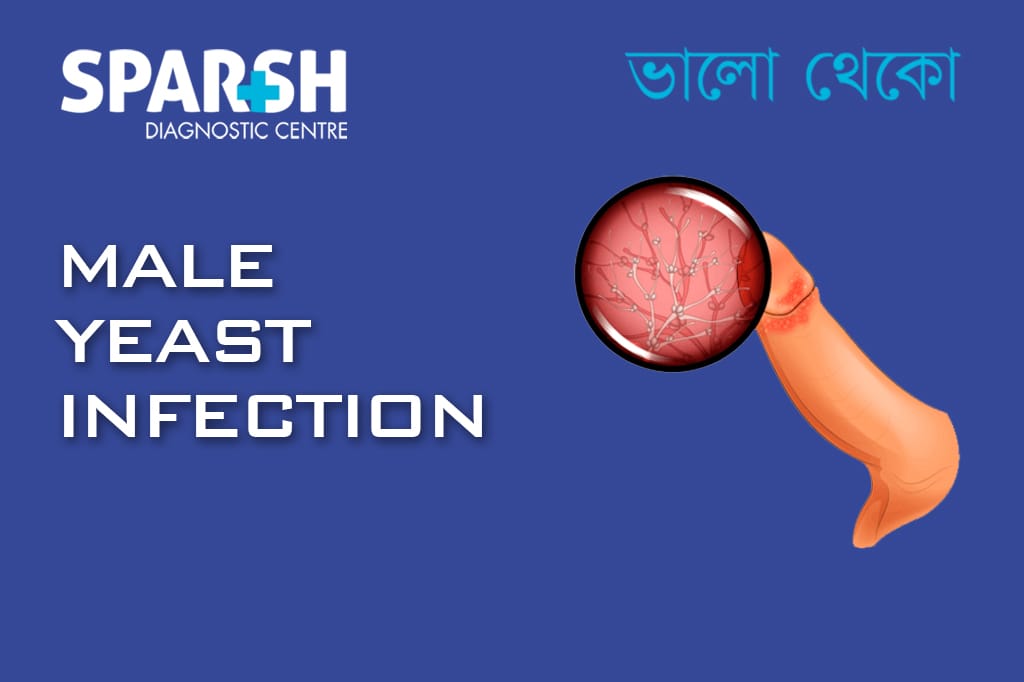
A male yeast infection is a fungal infection caused by an overgrowth of Candida, most commonly Candida albicans. Candida is a type of fungus that naturally lives on your skin and inside your body, including the mouth, gut, and genital area.
Under normal circumstances, it coexists peacefully with other microorganisms. But when the balance is disrupted — due to moisture, antibiotics, diabetes, or weakened immunity — Candida can multiply rapidly and cause infection.
When this happens on or around the penis, it’s often referred to as:
Penile yeast infection
Candidal balanitis (infection of the head of the penis)
Balanoposthitis (infection of the head and foreskin)
How Common Are Male Yeast Infections?
Male yeast infections are more common than most people think. They are especially frequent in:
Uncircumcised men
Men with diabetes
Men taking antibiotics
Those with weakened immune systems
Individuals with poor genital hygiene
Men whose partners have recurrent vaginal yeast infections
While it’s not classified strictly as a sexually transmitted infection (STI), it can be passed between sexual partners.
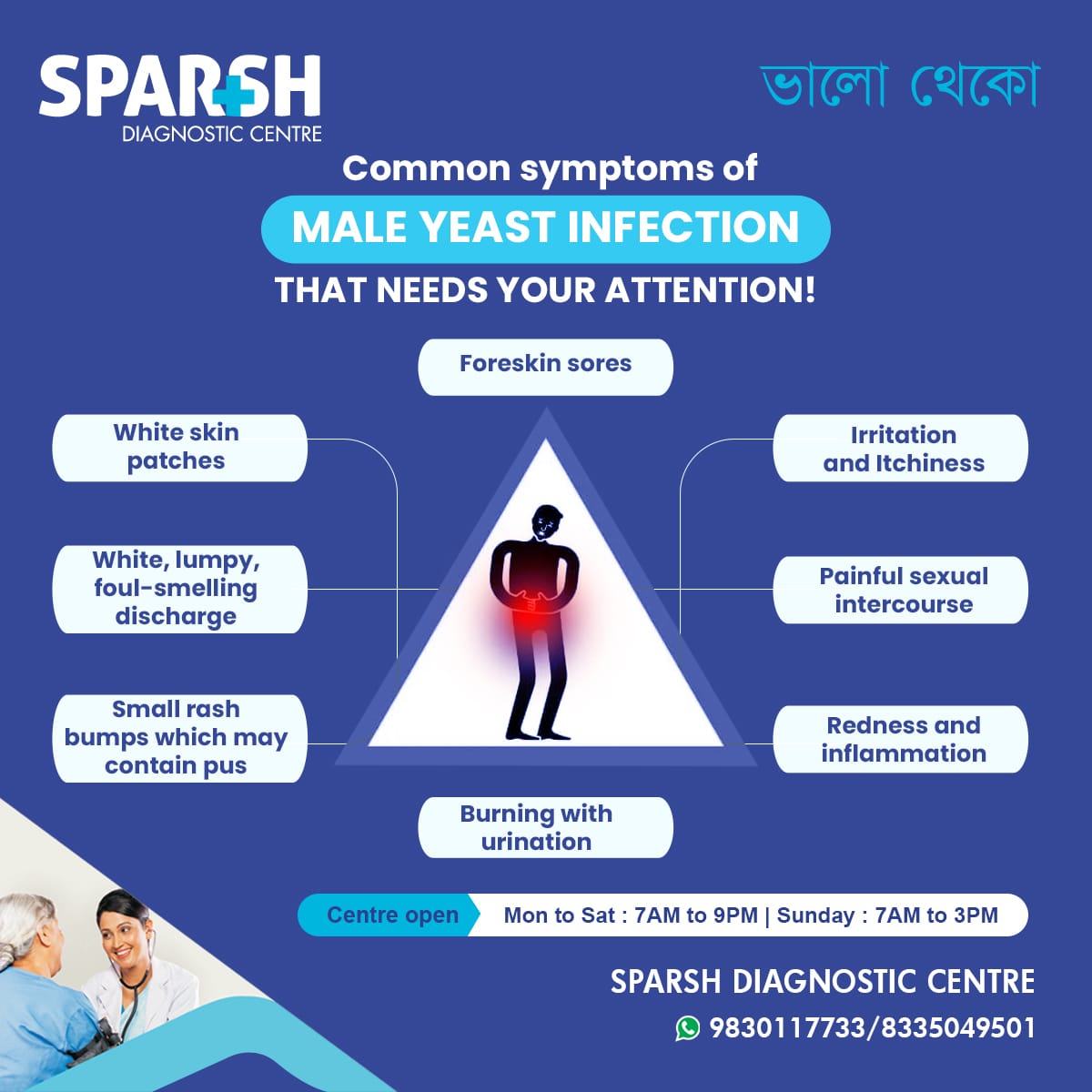
Common Symptoms of Male Yeast Infection
Symptoms can range from mild irritation to more uncomfortable inflammation. Some men experience only minor discomfort, while others have more noticeable signs.
Here are the most common symptoms:
1. Redness and Inflammation
The head of the penis may appear red, swollen, or irritated.
2. Itching and Irritation
Persistent itching around the tip or under the foreskin is a hallmark symptom.
3. Burning Sensation
You may notice burning, especially during urination or after sexual activity.
4. White Skin Patches
Thick, white patches or areas of shiny skin may develop.
5. White, Lumpy Discharge
Some men notice a thick, white discharge under the foreskin that may have an unpleasant odor.
6. Small Rash Bumps
Tiny red bumps may appear, sometimes containing pus.
7. Foreskin Problems
In uncircumcised men, the foreskin may feel tight or difficult to retract.
8. Pain During Sexual Intercourse
Inflammation can make sexual activity uncomfortable or painful.
If symptoms persist for more than a few days or worsen, it’s important to seek medical evaluation.
What Causes Male Yeast Infections?
A yeast infection doesn’t just happen randomly — there’s usually a trigger that disrupts the natural balance.
1. Antibiotic Use
Antibiotics kill bacteria, including the “good” bacteria that keep yeast in check. Without that balance, Candida can overgrow.
2. Diabetes
High blood sugar creates an environment where yeast thrives. Poorly controlled diabetes significantly increases risk.
3. Poor Hygiene
Infrequent washing, especially under the foreskin, allows moisture and yeast to accumulate.
4. Excess Moisture
Sweating, tight clothing, or staying in damp underwear creates a warm, moist environment ideal for fungal growth.
5. Unprotected Sexual Contact
Having sex with a partner who has a vaginal yeast infection can increase risk.
6. Weakened Immune System
Conditions like HIV, cancer treatments, or chronic illness can lower your ability to fight infections.
Is a Male Yeast Infection a Sexually Transmitted Infection?
Technically, no — but it can be transmitted during sexual activity.
Candida is not classified as an STI because it normally exists in the body. However, it can pass between partners, especially if one has an active infection.
If one partner keeps getting recurrent infections, both partners may need evaluation and treatment.
How Is a Male Yeast Infection Diagnosed?
In many cases, diagnosis is straightforward.
A healthcare provider will:
Review symptoms
Perform a physical examination
Possibly take a swab sample (if diagnosis is unclear)
Sometimes symptoms may resemble other conditions, such as:
Bacterial infections
Sexually transmitted infections
That’s why proper evaluation is important if symptoms don’t improve quickly.
Treatment Options for Male Yeast Infection
The good news? Treatment is usually simple and effective.
1. Topical Antifungal Creams
These are the first-line treatment and include:
Clotrimazole
Miconazole
Ketoconazole
They’re typically applied twice daily for 1–2 weeks.
2. Oral Antifungal Medication
In more severe or recurrent cases, doctors may prescribe:
Fluconazole (single oral dose)
3. Hygiene Improvements
Proper washing and drying of the genital area is essential during treatment.
4. Managing Underlying Conditions
If diabetes or immune issues are present, addressing those conditions is critical for long-term control.
Most infections clear up within a week or two with proper treatment.
Home Care Tips During Recovery
While antifungal treatment works, these supportive measures can speed recovery:
Wash gently with warm water (avoid harsh soaps)
Dry thoroughly before dressing
Wear loose, breathable cotton underwear
Avoid sexual activity until symptoms resolve
Avoid scented products
These simple steps reduce irritation and help restore balance.
What Happens If You Don’t Treat It?
In many cases, symptoms may worsen rather than resolve.
Possible complications include:
Persistent inflammation
Cracks or painful sores
Recurrent infections
Increased risk of secondary bacterial infection
Tight foreskin (phimosis) in uncircumcised men
Though serious complications are rare, untreated infection can significantly impact comfort and sexual health.
Can Male Yeast Infections Come Back?
Yes — especially if underlying risk factors aren’t addressed.
Common reasons for recurrence:
Poorly controlled diabetes
Repeated antibiotic use
Ongoing sexual transmission
Inadequate hygiene
Weak immune system
If infections happen repeatedly, a healthcare provider may investigate further.
Prevention Tips: How to Reduce Your Risk
Prevention is often easier than treatment.
Maintain Good Hygiene
Wash daily, especially under the foreskin if uncircumcised.
Keep the Area Dry
Change out of sweaty clothes promptly.
Wear Breathable Fabrics
Cotton underwear allows airflow and reduces moisture.
Control Blood Sugar
If you have diabetes, maintaining healthy blood glucose levels is crucial.
Avoid Unnecessary Antibiotics
Only take antibiotics when prescribed.
Practice Safe Sex
Use protection if your partner has an active yeast infection.
Small lifestyle adjustments make a big difference.
Male Yeast Infection vs. Other Conditions
Because symptoms overlap, it’s important to distinguish yeast infection from:
Sexually Transmitted Infections
STIs may cause discharge and irritation but often include additional symptoms like ulcers or systemic illness.
Bacterial Infections
These may produce more severe swelling and foul-smelling discharge.
Skin Conditions
Psoriasis or eczema can mimic yeast infection but require different treatment.
When in doubt, a medical exam provides clarity.
When Should You See a Doctor?
Seek medical attention if:
Symptoms last more than a week
Pain is severe
You have diabetes
You experience recurrent infections
There is thick discharge with strong odor
You notice ulcers or open sores
Early treatment prevents complications and speeds recovery.
Psychological Impact: Why Men Delay Treatment
Many men ignore symptoms due to embarrassment or misunderstanding.
Common thoughts include:
“It will go away on its own.”
“Men don’t get yeast infections.”
“This must be an STI.”
But delaying treatment often prolongs discomfort. Yeast infections are common and treatable — nothing to feel ashamed about.
Frequently Asked Questions (FAQ)
1. How long does a male yeast infection last?
With proper treatment, most infections clear within 7–14 days.
2. Can I treat a male yeast infection at home?
Mild infections often respond well to over-the-counter antifungal creams. However, persistent or severe symptoms require medical evaluation.
3. Can I have sex if I have a yeast infection?
It’s best to avoid sexual activity until treatment is complete to prevent discomfort and transmission.
4. Is a male yeast infection contagious?
It can be passed between sexual partners, but it’s not classified as a traditional STI.
5. Do circumcised men get yeast infections?
Yes, but uncircumcised men are at higher risk due to moisture under the foreskin.
6. Can stress cause yeast infections?
Stress weakens the immune system, which may increase susceptibility, though it’s not a direct cause.
7. What does a yeast infection look like in men?
Typically, redness, white patches, rash-like bumps, and possible discharge under the foreskin.
8. Can diabetes cause yeast infections in men?
Yes. High blood sugar levels promote fungal growth and increase recurrence risk.
9. Will it go away on its own?
Sometimes mild cases improve, but treatment is recommended to prevent worsening or recurrence.
10. When should I worry?
If symptoms are severe, recurrent, or accompanied by fever or ulcers, seek medical care immediately.
Male yeast infections are more common than many realize — and thankfully, they’re highly treatable.
Recognizing early symptoms like redness, itching, burning, or white discharge allows you to act quickly. With proper antifungal treatment, improved hygiene, and management of risk factors like diabetes, most men recover completely within a short time.
If symptoms persist or keep returning, don’t ignore them. A medical evaluation ensures you receive the right treatment and avoid complications.
Your health — including intimate health — deserves attention and care.
To consult a Urologist at Sparsh Diagnostic Centre, call our helpline numbers 9830117733 and 8335049501.
#BhaloTheko
Disclaimer:
No content on this site, regardless of date, should ever be used as a substitute for direct medical advice from your doctor or other qualified clinician.