

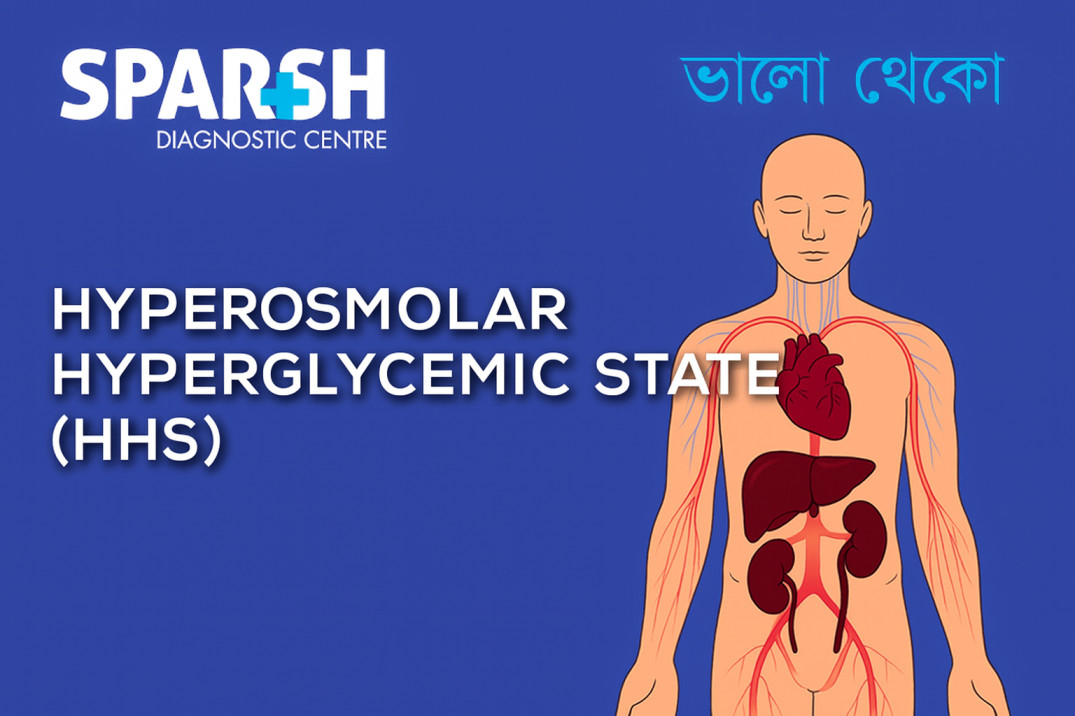
Hyperosmolar Hyperglycemic State (HHS) is a life-threatening metabolic emergency most commonly seen in individuals with type 2 diabetes mellitus. It is characterized by extreme hyperglycemia, severe dehydration, and high plasma osmolality, with little or no ketoacidosis. If not recognized and treated promptly, HHS can lead to serious complications such as coma, organ failure, and death.
This condition often develops insidiously over days to weeks, making early detection challenging. Understanding the causes, symptoms, diagnostic criteria, and management strategies of HHS is crucial for patients, caregivers, and healthcare professionals alike.
What Is Hyperosmolar Hyperglycemic State (HHS)?
Hyperosmolar Hyperglycemic State is an acute complication of diabetes marked by:
Very high blood glucose levels (often >600 mg/dL)
Marked dehydration
Increased serum osmolality
Minimal or absent ketosis
Unlike Diabetic Ketoacidosis (DKA), HHS does not typically involve significant ketone production or metabolic acidosis. However, the degree of hyperglycemia and dehydration is usually more severe.
Who Is at Risk of HHS?
HHS primarily affects:
Older adults with type 2 diabetes
Individuals with undiagnosed diabetes
Patients with limited access to water or impaired thirst response
People with chronic illnesses or infections
Common Risk Factors
Poorly controlled diabetes
Acute infections (pneumonia, urinary tract infections, sepsis)
Medications such as corticosteroids, diuretics, and antipsychotics
Nonadherence to diabetes treatment
Dehydration due to vomiting, diarrhea, or inadequate fluid intake
Pathophysiology of HHS
HHS develops due to a relative insulin deficiency, which is sufficient to prevent ketosis but inadequate to control blood glucose levels.
Key Mechanisms Involved
Reduced insulin activity → decreased glucose uptake by tissues
Excess hepatic glucose production → severe hyperglycemia
Osmotic diuresis → massive water and electrolyte loss
Progressive dehydration → increased plasma osmolality
Altered mental status due to neuronal dehydration
As dehydration worsens, renal perfusion declines, further aggravating hyperglycemia.
Signs and Symptoms of HHS
Symptoms often develop gradually and may be overlooked until severe.
Early Symptoms
Dry mouth and skin
Weight loss
Advanced Symptoms
Severe dehydration
Sunken eyes
Rapid heart rate
Confusion or delirium
Visual disturbances
Coma
Altered mental status is a hallmark feature and correlates with rising serum osmolality.
Diagnostic Criteria for HHS
Diagnosis is based on clinical presentation and laboratory findings.
Typical Laboratory Findings
| Parameter | Finding |
|---|---|
| Plasma glucose | >600 mg/dL |
| Serum osmolality | >320 mOsm/kg |
| Arterial pH | >7.30 |
| Serum bicarbonate | >18 mEq/L |
| Ketones | Minimal or absent |
| Sodium | Normal or elevated |
| BUN/Creatinine | Elevated (due to dehydration) |
Additional Investigations
Serum electrolytes
Urinalysis
ECG and cardiac markers if cardiac events are suspected
Differentiating HHS from Diabetic Ketoacidosis (DKA)
| Feature | HHS | DKA |
|---|---|---|
| Common in | Type 2 diabetes | Type 1 diabetes |
| Blood glucose | Very high (>600 mg/dL) | Moderately high |
| Ketosis | Minimal or absent | Significant |
| Acidosis | Absent or mild | Present |
| Dehydration | Severe | Moderate |
| Onset | Gradual | Rapid |
Management of Hyperosmolar Hyperglycemic State
HHS is a medical emergency requiring immediate hospitalization, often in an intensive care setting.
1. Fluid Replacement
The cornerstone of treatment.
Initial therapy: 0.9% normal saline
Gradual correction to avoid cerebral edema
May require 8–12 liters of fluid over the first 24 hours
2. Insulin Therapy
Low-dose intravenous insulin infusion
Initiated after partial fluid replacement
Goal: gradual reduction in blood glucose
3. Electrolyte Management
Potassium levels must be closely monitored
Hypokalemia may develop once insulin therapy starts
4. Identification and Treatment of Underlying Cause
Antibiotics for infections
Adjustment of medications
Treatment of myocardial infarction or stroke if present
5. Monitoring
Hourly blood glucose measurements
Frequent electrolyte and osmolality checks
Continuous cardiac monitoring
Complications of HHS
If untreated or poorly managed, HHS can lead to:
Thromboembolic events
Death
Mortality rates for HHS are higher than DKA, particularly in elderly patients with comorbid conditions.
Prevention of Hyperosmolar Hyperglycemic State
Preventive strategies focus on good diabetes management and early intervention.
Key Preventive Measures
Regular blood glucose monitoring
Adherence to prescribed diabetes medications
Adequate hydration, especially during illness
Early treatment of infections
Patient education on sick-day rules
Regular follow-up with healthcare providers
Living After an Episode of HHS
Recovery from HHS requires long-term diabetes management and lifestyle adjustments.
Post-Recovery Care Includes
Reevaluation of diabetes treatment plan
Nutritional counseling
Monitoring for complications
Education on recognizing early warning signs
Addressing barriers to medication adherence
With proper care, most patients can recover fully and prevent recurrence.
Frequently Asked Questions (FAQs)
What is the main cause of Hyperosmolar Hyperglycemic State?
HHS is primarily caused by severe insulin deficiency combined with dehydration, often triggered by infection, illness, or missed diabetes medications.
Is HHS more dangerous than DKA?
Yes, HHS generally has a higher mortality rate due to severe dehydration, delayed diagnosis, and the older age of affected patients.
Can HHS occur in people without diabetes?
HHS can occur in individuals with undiagnosed type 2 diabetes, especially during acute illness or stress.
Why are ketones absent in HHS?
There is usually enough insulin present to suppress fat breakdown and ketone formation, unlike in DKA.
How long does recovery from HHS take?
Recovery may take several days to weeks, depending on severity, underlying conditions, and overall health.
Can HHS be prevented?
Yes, proper diabetes control, adequate hydration, and early medical care during illness significantly reduce the risk.
Does HHS cause permanent damage?
If treated promptly, most patients recover without lasting damage. Delayed treatment may lead to complications affecting the brain, kidneys, or heart.
Hyperosmolar Hyperglycemic State is a serious but preventable diabetic emergency. Its gradual onset often delays diagnosis, increasing the risk of severe complications. Early recognition of symptoms, prompt medical intervention, and effective diabetes management are essential to improving outcomes.
Raising awareness about HHS among patients and caregivers can save lives and reduce long-term health risks associated with uncontrolled diabetes.
#BhaloTheko
Disclaimer:
No content on this site, regardless of date, should ever be used as a substitute for direct medical advice from your doctor or other qualified clinician.

Sparsh Doctor List



[…] function. It often develops in individuals with uncontrolled diabetes, particularly in cases of hyperosmolar hyperglycemic state (HHS) or extremely severe hyperglycemia. Without prompt medical attention, this condition can lead to […]