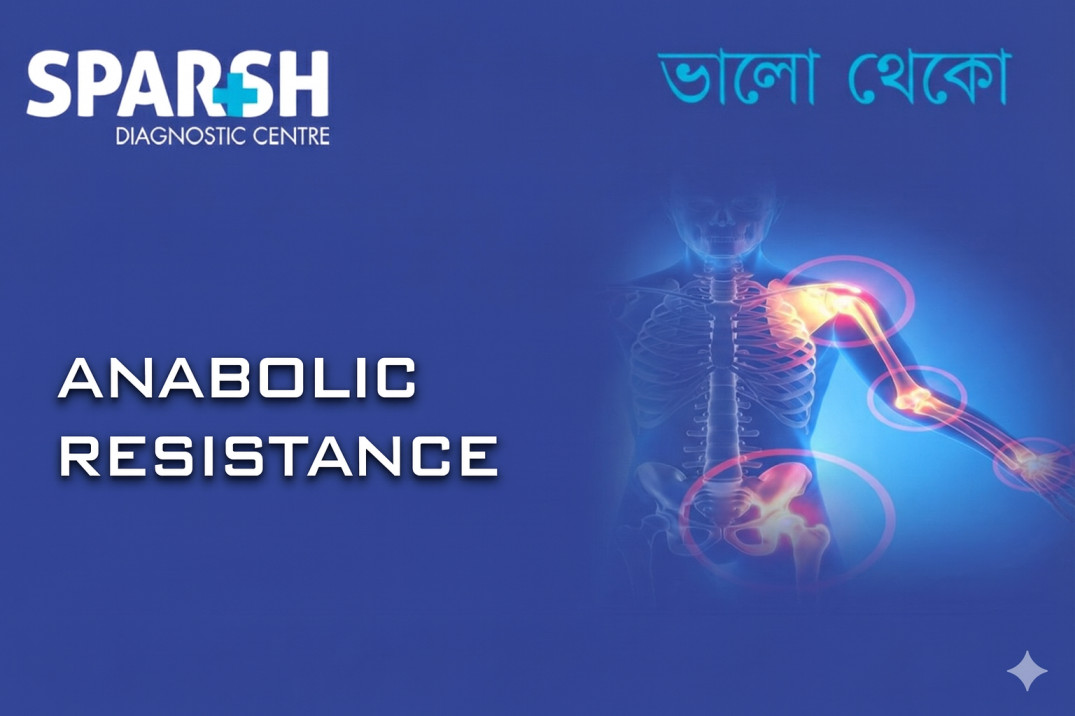
Have you noticed that building muscle seems harder as you get older? Perhaps you exercise regularly but struggle to gain strength, or you have noticed that your muscles are gradually becoming weaker despite eating reasonably well. While several factors can explain these changes, one possible contributor is anabolic resistance.
Anabolic resistance is a physiological condition in which the body’s muscles respond less effectively to signals that normally stimulate muscle growth and repair. These signals primarily come from dietary protein and physical activity. The condition is commonly associated with ageing, but inactivity, obesity, chronic inflammation and certain medical conditions can also contribute to it.
The good news is that reduced muscle responsiveness does not mean muscle loss is inevitable. Appropriate exercise, adequate nutrition and the management of underlying health problems can help preserve muscle mass, improve strength and support independence throughout life.
In this guide, we explain what anabolic resistance means, why it occurs, how to address it and which foods and supplements may help support healthy muscles.
What does anabolic resistance mean?
Anabolic resistance refers to a reduced muscle-building response to normally effective anabolic stimuli, particularly protein intake and resistance exercise.
To understand this, it helps to know how muscles maintain themselves. Your body constantly breaks down old or damaged muscle proteins and creates new ones. This process is known as muscle protein turnover.
Two processes determine the balance:
- Muscle protein synthesis: The creation of new muscle proteins to support repair, maintenance and growth.
- Muscle protein breakdown: The removal of existing muscle proteins.
When muscle protein synthesis keeps pace with or exceeds breakdown over time, muscle mass can be maintained or increased. When breakdown repeatedly exceeds synthesis, muscle loss may occur.
After you eat protein, your digestive system breaks it down into amino acids, which help supply the building blocks needed for muscle repair. Resistance exercise, such as lifting weights or performing appropriately challenging bodyweight exercises, also stimulates muscle protein synthesis.
With anabolic resistance, these responses may become less pronounced. The muscles may require a stronger or better-targeted stimulus to produce a similar response.
Anabolic resistance is not a disease with one single cause. It is a physiological phenomenon that can occur to varying degrees in different people. It is also associated with sarcopenia, a condition involving the progressive loss of skeletal muscle strength and mass, particularly with ageing.

What causes anabolic resistance?
Anabolic resistance develops through a combination of age-related changes, lifestyle factors and health conditions. The most common contributors include the following.
1. Ageing
As people grow older, their muscles may become less responsive to the amino acids supplied by food and to exercise-related signals.
Changes in muscle cells, blood flow, cellular signalling and physical activity patterns may all contribute. Older adults may therefore need to pay closer attention to protein intake and regular strength training to maintain muscle health.
However, ageing does not make muscle growth impossible. Older adults can still improve strength and muscle function with suitable training and nutrition.
2. Physical inactivity
Muscles need regular activity to maintain their strength and responsiveness. Long periods of sitting, bed rest, immobilisation after an injury or a generally sedentary lifestyle can reduce muscle protein synthesis and contribute to muscle loss.
Inactivity can also make everyday activities more difficult, creating a cycle in which reduced movement leads to further weakness.
Even modest increases in regular movement can be useful. For people who are able to exercise safely, progressive resistance training is particularly valuable.
3. Inadequate protein intake
Protein provides the amino acids required to build and repair muscle tissue. Consistently eating too little protein may make it harder to maintain muscle mass, especially in older adults or people recovering from illness.
The issue is not simply the total amount of food consumed. The quality of dietary protein, its distribution across meals, total calorie intake and individual health needs also matter.
4. Obesity and metabolic problems
Obesity, insulin resistance and other metabolic disturbances may affect the way muscles respond to nutrients and exercise.
Excess body fat can also be associated with chronic low-grade inflammation and reduced physical activity, both of which may negatively affect muscle health.
5. Chronic inflammation and illness
Persistent inflammation can interfere with normal muscle metabolism. Chronic kidney disease, certain cancers, severe infections and other long-term illnesses may contribute to muscle wasting through a combination of reduced protein synthesis, increased protein breakdown, poor appetite and physical inactivity.
Hospitalisation and prolonged recovery can also accelerate muscle loss.
6. Poor overall nutrition
Inadequate calorie intake, low-quality diets and deficiencies in essential nutrients can compromise muscle maintenance.
When the body does not receive enough energy, it may use stored energy sources, including components of muscle tissue, to meet its needs. A balanced diet is therefore important alongside sufficient protein.
What are the signs of anabolic resistance?
Anabolic resistance itself does not have a single set of symptoms that can reliably identify it. Many of its possible consequences overlap with ageing, inactivity, nutritional deficiencies and other medical conditions.
Potential warning signs of declining muscle health include:
- Gradually decreasing muscle strength.
- Difficulty rising from a chair or climbing stairs.
- Reduced ability to carry groceries or lift familiar objects.
- Loss of muscle size over time.
- Feeling weaker after a period of inactivity or illness.
- Increasing difficulty performing everyday activities.
These signs do not automatically mean you have anabolic resistance. They may indicate sarcopenia or another condition that requires assessment.
If muscle weakness develops suddenly, progresses rapidly or is accompanied by unexplained weight loss, persistent fatigue or other concerning symptoms, consult a healthcare professional rather than assuming it is a normal part of ageing.
How to fix anabolic resistance
There is no single treatment that reverses anabolic resistance in everyone. The most practical approach is to improve the body’s response to exercise and nutrition while addressing any underlying health problems.
1. Eat enough protein
Adequate protein intake is one of the most important nutritional considerations for maintaining muscle.
For many healthy adults, the general recommended dietary allowance is around 0.8 grams of protein per kilogram of body weight per day. Older adults, people who exercise regularly and those recovering from illness may have different requirements.
Some experts recommend approximately 1.0–1.2 grams per kilogram per day for healthy older adults, with higher amounts sometimes considered during illness or recovery. These figures are general guidance, not universal prescriptions. People with kidney disease or other relevant medical conditions may need individualised advice.
For example, a healthy older adult weighing 60 kg might discuss a daily intake of approximately 60–72 grams of protein with a qualified dietitian, depending on their health and activity level.
Protein-rich foods include:
- Milk, curd and paneer.
- Eggs, fish and lean meat for people who eat them.
- Soybeans, tofu and other soy products.
- Lentils, chickpeas, kidney beans and other pulses.
- Nuts and seeds.
- Protein-rich foods such as milk powder or suitable fortified products when appropriate.
Vegetarians can support muscle health by combining a variety of protein sources throughout the day.
2. Distribute protein across meals
Rather than consuming most of your protein in just one meal, try to include a meaningful protein source at breakfast, lunch and dinner.
For example, breakfast could include milk and a suitable protein-rich food, lunch could include dal with curd or another protein source, and dinner could include paneer, tofu, beans or lentils.
The appropriate amount at each meal depends on your total daily needs, appetite and dietary preferences. Consistency matters more than following a rigid meal schedule.
3. Start resistance training
Resistance training is one of the most effective non-drug strategies for improving muscle strength and supporting muscle growth.
Suitable activities may include:
- Weight machines and free weights.
- Resistance bands.
- Chair squats and sit-to-stand exercises.
- Wall push-ups.
- Step-ups and other functional exercises.
A beginner can often start with two sessions per week, allowing recovery between sessions, and gradually increase the challenge as strength improves.
The exercises should be appropriate for your age, balance, mobility and medical history. People with significant joint problems, recent surgery or chronic illness should seek guidance from a physiotherapist or healthcare professional before starting a new programme.
4. Combine exercise with adequate nutrition
Exercise and protein intake work together to support muscle maintenance. Resistance training stimulates muscle adaptation, while dietary protein provides the amino acids needed to build and repair tissue.
Eating a protein-containing meal after exercise is a practical way to support recovery. However, there is no need to consume a supplement immediately after every workout. Your overall daily protein intake and consistent training are more important than relying on a narrow post-exercise window.
5. Avoid prolonged inactivity
Regular movement helps maintain physical function and complements resistance training.
Walking, cycling, swimming and other suitable aerobic activities can support cardiovascular health and help people remain active. They should complement, rather than necessarily replace, strength-building exercises.
If you have spent a long period inactive, increase activity gradually. Even small, sustainable changes can help you rebuild a regular movement routine.
6. Address underlying health problems
If muscle loss continues despite adequate nutrition and exercise, a healthcare professional may investigate possible contributors such as thyroid disorders, diabetes, nutritional deficiencies, chronic inflammation or other illnesses.
Treating the underlying problem can be an important part of protecting muscle mass.
7. Get enough sleep and recovery
Muscles adapt to exercise during the recovery process. Consistently poor sleep, excessive training without adequate recovery and insufficient calorie intake can undermine progress.
Aim for a regular sleep schedule, adequate food intake and a training programme that allows muscles to recover between challenging sessions.
What is the best supplement for anabolic resistance?
There is no single supplement proven to reverse anabolic resistance in every person. The most appropriate choice depends on dietary intake, age, exercise habits and underlying medical conditions.
Protein supplements can be useful when food alone does not provide enough protein. Whey protein is a common option for people who consume dairy, while soy and selected plant-based protein blends can suit vegetarian or vegan diets.
However, supplements are not automatically better than ordinary food. A well-planned diet may provide all the protein you need.
Other supplements have more specific roles:
- Vitamin D: Correcting a deficiency is important for normal bone and muscle function. Supplementation is not a guaranteed treatment for anabolic resistance in people whose vitamin D status is already adequate.
- Omega-3 fatty acids: These nutrients have been investigated for their possible effects on muscle health, inflammation and physical function. Evidence is mixed, and they should not be considered a proven stand-alone treatment.
- Creatine: Creatine monohydrate has evidence supporting improvements in strength and training adaptations when combined with resistance exercise in appropriate populations. It does not independently correct every cause of anabolic resistance and may not be suitable for everyone.
Before taking supplements, discuss your needs with a doctor or qualified dietitian, particularly if you have kidney disease, take regular medication or have other chronic conditions.
What vitamin prevents muscle wasting?
No vitamin can reliably prevent all forms of muscle wasting.
Vitamin D is particularly relevant because it supports normal muscle function and bone health. A deficiency may contribute to muscle weakness, although muscle loss can have many other causes.
Vitamin B12 also deserves attention in people at risk of deficiency, including some older adults and people following vegetarian or vegan diets. Deficiency can cause neurological problems and other symptoms that affect mobility and function.
Other vitamins are essential for normal health, but taking extra vitamins beyond your requirements is not a substitute for adequate protein, resistance exercise and sufficient energy intake.
If you suspect a deficiency, a healthcare professional can assess your symptoms, diet and risk factors and recommend appropriate testing.
What food stops muscle wasting?
No single food can completely prevent muscle wasting. A balanced diet that provides enough protein, energy and essential nutrients is a more effective strategy.
Useful food choices include:
Dairy products: Milk, curd, Greek-style yoghurt and paneer provide protein and other nutrients.
Pulses and legumes: Dal, chickpeas, kidney beans and other legumes supply protein, carbohydrates, fibre and minerals.
Soy foods: Tofu, soybeans and other soy products are valuable protein sources for vegetarians.
Nuts and seeds: Almonds, peanuts, walnuts, chia seeds and pumpkin seeds contribute protein, healthy fats and micronutrients. They are best used as part of a varied diet rather than as the main source of protein.
Eggs, fish and lean meat: These can provide high-quality protein for people who include animal foods in their diets.
Adequate total calorie intake is equally important. If you are unintentionally losing weight, have a poor appetite or are struggling to eat enough, consult a healthcare professional or dietitian.
What kills muscle gains the most?
Several factors can interfere with muscle growth, but the biggest problems are often inadequate training, insufficient nutrition and poor recovery.
Common obstacles include:
- Not eating enough protein: Muscles may lack the amino acids needed for repair and growth.
- Insufficient resistance training: Muscles need an appropriate and progressively challenging stimulus.
- Prolonged inactivity: Extended periods without meaningful movement can accelerate muscle loss.
- Not eating enough calories: Persistent energy deficiency can make muscle maintenance and growth more difficult.
- Poor sleep and inadequate recovery: These can affect exercise performance and recovery.
- Smoking and excessive alcohol consumption: Both can undermine aspects of general health and may interfere with training and recovery.
- Untreated medical conditions: Certain illnesses can contribute to muscle loss even when someone makes reasonable lifestyle changes.
Progressive training, sufficient nutrition and consistent recovery are more reliable than extreme workouts or expensive supplements.
Can a 70-year-old regain muscle tone?
Yes. A 70-year-old can improve muscle strength and function, and may also increase muscle mass with an appropriate exercise and nutrition programme.
Although the rate of muscle gain varies from person to person, older muscles retain the ability to adapt to resistance training. Age alone is not a reason to assume that becoming stronger is impossible.
A safe programme may begin with supervised resistance exercises, chair-based movements, resistance bands or weight machines. The intensity can be increased gradually as strength and confidence improve.
Protein intake should also be reviewed, particularly if the person eats very little, has lost weight or is recovering from an illness.
People with balance problems, osteoporosis, heart disease, joint conditions or other medical concerns should seek appropriate professional guidance before beginning a new exercise routine.
The goal is not necessarily to achieve the appearance of a younger person. Improving the ability to walk comfortably, climb stairs, rise from a chair and carry everyday items can be equally valuable outcomes.
Is there a test for anabolic resistance?
There is currently no single routine clinical test that definitively diagnoses anabolic resistance in everyday medical practice.
In research settings, scientists may measure muscle protein synthesis using stable isotope tracers and assess how the muscles respond to protein intake, exercise or a combination of both. These methods help researchers understand the underlying physiology but are not standard diagnostic tests for the general population.
In clinical practice, a healthcare professional may instead evaluate muscle health and investigate possible causes of weakness or muscle loss using:
- Medical history and physical examination.
- Assessment of muscle strength, such as grip strength or chair-rise performance.
- Evaluation of walking speed, balance and everyday function.
- Body composition measurements when indicated.
- Blood tests to investigate suspected nutritional deficiencies or underlying medical conditions.
Tests may include blood counts, vitamin B12, vitamin D, thyroid function, blood glucose or kidney function, depending on the person’s symptoms and clinical history.
These assessments can help identify muscle weakness, sarcopenia or contributing health problems, but they do not independently confirm anabolic resistance.
How can I improve my resistance?
If you mean improving your muscles’ response to protein and exercise, focus on the fundamentals: adequate nutrition, progressive resistance training and consistent activity.
Start by reviewing whether your meals contain enough protein. Include a suitable protein source throughout the day, and avoid unnecessarily restrictive diets that leave you short of calories or essential nutrients.
Next, establish a manageable strength-training routine. Choose exercises that match your ability and increase resistance gradually as they become easier. Combine this with regular walking or other suitable aerobic activity.
Finally, address any factors that could be slowing your progress, such as poor sleep, prolonged inactivity, unintended weight loss or an untreated medical condition.
If you are already exercising and eating well but continue to experience weakness or muscle loss, a medical assessment can help determine whether another issue needs attention.
Frequently asked questions about anabolic resistance
1. Is anabolic resistance the same as sarcopenia?
No. Anabolic resistance describes a reduced muscle-building response to stimuli such as protein intake and exercise. Sarcopenia is a condition characterised by reduced muscle strength and muscle quantity or quality. Anabolic resistance may contribute to sarcopenia, but the terms are not interchangeable.
2. Does anabolic resistance happen to everyone as they age?
Muscle responsiveness can change with age, but the extent varies considerably. Physical activity, nutritional status, health conditions and individual differences all influence muscle health. Older adults can still benefit from appropriate exercise and nutrition.
3. Can protein powder reverse anabolic resistance?
Protein powder can help meet daily protein requirements when food intake is insufficient. However, it is not a cure for anabolic resistance. Combining adequate protein with resistance training and addressing underlying health issues is a more comprehensive approach.
4. How much protein should older adults eat?
Protein requirements depend on body weight, activity, overall health and medical conditions. Around 1.0–1.2 grams per kilogram of body weight per day is often discussed for healthy older adults, but individual needs may differ. People with kidney disease or other relevant conditions should seek personalised advice.
5. Does walking prevent muscle loss?
Walking supports mobility, cardiovascular health and general activity levels. However, walking alone may not provide enough resistance to maintain or build all major muscle groups. Combining walking with suitable strength training is generally more effective for preserving muscle strength.
6. Can vegetarians prevent muscle loss?
Yes. Vegetarian diets can support muscle health when they provide sufficient protein, energy and essential nutrients. Milk, curd, paneer, soy products, pulses and legumes can all contribute to daily protein intake. People at risk of nutritional deficiencies may benefit from professional dietary advice.
7. How long does it take to rebuild lost muscle?
The timeline varies according to the extent of muscle loss, age, nutritional status, training history and underlying health. Some people notice improvements in strength and everyday function within several weeks of consistent training, while meaningful changes in muscle size may take longer.
8. Should I take omega-3 supplements for anabolic resistance?
Not necessarily. Omega-3 fatty acids are important nutrients, but supplements have not been established as a universal treatment for anabolic resistance. Discuss supplementation with a healthcare professional, particularly if you take medication or have a medical condition.
Conclusion
Anabolic resistance helps explain why muscles may respond less effectively to protein intake and physical activity as people age or develop certain health conditions. However, it does not mean that muscle weakness is inevitable or that meaningful improvement is out of reach.
Eating enough protein, performing regular resistance training, staying physically active and managing underlying health problems can help maintain muscle strength and function. Supplements may be useful in specific circumstances, but they cannot replace these fundamentals.
If you notice persistent weakness, unexplained muscle loss or increasing difficulty with everyday activities, seek medical advice to identify possible causes and discuss an appropriate plan.
At Sparsh Diagnostic Centre, we believe that understanding your health is an important step towards taking better care of yourself.
#BhaloTheko
Disclaimer:
No content on this site, regardless of date, should ever be used as a substitute for direct medical advice from your doctor or other qualified clinician.
Sources and further reading
The following scientific reviews and clinical resources informed this article. These references can be added at the end of the published blog to support its medical accuracy and provide readers with opportunities to explore the topic further.
1. Anabolic resistance of muscle protein turnover comes in various shapes and sizes — A review examining anabolic resistance in ageing, obesity, chronic kidney disease and other health conditions, including the roles of protein intake and physical activity. https://pmc.ncbi.nlm.nih.gov/articles/PMC8131552/
2. Molecular regulation of human skeletal muscle protein synthesis in response to exercise and nutrients — Explains how exercise, dietary protein and age-related changes influence muscle protein synthesis. https://pmc.ncbi.nlm.nih.gov/articles/PMC6962519/
3. Resistance exercise, aging, disuse, and muscle protein metabolism — Reviews the relationship between resistance training, ageing, inactivity and changes in muscle protein metabolism. https://pubmed.ncbi.nlm.nih.gov/34190341/
4. Defining anabolic resistance: implications for delivery of clinical care nutrition — Discusses the clinical implications of anabolic resistance and strategies to reduce muscle loss associated with ageing, inactivity and illness. https://pubmed.ncbi.nlm.nih.gov/29389741/
5. Exercise, amino acids and aging in the control of human muscle protein synthesis — Reviews the effects of exercise, amino acid nutrition and ageing on muscle protein synthesis. https://pmc.ncbi.nlm.nih.gov/articles/PMC3289515/
6. Does the muscle protein synthetic response to exercise and amino acid-based nutrition diminish with advancing age? — A systematic review examining how age influences muscle responses to exercise, protein intake and their combination. https://pubmed.ncbi.nlm.nih.gov/27555299/
7. Protein supplementation does not significantly augment the effects of resistance exercise training in older adults: a systematic review — Examines whether protein supplementation provides additional benefits when older adults undertake resistance training. https://pmc.ncbi.nlm.nih.gov/articles/PMC5065619/
8. The role of the IGF-1 signalling cascade in muscle protein synthesis and anabolic resistance in aging skeletal muscle — Explores the cellular signalling mechanisms associated with age-related anabolic resistance. https://pmc.ncbi.nlm.nih.gov/articles/PMC6746962/
9. Physiopedia: Anabolic resistance — An educational overview of the concept, contributing factors and implications for muscle health. https://www.physio-pedia.com/Anabolic_Resistance
10. The effect of combined resistance exercise training and vitamin D3 supplementation on musculoskeletal health and function in older adults — A systematic review examining the potential benefits of combining resistance exercise with vitamin D supplementation. https://pubmed.ncbi.nlm.nih.gov/28729308/
Medical editorial note: The sources support the general discussion of anabolic resistance, protein nutrition and resistance exercise. The article appropriately avoids presenting any supplement as a proven universal cure or suggesting that a routine diagnostic test definitively identifies anabolic resistance.