

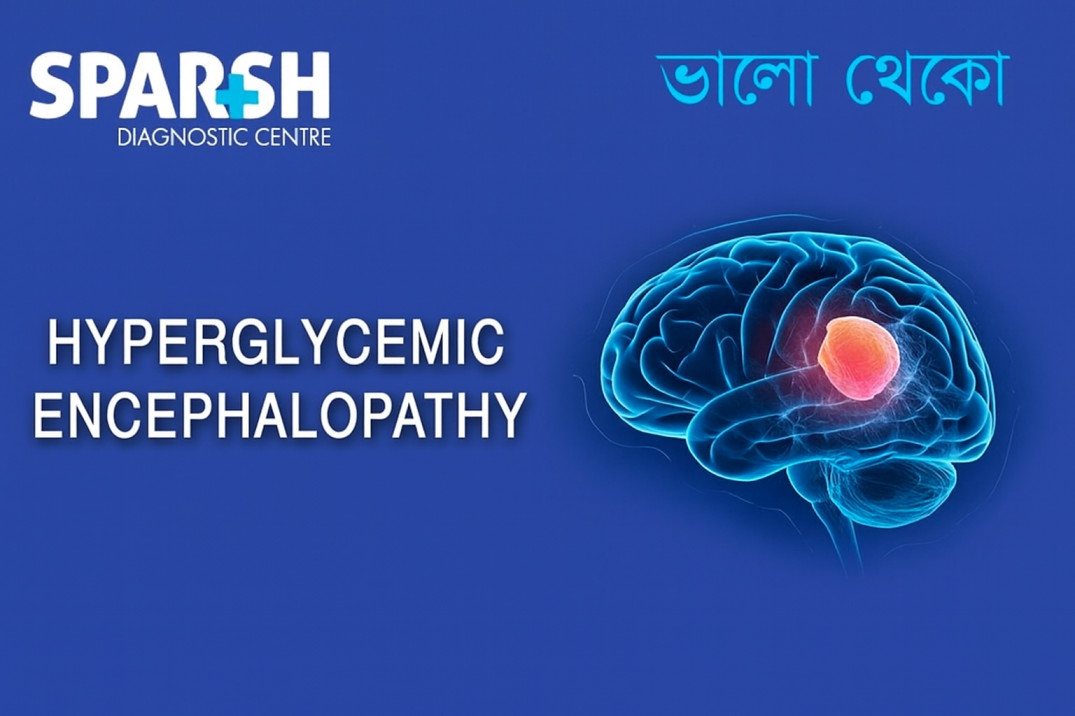
Hyperglycemic Encephalopathy is a serious and potentially life-threatening neurological condition that occurs when excessively high blood sugar levels impair normal brain function. It often develops in individuals with uncontrolled diabetes, particularly in cases of hyperosmolar hyperglycemic state (HHS) or extremely severe hyperglycemia. Without prompt medical attention, this condition can lead to seizures, confusion, coma, or permanent neurological complications.
Despite being uncommon, Hyperglycemic Encephalopathy deserves attention because it typically affects those who already have diabetes or undiagnosed dangerously high blood glucose levels. Understanding its early signs and risk factors is vital for both patients and healthcare professionals.
This comprehensive guide explains what Hyperglycemic Encephalopathy is, how it develops, symptoms to watch for, diagnostic methods, treatment options, long-term effects, and ways to prevent it.
What Is Hyperglycemic Encephalopathy?
Hyperglycemic Encephalopathy is a form of brain dysfunction caused by extreme hyperglycemia (high blood sugar), usually above 600 mg/dL. The condition is most commonly associated with HHS, a diabetic emergency where the blood becomes highly concentrated (hyperosmolar) due to severe dehydration.
When blood glucose rises dramatically:
The brain cells become dehydrated
Electrolyte imbalances occur
Blood becomes thicker, reducing oxygen supply to the brain
Toxic metabolic by-products accumulate
These changes impair neural activity, leading to neurological symptoms ranging from mild confusion to deep coma.
Unlike diabetic ketoacidosis (DKA), which is more common in type 1 diabetes, Hyperglycemic Encephalopathy is more frequently observed in older adults with type 2 diabetes.
Causes and Risk Factors
1. Uncontrolled Diabetes
Poorly managed blood sugar is the most common underlying cause. Patients who miss medications, insulin doses, or lack proper monitoring are at higher risk.
2. Hyperosmolar Hyperglycemic State (HHS)
Nearly all cases of Hyperglycemic Encephalopathy occur in people experiencing HHS—a severe emergency marked by:
Blood glucose > 600 mg/dL
Severe dehydration
High blood osmolarity
Absence of significant ketoacidosis
3. Infection
Infections like pneumonia, urinary tract infections, or sepsis often trigger HHS and subsequent neurological complications.
4. Certain Medications
Drugs that increase blood glucose or cause dehydration can contribute, including:
Steroids
Diuretics
Antipsychotics
Beta-blockers
5. Chronic Illness
Conditions like kidney disease, heart failure, or stroke can worsen blood glucose control.
6. Age
Older adults have a higher risk due to reduced thirst mechanism, higher dehydration tendencies, and possible delayed diagnosis.
Symptoms of Hyperglycemic Encephalopathy
Symptoms develop gradually and progressively worsen as hyperglycemia becomes severe.
Early Symptoms
Excessive thirst
Mild confusion
Neurological Symptoms
As the condition worsens:
Disorientation
Slurred speech
Hallucinations
Difficulty walking
Abnormal movements or tremors
Severe/Late-Stage Symptoms
Stupor
Unresponsiveness
Loss of consciousness
Coma
These symptoms indicate a medical emergency. Immediate hospital care is essential to prevent permanent brain damage.
How does Hyperglycemic Encephalopathy affect the Brain
Extreme hyperglycemia triggers a cascade of metabolic changes:
1. Brain Cell Dehydration
Excess glucose pulls water out of brain cells, causing shrinking and impaired function.
2. Electrolyte Disturbance
Severe imbalances of sodium, potassium, and chloride affect nerve conduction.
3. Reduced Blood Flow
Thickened blood and dehydration slow circulation to the brain.
4. Cellular Toxicity
Accumulation of lactate and other metabolic by-products disrupts brain metabolism.
5. Oxidative Stress
High glucose increases free radical activity, damaging nerve cells.
These combined mechanisms lead to encephalopathy, a broad term for brain malfunction.
Diagnosing Hyperglycemic Encephalopathy
Doctors use a combination of clinical evaluation, blood tests, and imaging.
1. Blood Glucose Test
Significantly elevated glucose (>600 mg/dL) is a primary indicator.
2. Serum Osmolarity
High osmolarity (>320 mOsm/kg) confirms severe dehydration and hyperosmolarity.
3. Electrolyte Panel
Sodium, potassium, and chloride levels help assess metabolic disturbances.
4. Ketone Testing
Typically, ketones are minimal or absent (unlike DKA).
5. Kidney and Liver Tests
Assess organ function affected by severe hyperglycemia.
6. Neuroimaging
MRI or CT scans help rule out stroke, infection, or other neurodegenerative conditions.
7. Urinalysis
Can reveal dehydration and sugar levels in urine.
A thorough neurological exam is also essential to assess mental status and reflexes.
Treatment of Hyperglycemic Encephalopathy
Treatment aims to stabilize blood glucose, restore hydration, and correct biochemical disturbances.
1. Intravenous Fluids
Rehydration is the most critical step. It helps dilute blood glucose and restore circulation.
2. Insulin Therapy
Patients receive IV insulin to gradually reduce blood glucose levels. A slow reduction prevents cerebral edema.
3. Electrolyte Correction
Potassium, sodium, magnesium, and phosphate levels are closely monitored and corrected as needed.
4. Treatment of Underlying Causes
Management of infections, medication adjustments, or treatment of other illnesses is essential for complete recovery.
5. Monitoring in ICU
Severe cases require intensive monitoring due to the risk of:
Most patients recover fully if treated early, but delayed treatment increases the risk of neurological complications.
Possible Complications
Hyperglycemic Encephalopathy can lead to:
Persistent memory problems
Nerve cell damage
Seizure disorders
Stroke-like symptoms
Deep coma
Multiorgan dysfunction
However, with timely treatment, long-term complications can often be prevented.
Recovery and Prognosis
With prompt medical intervention, recovery is typically good. Symptoms such as confusion and disorientation usually improve within 24–72 hours after glucose and hydration are stabilized.
However, prognosis depends on:
Patient’s age
Severity of dehydration
Speed of treatment
Underlying medical conditions
Older adults or those with severe organ failure may have slower recovery.
Prevention Strategies
Preventing Hyperglycemic Encephalopathy relies on maintaining optimal diabetes control and recognizing early warning signs.
1. Regular Blood Glucose Monitoring
Early detection of rising sugar levels prevents emergencies.
2. Adherence to Medications
Take insulin or oral antidiabetic medicines as prescribed.
3. Proper Hydration
Drink enough fluids daily, especially during illness.
4. Sick-Day Diabetes Management
Contact a doctor if blood glucose remains high during infections or stress.
5. Healthy Diet
Balanced meals help stabilize glucose levels.
6. Regular Check-ups
Periodic medical evaluations detect early metabolic issues.
7. Awareness of Symptoms
Knowing early signs can help individuals seek medical help before symptoms worsen.
Frequently Asked Questions (FAQ)
1. What is Hyperglycemic Encephalopathy?
It is brain dysfunction caused by severely high blood sugar levels, usually associated with HHS. Symptoms include confusion, seizures, and loss of consciousness.
2. Is it the same as diabetic ketoacidosis (DKA)?
No. DKA typically occurs in type 1 diabetes and involves significant ketones, while Hyperglycemic Encephalopathy is usually linked to HHS with minimal ketones.
3. What glucose level is considered dangerous?
Levels above 600 mg/dL significantly increase the risk of encephalopathy, especially with dehydration.
4. Can it cause permanent brain damage?
If treated early, most people recover fully. Delayed treatment may lead to long-term neurological issues.
5. How long does recovery take?
Mild symptoms may resolve within 1–2 days. Severe cases can take weeks to fully recover.
6. Who is most at risk?
Older adults with type 2 diabetes, people with chronic illness, and those experiencing infections or medication-induced hyperglycemia.
7. How can it be prevented?
By managing blood sugar levels, staying hydrated, taking medications consistently, and seeking early treatment during illness.
#BhaloTheko
Disclaimer:
No content on this site, regardless of date, should ever be used as a substitute for direct medical advice from your doctor or other qualified clinician.
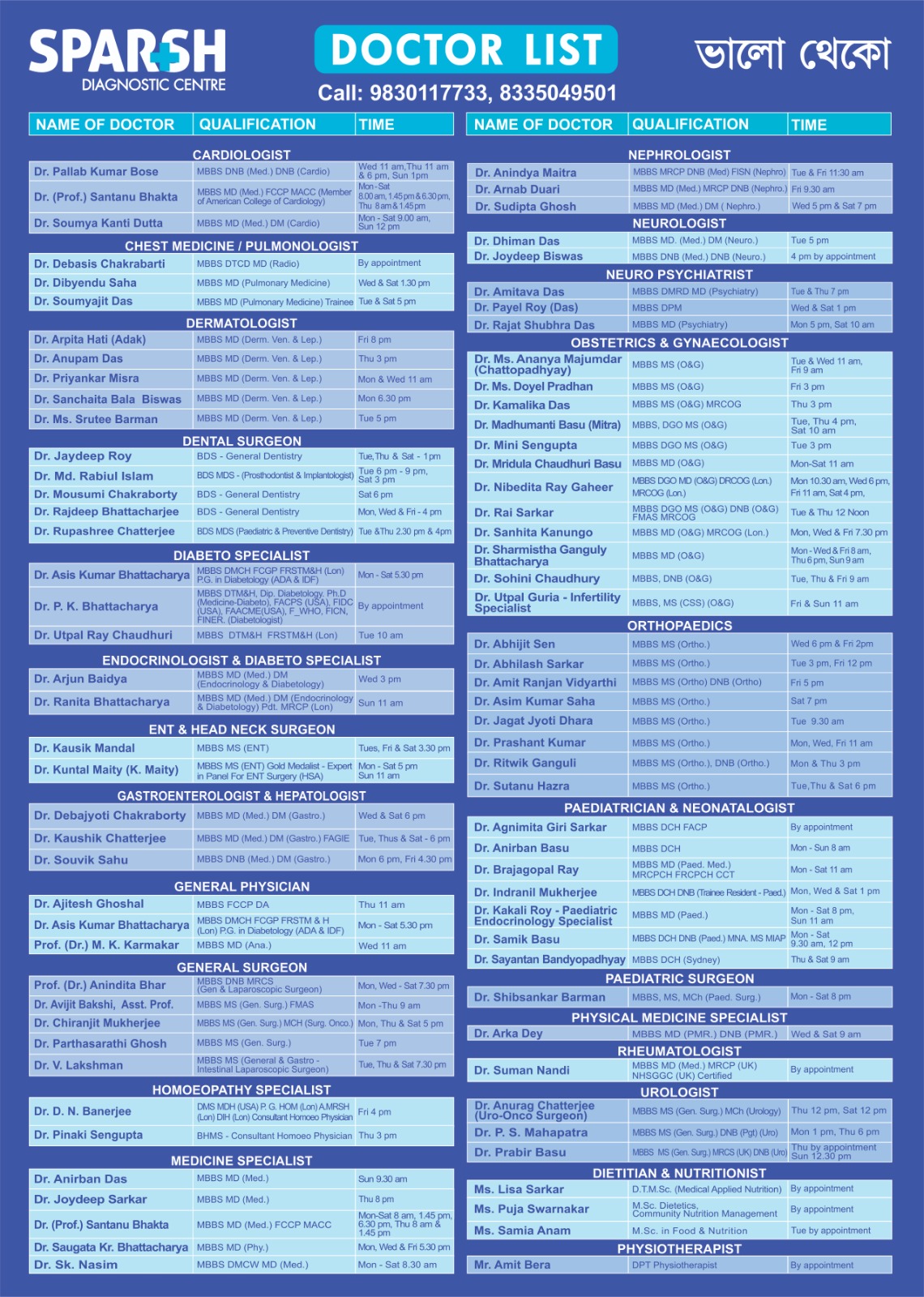
Sparsh Doctor List



[…] 4. Hyperglycemic Encephalopathy […]