

Respiratory arrest is a critical medical emergency characterized by the complete cessation of breathing. When a person stops breathing, oxygen no longer reaches vital organs, including the brain and heart, leading to severe damage or death if not treated immediately. While it often results from severe illness or injury, respiratory arrest can also occur suddenly in individuals with chronic respiratory or cardiac conditions.
Prompt recognition, emergency intervention, and proper post-arrest management are essential for survival and recovery. This article provides a comprehensive overview of respiratory arrest, including its causes, symptoms, diagnosis, treatment, and prevention strategies.
What is Respiratory Arrest?
Respiratory arrest is defined as the complete cessation of breathing, resulting in no effective ventilation and no gas exchange in the lungs. Unlike respiratory failure—where breathing becomes inadequate—respiratory arrest means the absence of spontaneous respiratory effort altogether.
If not treated immediately, respiratory arrest can quickly lead to cardiac arrest due to severe oxygen deprivation (hypoxia) and accumulation of carbon dioxide (hypercapnia). Within just 4–6 minutes of oxygen deprivation, irreversible brain damage may occur.
Difference Between Respiratory Arrest and Cardiac Arrest
Though they often occur together, respiratory arrest and cardiac arrest are distinct conditions:
| Aspect | Respiratory Arrest | Cardiac Arrest |
|---|---|---|
| Definition | Breathing stops completely | The heart stops beating effectively |
| Primary Cause | Airway obstruction, lung disease, CNS depression | Arrhythmia, myocardial infarction |
| Oxygen Delivery | Absent due to lack of ventilation | Absent due to lack of circulation |
| Result | Hypoxia leading to cardiac arrest | Anoxia leading to brain death |
| Initial Management | Ensure airway and provide ventilation | Begin chest compressions and defibrillation if indicated |
In some cases, respiratory arrest precedes cardiac arrest, particularly in conditions such as drowning, choking, or opioid overdose.
Causes of Respiratory Arrest
Respiratory arrest can result from a variety of medical, traumatic, or environmental factors. The causes are typically categorized as central (neurological), airway-related, or pulmonary.
1. Airway Obstruction
Choking on food or foreign objects
Tongue obstruction in unconscious individuals
Aspiration of vomit, blood, or secretions
Trauma to the face or neck causing airway collapse
2. Central Nervous System (CNS) Depression
Head injury or brain hemorrhage
Drug overdose (especially opioids, sedatives, or anesthetics)
Stroke affecting respiratory centers
Coma or metabolic encephalopathy
3. Pulmonary Causes
Severe asthma or COPD exacerbation
4. Cardiac or Systemic Conditions
Shock or severe blood loss
Electrolyte imbalances (especially hyperkalemia)
Severe acidosis
5. Environmental Causes
Drowning
Smoke inhalation or carbon monoxide poisoning
High-altitude sickness
Signs and Symptoms of Impending Respiratory Arrest
Early detection can prevent complete arrest. Warning signs include:
Slow, irregular, or absent breathing
Extreme drowsiness or unresponsiveness
Gasping respirations (agonal breathing)
Decreased oxygen saturation (SpO₂ < 90%)
Weak or absent pulse
Dilated pupils
Chest not rising with attempted breaths
As the brain becomes deprived of oxygen, the person may lose consciousness rapidly, often within seconds.
Diagnosis of Respiratory Arrest
Diagnosis is primarily clinical—based on observation and vital signs. However, supportive investigations help determine underlying causes and complications.
1. Physical Examination
Absence of chest movement or breath sounds
Loss of consciousness
Weak or absent pulse
2. Vital Signs Monitoring
SpO₂ (oxygen saturation): Often undetectable or below 80%
Heart rate: Bradycardia progressing to asystole
Blood pressure: Rapidly drops due to hypoxia
3. Diagnostic Tests
Once stabilized, tests may include:
Arterial Blood Gas (ABG): Shows hypoxemia (low oxygen) and hypercapnia (high carbon dioxide)
Chest X-ray or CT scan: To detect lung pathology, trauma, or aspiration
Electrocardiogram (ECG): To assess heart rhythm and detect concurrent cardiac arrest
Toxicology screen: For suspected drug overdose
Blood tests: To identify infection, acidosis, or metabolic causes
Emergency Management of Respiratory Arrest
Immediate intervention is crucial to restore oxygenation and prevent irreversible organ damage.
1. Assess Responsiveness and Call for Help
Check if the person is responsive.
Call emergency services (e.g., 108 in India or 911 in the US).
Request for resuscitation equipment and medical personnel.
2. Open the Airway
Perform the head-tilt, chin-lift or jaw-thrust maneuver.
Clear any visible obstruction (e.g., vomit, food).
3. Check Breathing
Look, listen, and feel for breathing for up to 10 seconds.
If absent or gasping, proceed to ventilation.
4. Provide Rescue Breaths
Deliver two slow rescue breaths using a barrier device or bag-valve-mask (BVM).
Watch for chest rise to ensure effective ventilation.
5. Support Circulation
If there is no pulse, begin cardiopulmonary resuscitation (CPR) immediately with a ratio of 30 compressions to 2 breaths.
6. Advanced Airway and Ventilation
In hospital settings:
Endotracheal intubation is performed to secure the airway.
Mechanical ventilation may be initiated.
Oxygen therapy with 100% oxygen is provided.
7. Treat Underlying Cause
Antidotes for poisoning (e.g., naloxone for opioid overdose)
Bronchodilators or corticosteroids for asthma/COPD
Antibiotics for infections
Defibrillation if cardiac arrest coexists
Surgery for trauma-related obstruction
Post-Resuscitation Care
After successful resuscitation, ongoing management focuses on stabilizing the patient and preventing recurrence.
1. Monitoring
Continuous cardiac and respiratory monitoring
Blood gas analysis to optimize oxygenation
Neurological assessment for hypoxic brain injury
2. Mechanical Ventilation
Settings adjusted to maintain optimal oxygen and carbon dioxide levels
Gradual weaning as the patient recovers spontaneous breathing
3. Neurological Protection
Therapeutic hypothermia (in select cases)
Sedation to prevent agitation and reduce oxygen demand
4. Rehabilitation
Pulmonary rehabilitation for chronic lung conditions
Speech and swallowing therapy if aspiration or airway trauma occurred
Complications of Respiratory Arrest
Even with prompt treatment, complications may arise due to oxygen deprivation:
Hypoxic brain injury
Persistent vegetative state or death
The extent of damage depends on the duration of hypoxia and timeliness of resuscitation.
Prognosis and Recovery
Prognosis depends on the underlying cause, duration of arrest, and speed of intervention. Generally:
If oxygenation is restored within 4 minutes, recovery can be complete.
Beyond 6 minutes, risk of permanent brain injury increases sharply.
Survival rates improve significantly with early CPR and advanced airway management.
Prevention of Respiratory Arrest
Preventing respiratory arrest involves early detection and management of at-risk conditions:
1. Manage Chronic Respiratory Diseases
Regular monitoring and medication adherence for asthma, COPD, or sleep apnea.
Avoid triggers such as allergens, smoke, and pollution.
2. Medication Safety
Avoid overuse of sedatives, opioids, or alcohol.
Use prescription drugs under medical supervision only.
3. Airway Safety
Chew food properly and avoid talking while eating.
Keep small objects away from children to prevent choking.
4. Emergency Preparedness
Learn basic life support (BLS) and CPR techniques.
Ensure availability of emergency kits, including oxygen supply and airway devices, in hospitals and clinics.
5. Regular Health Checkups
Diagnostic tests such as spirometry, chest X-rays, or CT scans can detect early lung disease.
Visiting a diagnostic centre like Sparsh Diagnostic Centre helps monitor respiratory and cardiac health through timely testing and expert evaluation.
When to Seek Immediate Medical Help
Call emergency services right away if someone:
Stops breathing or gasps irregularly
Becomes unconscious suddenly
Turns blue (lips, face, or fingertips)
Has a weak or absent pulse
Experiences severe chest tightness or choking
Every second counts — immediate CPR and ventilation support can make the difference between life and death.
FAQs on Respiratory Arrest
1. What is the main cause of respiratory arrest?
The most common causes are airway obstruction, severe lung disease, drug overdose, and neurological injury affecting the brain’s respiratory control center.
2. How is respiratory arrest different from respiratory failure?
Respiratory failure means inadequate breathing, while respiratory arrest means complete absence of breathing.
3. How long can the brain survive without oxygen during respiratory arrest?
Brain cells begin to die within 4–6 minutes without oxygen, making immediate resuscitation vital.
4. What is the first step in managing respiratory arrest?
The first step is to open the airway, check for breathing, and start rescue breaths or CPR if breathing has stopped.
5. Can respiratory arrest be reversed?
Yes, if recognized early and treated promptly with artificial ventilation and management of the underlying cause.
6. Who is at higher risk of respiratory arrest?
People with chronic lung or heart disease, those taking sedatives or opioids, individuals with neurological disorders, and the elderly are at higher risk.
7. What tests help diagnose respiratory arrest?
Arterial blood gas analysis, chest imaging, ECG, and toxicology tests can help identify the cause and assess the impact.
8. What happens if respiratory arrest is not treated?
Untreated respiratory arrest rapidly leads to cardiac arrest, brain damage, and death.
9. Can CPR alone save someone in respiratory arrest?
Yes, if initiated early, CPR provides oxygen and circulation until advanced care is available.
10. How can diagnostic centres help prevent respiratory emergencies?
Regular respiratory function tests, chest imaging, and early detection of lung or heart issues at diagnostic centres like Sparsh Diagnostic Centre can help prevent respiratory crises.
Respiratory arrest is a life-threatening condition that demands immediate recognition and emergency intervention. Early CPR, timely airway management, and rapid medical response can significantly improve survival rates. Long-term prevention lies in managing underlying health conditions, avoiding respiratory depressants, and undergoing regular diagnostic evaluations.
Sparsh Diagnostic Centre provides a range of diagnostic tests — including lung function tests, ECG, and imaging — to monitor and safeguard your respiratory health. Timely diagnosis can make all the difference in preventing critical emergencies like respiratory arrest.
#BhaloTheko
Disclaimer:
No content on this site, regardless of date, should ever be used as a substitute for direct medical advice from your doctor or other qualified clinician.
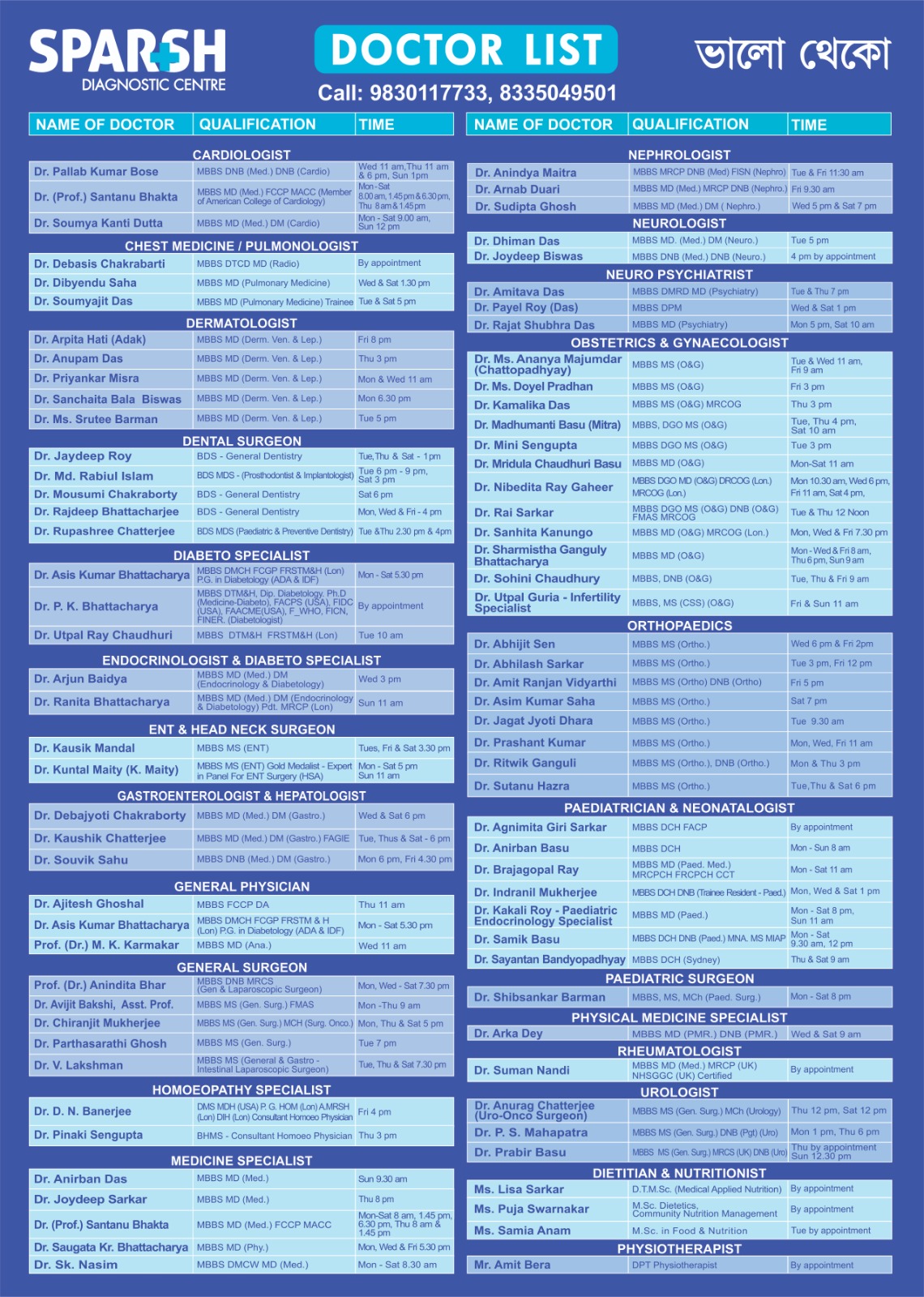
Sparsh Diagnostic Centre Doctor List



[…] Respiratory arrest […]