In today’s hyperconnected world, smartphones, laptops, and other digital devices have become almost like extensions of our bodies. We rely on them for communication, entertainment, work, and even daily decision-making. While technology offers countless benefits, overuse can impact our mental, emotional, and physical well-being. From constant notifications disrupting our focus to late-night scrolling affecting our sleep, the effects are real — and often underestimated.
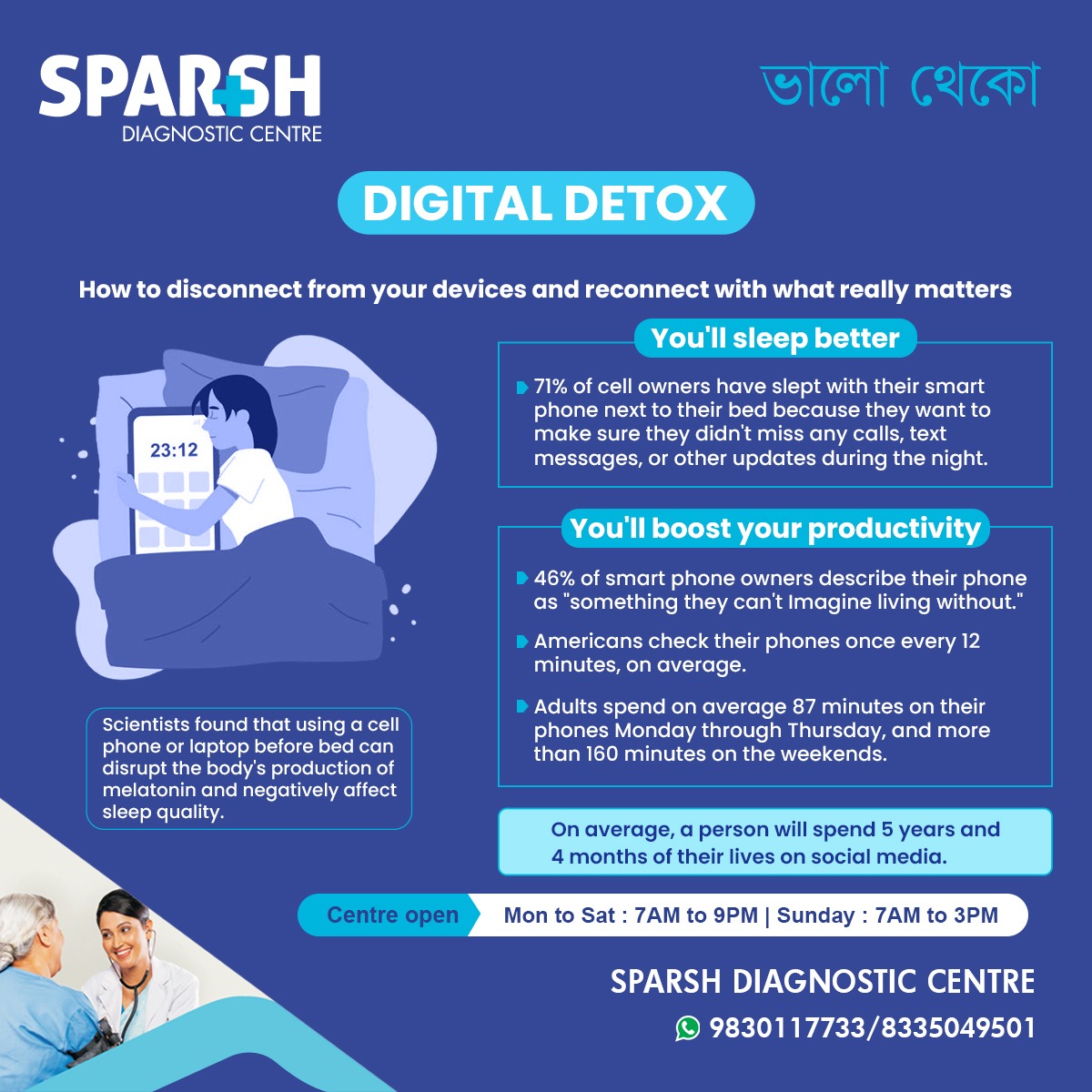
A digital detox is a conscious decision to reduce or completely avoid screen time for a certain period to improve mental clarity, enhance productivity, and promote better health. According to research, the average person spends more than five years and four months of their life on social media alone. That’s a staggering amount of time that could otherwise be invested in personal growth, relationships, or hobbies.
What is a Digital Detox?
A digital detox is a set period when you intentionally refrain from using electronic devices such as smartphones, computers, tablets, and even televisions. The goal is to break the habit of constant connectivity, allowing your brain and body to reset. This detox can range from a few hours daily to several weeks, depending on your lifestyle and goals.
Signs You Might Need a Digital Detox
You might benefit from a digital detox if you experience:
Poor sleep quality due to late-night screen use.
Difficulty concentrating without checking your phone.
Physical discomfort like eye strain, headaches, or neck pain.
Reduced real-life social interactions because of online distractions.
The Science Behind a Digital Detox
Blue light emitted from screens suppresses melatonin production — the hormone responsible for regulating sleep. According to sleep research, using a phone or laptop before bed can disrupt your natural sleep cycle, making it harder to fall asleep and stay asleep. This aligns with findings that 71% of mobile phone users sleep with their devices nearby to avoid missing notifications, further compromising rest.
Moreover, frequent device usage is linked to reduced attention span. Studies show that Americans check their phones every 12 minutes on average. This constant interruption prevents deep focus and can hinder work performance.
Benefits of a Digital Detox
1. You’ll Sleep Better
When you put your devices away before bedtime, your brain gets a chance to relax naturally. Without blue light interference, melatonin levels can rise, helping you fall asleep faster and wake up refreshed.
Tip: Create a tech-free bedtime routine by turning off devices at least 60 minutes before sleeping.
2. You’ll Boost Your Productivity
A study found that 46% of smartphone owners describe their phones as something they “can’t imagine living without.” While this shows our reliance on technology, it also reveals how often devices interrupt important tasks.
Reducing screen time helps:
Improve focus.
Reduce procrastination.
Allow deeper engagement in tasks.
3. You’ll Improve Your Mental Health
Constant exposure to social media can lead to comparison, stress, and anxiety. Taking breaks allows you to reconnect with yourself, practice mindfulness, and reduce feelings of overwhelm.
4. You’ll Strengthen Real-Life Relationships
When you step away from your phone, you can give your undivided attention to friends and family. This strengthens bonds and improves emotional connections.
5. You’ll Reclaim Time
Adults spend an average of 87 minutes per day on their phones Monday through Thursday, and over 160 minutes per day on weekends. Over time, this adds up to years of life spent staring at a screen. A digital detox helps you reclaim this valuable time for hobbies, exercise, and personal goals.
How to Do a Digital Detox
1. Set Clear Goals
Decide why you want to do a digital detox. Is it to sleep better? Improve productivity? Reduce stress? Your goal will guide your detox plan.
2. Choose Your Detox Duration
Options include:
Daily mini detox: No screens for 1–2 hours before bed.
Weekend detox: A tech-free Saturday or Sunday.
Full detox: A week or more without unnecessary digital use.
3. Create No-Phone Zones
Designate certain spaces, like the bedroom or dining table, as tech-free areas. This encourages healthier habits and better social interactions.
4. Turn Off Notifications
Disable non-essential alerts to reduce the temptation to check your device.
5. Replace Screen Time with Offline Activities
Fill your detox hours with:
Reading physical books.
Going for a walk.
Cooking.
Journaling.
Engaging in hobbies.
6. Use Apps for Monitoring
Ironically, technology can help you limit technology. Use apps like “Digital Wellbeing” (Android) or “Screen Time” (iOS) to track and set limits on usage.
7. Involve Friends or Family
Doing a digital detox with others increases accountability and makes the experience more enjoyable.
Challenges of a Digital Detox and How to Overcome Them
Fear of Missing Out (FOMO):
Remind yourself that most notifications can wait.
Inform close contacts about your detox schedule.
Work-Related Obligations:
Set boundaries for work emails and calls.
Schedule specific times for necessary online tasks.
Boredom:
Plan offline activities in advance.
Rediscover hobbies you’ve neglected.
Digital Detox for Better Sleep: The Evening Ritual
Avoid screens for at least 60 minutes before bed.
Dim household lights to signal to your body that it’s time to wind down.
Try meditation or deep breathing exercises instead of scrolling.
Digital Detox at Work
Even during work hours, micro detoxes can boost productivity:
Take 5–10 minute breaks every hour away from screens.
Avoid checking your phone during deep work sessions.
Keep your phone out of arm’s reach to reduce distractions.
The Long-Term Impact of a Digital Detox
With consistent practice, you may notice:
Improved focus and memory.
Better emotional regulation.
Enhanced creativity.
More fulfilling relationships.
Increased life satisfaction.
FAQ Section
1. What is the ideal duration for a digital detox?
It depends on your lifestyle and goals. Some people benefit from short daily detoxes, while others prefer longer weekend or week-long breaks.
2. Can I still use my phone for essential tasks?
Yes. The aim is to avoid unnecessary or mindless use, not to completely eliminate essential communication.
3. Will a digital detox help with anxiety?
Yes. Reduced exposure to constant notifications and online comparisons can lower stress and anxiety levels.
4. Is it possible to do a digital detox if my job requires screen time?
Yes. Focus on minimizing non-work-related screen time and taking regular offline breaks.
5. How often should I do a digital detox?
Regularly — even small daily breaks can make a difference, but a more extended detox once every few months is ideal.
A digital detox isn’t about rejecting technology altogether; it’s about using it mindfully. By setting boundaries and taking intentional breaks, you can improve your sleep, boost productivity, enhance relationships, and reclaim time for what truly matters. In a world that’s always “on,” the most powerful choice you can make might just be to switch “off” — even if it’s just for a little while.
#BhaloTheko
Disclaimer:
No content on this site, regardless of date, should ever be used as a substitute for direct medical advice from your doctor or other qualified clinician.