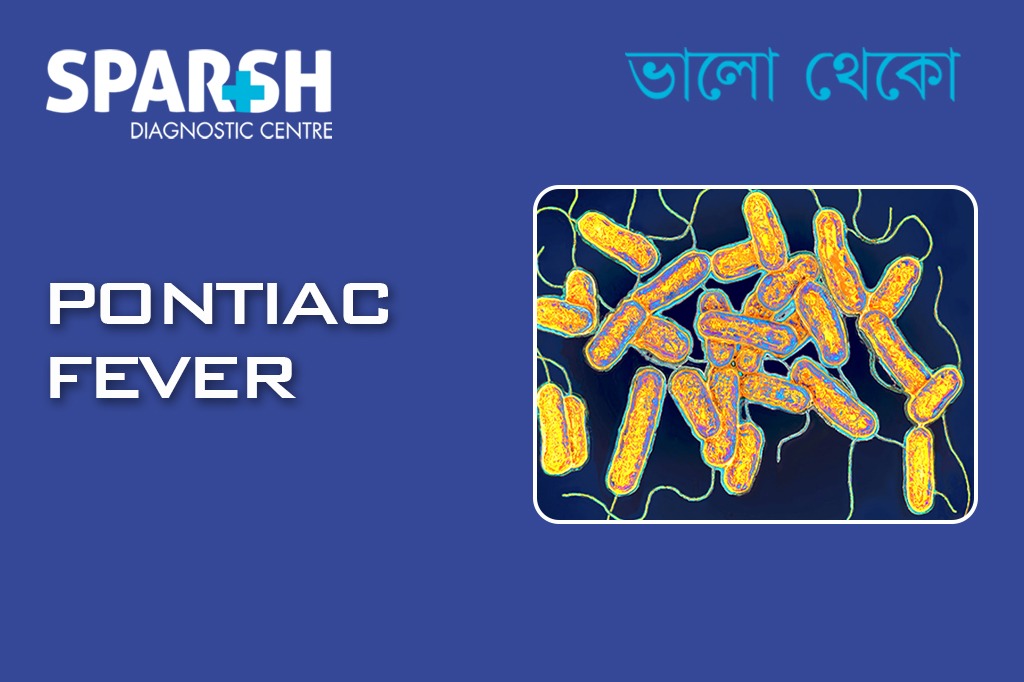
Pontiac fever is a short-term respiratory illness caused by exposure to Legionnaires’ disease-related bacteria, most commonly Legionella pneumophila. Although it belongs to the same family of infections associated with Legionella bacteria, Pontiac fever is much milder than Legionnaires’ disease and does not lead to pneumonia. Most people recover fully within a few days without needing antibiotics or hospital care.
Because the symptoms resemble the flu, Pontiac fever is often overlooked or mistaken for a seasonal viral infection. Yet understanding how it develops, where exposure occurs, and when symptoms appear can help prevent unnecessary worry and ensure proper care.
This guide explains Pontiac fever in a practical, easy-to-follow way—covering symptoms, causes, diagnosis, treatment, prevention, and frequently asked questions.
What Is Pontiac Fever?
Pontiac fever is a non-pneumonic illness linked to inhaling tiny droplets of water contaminated with Legionella bacteria. It was first identified after an outbreak in Pontiac, which is where the condition gets its name.
Unlike Legionnaires’ disease, Pontiac fever does not infect the lungs deeply enough to cause pneumonia. Instead, it triggers a short-lived inflammatory reaction in the body, leading to flu-like symptoms such as fever, muscle pain, fatigue, and headache.
The illness usually appears quickly—often within 24 to 72 hours after exposure—and resolves on its own in two to five days.
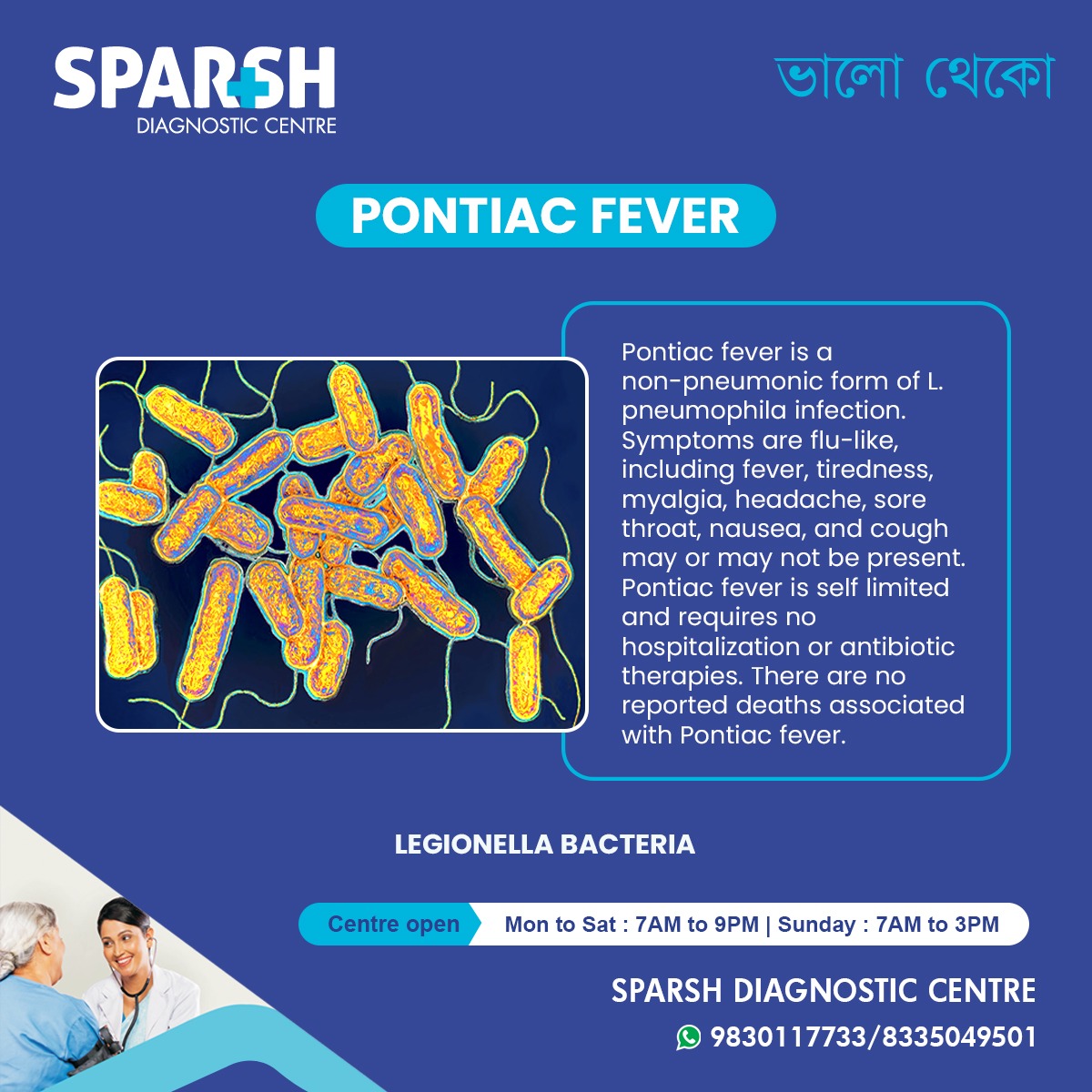
What Causes Pontiac Fever?
Pontiac fever develops after exposure to airborne water droplets carrying Legionella bacteria. These bacteria thrive in warm water systems, especially when water is stagnant or poorly maintained.
Common sources include:
- Air-conditioning cooling towers
- Hot tubs and whirlpools
- Decorative fountains
- Showers and plumbing systems
- Humidifiers
- Hospital water systems
- Hotel water tanks
When contaminated water becomes aerosolized, people nearby may inhale the bacteria.
Unlike many bacterial infections, Pontiac fever does not spread from person to person.
How Legionella Bacteria Enter the Body
Legionella bacteria naturally exist in freshwater environments, but they become a health concern when they multiply in man-made water systems.
Once inhaled:
- The bacteria enter the respiratory tract
- The immune system reacts rapidly
- Inflammation causes flu-like symptoms
- Symptoms appear without lung tissue damage
That is why Pontiac fever feels uncomfortable but rarely becomes dangerous.
Pontiac Fever vs Legionnaires’ Disease
Although both illnesses come from the same bacteria, they behave very differently.
Pontiac Fever
- Mild illness
- No pneumonia
- Symptoms begin quickly
- Recovery occurs without antibiotics
- Rarely dangerous
Legionnaires’ Disease
Legionnaires’ disease is more severe and may require urgent medical treatment.
It typically involves:
- Pneumonia
- Chest pain
- Difficulty breathing
- Persistent cough
- Hospitalization in severe cases
The key difference is that Pontiac fever affects the body like a flu reaction, while Legionnaires’ disease directly infects the lungs.
Symptoms of Pontiac Fever
Symptoms usually begin within one to three days after exposure.
Common symptoms include:
- Sudden fever
- Chills
- Headache
- Muscle aches
- Fatigue
- Malaise
- Joint pain
- Mild cough
- Sore throat
- Nausea
Some people also report:
- Dizziness
- Reduced appetite
- Mild abdominal discomfort
One important feature is that symptoms often start abruptly.
A person may feel completely well and then develop a fever later the same day.
How Long Do Symptoms Last?
Pontiac fever usually resolves within 2 to 5 days.
Typical timeline:
- Day 1: sudden fever and body aches
- Day 2–3: fatigue peaks
- Day 4–5: symptoms fade
Most people recover completely without lingering complications.
Unlike many respiratory illnesses, there is usually no prolonged cough afterward.
Who Is Most at Risk?
Anyone exposed to contaminated water aerosols can develop Pontiac fever, but outbreaks are more common in certain environments.
Higher-risk settings include:
- Hotels
- Hospitals
- Office buildings
- Industrial cooling facilities
- Cruise ships
- Gyms with hot tubs
Unlike Legionnaires’ disease, Pontiac fever can affect healthy adults just as easily as vulnerable individuals.
However, people who spend extended time near contaminated water systems have greater exposure risk.
Can Pontiac Fever Be Serious?
Pontiac fever is generally mild and self-limited.
It does not usually cause:
- Pneumonia
- Lung injury
- Organ damage
- Respiratory failure
There are no confirmed deaths directly caused by Pontiac fever.
Still, symptoms can be intense enough to disrupt daily activities for several days.
People sometimes seek medical care because fever and body aches feel severe.
Diagnosis of Pontiac Fever
Diagnosis can be difficult because symptoms mimic influenza and other viral infections.
Doctors usually consider Pontiac fever when:
- Several people become ill at the same location
- There is recent exposure to water systems
- Symptoms match Legionella exposure timing
Unlike Legionnaires’ disease, laboratory confirmation is less commonly required because the illness resolves quickly.
Doctors may use:
- Medical history
- Exposure investigation
- Symptom timeline
- Outbreak tracking
In outbreak settings, public health teams often test water systems rather than every patient.
Tests Used During Investigation
Possible tests include:
- Urine antigen testing for Legionella
- Respiratory sample cultures
- Water source testing
- Environmental sampling
Because Pontiac fever is mild, many cases go undiagnosed individually.
Treatment for Pontiac Fever
The good news is that Pontiac fever usually needs only supportive care.
Treatment focuses on comfort:
- Rest
- Fluids
- Fever control
- Pain relief
Doctors may recommend:
- Paracetamol for fever
- Ibuprofen for body aches
Antibiotics are generally unnecessary because the illness resolves naturally.
Recovery at Home
Simple recovery measures include:
- Drink enough water
- Sleep adequately
- Avoid heavy activity
- Eat light meals
- Monitor fever
Most people feel noticeably better after two days.
When to See a Doctor
Even though Pontiac fever is mild, medical review is important if symptoms worsen.
Seek medical attention if you develop:
- Shortness of breath
- Chest pain
- Persistent high fever
- Confusion
- Severe weakness
These symptoms may suggest Legionnaires’ disease rather than Pontiac fever.
How Outbreaks Happen
Pontiac fever often appears in clusters.
For example:
Several people in one office building may develop fever within two days.
This usually points to one contaminated water source.
Common outbreak sources include:
- Cooling towers
- Air-conditioning systems
- Industrial water reservoirs
Because many people can be exposed at once, public health authorities often investigate rapidly.
Prevention of Pontiac Fever
Preventing Pontiac fever mainly means controlling Legionella growth in water systems.
Important prevention measures:
- Regular cleaning of water tanks
- Maintaining correct water temperature
- Disinfecting cooling towers
- Flushing unused pipes
- Monitoring chlorine levels
- Servicing hot tubs properly
Large buildings need professional water safety plans.
Why does Water Temperature matter
Legionella bacteria multiply best in warm water between 20°C and 45°C.
Hot water systems should remain hot enough to discourage bacterial growth.
Cold water should remain cold enough to avoid bacterial multiplication.
This is especially important in hospitals and hotels.
Pontiac Fever in Healthcare Settings
Hospitals monitor water systems closely because Legionella outbreaks can affect many people.
Healthcare buildings contain:
- Complex plumbing
- Warm water circulation
- Aerosol-generating equipment
Although Pontiac fever itself is mild, Legionella exposure in hospitals raises concern because vulnerable patients may develop severe infection.
Can Pontiac Fever Return?
A person can develop Pontiac fever again if exposed to Legionella another time.
There is no lasting immunity.
Repeated exposure means repeated risk.
That is why environmental control matters more than personal immunity.
Is Pontiac Fever Contagious?
No—Pontiac fever does not spread between people.
You cannot catch it from:
- Coughing
- Sneezing
- Touching someone
Transmission happens only through contaminated aerosolized water.
Whyis Pontiac Fever Often Misdiagnosed
Many cases look identical to viral flu.
Because symptoms improve quickly, people may never realize the true cause.
Common mistaken diagnoses include:
- Viral fever
- Seasonal flu
- Mild respiratory infection
- Fatigue-related illness
Outbreak investigation usually reveals the real cause.
Public Health Importance of Pontiac Fever
Even though Pontiac fever is mild, it serves as an important warning sign.
It can indicate Legionella contamination serious enough to later cause severe disease.
In many outbreaks, identifying Pontiac fever early helps prevent dangerous Legionnaires’ disease cases.
That is why environmental response is critical.
Long-Term Outlook
Pontiac fever does not cause chronic illness.
There is no evidence of:
- Permanent lung damage
- Long-term fatigue
- Organ complications
Recovery is complete in nearly all cases.
Frequently Asked Questions (FAQ)
Is Pontiac fever dangerous?
Pontiac fever is usually mild and not dangerous. It resolves without complications in most people.
How quickly does Pontiac fever start?
Symptoms usually begin within 24 to 72 hours after exposure.
Does Pontiac fever need antibiotics?
No, antibiotics are generally not needed because the illness clears on its own.
Can Pontiac fever become pneumonia?
Pontiac fever itself does not cause pneumonia, but similar exposure can also lead to Legionnaires’ disease, which does.
How long does Pontiac fever last?
Most people recover within two to five days.
Can children get Pontiac fever?
Yes, children can develop it if exposed, though outbreaks are more often reported in adults.
Is Pontiac fever contagious?
No, it does not spread from person to person.
What is the main source of infection?
The main source is inhaling contaminated water droplets from plumbing or cooling systems.
Can home air conditioners cause Pontiac fever?
Regular home air conditioners are less commonly involved, but poorly maintained water-based systems may contribute.
Should I worry after hotel exposure?
Only if symptoms develop after exposure to mist, showers, hot tubs, or cooling systems.
Pontiac fever is one of those illnesses that sounds alarming because it comes from the same bacteria linked to severe lung infection, but in reality it is usually short-lived and mild.
The key message is simple: it causes sudden flu-like symptoms, resolves quickly, and rarely needs medical treatment. Still, outbreaks matter because they point to contaminated water systems that should be corrected.
Understanding the difference between Pontiac fever and more serious Legionella infections helps people respond calmly and appropriately.
To consult a Pulmonologist at Sparsh Diagnostic Centre, call our helpline numbers 9830117733/ 8335049501.
#BhaloTheko
Disclaimer:
No content on this site, regardless of date, should ever be used as a substitute for direct medical advice from your doctor or other qualified clinician.