

Low thiamine, also known as vitamin B1 deficiency, is a nutritional condition that can significantly affect the nervous system, heart, and metabolism. Thiamine is an essential water-soluble vitamin required for energy production, nerve function, and muscle coordination. When the body lacks sufficient thiamine, a wide range of symptoms can develop, ranging from mild fatigue to severe neurological and cardiac complications.
Despite being preventable, low thiamine remains underdiagnosed, especially in individuals with chronic illness, poor nutrition, alcoholism, or malabsorption disorders. Early recognition and timely treatment are crucial to avoid long-term complications.
This article explores low thiamine in detail, including its causes, symptoms, diagnosis, treatment, prevention, and frequently asked questions.
What Is Thiamine (Vitamin B1)?
Thiamine is a vital vitamin that plays a key role in:
Converting carbohydrates into energy
Supporting normal nerve function
Maintaining healthy muscle and heart activity
Aiding brain function and cognitive processes
Since the human body does not store large amounts of thiamine, it must be obtained regularly through diet or supplements.
What Is Low Thiamine?
Low thiamine occurs when the body does not have enough vitamin B1 to meet its metabolic needs. This deficiency can be mild or severe and may develop gradually or rapidly, depending on the underlying cause.
Severe and prolonged thiamine deficiency can lead to conditions such as beriberi and Wernicke–Korsakoff syndrome, both of which can be life-threatening if untreated.
Causes of Low Thiamine
Low thiamine levels can result from inadequate intake, poor absorption, increased requirements, or excessive loss.
1. Poor Dietary Intake
Diets low in whole grains, legumes, and fortified foods
Excessive consumption of refined carbohydrates
Eating disorders or restrictive diets
2. Chronic Alcohol Consumption
Alcohol interferes with thiamine absorption, storage, and activation in the body. This is one of the most common causes of severe thiamine deficiency.
3. Malabsorption Disorders
Post-bariatric surgery
4. Increased Demand
Fever or infection
5. Chronic Illness
Kidney disease (especially in patients on dialysis)
6. Certain Medications
Diuretics
Long-term antacid use
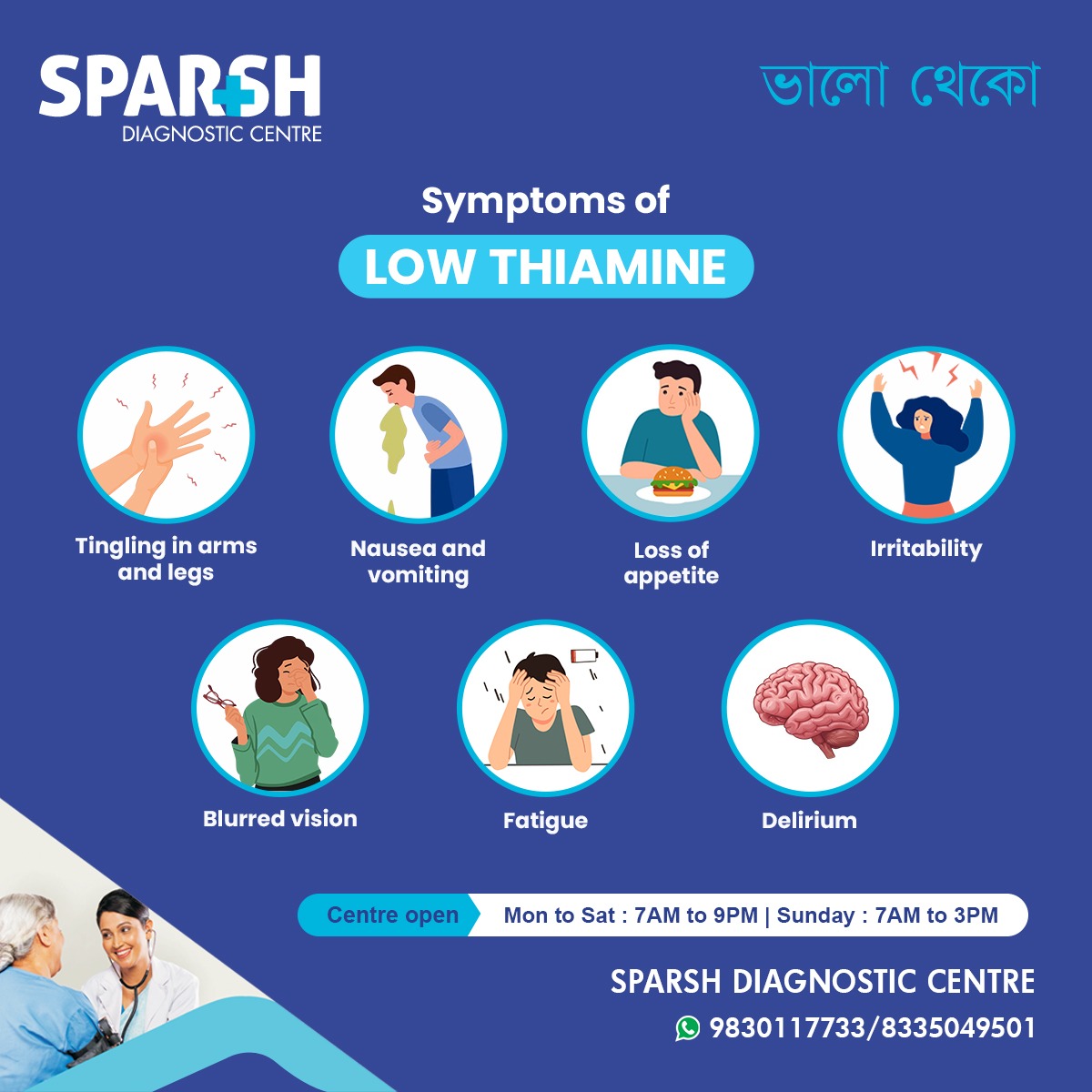
Symptoms of Low Thiamine
Symptoms of low thiamine can vary depending on the severity and duration of deficiency. Early symptoms are often subtle and may be overlooked.
Early Symptoms
Irritability
Difficulty concentrating
Mild memory problems
Neurological Symptoms
Burning sensation in feet
Poor coordination
Confusion or delirium
Gastrointestinal Symptoms
Cardiovascular Symptoms
Severe Deficiency Complications
Dry beriberi (nerve damage, muscle wasting)
Wet beriberi (heart failure, fluid accumulation)
Wernicke’s encephalopathy (confusion, eye movement abnormalities, difficulty walking)
Korsakoff syndrome (severe memory loss and confabulation)
Who Is at Risk of Low Thiamine?
Individuals at higher risk include:
People with alcohol use disorder
Elderly individuals
Patients with chronic gastrointestinal diseases
People with diabetes or kidney disease
Post-surgical patients (especially bariatric surgery)
Individuals on long-term diuretics
Pregnant or breastfeeding women with poor nutrition
How Is Low Thiamine Diagnosed?
Diagnosis involves a combination of clinical evaluation and laboratory testing.
Medical History and Physical Examination
Doctors assess dietary habits, alcohol intake, underlying medical conditions, and neurological or cardiac symptoms.
Blood Tests
Thiamine (Vitamin B1) level
Erythrocyte transketolase activity (functional assessment)
Additional Tests (If Needed)
Imaging studies in neurological cases
Early diagnosis is essential, as neurological damage may become irreversible if treatment is delayed.
Treatment of Low Thiamine
Treatment depends on the severity of deficiency and underlying cause.
Mild Deficiency
Oral thiamine supplements
Dietary modifications
Moderate to Severe Deficiency
High-dose oral or intravenous thiamine
Hospitalisation in cases of neurological or cardiac complications
Treatment of Underlying Cause
Alcohol cessation programs
Management of malabsorption disorders
Adjustment of medications
Symptoms often improve rapidly once thiamine therapy is initiated, though recovery of nerve damage may take longer.
Dietary Sources of Thiamine
Including thiamine-rich foods in daily meals helps prevent deficiency.
Thiamine-Rich Foods
Whole grains and fortified cereals
Brown rice
Legumes (lentils, beans, peas)
Nuts and seeds
Pork
Eggs
Sunflower seeds
Cooking methods matter, as thiamine is water-soluble and can be lost during prolonged cooking.
Prevention of Low Thiamine
Preventive strategies include:
Eating a balanced, nutrient-rich diet
Taking supplements when advised by a doctor
Regular health check-ups for high-risk individuals
Early nutritional support in chronic illness
Complications of Untreated Low Thiamine
If left untreated, low thiamine can result in:
Permanent nerve damage
Chronic heart failure
Severe cognitive impairment
Increased risk of falls and disability
Life-threatening neurological syndromes
Prompt treatment significantly reduces these risks.
When to See a Doctor
Medical attention is advised if you experience:
Persistent fatigue or weakness
Tingling or numbness in limbs
Memory or concentration problems
Unexplained heart symptoms
History of alcohol use with neurological symptoms
Early evaluation can prevent serious complications.
Frequently Asked Questions (FAQs)
What is the main cause of low thiamine?
Poor dietary intake and chronic alcohol consumption are the most common causes.
Can low thiamine be reversed?
Yes, if diagnosed early. Symptoms often improve with timely thiamine supplementation.
Is low thiamine common?
It is more common than expected, especially among elderly individuals and those with chronic illnesses.
How long does it take to recover from thiamine deficiency?
Some symptoms improve within days, while nerve-related symptoms may take weeks or months.
Can low thiamine cause mental health symptoms?
Yes, it can lead to irritability, confusion, memory problems, and even delirium in severe cases.
Is thiamine deficiency dangerous?
Severe deficiency can be life-threatening if it leads to heart failure or neurological syndromes.
Can I take thiamine supplements without a prescription?
Low-dose supplements are generally safe, but medical advice is recommended for proper dosing.
Does cooking destroy thiamine?
Yes, prolonged cooking and boiling can reduce thiamine content in foods.
#BhaloTheko
Disclaimer:
No content on this site, regardless of date, should ever be used as a substitute for direct medical advice from your doctor or other qualified clinician.
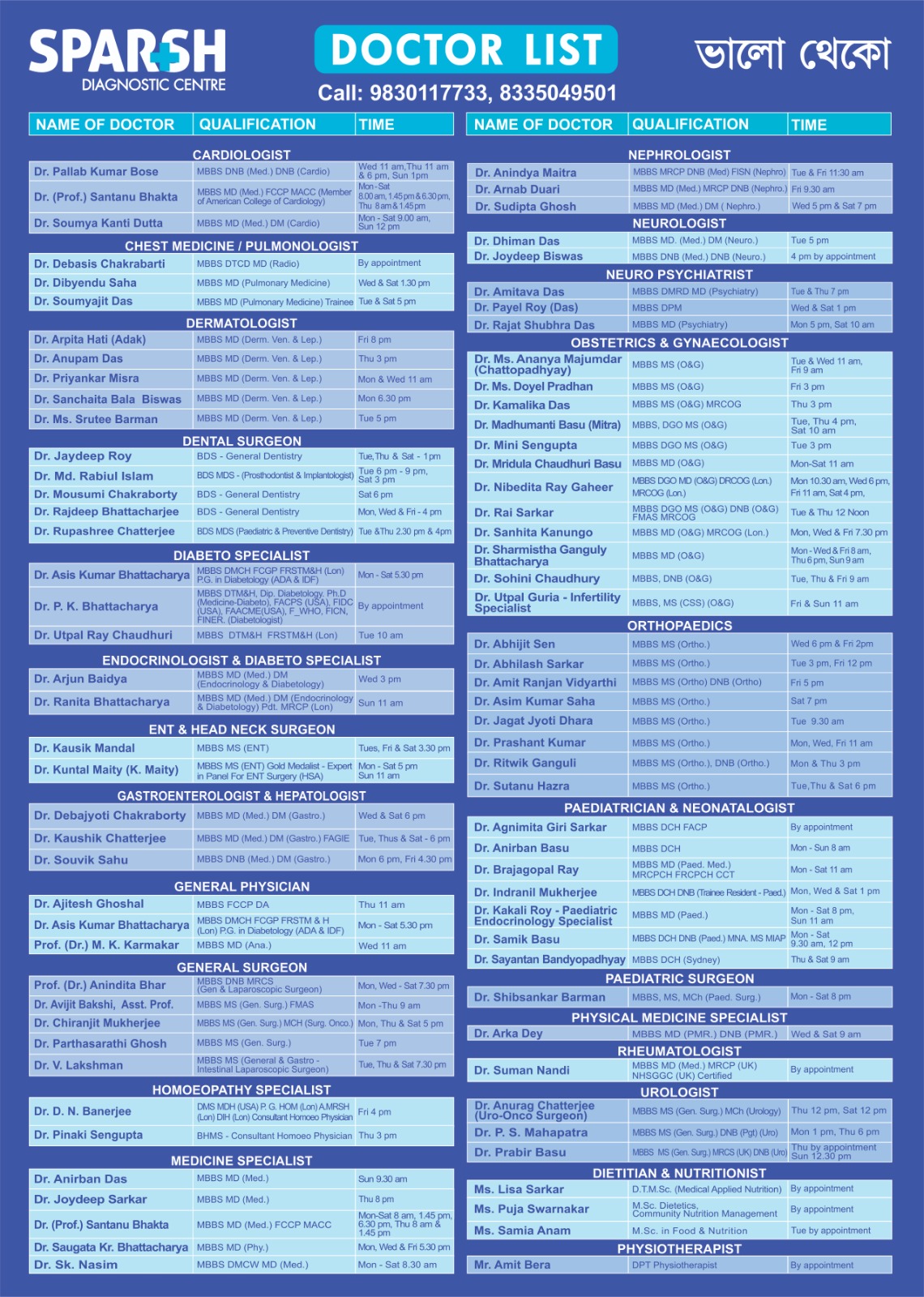
Sparsh Doctor List


