Numbness or tingling in the ring finger and little finger is often brushed off as trivial, but in some cases, it may be a sign of Guyon’s Canal Syndrome—a lesser-known yet clinically important nerve compression condition of the wrist. Though not as common as carpal tunnel syndrome, Guyon’s canal syndrome can significantly affect hand strength, fine motor skills, and daily functioning if left untreated.
This blog provides a comprehensive overview of Guyon’s canal syndrome, including its anatomy, causes, symptoms, diagnostic approach, treatment options, and prevention strategies.
What Is Guyon’s Canal Syndrome?
Also called ulnar tunnel syndrome— it is a condition caused by compression of the ulnar nerve as it passes through Guyon’s canal at the wrist.
Guyon’s canal is a narrow anatomical passage located on the palm side of the wrist, near the base of the little finger. Through this canal pass:
The ulnar nerve
The ulnar artery

When the ulnar nerve becomes compressed in this space, sensory and motor symptoms can develop in the hand, particularly affecting the ring and little fingers.
Anatomy of Guyon’s Canal (Simple Explanation)
Guyon’s canal is formed by:
Pisiform and hamate bones
Flexor retinaculum (ligament)
Surrounding soft tissues
Within the canal, the ulnar nerve divides into:
Superficial sensory branch – supplies sensation to the little finger and half of the ring finger
Deep motor branch – controls many intrinsic hand muscles
The location of compression determines whether symptoms are sensory, motor, or both.
Causes of Guyon’s Canal Syndrome
It occurs when something narrows the canal or increases pressure on the ulnar nerve. Common causes include:
1. Repetitive Wrist Stress
Cycling (especially long-distance cycling)
Weightlifting
Using vibrating tools
Prolonged wrist pressure on hard surfaces
2. Ganglion Cysts
The most common cause
Fluid-filled cysts can press directly on the ulnar nerve
3. Wrist Trauma
Fractures of the hamate bone
Wrist dislocations
Previous wrist surgery
4. Occupational Factors
Desk jobs with poor wrist ergonomics
Manual labor requiring repetitive wrist movement
5. Vascular Causes
Ulnar artery aneurysm or thrombosis
Known as hypothenar hammer syndrome
Symptoms of Guyon’s Canal Syndrome
Symptoms vary depending on which part of the ulnar nerve is compressed.
Sensory Symptoms
Little finger
Half of the ring finger
Reduced sensation on the palm side of the hand
Burning or “pins and needles” sensation
Motor Symptoms
Weak grip strength
Difficulty holding small objects
Hand clumsiness
Muscle wasting in advanced cases
Key Feature
👉 Unlike cubital tunnel syndrome (elbow-related), symptoms do NOT affect the forearm or elbow.
Types of Guyon’s Canal Syndrome
Clinically, the syndrome is divided into three zones, based on where compression occurs.
Type 1 – Mixed Sensory and Motor
Compression before nerve division
Causes numbness + muscle weakness
Type 2 – Motor Only
Affects deep motor branch
Muscle weakness without sensory loss
Type 3 – Sensory Only
Affects superficial sensory branch
Sensory symptoms without weakness
Understanding the type helps guide treatment.
How Guyon’s Canal Syndrome Is Diagnosed
Diagnosis involves a combination of clinical assessment and diagnostic tests.
1. Clinical Examination
Sensory testing of fingers
Muscle strength evaluation
Tinel’s sign at Guyon’s canal
Comparison with the opposite hand
2. Nerve Conduction Studies (NCS)
Identifies delayed nerve signals
Helps localize compression
3. Electromyography (EMG)
Assesses muscle damage or denervation
4. Imaging Tests
Ultrasound – useful for detecting cysts
MRI – detailed soft tissue and nerve imaging
X-ray – evaluates bone abnormalities
Accurate diagnosis is essential to differentiate it from carpal tunnel or cervical nerve conditions.
Treatment Options for Guyon’s Canal Syndrome
Treatment depends on severity, cause, and duration of symptoms.
Conservative (Non-Surgical) Treatment
Recommended for mild to moderate cases.
Activity Modification
Avoid repetitive wrist pressure
Modify cycling posture
Use padded gloves or wrist rests
Wrist Splinting
Neutral wrist position
Reduces nerve compression
Medications
NSAIDs for pain and inflammation
Vitamin B supplementation (supportive role)
Physiotherapy
Nerve gliding exercises
Hand strengthening
Ergonomic training
Surgical Treatment
Indicated when:
Symptoms persist despite conservative care
There is muscle weakness or wasting
A mass (e.g., ganglion cyst) is present
Surgical Decompression
Release of Guyon’s canal
Removal of cysts or abnormal tissue
Resolution of nerve compression
Outcomes are generally excellent when intervention is timely.
Recovery and Prognosis
Early diagnosis = better recovery
Sensory symptoms often improve faster than motor weakness
Severe or long-standing compression may cause permanent changes
Post-treatment recovery includes:
Gradual return of strength
Hand therapy
Ergonomic corrections
Difference Between Guyon’s Canal Syndrome and Carpal Tunnel Syndrome
| Feature | Guyon’s Canal Syndrome | Carpal Tunnel Syndrome |
|---|---|---|
| Affected nerve | Ulnar nerve | Median nerve |
| Fingers affected | Ring & little finger | Thumb, index, middle |
| Location | Wrist (ulnar side) | Wrist (central) |
| Muscle involvement | Intrinsic hand muscles | Thenar muscles |
Prevention Tips
Maintain correct wrist posture
Take frequent breaks during repetitive work
Use protective gear during cycling or manual work
Address wrist pain early
Keep workstations ergonomically optimized
When to See a Doctor
Seek medical attention if you experience:
Persistent finger numbness
Weak grip strength
Worsening hand coordination
Visible muscle thinning in the hand
Early evaluation can prevent long-term nerve damage.
Frequently Asked Questions (FAQs)
What causes Guyon’s canal syndrome most commonly?
Ganglion cysts and repetitive wrist pressure are the most frequent causes of ulnar nerve compression at Guyon’s canal.
Is it permanent?
It is often reversible if treated early. Long-standing compression may lead to permanent nerve damage.
Can Guyon’s canal syndrome heal on its own?
Mild cases may improve with rest and activity modification, but persistent symptoms require medical evaluation.
How is it different from cubital tunnel syndrome?
Cubital tunnel syndrome affects the ulnar nerve at the elbow, while Guyon’s canal syndrome affects the nerve at the wrist.
Is surgery always required?
No. Many patients improve with conservative treatment. Surgery is reserved for severe or non-responsive cases.
Which tests confirm Guyon’s canal syndrome?
Nerve conduction studies, EMG, ultrasound, and MRI help confirm the diagnosis.
Can typing cause Guyon’s canal syndrome?
Poor wrist posture during prolonged typing can contribute, especially with sustained pressure on the wrist.
#BhaloTheko
Disclaimer:
No content on this site, regardless of date, should ever be used as a substitute for direct medical advice from your doctor or other qualified clinician.
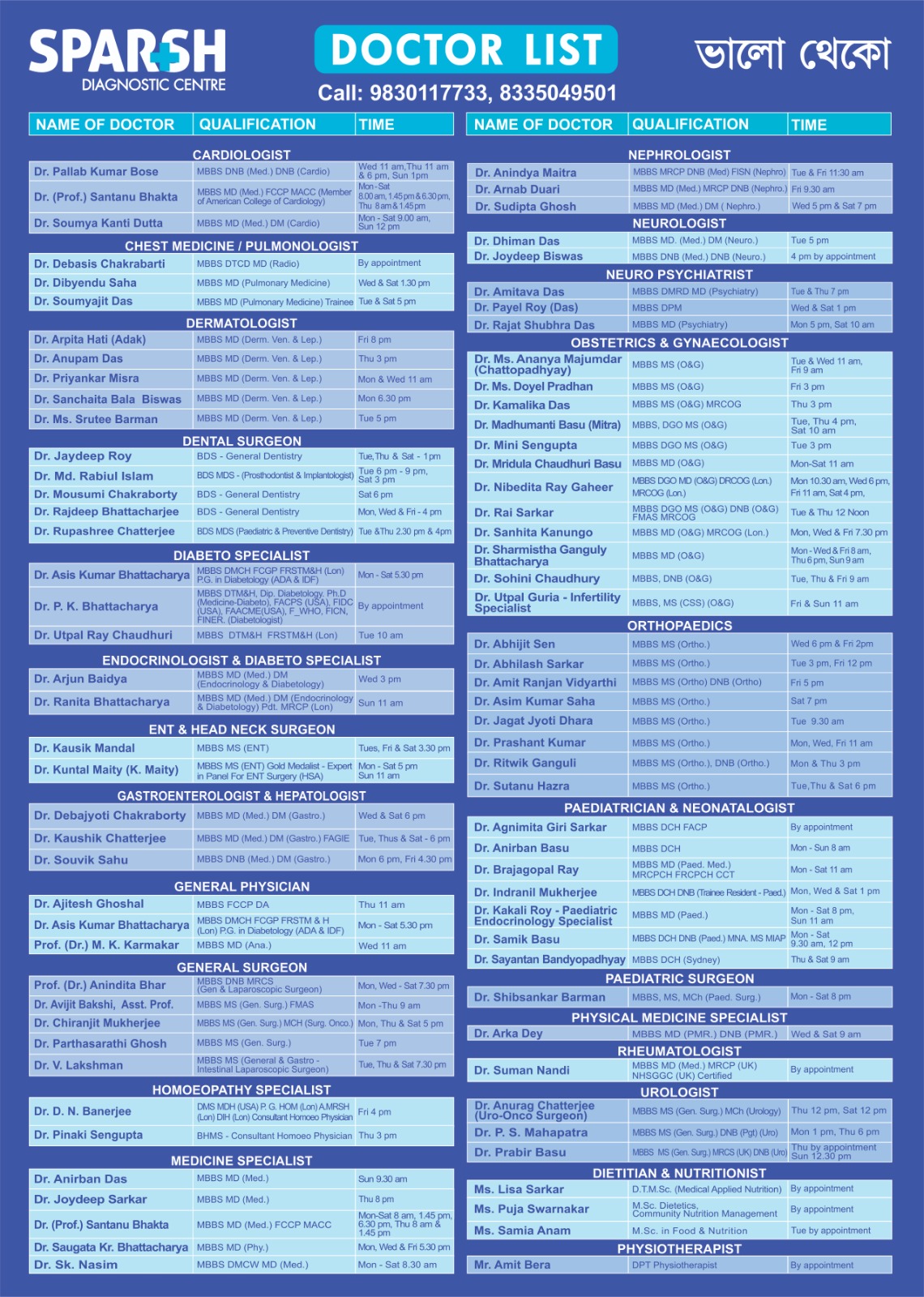
Sparsh Doctor List