

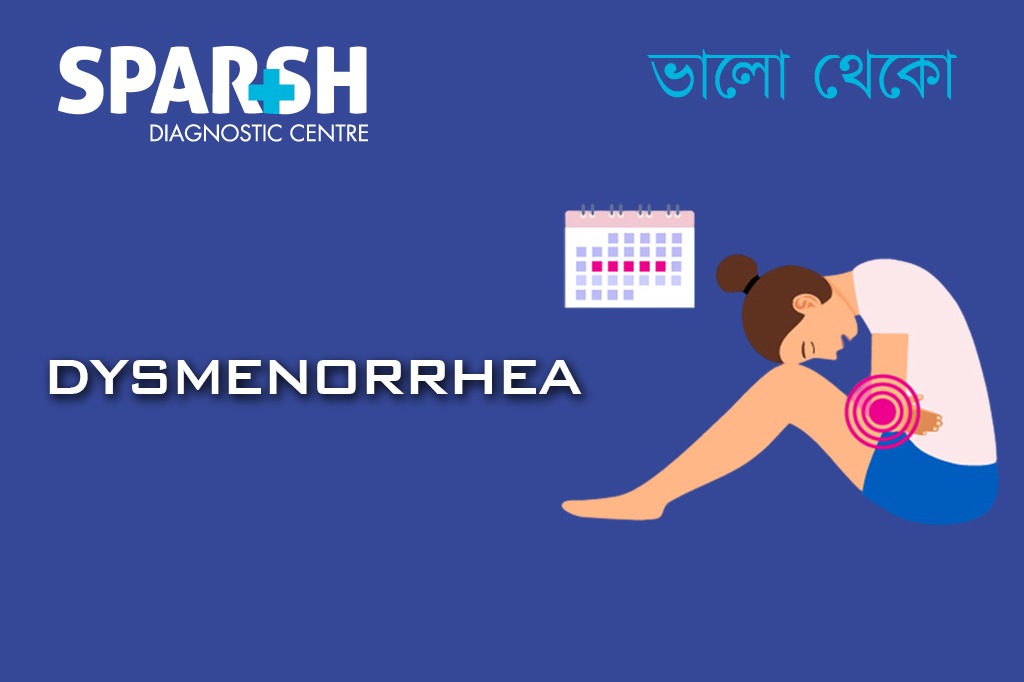
Menstruation is a natural part of life for women of reproductive age. While it is often considered routine, for many women, monthly periods bring significant pain and discomfort. This painful menstrual condition is known as dysmenorrhea.
Dysmenorrhea affects a large percentage of women globally, impacting not just physical health but also emotional well-being, work productivity, and overall quality of life. Understanding its causes, symptoms, and treatment options can help women manage the condition more effectively.
What is Dysmenorrhea?
Dysmenorrhea refers to menstrual cramps or painful periods caused by uterine contractions. It can range from mild discomfort to severe pain that interferes with daily activities.
There are two main types of dysmenorrhea:
Primary Dysmenorrhea
Painful periods without an underlying medical condition.
Usually begins during adolescence.
Symptoms often improve with age or after childbirth.
Secondary Dysmenorrhea
Painful periods caused by underlying health conditions such as endometriosis, fibroids, or pelvic inflammatory disease (PID).
Typically starts later in life.
Pain worsens over time and may last longer than usual menstrual cramps.
Causes of Dysmenorrhea
Primary Dysmenorrhea Causes:
Excessive production of prostaglandins, hormone-like substances that cause uterine contractions.
Restricted blood flow to the uterus during menstruation.
Secondary Dysmenorrhea Causes:
Endometriosis – when endometrial tissue grows outside the uterus.
Uterine fibroids – benign growths inside the uterus.
Adenomyosis – when uterine lining grows into the uterine wall.
Pelvic inflammatory disease (PID) – infection of the female reproductive organs.
Cervical stenosis – narrowing of the cervix, restricting menstrual flow.
Symptoms of Dysmenorrhea
The intensity of symptoms varies from person to person, but common signs include:
Cramping pain in the lower abdomen and pelvis.
Pain that may radiate to the lower back and thighs.
Lightheadedness or dizziness.
If the pain is unusually severe or progressively worsening, it may indicate secondary dysmenorrhea, requiring medical attention.
Risk Factors for Dysmenorrhea
Some women are more likely to experience painful periods due to certain risk factors, including:
Age below 30 years.
Early onset of menstruation (before age 12).
Heavy menstrual bleeding.
Family history of dysmenorrhea.
Smoking or alcohol consumption.
High-stress lifestyle.
Lack of exercise.
Diagnosis of Dysmenorrhea
To identify whether the pain is due to primary or secondary dysmenorrhea, doctors may recommend:
Medical history evaluation – to assess symptoms and menstrual cycle patterns.
Pelvic examination – to check for abnormalities.
Ultrasound – to detect fibroids, cysts, or endometriosis.
Laparoscopy – in severe cases, to look inside the pelvic cavity.
MRI scan – for a detailed view of the uterus and ovaries.
Treatment Options for Dysmenorrhea
1. Medications
Pain relievers (NSAIDs): Ibuprofen, naproxen, or aspirin can help reduce menstrual cramps.
Hormonal birth control: Pills, patches, or intrauterine devices (IUDs) regulate or stop periods, reducing pain.
Antibiotics: If pelvic infections are the cause.
2. Non-Medical Therapies
Heat therapy: Applying a heat pad or hot water bottle to the lower abdomen relaxes muscles and improves blood flow.
Exercise: Physical activity reduces menstrual pain by releasing endorphins.
Dietary changes: Limiting caffeine, alcohol, and salty foods helps reduce bloating and cramps.
Essential oils & aromatherapy: Massaging the abdomen with oils like lavender or peppermint may provide relief.
3. Surgical Options
For severe cases of secondary dysmenorrhea:
Removal of fibroids or endometrial tissue through surgery.
Hysterectomy (removal of uterus): Considered only in extreme cases where other treatments fail.
Home Remedies for Dysmenorrhea
Simple home-based remedies can be effective in easing menstrual pain:
Heat Pads or Hot Showers – Relax uterine muscles and ease cramps.
Herbal Teas – Chamomile or ginger tea reduces inflammation and pain.
Essential Oils – Massage with diluted lavender or clary sage oil.
Adequate Rest – Good sleep improves hormonal balance.
Avoid Caffeine – Reduces tension and bloating.
Anion Pads – Some women report relief from using these pads.

Complications of Untreated Dysmenorrhea
Ignoring persistent menstrual pain can lead to:
Chronic pelvic pain.
Anxiety, depression, or poor mental health.
Reduced quality of life due to missed school or work days.
Prevention Tips for Dysmenorrhea
While dysmenorrhea cannot always be prevented, adopting a healthy lifestyle may reduce its severity:
Maintain a balanced diet rich in omega-3 fatty acids, fruits, and vegetables.
Exercise regularly (yoga, walking, or swimming).
Manage stress with meditation or breathing exercises.
Avoid smoking and alcohol.
Track menstrual cycles to anticipate symptoms.
When to See a Doctor
Consult a gynecologist if you experience:
Severe cramps unrelieved by over-the-counter medicines.
Menstrual pain that worsens over time.
Heavy or irregular bleeding.
Pain even when not menstruating.
Signs of secondary causes like endometriosis.
Dysmenorrhea and Mental Health
Chronic menstrual pain not only affects physical well-being but can also take a toll on mental health. Studies show that women with severe dysmenorrhea are more prone to stress, depression, and anxiety. Seeking timely medical care and adopting coping strategies can help maintain both physical and emotional health.
Why Choose Sparsh Diagnostic Centre?
At Sparsh Diagnostic Centre, Kolkata, we provide:
Accurate diagnostic tests such as ultrasound and hormonal tests.
Patient-focused care with modern medical facilities.
Convenient home sample collection services for blood and hormone testing.
Our mission is to ensure that women do not suffer in silence and receive the right treatment for menstrual health issues.
Frequently Asked Questions (FAQs)
Q1. What is the difference between primary and secondary dysmenorrhea?
Primary dysmenorrhea refers to painful periods without an underlying medical cause, while secondary dysmenorrhea is linked to conditions like endometriosis or fibroids.
Q2. Can dysmenorrhea affect fertility?
Primary dysmenorrhea does not affect fertility, but secondary dysmenorrhea caused by conditions like endometriosis or PID can lead to fertility issues if untreated.
Q3. Are home remedies effective for dysmenorrhea?
Yes, remedies such as using heat pads, essential oils, and herbal teas can reduce menstrual cramps. However, severe or persistent pain should be evaluated by a doctor.
Q4. Is exercise recommended during periods with dysmenorrhea?
Yes, light exercises like yoga, stretching, or walking can help relieve cramps by improving blood circulation and releasing endorphins.
Q5. When should I seek medical help for period pain?
Seek medical attention if pain is severe, worsening, or accompanied by heavy bleeding, nausea, or other unusual symptoms.
Dysmenorrhea is a common but often overlooked women’s health issue. While mild cramps are a normal part of menstruation, severe or persistent pain should not be ignored. With proper diagnosis and treatment, women can manage dysmenorrhea effectively and lead a healthier, more comfortable life.
If you or a loved one is experiencing severe menstrual pain, don’t hesitate to consult experts at Sparsh Diagnostic Centre for accurate diagnosis and effective treatment.
👉 Book your appointment today at Sparsh Diagnostic Centre.
#BhaloTheko
Disclaimer:
No content on this site, regardless of date, should ever be used as a substitute for direct medical advice from your doctor or other qualified clinician.



[…] Menstrual cramps (dysmenorrhea) […]