A dry throat is something almost everyone experiences at some point. Sometimes it happens after sleeping with your mouth open, while other times it may be linked to allergies, dehydration, acid reflux, infections, or even certain medical conditions. Although it is often harmless and temporary, persistent throat dryness can affect your comfort, sleep, speaking, swallowing, and overall quality of life.
The good news is that most cases of dry throat improve with simple home remedies and lifestyle changes. However, if the problem keeps returning or lasts for several weeks, it could be a sign of an underlying health issue that requires medical attention.
In this comprehensive guide, we’ll explain what causes a dry throat, how to treat it naturally, when to seek medical care, and answer the most commonly asked questions about throat dryness.
What Is a Dry Throat?
A dry throat occurs when the tissues lining your throat lose adequate moisture. Instead of feeling smooth and comfortable, your throat may feel:
- Scratchy
- Rough
- Tight
- Irritated
- Burning
- Itchy
- Painful while swallowing
Some people also notice persistent thirst, hoarseness, coughing, or the constant need to clear their throat.
Dry throat itself isn’t a disease—it’s usually a symptom of another condition.
What Causes a Dry Throat?
There are many reasons why your throat may become dry. Identifying the underlying cause is the first step toward effective treatment.
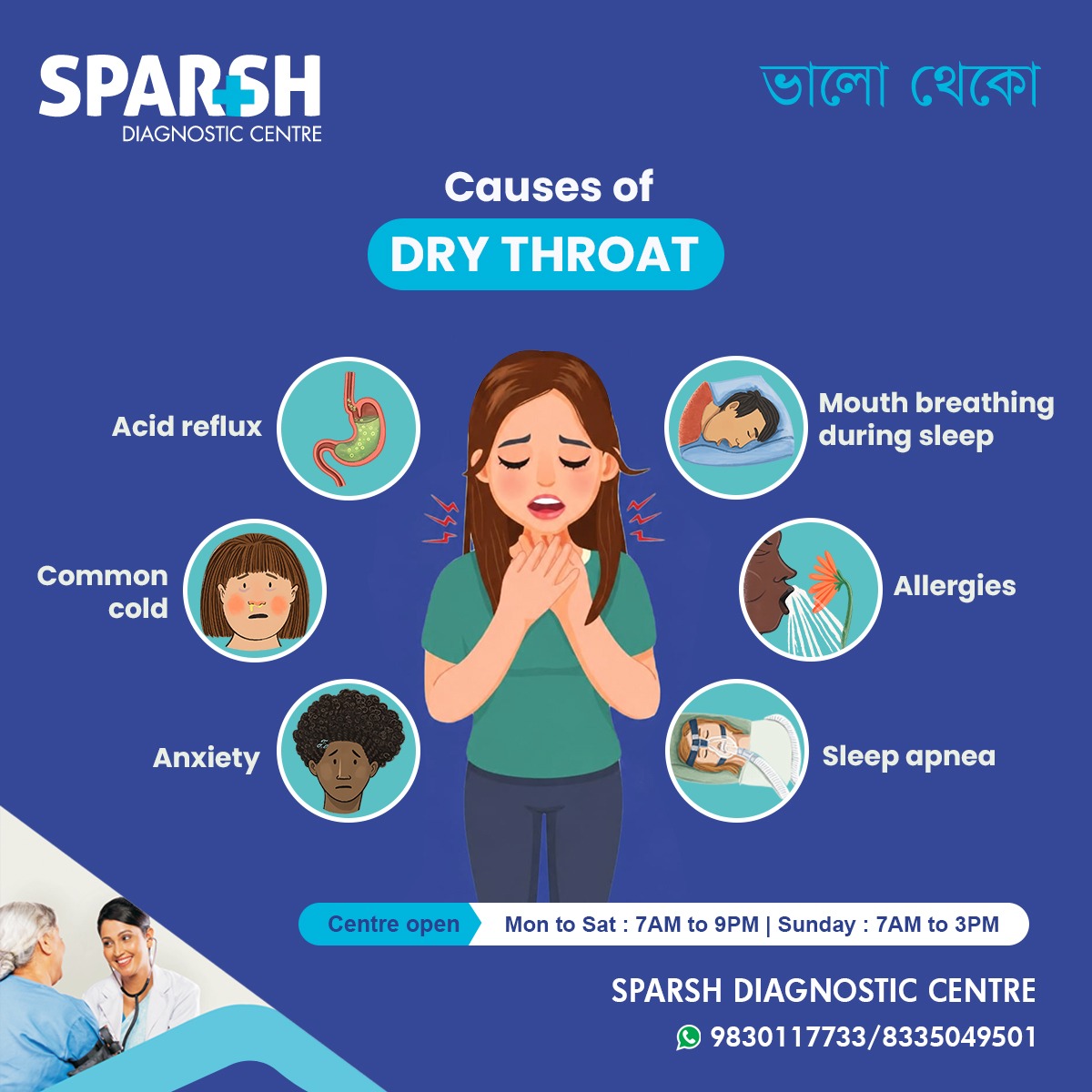
1. Dehydration
The most common cause of throat dryness is simply not drinking enough fluids.
Dehydration may result from:
When your body lacks fluids, saliva production decreases, leaving your throat dry and uncomfortable.
2. Mouth Breathing During Sleep
Breathing through your mouth while sleeping allows air to continuously pass over the throat, drying its lining.
This is especially common in people with:
- Nasal congestion
- Deviated nasal septum
- Enlarged tonsils
- Chronic allergies
Many people wake up with a dry throat that gradually improves after drinking water.
3. Common Cold and Viral Infections
Upper respiratory infections often cause:
- Sore throat
- Dry throat
- Cough
- Fever
- Runny nose
Inflammation reduces moisture and irritates throat tissues.
4. Allergies
Seasonal allergies caused by pollen, dust mites, mould, or pet dander can irritate the throat.
Allergies may also lead to:
- Postnasal drip
- Sneezing
- Itchy eyes
- Blocked nose
- Mouth breathing
5. Acid Reflux (GERD)
When stomach acid travels upward into the oesophagus and throat, it can irritate the delicate tissues.
Common symptoms include:
- Burning sensation
- Bitter taste
- Chronic throat clearing
- Hoarseness
- Persistent dry throat
Some people experience reflux only at night, making morning throat dryness worse.
6. Anxiety and Stress
Stress affects the nervous system and may reduce saliva production.
People experiencing anxiety often notice:
- Dry mouth
- Tight throat
- Difficulty swallowing
- Frequent throat clearing
7. Dry Air
Air conditioning, indoor heating, and winter weather reduce humidity.
Dry air removes moisture from the throat, especially overnight.
8. Smoking and Vaping
Tobacco smoke and vaping chemicals irritate the throat lining and reduce natural lubrication.
Long-term smoking also increases the risk of chronic throat irritation and throat cancer.
9. Medications
Several medications list dry mouth and throat as side effects.
These include:
- Antihistamines
- Antidepressants
- Blood pressure medicines
- Diuretics
- Muscle relaxants
- Some pain medications
10. Sleep Apnea
People with obstructive sleep apnoea often breathe through their mouths throughout the night.
This commonly causes:
- Morning dry throat
- Dry mouth
- Snoring
- Poor sleep quality
11. Medical Conditions
Less commonly, dry throat may be associated with:
Symptoms of a Dry Throat
Depending on the cause, symptoms may include:
- Scratchy sensation
- Burning throat
- Pain while swallowing
- Dry cough
- Hoarse voice
- Bad breath
- Thick saliva
- Frequent thirst
- Difficulty speaking
- Feeling of something stuck in the throat
Why Is My Throat So Dry Even When I Drink Water?
Many people wonder why drinking plenty of water doesn’t completely solve the problem.
Possible reasons include:
- Mouth breathing during sleep
- Acid reflux
- Allergies
- Chronic sinus congestion
- Dry indoor air
- Certain medications
- Reduced saliva production
- Anxiety
- Sleep apnea
If hydration alone doesn’t help, the underlying cause needs to be identified rather than simply increasing water intake.
Risk Factors for Dry Throat
You may be more likely to experience throat dryness if you:
- Live in a dry climate
- Spend time in air-conditioned rooms
- Smoke
- Drink excessive alcohol
- Consume large amounts of caffeine
- Have allergies
- Snore regularly
- Use CPAP without adequate humidification
- Take medications that reduce saliva
How Is a Dry Throat Diagnosed?
If symptoms persist, your doctor may ask about:
- Duration of symptoms
- Current medications
- Allergies
- Smoking history
- Sleep habits
- Acid reflux symptoms
Depending on your condition, investigations may include:
- Physical examination
- Nasal examination
- Throat examination
- Blood tests
- Allergy testing
- Endoscopy
- Sleep study
- Kidney function tests
- Diabetes screening
How Do I Fix Throat Dryness?
Treatment depends on the underlying cause.
General recommendations include:
Stay Hydrated
Drink water consistently throughout the day rather than consuming large amounts at once.
Use a Humidifier
Adding moisture to indoor air can significantly reduce overnight throat dryness.
Treat Nasal Congestion
Managing allergies and blocked nasal passages encourages nasal breathing instead of mouth breathing.
Manage Acid Reflux
Avoid:
- Late-night meals
- Spicy foods
- Excess caffeine
- Alcohol
Sleeping with your head slightly elevated may also help.
Review Your Medications
If dryness started after beginning a new medication, consult your doctor before making any changes.
Stop Smoking
Quitting smoking allows irritated throat tissues to heal and improves overall respiratory health.
Home Remedies for Dry Throat
Many simple remedies provide quick relief.
Warm Salt Water Gargles
Salt water reduces irritation and helps soothe inflamed throat tissues.
Honey
Honey coats the throat and may reduce irritation and coughing.
Avoid giving honey to children under one year of age.
Herbal Tea
Warm herbal teas like chamomile or ginger can soothe discomfort.
Warm Soups
Broths help maintain hydration while providing warmth and comfort.
Sugar-Free Lozenges
These stimulate saliva production and temporarily lubricate the throat.
Steam Inhalation
Breathing warm steam may reduce throat irritation caused by dry air.
Foods That May Help
Consider including:
- Watermelon
- Cucumbers
- Oranges
- Apples
- Pears
- Soups
- Yogurt
- Smoothies
These foods contribute both fluids and nutrients.
Foods to Limit
If your throat feels dry or irritated, try reducing:
- Alcohol
- Excess caffeine
- Very spicy foods
- Salty snacks
- Tobacco
- Sugary beverages
What to Drink to Heal a Dry Throat?
The best drinks include:
- Plain water
- Warm herbal tea
- Warm water with honey
- Clear soups
- Coconut water
- Electrolyte solutions (when dehydrated)
- Warm lemon water (if it doesn’t worsen reflux)
Avoid excessive coffee, alcohol, and sugary soft drinks, as these may worsen dehydration in some people.
Is a Dry Throat Worse at Night?
Yes. Many people notice that throat dryness becomes worse during the night because:
- Saliva production naturally decreases during sleep.
- Mouth breathing becomes more common.
- Indoor air may be dry.
- Snoring increases throat irritation.
- Acid reflux often worsens when lying flat.
Morning dryness is therefore a common complaint.
How to Sleep with a Dry Throat
To reduce throat dryness overnight:
- Drink water before bedtime.
- Use a bedroom humidifier.
- Keep your bedroom comfortably cool.
- Sleep on your side if you snore.
- Elevate your head if you have acid reflux.
- Treat nasal congestion before bed.
- Avoid alcohol close to bedtime.
- Limit caffeine in the evening.
Which Deficiency Causes Dry Throat?
Several nutritional deficiencies may contribute indirectly to throat dryness, including:
- Vitamin A deficiency
- Vitamin B-complex deficiencies
- Iron deficiency
- Zinc deficiency
These deficiencies can affect the health of the mucous membranes lining the mouth and throat. However, nutritional deficiencies are a relatively uncommon cause compared with dehydration, allergies, infections, or medication side effects.
How to Naturally Lubricate a Dry Throat
Natural ways to keep your throat moist include:
- Drinking water regularly
- Sucking on sugar-free lozenges
- Chewing sugar-free gum
- Eating hydrating fruits
- Gargling with warm salt water
- Using honey
- Running a humidifier
- Avoiding smoking
- Breathing through your nose whenever possible
Can Kidney Disease Cause Dry Throat?
Yes, chronic kidney disease can sometimes contribute to dry throat.
People with kidney disease may experience:
- Dry mouth
- Increased thirst
- Dehydration
- Changes in saliva production
- Medication-related dryness
Fluid restrictions prescribed for certain kidney conditions can also make dryness more noticeable. If you have kidney disease and persistent throat dryness, speak with your healthcare provider before increasing your fluid intake.
What Are the Risks of a Chronic Dry Throat?
A dry throat lasting for weeks or months shouldn’t be ignored.
Possible complications include:
- Persistent discomfort
- Difficulty swallowing
- Sleep disturbances
- Hoarseness
- Increased throat infections
- Voice strain
- Poor quality of life
More importantly, chronic throat dryness may occasionally signal conditions such as acid reflux, autoimmune diseases, diabetes, chronic kidney disease, or, in rare cases, cancers of the throat. Persistent symptoms deserve medical evaluation.
When Should You See a Doctor?
Seek medical attention if your dry throat:
- Lasts longer than two to three weeks
- Is associated with difficulty swallowing
- Causes breathing problems
- Is accompanied by persistent fever
- Includes unexplained weight loss
- Produces blood while coughing
- Causes severe pain
- Is associated with a neck lump
- Continues despite adequate hydration
Early evaluation can identify treatable causes before complications develop.
Preventing Dry Throat
Simple preventive measures include:
- Stay well hydrated.
- Use a humidifier in dry environments.
- Avoid smoking and vaping.
- Limit alcohol consumption.
- Treat allergies promptly.
- Maintain good nasal hygiene.
- Manage acid reflux.
- Practice good oral hygiene.
- Get adequate sleep.
- Attend regular health check-ups if you have chronic medical conditions.
Frequently Asked Questions (FAQs)
1. How do I fix throat dryness?
Drink plenty of water, use a humidifier, avoid smoking, manage allergies or acid reflux, and breathe through your nose whenever possible. Persistent symptoms should be evaluated by a doctor to identify the underlying cause.
2. What causes a dry throat?
Common causes include dehydration, mouth breathing, viral infections, allergies, acid reflux, dry air, smoking, medications, anxiety, sleep apnoea, diabetes, kidney disease, and autoimmune conditions.
3. Why is my throat so dry even when I drink water?
Hydration alone may not solve throat dryness if the underlying cause is mouth breathing, allergies, acid reflux, medication side effects, dry indoor air, sleep apnoea, or reduced saliva production.
4. How long will a dry throat last?
Most cases caused by dehydration, mild viral infections, or temporary irritation improve within a few days to one week. If symptoms last longer than two to three weeks, consult a healthcare professional.
5. Which deficiency causes dry throat?
Vitamin A, vitamin B-complex, iron, and zinc deficiencies may contribute to dryness, although they are less common causes than dehydration, allergies, infections, or medications.
6. How to naturally lubricate a dry throat?
Drink water regularly, chew sugar-free gum, use honey, gargle with warm salt water, eat water-rich fruits, use a humidifier, and avoid smoking or excessive alcohol.
7. What should I drink to heal a dry throat?
Water remains the best choice. Warm herbal teas, clear soups, coconut water, electrolyte solutions when appropriate, and warm water with honey can also help soothe throat irritation.
8. Is a dry throat worse at night?
Yes. Saliva production decreases during sleep, and mouth breathing, snoring, dry air, and acid reflux can all make throat dryness more noticeable overnight.
9. How can I sleep with a dry throat?
Stay hydrated before bed, use a humidifier, treat nasal congestion, avoid alcohol late in the evening, sleep on your side if you snore, and elevate your head if reflux is contributing to your symptoms.
10. What are the risks of a chronic dry throat?
Persistent throat dryness may lead to discomfort, difficulty swallowing, voice changes, sleep problems, recurrent infections, and may sometimes indicate an underlying medical condition that requires treatment.
11. Can kidney disease cause dry throat?
Yes. Chronic kidney disease may contribute to dry throat through dehydration, reduced saliva production, medication effects, or fluid balance issues. People with kidney disease who experience persistent dryness should discuss it with their healthcare provider.
Final Thoughts
A dry throat is often temporary and improves with good hydration, proper humidity, and simple lifestyle changes. However, when throat dryness becomes persistent or is accompanied by symptoms such as difficulty swallowing, hoarseness, unexplained weight loss, or neck swelling, it’s important to seek medical evaluation. Identifying the root cause—whether it’s allergies, acid reflux, sleep apnoea, medication side effects, or an underlying medical condition—can lead to effective treatment and lasting relief.
Listening to your body, staying hydrated, and addressing persistent symptoms early can help protect both your throat health and your overall well-being.
To consult a Doctor or get full body check-up done at Sparsh Diagnostic Centre, call our helpline numbers 9830117733/ 8335049501.
#BhaloTheko
Disclaimer:
No content on this site, regardless of date, should ever be used as a substitute for direct medical advice from your doctor or other qualified clinician.