Ebola is one of the world’s most feared infectious diseases, known for causing severe illness and high death rates during outbreaks. Although the disease has gained global attention because of major epidemics in Africa, it remains relatively rare. Advances in medical care, vaccines, and treatments have significantly improved survival rates compared to previous decades, making Ebola less deadly than it once was—provided patients receive prompt medical attention.
Understanding Ebola is essential because misinformation often creates unnecessary fear. While the virus can cause life-threatening complications, it does not spread as easily as common respiratory infections like COVID-19 or influenza. Instead, Ebola requires direct contact with infected bodily fluids, making proper infection control measures highly effective in preventing transmission.
This comprehensive guide explains everything you need to know about Ebola, including its causes, symptoms, treatment, survival chances, prevention strategies, and answers to the most frequently asked questions.
What Is Ebola?
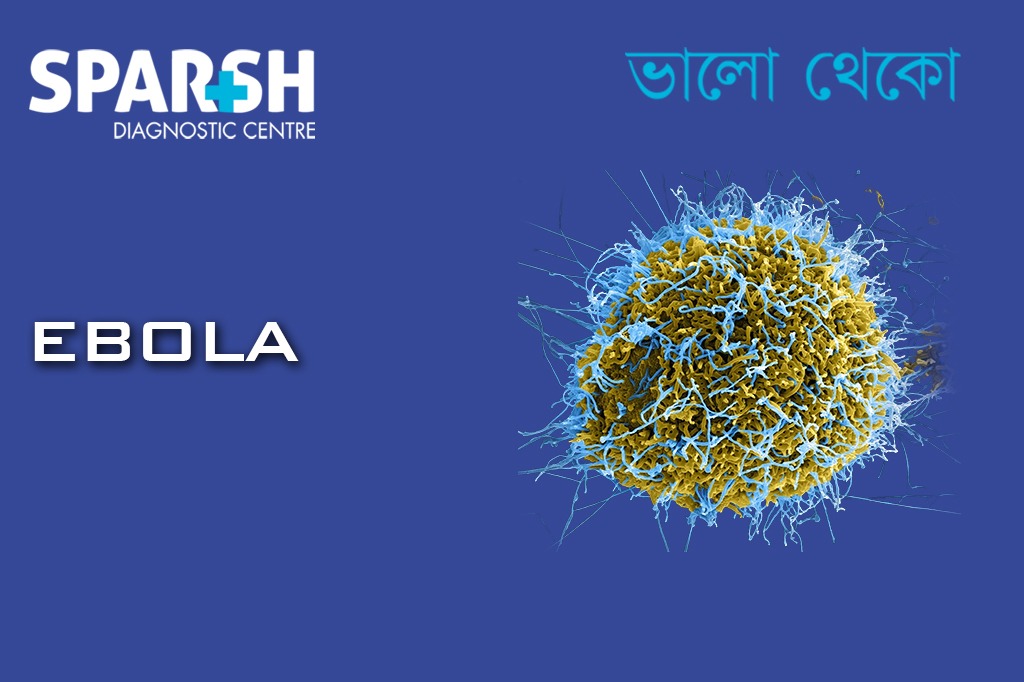
Ebola, also known as Ebola Virus Disease (EVD), is a severe viral illness caused by viruses belonging to the Ebolavirus genus. It primarily affects humans and non-human primates such as monkeys and chimpanzees.
The disease was first identified in 1976 during simultaneous outbreaks in Sudan and what is now the Democratic Republic of the Congo, near the Ebola River, from which it takes its name.
Ebola can cause severe fever, bleeding disorders, organ failure, and, in some cases, death. However, not every patient develops bleeding, contrary to popular belief.
What Is Ebola Caused By?
Ebola is caused by infection with the Ebola virus, a member of the Filoviridae family. Scientists have identified several species of the virus, including:
- Zaire ebolavirus (the deadliest and most common)
- Sudan ebolavirus
- Bundibugyo ebolavirus
- Taï Forest ebolavirus
- Reston ebolavirus (primarily affects animals)
Among these, Zaire ebolavirus has been responsible for the largest outbreaks and has the highest mortality rate.
People become infected after exposure to infected animals or through direct contact with bodily fluids from an infected person.
What Animal Carries Ebola?
Researchers believe that fruit bats are the natural reservoir of the Ebola virus. These bats can carry the virus without becoming seriously ill.
Other animals that may become infected include:
- Monkeys
- Gorillas
- Chimpanzees
- Forest antelopes
- Porcupines
Humans can become infected after handling or consuming infected wildlife, particularly bushmeat.
How Does Ebola Spread?
Unlike airborne diseases, Ebola spreads through direct contact with:
- Blood
- Vomit
- Saliva
- Urine
- Sweat
- Breast milk
- Semen
- Feces
The virus may also spread through contaminated:
- Needles
- Medical equipment
- Bedding
- Clothing
- Surfaces contaminated with bodily fluids
Importantly, Ebola does not spread through casual contact, coughing across a room, or simply being near someone who is infected.
Can You Get Ebola From Kissing?
Yes, it is possible.
Since saliva may contain the virus during active infection, kissing an infected individual can transmit Ebola, especially if either person has cuts or sores in the mouth.
However, the risk depends on:
- Whether the infected person is symptomatic
- The amount of virus present
- Direct exposure to saliva or blood
People who have recovered may also carry the virus in certain body fluids, particularly semen, for several months.
What Happens If You Get Ebola?
Once infected, the virus attacks several types of immune cells and spreads rapidly throughout the body.
As the infection progresses, it can:
- Trigger a massive inflammatory response
- Damage blood vessels
- Cause blood clotting abnormalities
- Lead to dehydration
- Damage multiple organs
- Cause shock
Without treatment, severe Ebola can progress rapidly and become life-threatening.
Incubation Period
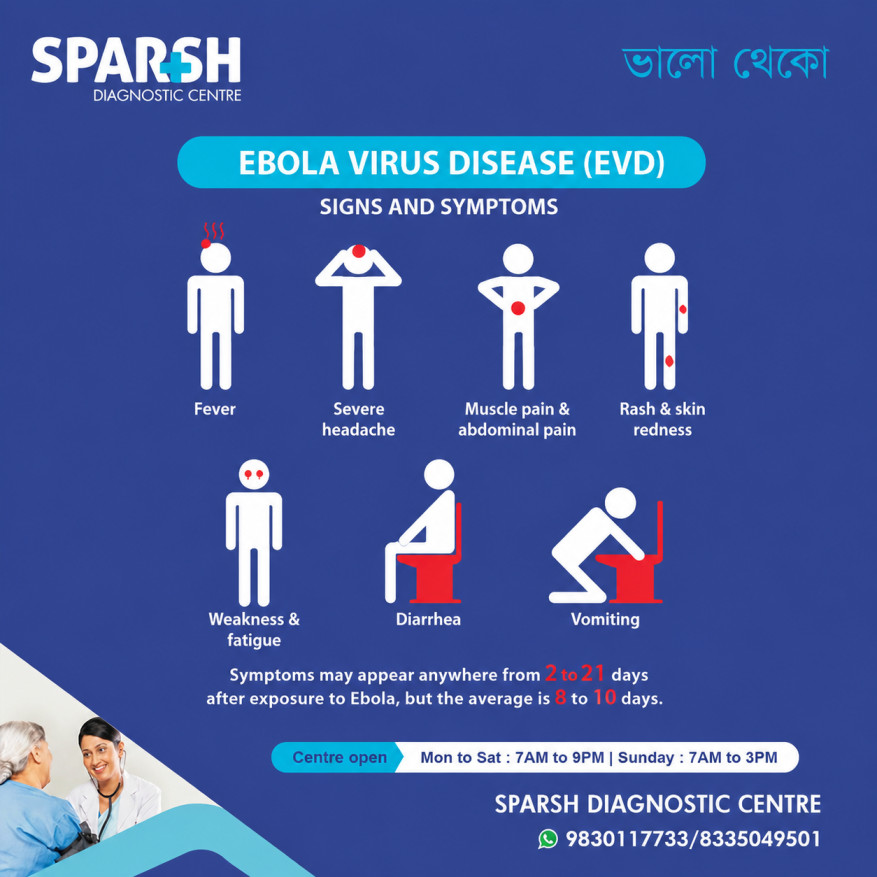
Symptoms usually appear 2 to 21 days after exposure.
Most infected people develop symptoms within 8 to 10 days.
A person is not contagious before symptoms begin.
What Are the Signs and Symptoms of Ebola?
Early symptoms resemble many common viral illnesses, making diagnosis difficult without laboratory testing.
Early Symptoms
- Sudden high fever
- Severe headache
- Extreme weakness
- Muscle pain
- Chills
- Fatigue
- Sore throat
Progressive Symptoms
Within several days, patients may develop:
- Vomiting
- Diarrhea
- Abdominal pain
- Rash
- Red eyes
- Chest pain
- Difficulty swallowing
- Persistent hiccups
Severe Symptoms
As the disease worsens, serious complications can occur, including:
- Internal bleeding
- Bleeding from the gums or nose
- Bloody vomit
- Bloody stools
- Confusion
- Organ failure
- Shock
- Seizures
- Coma
It is important to note that not all Ebola patients experience bleeding.
Which Organ Is Affected by Ebola?
Ebola affects multiple organs rather than a single organ.
The virus commonly damages:
- Liver
- Kidneys
- Spleen
- Blood vessels
- Immune system
- Gastrointestinal tract
In severe cases, it can also affect the:
- Brain
- Heart
- Lungs
This widespread organ damage contributes to the seriousness of the disease.
How Is Ebola Diagnosed?
Doctors consider Ebola in people who have compatible symptoms and a history of possible exposure.
Diagnosis is confirmed through laboratory tests such as:
- PCR (Polymerase Chain Reaction)
- Antigen detection tests
- Blood antibody testing
- Virus isolation in specialized laboratories
Rapid diagnosis is essential because early treatment improves outcomes.
Is Ebola Survivable?
Yes.
Ebola is survivable, especially when patients receive prompt medical care.
Survival depends on several factors:
- Early diagnosis
- Immediate supportive treatment
- Access to intensive care
- Patient’s overall health
- Virus strain
Recent outbreaks have demonstrated significantly improved survival rates because of better medical management and newer antiviral therapies.
Is Ebola 100% Fatal?
No.
Ebola is not 100% fatal.
Mortality rates vary widely depending on:
- Virus species
- Healthcare quality
- Availability of treatment
- Timing of medical intervention
Historically, fatality rates ranged from 25% to 90%, but modern treatment has considerably reduced deaths in many outbreaks.
Is Ebola Still a Death Sentence?
Fortunately, no.
Although Ebola remains a serious medical emergency, advances in healthcare have dramatically improved survival.
Several factors have changed the outlook:
- Earlier diagnosis
- Better supportive care
- Approved antibody treatments
- Effective vaccines for prevention
- Improved outbreak control
Many patients now recover completely when treated promptly.
What Kills Ebola?
There is no single medicine that instantly kills Ebola inside the body.
Instead, treatment focuses on:
Supportive Care
- Intravenous fluids
- Electrolyte replacement
- Oxygen therapy
- Blood pressure support
- Nutritional support
- Treatment of secondary infections
Antibody Treatments
Monoclonal antibody therapies have significantly improved survival in patients infected with the Zaire strain.
These medicines help the immune system neutralize the virus.
Is There a Cure for Ebola Now?
There is no universal cure that works instantly for every Ebola infection.
However, several approved treatments have dramatically improved recovery rates, especially when given early.
Modern management includes:
- Monoclonal antibody therapy
- Intensive supportive care
- Fluid replacement
- Organ support
Early treatment offers the best chance of survival.
Ebola Vaccine
A highly effective vaccine is available against the Zaire ebolavirus species.
The vaccine is mainly used for:
- Healthcare workers
- Close contacts of infected patients
- Outbreak control
Vaccination has played a major role in reducing the spread of Ebola during recent outbreaks.
How Painful Is Ebola?
Ebola can be extremely painful.
Patients commonly experience:
- Severe muscle aches
- Joint pain
- Intense headaches
- Abdominal pain
- Pain during swallowing
- Chest discomfort
As the illness progresses, severe vomiting, diarrhea, dehydration, and organ damage may increase discomfort significantly.
Proper pain management is an important part of treatment.
What Is the Last Stage of Ebola?
The final stage of severe Ebola involves widespread organ failure.
Patients may experience:
- Severe dehydration
- Low blood pressure
- Internal bleeding
- Kidney failure
- Liver failure
- Shock
- Difficulty breathing
- Loss of consciousness
Without intensive medical care, this stage can be fatal.
Patients who survive usually begin improving during this phase as the immune system gains control over the infection.
Recovery From Ebola
Recovery may take weeks to months.
Some survivors develop post-Ebola syndrome, which can include:
- Joint pain
- Muscle weakness
- Vision problems
- Fatigue
- Memory difficulties
- Depression
- Eye inflammation
Long-term follow-up is often necessary.
How to Prevent Ebola
Preventing Ebola relies on avoiding exposure and maintaining strict infection control.
Effective prevention measures include:
- Avoid contact with infected individuals.
- Wear protective equipment when caring for patients.
- Practice good hand hygiene.
- Avoid handling dead animals in outbreak regions.
- Cook animal products thoroughly.
- Follow public health recommendations during outbreaks.
- Receive vaccination if eligible.
- Ensure healthcare workers use proper protective equipment.
Which Is Deadlier, COVID or Ebola?
In terms of case fatality rate, Ebola is much deadlier than COVID-19.
However, COVID-19 spreads much more easily because it is transmitted through respiratory droplets and aerosols.
A comparison illustrates the difference:
| Feature | Ebola | COVID-19 |
|---|---|---|
| Spread | Direct bodily fluids | Airborne respiratory transmission |
| Fatality Rate | Much higher | Much lower overall |
| Ease of Transmission | Lower | Very high |
| Outbreak Size | Usually localized | Global pandemic |
Although Ebola has a higher mortality rate, COVID-19 has caused far more deaths worldwide because it spreads much more efficiently.
Living With Ebola Survivors
People who recover from Ebola are not permanently contagious.
Most survivors can safely return to normal life after recovery.
However, the virus may remain in certain body fluids, especially semen, for months after recovery. Medical follow-up and appropriate precautions help reduce the risk of transmission.
Communities should support survivors rather than stigmatize them, as they often face emotional and psychological challenges after recovery.
When Should You Seek Medical Care?
Immediate medical attention is essential if you have:
- Fever after visiting an Ebola-affected region
- Direct contact with an infected individual
- Exposure to bodily fluids from someone suspected of having Ebola
- Severe vomiting or diarrhea after possible exposure
Early diagnosis improves survival and helps prevent further spread.
Frequently Asked Questions (FAQs)
1. What is Ebola caused by?
Ebola is caused by infection with the Ebola virus, most commonly the Zaire ebolavirus species. The virus spreads through direct contact with infected bodily fluids or contaminated materials.
2. Is Ebola survivable?
Yes. Many people survive Ebola, particularly when they receive early diagnosis, intensive supportive care, and appropriate antiviral antibody treatment.
3. What happens if you get Ebola?
The virus attacks the immune system and multiple organs, causing fever, weakness, vomiting, diarrhea, dehydration, and potentially organ failure if left untreated.
4. What are the signs and symptoms of Ebola?
Common symptoms include sudden fever, severe headache, muscle pain, weakness, vomiting, diarrhea, abdominal pain, rash, and, in severe cases, bleeding and shock.
5. Is Ebola 100% fatal?
No. Ebola is not always fatal. Survival rates have improved significantly with modern medical care.
6. What kills Ebola?
Supportive treatment combined with monoclonal antibody therapies helps the body fight the virus. There is no medication that instantly kills Ebola.
7. How painful is Ebola?
Ebola can cause severe muscle aches, headaches, abdominal pain, weakness, vomiting, and dehydration, making it a very painful illness.
8. Is Ebola still a death sentence?
No. Although Ebola remains a serious disease, many patients recover with prompt medical care and appropriate treatment.
9. What animal carries Ebola?
Fruit bats are believed to be the natural reservoir. Other infected animals may include monkeys, gorillas, chimpanzees, and forest antelopes.
10. Which is deadlier, COVID or Ebola?
Ebola has a much higher fatality rate than COVID-19. However, COVID-19 spreads far more easily and has affected many more people worldwide.
11. Can you get Ebola from kissing?
Yes. Kissing can transmit Ebola if an infected person’s saliva contains the virus, particularly during active illness.
12. Which organ is affected by Ebola?
Ebola affects multiple organs, including the liver, kidneys, spleen, gastrointestinal tract, immune system, blood vessels, and sometimes the brain and heart.
13. Is there a cure for Ebola now?
There is no universal cure, but effective monoclonal antibody treatments and high-quality supportive care have greatly improved survival.
14. What is the last stage of Ebola?
The final stage involves severe dehydration, organ failure, shock, bleeding complications, and possible coma. Intensive medical treatment is critical during this phase.
Ebola remains one of the most serious viral infections known to medicine, but it is no longer considered universally fatal. Scientific advances, including vaccines, monoclonal antibody therapies, and improved supportive care, have transformed patient outcomes in recent years.
Although outbreaks continue to occur, prompt diagnosis, rapid isolation, appropriate treatment, and strong public health measures have greatly reduced the impact of the disease. Understanding how Ebola spreads—and how it does not spread—helps replace fear with facts. If exposure is suspected, seeking immediate medical care offers the best chance for recovery while helping protect others from infection.
To consult a Doctor or get full body check-up done at Sparsh Diagnostic Centre, call our helpline numbers 9830117733/ 8335049501.
#BhaloTheko
Disclaimer:
No content on this site, regardless of date, should ever be used as a substitute for direct medical advice from your doctor or other qualified clinician.