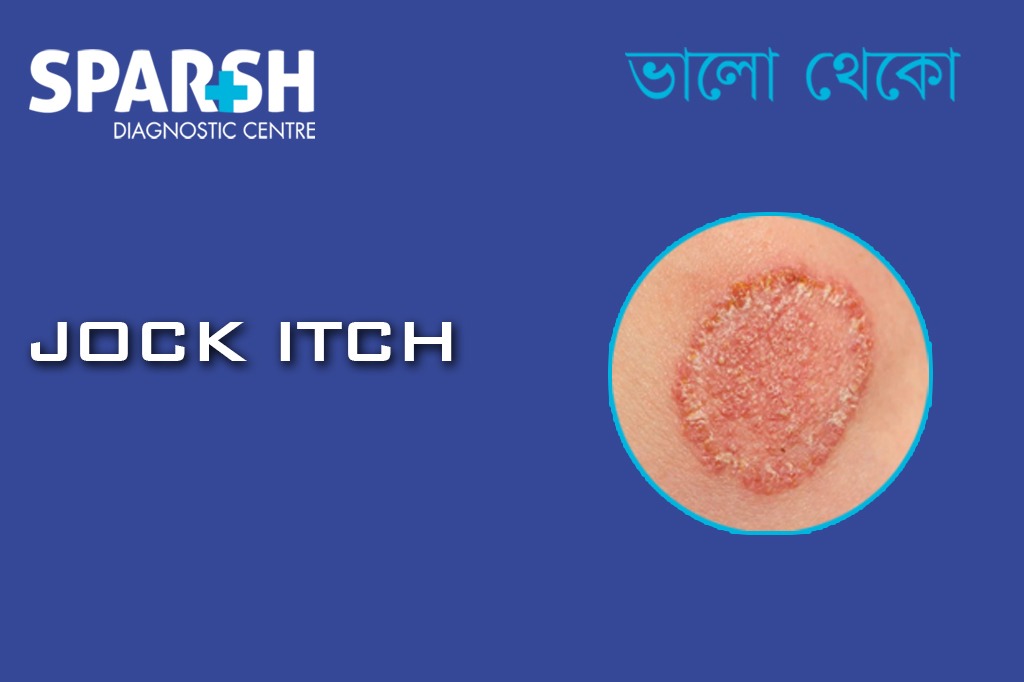
Jock itch is one of the most common fungal skin infections, especially among men and athletes. Although it can be uncomfortable and embarrassing, it is usually easy to treat when diagnosed early. The condition causes an itchy, red, ring-shaped rash that develops in warm, moist areas around the groin and inner thighs. Without proper treatment, it can spread and become persistent, making everyday activities like walking, exercising, or even sitting uncomfortable.
Fortunately, most cases respond well to antifungal medications and simple lifestyle changes. Understanding what causes jock itch, recognizing its symptoms, and knowing how to prevent it can help you recover faster and reduce the risk of recurrence.
This comprehensive guide covers everything you need to know about jock itch—from causes and symptoms to treatment, prevention, and frequently asked questions.
What is a Jock Itch?
Jock itch, medically known as Tinea Cruris, is a fungal infection of the skin that affects the groin, buttocks, and inner thighs. It belongs to a group of fungal infections called dermatophyte infections, which also include athlete’s foot and ringworm.
Despite its name, jock itch doesn’t affect only athletes. Anyone who sweats heavily, wears tight clothing, or spends long periods in hot and humid environments can develop the condition.
The fungus thrives in warm, damp areas, making the groin an ideal environment for growth.
What Is the Main Cause of Jock Itch?
The main cause of jock itch is infection by dermatophyte fungi, particularly species such as Trichophyton rubrum. These fungi feed on keratin, a protein found in the outer layer of the skin.
Several factors increase the likelihood of developing jock itch:
Excessive sweating
Sweat creates a moist environment where fungi multiply rapidly.
Hot and humid weather
Warm climates promote fungal growth, making infections more common during summer.
Tight-fitting clothing
Tight underwear or athletic wear traps moisture and heat against the skin.
Poor hygiene
Not showering after exercise or remaining in sweaty clothes increases fungal growth.
Athlete’s foot
Many people unknowingly spread the fungus from their feet to their groin while dressing.
Obesity
Skin folds trap sweat and moisture, increasing the risk of fungal infections.
Weakened immune system
People with diabetes, HIV, or those taking immunosuppressive medications may be more susceptible.
Symptoms of Jock Itch
Symptoms usually begin gradually and worsen if left untreated.
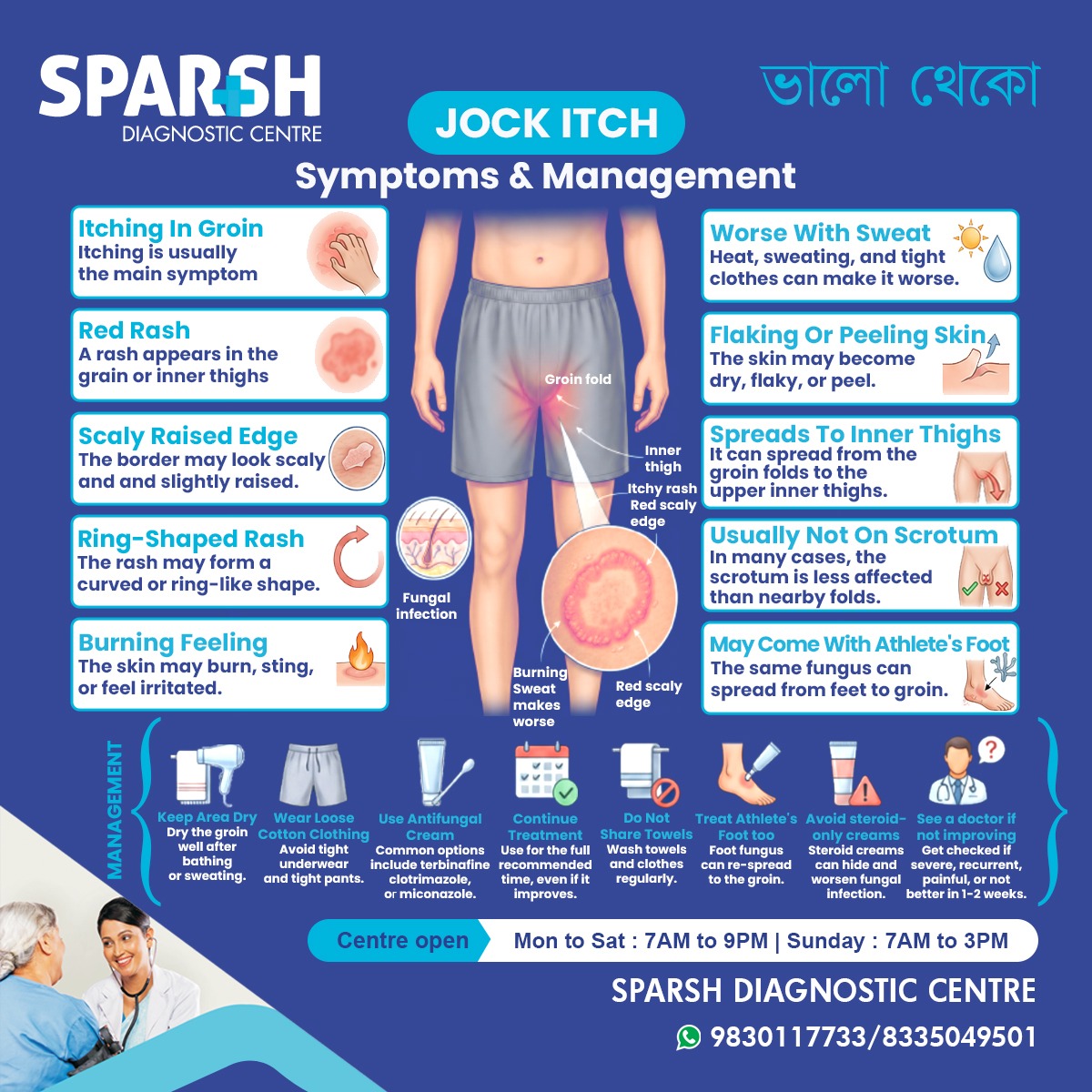
Common signs include:
- Persistent itching in the groin
- Red or reddish-brown rash
- Circular or ring-shaped patches
- Raised, well-defined edges
- Flaky or peeling skin
- Burning sensation
- Dry, cracked skin
- Rash spreading to the inner thighs or buttocks
Interestingly, the scrotum is often less affected, helping doctors distinguish jock itch from other skin conditions.
What Does Jock Itch Look Like?
The rash usually has several distinctive characteristics:
- Bright red or brownish-red patches
- Circular or half-moon shape
- Raised, scaly borders
- Clearer skin in the center
- Peeling or cracking edges
As the infection progresses, the rash may enlarge and merge into larger patches.
How Does Jock Itch Spread?
Jock itch is contagious.
The fungus spreads through:
- Direct skin-to-skin contact
- Shared towels
- Shared clothing
- Gym equipment
- Locker room floors
- Bed linens
It often spreads from athlete’s foot when a person touches infected feet and then the groin.
Risk Factors
Some people are more likely to develop jock itch than others.
Risk factors include:
- Male gender
- Adolescence and young adulthood
- Frequent exercise
- Obesity
- Diabetes
- Heavy sweating
- Wearing synthetic clothing
- Living in tropical climates
- Existing fungal infections
How Is Jock Itch Diagnosed?
Doctors usually diagnose jock itch by examining the rash.
Sometimes they may perform:
Skin scraping
A small skin sample is examined under a microscope.
Fungal culture
The sample is grown in a laboratory to identify the fungus.
Wood’s lamp examination
Although not always useful for dermatophytes, it helps rule out certain bacterial or fungal infections.
Diagnosis is important because eczema, psoriasis, contact dermatitis, and yeast infections can look similar.
What Kills Jock Itch Quickly?
The quickest way to eliminate jock itch is by using antifungal medications consistently while keeping the affected area clean and dry.
Common antifungal creams include:
- Terbinafine
- Clotrimazole
- Miconazole
- Ketoconazole
- Butenafine
Terbinafine often works faster than many other antifungal creams and may show noticeable improvement within a week, although treatment should be continued for the full recommended duration.
For severe infections, doctors may prescribe oral antifungal medications.
To speed recovery:
- Wash the area daily.
- Dry thoroughly after bathing.
- Wear loose cotton underwear.
- Change sweaty clothes immediately.
- Use antifungal powder if recommended.
- Continue treatment even after symptoms improve.
Avoid using steroid creams alone because they can worsen fungal infections by suppressing the skin’s immune response.
Treatment Options
Over-the-Counter Antifungal Creams
Most mild infections improve with OTC creams applied once or twice daily.
Treatment usually lasts:
- 2–4 weeks
- One week beyond symptom resolution
Prescription Medications
Your doctor may recommend oral antifungal drugs if:
- The rash is widespread.
- Creams are ineffective.
- Infection keeps returning.
- You have diabetes or immune suppression.
Home Care
Supportive care plays an important role.
Helpful measures include:
- Keeping the groin dry
- Wearing breathable fabrics
- Washing workout clothes after every use
- Avoiding sharing towels
- Treating athlete’s foot simultaneously
How Long Can Jock Itch Last?
With proper treatment, most cases improve within one to two weeks, but complete healing often takes 2–4 weeks.
Without treatment, jock itch may persist for months and continue spreading.
Recovery depends on:
- Severity
- Immune health
- Consistency of treatment
- Moisture control
- Presence of athlete’s foot
Stopping medication too early is one of the most common reasons for recurrence.
Can Jock Itch Come Back?
Yes.
Recurrence is common when underlying risk factors remain.
Common reasons include:
- Wearing sweaty clothes
- Stopping treatment too early
- Untreated athlete’s foot
- Sharing towels
- Hot weather
- Poor hygiene
Following preventive measures greatly reduces recurrence.
Is Jock Itch a Form of STD?
No. Jock itch is not a sexually transmitted disease (STD).
It is a fungal skin infection caused by dermatophytes, not by bacteria or viruses that cause sexually transmitted infections.
However, because the fungus spreads through close skin contact, it can occasionally pass between sexual partners through direct contact. This does not make it an STD.
If you have genital sores, blisters, ulcers, painful urination, or unusual discharge, consult a healthcare provider promptly, as these symptoms may indicate another condition rather than jock itch.
Jock Itch vs Athlete’s Foot
| Jock Itch | Athlete’s Foot |
|---|---|
| Affects groin | Affects feet |
| Itchy rash | Itchy, cracked toes |
| Warm moist groin | Warm moist shoes |
| Often spreads from feet | May spread to groin |
Treating both infections together is essential if they occur simultaneously.
Jock Itch vs Ringworm
Both infections are caused by dermatophyte fungi.
The main difference is location.
- Ringworm can occur almost anywhere on the body.
- Jock itch specifically affects the groin and inner thighs.
Can Women Get Jock Itch?
Yes.
Although more common in men, women can also develop jock itch, especially if they:
- Sweat heavily
- Wear tight workout clothing
- Are overweight
- Live in humid climates
The rash usually affects the groin folds rather than the genital area.
Complications
Untreated infections may lead to:
- Secondary bacterial infection
- Chronic itching
- Skin cracking
- Skin discoloration
- Persistent fungal infection
- Spread to other body areas
Prompt treatment minimizes complications.
Prevention Tips
Preventing jock itch is often easier than treating it.
Stay dry
Always dry your groin thoroughly after bathing or exercising.
Wear breathable clothing
Choose loose-fitting cotton underwear instead of tight synthetic fabrics.
Change sweaty clothes
Don’t remain in workout clothes after exercising.
Treat athlete’s foot
Prevent fungal spread from your feet.
Avoid sharing personal items
Use your own towels, underwear, and clothing.
Wash regularly
Daily hygiene reduces fungal buildup.
Use antifungal powder
People prone to recurrence may benefit from antifungal powders during hot weather.
When Should You See a Doctor?
Consult a healthcare professional if:
- Symptoms persist beyond two weeks despite treatment.
- The rash becomes painful.
- Blisters or pus develop.
- Fever occurs.
- Infection spreads rapidly.
- You have diabetes or a weakened immune system.
- The rash frequently returns.
Early medical care helps prevent complications and ensures the correct diagnosis.
Living With Jock Itch
Although uncomfortable, jock itch is highly treatable. Most people recover fully by combining antifungal medication with proper hygiene and moisture control. Paying attention to preventive habits—such as changing sweaty clothing promptly, wearing breathable fabrics, and treating athlete’s foot—can significantly reduce the chances of future infections.
If symptoms persist or repeatedly return despite treatment, seek medical evaluation to rule out other skin conditions or underlying health concerns.
Frequently Asked Questions (FAQs)
1. What kills jock itch quickly?
Prescription or over-the-counter antifungal creams containing terbinafine, clotrimazole, miconazole, ketoconazole, or butenafine are the most effective treatments. Keeping the area dry, wearing loose clothing, and completing the full treatment course help speed recovery.
2. What is the main cause of jock itch?
The primary cause is infection by dermatophyte fungi that thrive in warm, moist environments. Excessive sweating, tight clothing, athlete’s foot, obesity, and poor hygiene increase the risk.
3. Is jock itch a form of STD?
No. Jock itch is not a sexually transmitted disease. It is a fungal skin infection that can spread through direct skin contact or contaminated clothing and towels but is not classified as an STI.
4. How long can jock itch last?
With appropriate treatment, most cases improve within 1–2 weeks and resolve completely in 2–4 weeks. Untreated infections may last for several months and are more likely to recur.
5. Can I exercise if I have jock itch?
Yes, but shower immediately after exercising, dry the area thoroughly, and change into clean, dry clothing to prevent worsening of the infection.
6. Can jock itch go away on its own?
Mild cases may improve if the area is kept clean and dry, but most infections require antifungal treatment. Without treatment, the infection often persists or spreads.
7. Is jock itch contagious?
Yes. The fungus can spread through direct skin contact or by sharing towels, clothing, bedding, or sports equipment.
8. Can steroid creams treat jock itch?
No. Steroid creams alone can mask symptoms and allow the fungus to spread. Use antifungal medications as directed, and only combine them with steroids if prescribed by a healthcare provider.
9. Why does my jock itch keep coming back?
Recurring infections are often linked to untreated athlete’s foot, stopping medication too early, excessive sweating, tight clothing, or poor moisture control. Addressing these factors helps prevent future episodes.
10. How can I prevent jock itch?
Keep the groin clean and dry, wear breathable cotton underwear, change out of sweaty clothes promptly, avoid sharing personal items, and treat athlete’s foot if present.
Jock itch is a common fungal infection that can affect anyone, particularly those who sweat heavily or spend time in warm, humid environments. While the itching, redness, and discomfort can be frustrating, the condition is usually easy to manage with timely antifungal treatment and good hygiene. Most people recover within a few weeks when they follow the prescribed treatment and keep the affected area dry.
The best long-term strategy is prevention. Simple habits such as wearing loose, breathable clothing, changing out of damp clothes after exercise, and treating athlete’s foot promptly can significantly lower your risk of recurrence. If your symptoms do not improve after two weeks of treatment, become severe, or keep returning, consult a healthcare professional for further evaluation and appropriate care.
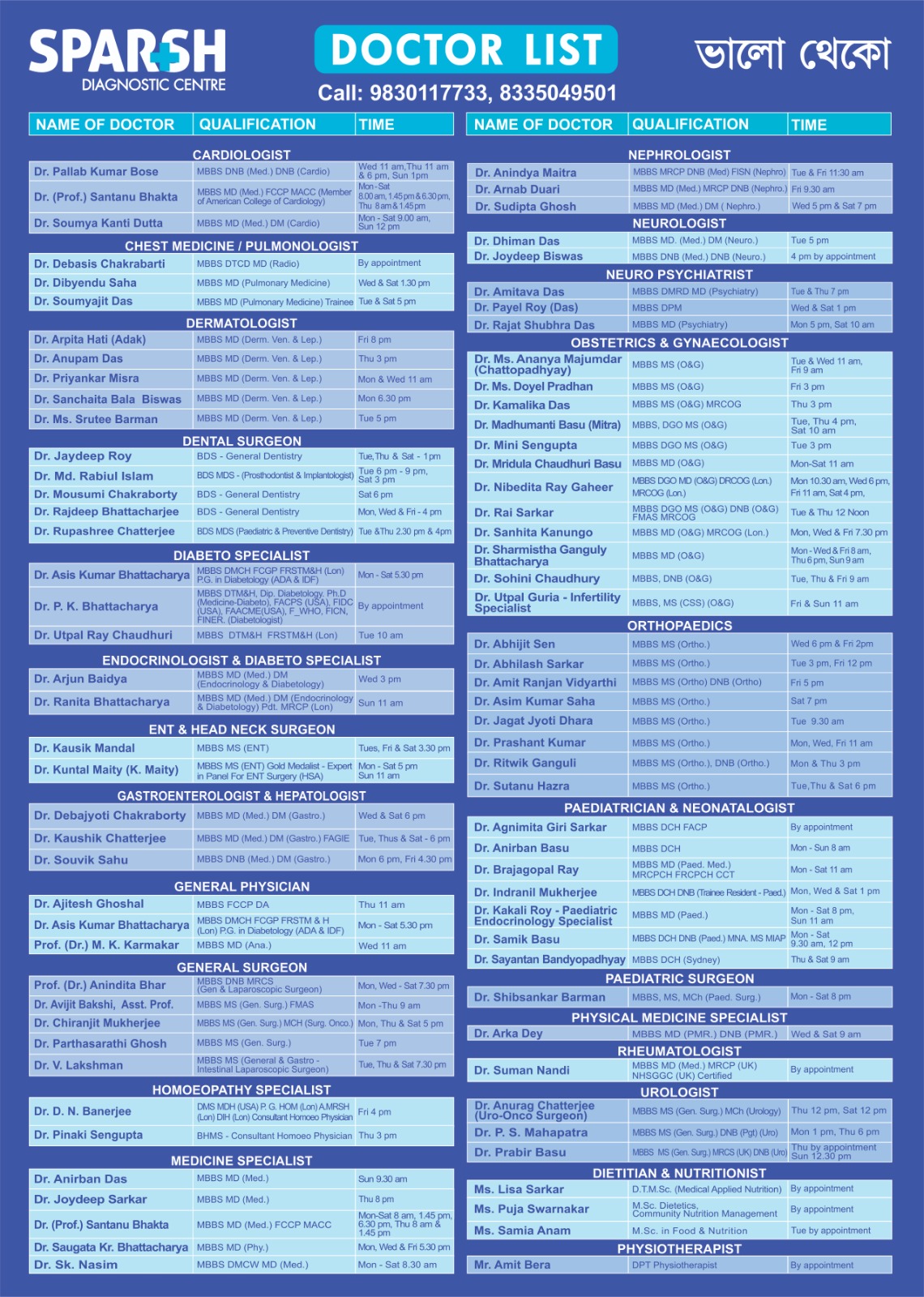
To consult a Doctor or get full body check-up done at Sparsh Diagnostic Centre, call our helpline numbers 9830117733/ 8335049501.
#BhaloTheko
Disclaimer:
No content on this site, regardless of date, should ever be used as a substitute for direct medical advice from your doctor or other qualified clinician.