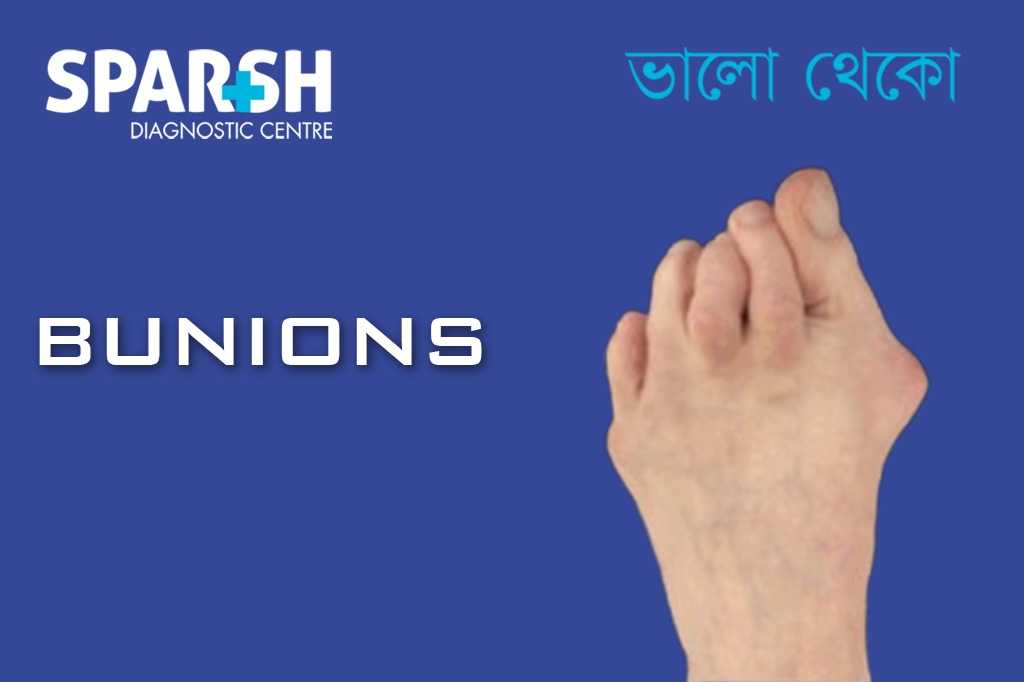
Bunions are one of the most common foot problems affecting people of all ages, especially adults who spend long hours on their feet or wear tight footwear regularly. What may begin as a small bump near the base of the big toe can gradually turn into a painful condition that affects walking, balance, and daily comfort. While many people ignore the early signs, untreated bunions can worsen over time and lead to severe foot deformities.
Understanding what bunions are, why they happen, and how they can be treated is important for maintaining long-term foot health. The good news is that early intervention, proper footwear, and lifestyle changes can often slow their progression and reduce discomfort.
What Are Bunions?
A bunion is a bony bump that forms at the joint where the big toe meets the foot. This joint is called the metatarsophalangeal (MTP) joint. Over time, the big toe gradually shifts inward toward the second toe, causing the joint to stick outward.
This misalignment changes the shape of the foot and may make wearing shoes uncomfortable. In more advanced cases, bunions can interfere with walking and everyday activities.
Bunions are medically known as hallux valgus. They are progressive, meaning they tend to worsen over time if not properly managed.
What Causes Bunions?
Bunions usually develop due to a combination of factors rather than a single cause. Genetics often play a major role, but lifestyle and footwear choices can also contribute significantly.
Common Causes of Bunions
1. Genetics and Foot Structure
Many people inherit foot shapes or mechanical issues that make them more likely to develop bunions. If bunions run in your family, your risk may be higher.
2. Tight or Narrow Shoes
Shoes that squeeze the toes together can place extra pressure on the big toe joint. High heels are particularly problematic because they shift body weight forward onto the toes.
3. Arthritis
Inflammatory conditions like rheumatoid arthritis can damage the joints in the feet and increase the likelihood of bunion formation.
4. Flat Feet
People with flat feet or abnormal walking patterns may place uneven pressure on their foot joints, contributing to bunion development.
5. Foot Injuries
Past injuries affecting the foot or toe joints can sometimes alter alignment and increase the risk of bunions.
Symptoms of Bunions
Bunion symptoms can range from mild discomfort to significant pain and mobility issues.
Common Signs Include:
- A visible bump on the side of the big toe joint
- Swelling and redness around the joint
- Pain while walking or wearing shoes
- Restricted movement of the big toe
- Corns or calluses between the toes
- Numbness in the toes
- Thickened skin around the joint
Some people experience pain only occasionally, while others may have constant discomfort.
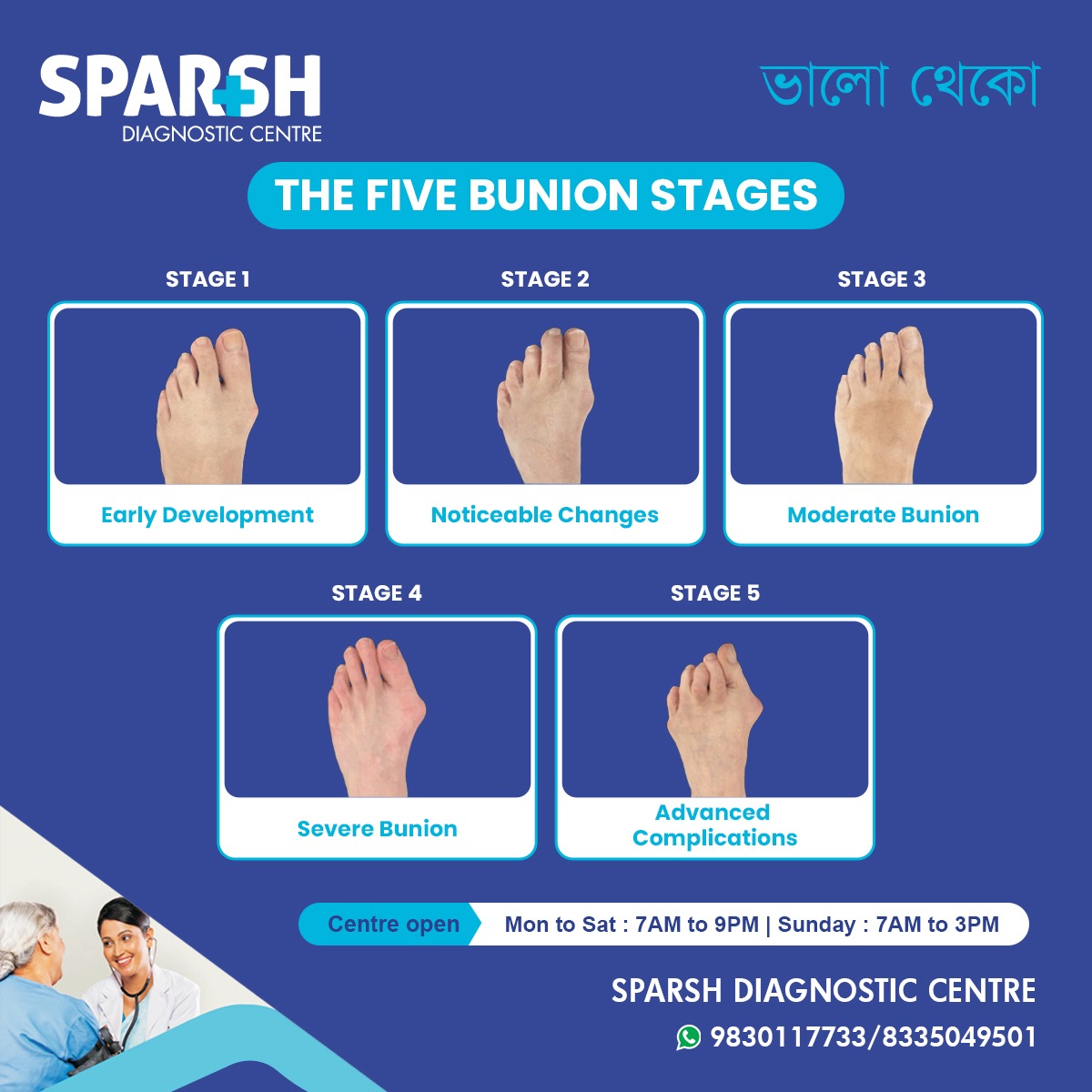
The Five Stages of Bunions
Bunions usually develop gradually and become more severe over time. Understanding the stages can help identify the condition early and seek timely treatment.
Stage 1: Early Development
At this stage, there may be a slight enlargement near the base of the big toe. Pain is usually minimal, but some discomfort may occur after prolonged standing or wearing tight shoes.
Stage 2: Noticeable Changes
The big toe begins shifting toward the second toe. The bump becomes more visible, and irritation from footwear becomes more frequent.
Stage 3: Moderate Bunion
Pain and swelling increase noticeably. Walking may become uncomfortable, and shoe fitting becomes difficult. The second toe may start to crowd or overlap.
Stage 4: Severe Bunion
The deformity becomes pronounced. Persistent pain, inflammation, and stiffness are common. Everyday activities such as walking or exercising may become difficult.
Stage 5: Advanced Complications
In advanced stages, bunions can severely affect mobility and quality of life. Joint damage, chronic inflammation, and overlapping toes may occur, often requiring surgical correction.
Who Is Most at Risk?
Certain groups of people are more likely to develop bunions.
Risk Factors Include:
- Women, especially those who frequently wear heels
- Adults over the age of 40
- Individuals with a family history of bunions
- People with arthritis
- Those with flat feet or abnormal gait patterns
- Athletes involved in repetitive foot stress
Even teenagers can develop bunions, particularly if inherited foot mechanics are involved.
How Are Bunions Diagnosed?
Doctors typically diagnose bunions through a physical examination. They may assess:
- Toe alignment
- Swelling and tenderness
- Range of motion
- Walking pattern
In many cases, X-rays are recommended to determine the severity of the deformity and assess joint damage.
Non-Surgical Treatment Options for Bunions
Not every bunion requires surgery. Early and moderate cases can often be managed with conservative treatment methods.
1. Proper Footwear
Switching to shoes with a wide toe box can reduce pressure on the bunion. Comfortable footwear is one of the simplest and most effective management strategies.
2. Orthotic Devices
Custom shoe inserts can help improve foot alignment and distribute pressure more evenly.
3. Padding and Taping
Bunion pads and toe spacers may reduce friction and irritation inside shoes.
4. Ice Therapy
Applying ice packs can help reduce inflammation and pain after prolonged activity.
5. Pain Relief Medications
Over-the-counter anti-inflammatory medications may help control swelling and discomfort.
6. Physical Therapy
Exercises that strengthen the foot muscles can improve flexibility and reduce stress on the joint.
Exercises That May Help Bunions
While exercises cannot reverse bunions completely, they may help improve mobility and relieve discomfort.
Toe Stretching
Gently stretching the toes can improve flexibility and reduce stiffness.
Toe Circles
Moving the big toe in circular motions may help maintain joint mobility.
Towel Grabs
Using the toes to grab a towel strengthens foot muscles and improves control.
Marble Pickup Exercise
Picking up small objects with the toes can improve coordination and muscle strength.
Consistency is important when performing these exercises.
When Is Bunion Surgery Needed?
Surgery may be recommended when:
- Pain becomes severe
- Walking is significantly affected
- Conservative treatments fail
- Toe deformity worsens
- Chronic inflammation persists
Bunion surgery aims to correct the alignment of the bones, ligaments, and tendons.
Types of Bunion Surgery
Several surgical procedures are available depending on the severity of the condition.
Osteotomy
The surgeon cuts and realigns the bone to correct the deformity.
Exostectomy
The bony bump is removed from the joint.
Arthrodesis
Damaged joint surfaces are removed and fused together, usually in severe arthritis cases.
Lapidus Procedure
This procedure stabilizes the joint by fusing certain bones in the foot.
Recovery times vary depending on the type of surgery performed.
Recovery After Bunion Surgery
Recovery can take several weeks to months. Patients are usually advised to:
- Keep weight off the foot initially
- Wear protective footwear
- Follow physical therapy recommendations
- Avoid high-impact activities during healing
Swelling may persist for several months even after successful surgery.
Can Bunions Be Prevented?
Although genetics cannot be changed, certain habits may reduce the risk of bunion development or slow progression.
Prevention Tips
- Wear properly fitted shoes
- Avoid high heels for prolonged periods
- Stretch and strengthen the feet regularly
- Maintain a healthy weight
- Address foot pain early
- Use supportive footwear during exercise
Early attention to foot discomfort can prevent complications later.
Bunions and Everyday Life
Living with bunions can affect more than just physical comfort. Chronic foot pain may reduce mobility, limit physical activity, and impact overall quality of life.
Some people avoid social activities or exercise because of discomfort or embarrassment about foot appearance. This highlights the importance of early diagnosis and effective management.
Fortunately, modern treatments offer many ways to reduce symptoms and improve foot function.
Common Myths About Bunions
Myth 1: Bunions Only Affect Older Adults
While bunions are more common with age, younger adults and even teenagers can develop them.
Myth 2: Tight Shoes Are the Only Cause
Footwear contributes to bunions, but genetics and foot structure also play major roles.
Myth 3: Surgery Is Always Necessary
Many mild to moderate bunions can be managed without surgery.
Myth 4: Bunions Will Go Away on Their Own
Bunions generally do not disappear without treatment and may worsen over time.
Complications of Untreated Bunions
Ignoring bunions can lead to several complications, including:
Advanced bunions can significantly interfere with daily life and may require more complex treatment.
Choosing the Right Shoes for Bunions
Footwear plays a major role in comfort and symptom control.
Look for Shoes With:
- Wide toe boxes
- Soft, flexible materials
- Good arch support
- Cushioned soles
- Low heels
Avoid shoes that compress the toes or create friction around the bunion area.
Psychological Impact of Bunions
Many people underestimate the emotional effects of chronic foot problems. Persistent pain can lead to frustration, reduced activity levels, and self-consciousness about foot appearance.
Seeking treatment early can improve not only physical comfort but also confidence and overall well-being.
When to See a Doctor
You should consult a healthcare professional if you experience:
- Persistent foot pain
- Difficulty walking
- Swelling around the big toe joint
- Changes in toe alignment
- Trouble finding comfortable shoes
Early evaluation can help prevent worsening deformities and complications.
Final Thoughts
Bunions are a common yet often overlooked foot condition that can gradually affect mobility, comfort, and quality of life. While genetics may increase susceptibility, lifestyle choices and footwear habits also play important roles.
Recognizing the early signs of bunions and taking preventive measures can make a significant difference. From supportive shoes and exercises to medical treatment and surgery, there are many effective ways to manage the condition.
If you notice pain, swelling, or changes in the alignment of your toes, seeking professional advice early may help prevent long-term complications and keep you moving comfortably.
Frequently Asked Questions (FAQs)
Are bunions permanent?
Bunions do not usually disappear on their own. Conservative treatments can manage symptoms, while surgery may correct the deformity.
Can bunions cause knee or back pain?
Yes. Changes in walking patterns caused by bunions can sometimes affect posture and place stress on the knees, hips, and lower back.
Do bunions always hurt?
Not always. Some people have bunions without pain, while others experience significant discomfort.
Can exercise cure bunions?
Exercises cannot completely reverse bunions, but they may improve flexibility, strengthen foot muscles, and reduce pain.
Are bunions hereditary?
Yes. Genetics and inherited foot structure are major risk factors for bunion development.
Is walking good for bunions?
Moderate walking in supportive shoes is usually beneficial, but excessive walking in unsupportive footwear may worsen symptoms.
Can bunions come back after surgery?
In some cases, bunions can recur, especially if underlying foot mechanics are not addressed.
What is the best footwear for bunions?
Shoes with wide toe boxes, cushioning, and good arch support are generally recommended.
Are bunions more common in women?
Yes. Women are more likely to develop bunions, partly due to footwear choices and foot structure differences.
Can children develop bunions?
Yes. Juvenile bunions can occur, especially in children with inherited foot alignment issues.
To consult a Doctor at Sparsh Diagnostic Centre, call our helpline numbers 9830117733/ 8335049501.
#BhaloTheko
Disclaimer:
No content on this site, regardless of date, should ever be used as a substitute for direct medical advice from your doctor or other qualified clinician.