Shoulder pain can creep into your life quietly—first as a mild discomfort when you reach overhead, and then as a persistent ache that refuses to go away. One of the most common reasons behind this kind of pain is Shoulder Impingement Syndrome. It’s a condition that affects people across age groups, especially those who engage in repetitive arm movements, whether at work, in sports, or even daily routines.
Let’s break it down in a way that actually makes sense—what’s happening inside your shoulder, why it hurts, and most importantly, what you can do about it.
What Is Shoulder Impingement Syndrome?
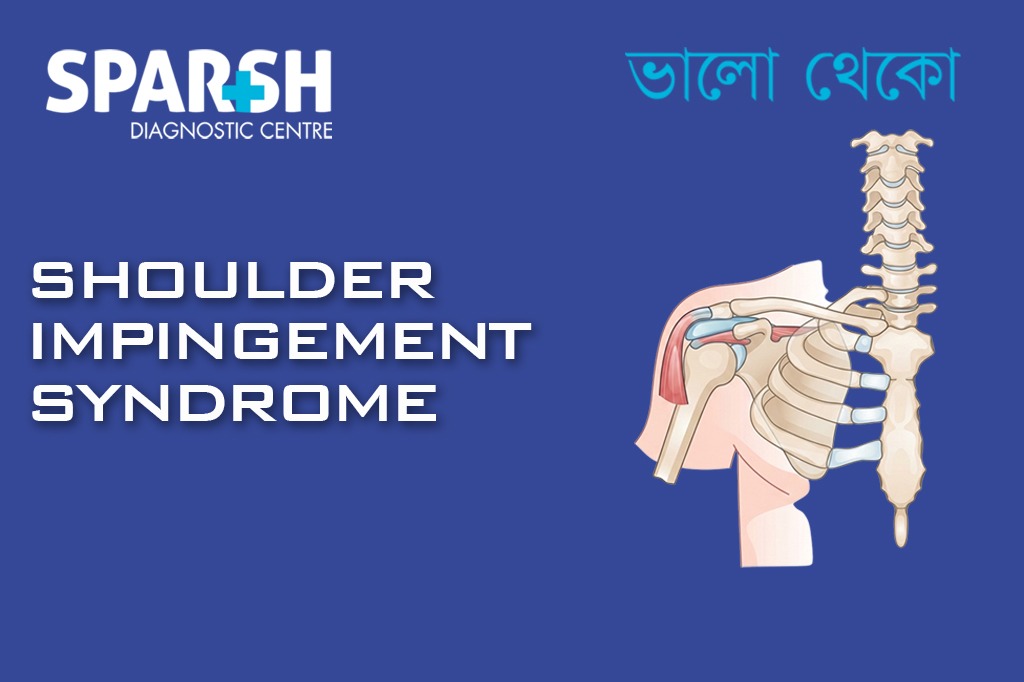
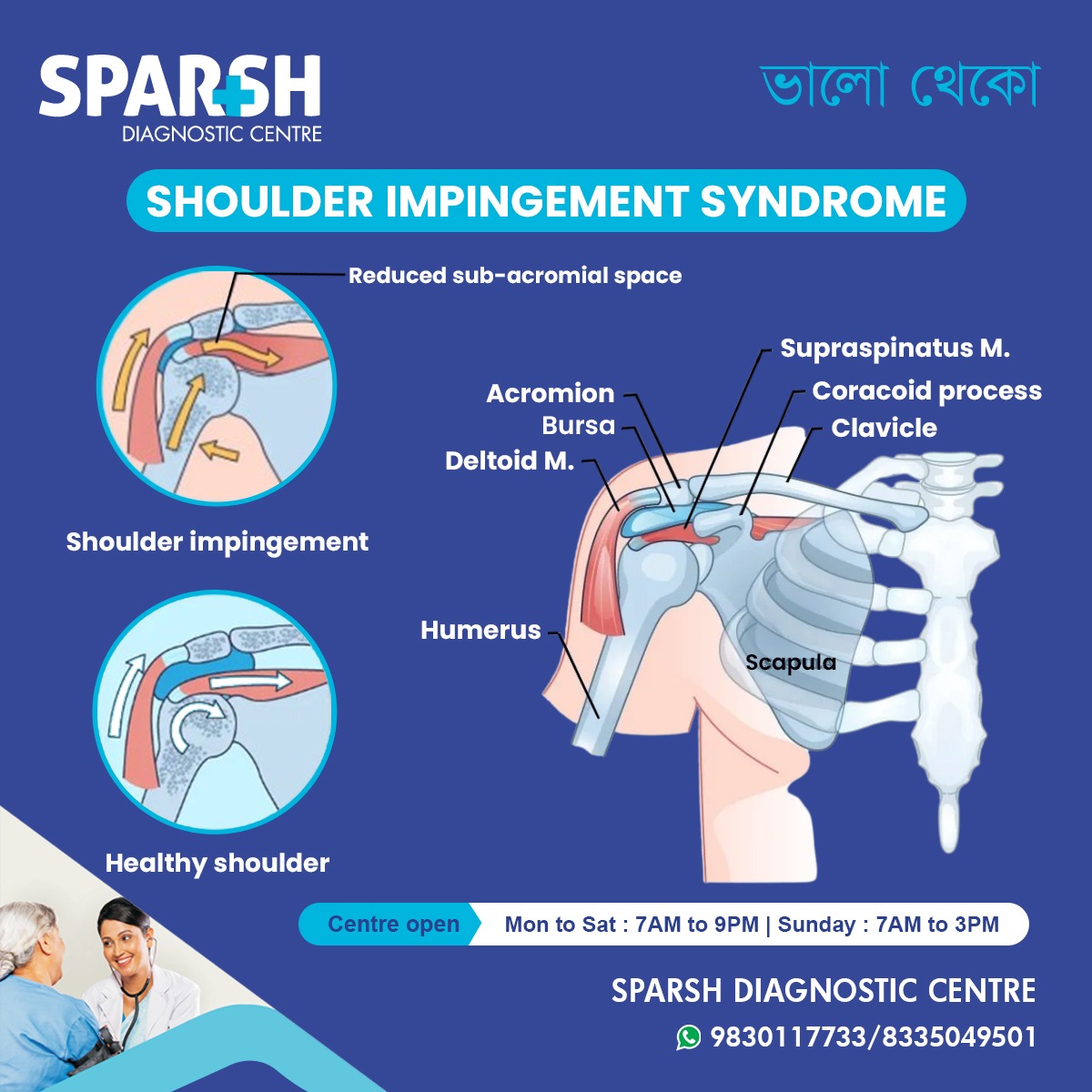
Shoulder impingement syndrome occurs when the soft tissues inside your shoulder—particularly the tendons of the rotator cuff—get compressed or “pinched” between the bones of the shoulder joint.
The shoulder is a highly mobile joint, which makes it more vulnerable to wear and tear. At the top of your shoulder sits a bony structure called the acromion. Beneath it lies a narrow space (the subacromial space) through which tendons and a fluid-filled sac called the bursa pass.
When this space narrows—due to inflammation, structural changes, or repetitive strain—the tendons and bursa get squeezed. Over time, this leads to irritation, inflammation, and pain.
Why Does Shoulder Impingement Happen?
There isn’t just one cause. In fact, shoulder impingement usually develops due to a combination of factors.
1. Repetitive Overhead Movements
If your daily activities involve frequent overhead motions—painting, lifting, swimming, or playing sports like tennis or cricket—you’re putting continuous stress on your shoulder joint.
2. Poor Posture
Slouching or rounded shoulders can reduce the natural space in your shoulder joint, increasing the likelihood of impingement.
3. Muscle Imbalance
Weak or imbalanced shoulder muscles can disrupt normal movement patterns, causing the tendons to rub against the bones.
4. Age-Related Wear and Tear
As you age, the tendons naturally lose elasticity and strength. Bone spurs may also develop, further narrowing the space.
5. Previous Shoulder Injuries
A past injury can alter how your shoulder moves, increasing the risk of impingement.
Common Symptoms You Shouldn’t Ignore
Shoulder impingement doesn’t usually appear overnight. It builds gradually, and recognizing early signs can make a big difference.
- Persistent shoulder pain, especially when lifting the arm
- Pain that worsens at night or when lying on the affected side
- Difficulty reaching behind your back or overhead
- Weakness in the shoulder
- A catching or clicking sensation during movement
In the early stages, the pain may only show up during activity. But as the condition progresses, even simple movements can become uncomfortable.
Understanding the Stages of Shoulder Impingement
Doctors often classify shoulder impingement into stages based on severity:
Stage 1: Inflammation
Common in younger individuals. The tendons and bursa become inflamed but there’s no permanent damage yet.
Stage 2: Fibrosis and Tendon Changes
The tissues begin to thicken and scar. Pain becomes more frequent and movement more restricted.
Stage 3: Rotator Cuff Tear
In advanced cases, the constant pressure can lead to partial or complete tears in the rotator cuff.
How Is Shoulder Impingement Diagnosed?
Diagnosis usually begins with a detailed discussion of your symptoms and physical examination.
Physical Tests
Doctors may ask you to move your arm in specific ways to identify pain triggers.
Imaging Tests
- X-rays can reveal bone spurs or structural abnormalities
- MRI scans provide detailed images of soft tissues like tendons and bursae
- Ultrasound may be used to assess dynamic movement
These tests help confirm the diagnosis and rule out other conditions like rotator cuff tears or arthritis.
Treatment Options: What Actually Works?
The good news? Most cases of shoulder impingement can be treated without surgery.
1. Rest and Activity Modification
Avoid activities that worsen the pain—especially repetitive overhead movements.
2. Ice Therapy
Applying ice packs for 15–20 minutes can help reduce inflammation and pain.
3. Medications
Over-the-counter anti-inflammatory drugs can provide temporary relief.
4. Physiotherapy
This is the cornerstone of treatment. A physiotherapist will guide you through exercises that:
- Strengthen the rotator cuff muscles
- Improve shoulder stability
- Restore range of motion
5. Corticosteroid Injections
In cases where pain is severe, injections may be used to reduce inflammation.
6. Surgery (When Needed)
If conservative treatments fail, a procedure called subacromial decompression may be recommended. It involves removing part of the bone or tissue to create more space.
Best Exercises for Shoulder Impingement
Exercise isn’t just helpful—it’s essential. But it needs to be done correctly.
Pendulum Swings
Gentle swinging motions help maintain mobility without strain.
Wall Crawls
Use your fingers to “climb” up a wall, gradually increasing your range.
Resistance Band Exercises
Strengthen the rotator cuff and surrounding muscles.
Scapular Stabilization
Focuses on improving shoulder blade positioning, which plays a key role in reducing impingement.
Important: Always perform exercises under professional guidance to avoid worsening the condition.
Can Shoulder Impingement Be Prevented?
Yes—and prevention is often simpler than treatment.
Maintain Good Posture
Keep your shoulders relaxed and avoid slouching, especially if you work at a desk.
Strengthen Shoulder Muscles
Regular strengthening exercises can improve joint stability.
Warm Up Before Activity
Whether it’s sports or physical work, warming up reduces strain.
Avoid Overuse
Take breaks during repetitive tasks to give your shoulder time to recover.
When Should You See a Doctor?
Don’t wait until the pain becomes unbearable. Seek medical attention if:
- Pain persists for more than a few weeks
- You experience significant weakness
- Your range of motion is limited
- Pain interferes with sleep or daily activities
Early intervention can prevent complications like rotator cuff tears.
Living with Shoulder Impingement
Recovery takes time, and patience is key. Most people start seeing improvement within a few weeks of proper treatment, but full recovery can take several months.
Staying consistent with exercises and avoiding activities that strain your shoulder will go a long way in preventing recurrence.
Frequently Asked Questions (FAQs)
1. Is shoulder impingement serious?
It can become serious if left untreated. Early stages are manageable, but advanced cases may lead to tendon tears.
2. How long does it take to recover?
Recovery can take anywhere from a few weeks to several months, depending on severity and treatment consistency.
3. Can I exercise with shoulder impingement?
Yes, but only specific exercises recommended by a professional. Avoid movements that cause pain.
4. Is surgery always required?
No. Most cases improve with non-surgical treatments like physiotherapy and rest.
5. Can shoulder impingement come back?
Yes, especially if underlying causes like poor posture or muscle imbalance aren’t addressed.
6. What is the difference between impingement and a rotator cuff tear?
Impingement is often a precursor. If untreated, it can lead to a tear in the rotator cuff.
7. Does sleeping position affect shoulder pain?
Absolutely. Sleeping on the affected side can worsen symptoms.
To consult an Orthopedic Surgeon at Sparsh Diagnostic Centre, call our helpline numbers 9830117733/ 8335049501.
#BhaloTheko
Disclaimer:
No content on this site, regardless of date, should ever be used as a substitute for direct medical advice from your doctor or other qualified clinician.