Cholesterol is one of those health terms that almost everyone has heard, yet very few truly understand. For some, it’s a number on a lab report. For others, it’s a looming concern tied to heart disease. But cholesterol itself isn’t the villain it’s often made out to be—it’s actually essential for your body to function properly.
The real story lies in balance. When cholesterol levels tip too far in the wrong direction, that’s when problems begin.
In this guide, we’ll break down what cholesterol is, why it matters, what causes it to rise, and how you can manage it naturally and effectively.
What Is Cholesterol?
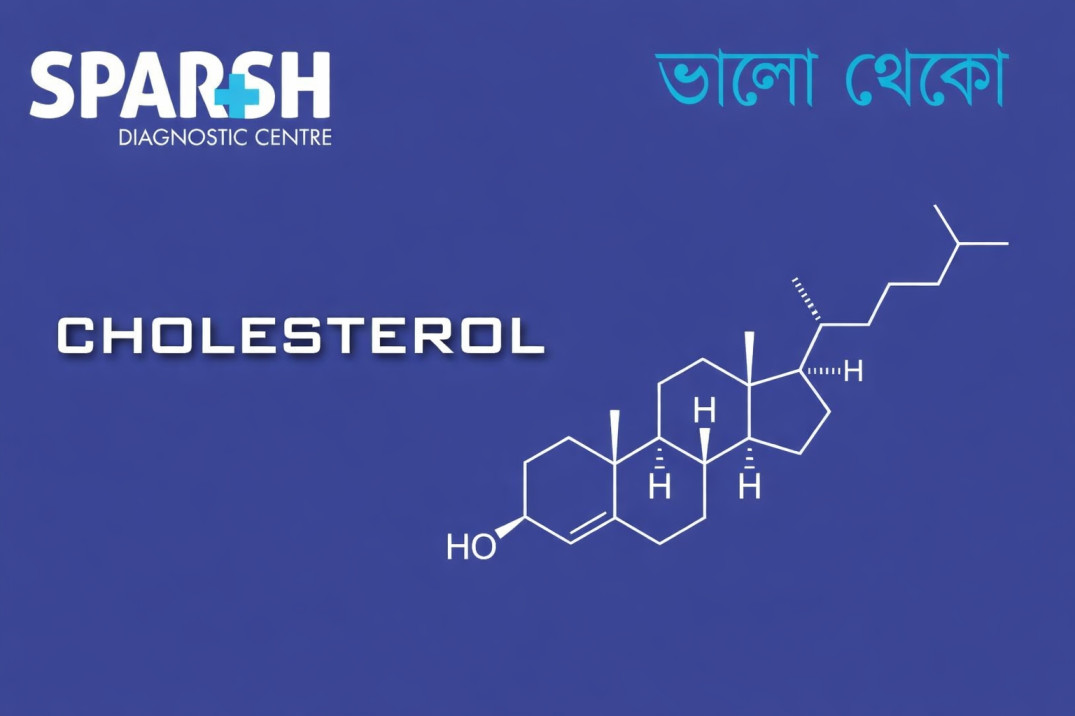
Cholesterol is a waxy, fat-like substance found in every cell of your body. It plays several vital roles, including:
- Building cell membranes
- Producing hormones like estrogen and testosterone
- Aiding in the production of vitamin D
- Helping your body digest fats by forming bile acids
Your body produces all the cholesterol it needs in the liver. However, cholesterol is also found in certain foods, especially those derived from animals like meat, eggs, and dairy products.
So, cholesterol itself isn’t bad—it’s how much you have and how it’s transported in your bloodstream that makes the difference.
Types of Cholesterol: Understanding the Difference
Cholesterol doesn’t travel freely in your blood. It’s carried by proteins called lipoproteins. These combinations of fat and protein are what we measure in blood tests.
1. LDL (Low-Density Lipoprotein) – “Bad” Cholesterol
LDL cholesterol is often labeled as “bad cholesterol” because high levels can lead to plaque buildup in your arteries. Over time, this buildup narrows the arteries and increases the risk of heart attack and stroke.
Think of LDL as the delivery truck that drops off cholesterol in places where it might not be needed.
2. HDL (High-Density Lipoprotein) – “Good” Cholesterol
HDL is known as “good cholesterol” because it helps remove excess cholesterol from your bloodstream and carries it back to the liver for disposal.
Higher HDL levels are generally associated with a lower risk of heart disease.
3. Triglycerides
While not technically cholesterol, triglycerides are another type of fat in your blood. High triglyceride levels, especially when combined with high LDL or low HDL, can significantly increase cardiovascular risk.
Why is High Cholesterol a Concern
When there’s too much LDL cholesterol in your blood, it can stick to the walls of your arteries, forming plaque. This condition is known as atherosclerosis.
Over time, plaque buildup can:
- Narrow the arteries
- Reduce blood flow
- Lead to blood clots
If a clot blocks blood flow to the heart, it can cause a heart attack. If it blocks blood flow to the brain, it can result in a stroke.
The tricky part? High cholesterol often has no symptoms. Many people only discover they have it after a routine blood test—or worse, after a serious health event.
Causes of High Cholesterol
Cholesterol levels are influenced by a combination of lifestyle factors and genetics.
1. Diet
Eating foods high in saturated fats and trans fats can raise LDL cholesterol levels. Common culprits include:
- Fried foods
- Processed snacks
- Red meat
- Full-fat dairy products
2. Lack of Physical Activity
A sedentary lifestyle can lower HDL (good cholesterol) and increase LDL levels.
3. Obesity
Excess body weight is closely linked to higher cholesterol levels, especially increased triglycerides.
4. Smoking
Smoking damages blood vessels and lowers HDL cholesterol, making it easier for plaque to build up.
5. Alcohol Consumption
Excessive alcohol intake can raise triglyceride levels and contribute to weight gain.
6. Genetics
Some people inherit conditions like familial hypercholesterolemia, which causes very high cholesterol levels regardless of lifestyle.
Symptoms of High Cholesterol
One of the biggest challenges with cholesterol is that it doesn’t usually cause noticeable symptoms.
However, in rare cases of extremely high cholesterol, you might see:
- Yellowish deposits around the eyes (xanthomas)
- Fatty growths under the skin
For most people, though, the only way to detect high cholesterol is through a blood test.
How Is Cholesterol Measured?
A lipid profile test measures different components of your blood fat levels, including:
- Total cholesterol
- LDL cholesterol
- HDL cholesterol
- Triglycerides
Ideal Cholesterol Levels (General Guidelines)
- Total cholesterol: Less than 200 mg/dL
- LDL: Less than 100 mg/dL
- HDL: 40 mg/dL or higher (men), 50 mg/dL or higher (women)
- Triglycerides: Less than 150 mg/dL
Your doctor may adjust these targets depending on your overall health and risk factors.
How to Lower Cholesterol Naturally
The good news is that cholesterol levels can often be improved with lifestyle changes.
1. Eat Heart-Healthy Foods
Focus on a balanced diet that includes:
- Fruits and vegetables
- Whole grains
- Lean proteins
- Healthy fats (like those from nuts, seeds, and olive oil)
Reduce intake of saturated and trans fats.
2. Increase Fiber Intake
Soluble fiber helps reduce LDL cholesterol by binding to it and removing it from the body.
Foods rich in fiber include:
- Oats
- Beans
- Lentils
- Apples
3. Exercise Regularly
Aim for at least 30 minutes of moderate exercise most days of the week. Activities like walking, cycling, or swimming can:
- Raise HDL cholesterol
- Lower LDL cholesterol
4. Maintain a Healthy Weight
Even a modest weight loss can improve cholesterol levels significantly.
5. Quit Smoking
Stopping smoking can quickly improve HDL levels and reduce your risk of heart disease.
6. Limit Alcohol
Moderate alcohol consumption is key. Excess intake can raise triglycerides and contribute to other health issues.
Medical Treatment for High Cholesterol
If lifestyle changes aren’t enough, your doctor may recommend medication.
Common Types of Cholesterol-Lowering Medications
- Statins: Reduce LDL cholesterol and lower heart disease risk
- Bile acid sequestrants: Help remove cholesterol from the body
- Cholesterol absorption inhibitors: Reduce the amount of cholesterol absorbed from food
- PCSK9 inhibitors: Lower LDL levels in people with genetic conditions
Medication is usually prescribed based on your overall cardiovascular risk, not just your cholesterol numbers.
Cholesterol and Heart Disease: The Connection
High cholesterol is one of the leading risk factors for cardiovascular disease. However, it doesn’t act alone.
Other contributing factors include:
- High blood pressure
- Diabetes
- Smoking
- Family history
Managing cholesterol is just one piece of the puzzle when it comes to protecting your heart.
Preventing High Cholesterol
Prevention is always better than treatment. Here’s how you can stay ahead:
- Get regular health check-ups
- Follow a balanced diet
- Stay physically active
- Avoid smoking
- Manage stress
Small, consistent changes can make a big difference over time.
When Should You Get Your Cholesterol Checked?
Adults should generally have their cholesterol levels checked every 4–6 years. However, you may need more frequent testing if you:
- Have a family history of high cholesterol
- Are overweight
- Have diabetes or high blood pressure
- Smoke
Early detection allows for timely intervention and better outcomes.
Final Thoughts
Cholesterol isn’t something to fear—it’s something to understand. When kept in balance, it supports essential bodily functions. But when levels go unchecked, it can quietly increase your risk of serious health problems.
The key lies in awareness, regular monitoring, and making informed lifestyle choices. With the right approach, managing cholesterol becomes less about restriction and more about building sustainable, healthy habits.
Frequently Asked Questions (FAQs)
1. Is all cholesterol bad?
No, cholesterol is essential for the body. HDL (good cholesterol) actually helps protect your heart, while high levels of LDL (bad cholesterol) can be harmful.
2. Can cholesterol be controlled without medication?
Yes, in many cases, lifestyle changes such as a healthy diet, regular exercise, and weight management can significantly improve cholesterol levels.
3. How long does it take to lower cholesterol?
You may start seeing improvements within a few weeks of making lifestyle changes, but significant results typically take a few months.
4. Are eggs bad for cholesterol?
Eggs contain cholesterol, but for most people, they don’t significantly impact blood cholesterol levels when eaten in moderation.
5. What foods should I avoid if I have high cholesterol?
Limit foods high in saturated and trans fats, such as fried foods, processed snacks, and fatty cuts of meat.
6. Can stress increase cholesterol levels?
Chronic stress may indirectly raise cholesterol by influencing unhealthy habits like poor diet and lack of exercise.
7. Is high cholesterol hereditary?
Yes, genetic conditions like familial hypercholesterolemia can cause high cholesterol levels even in healthy individuals.
#BhaloTheko
Disclaimer:
No content on this site, regardless of date, should ever be used as a substitute for direct medical advice from your doctor or other qualified clinician.