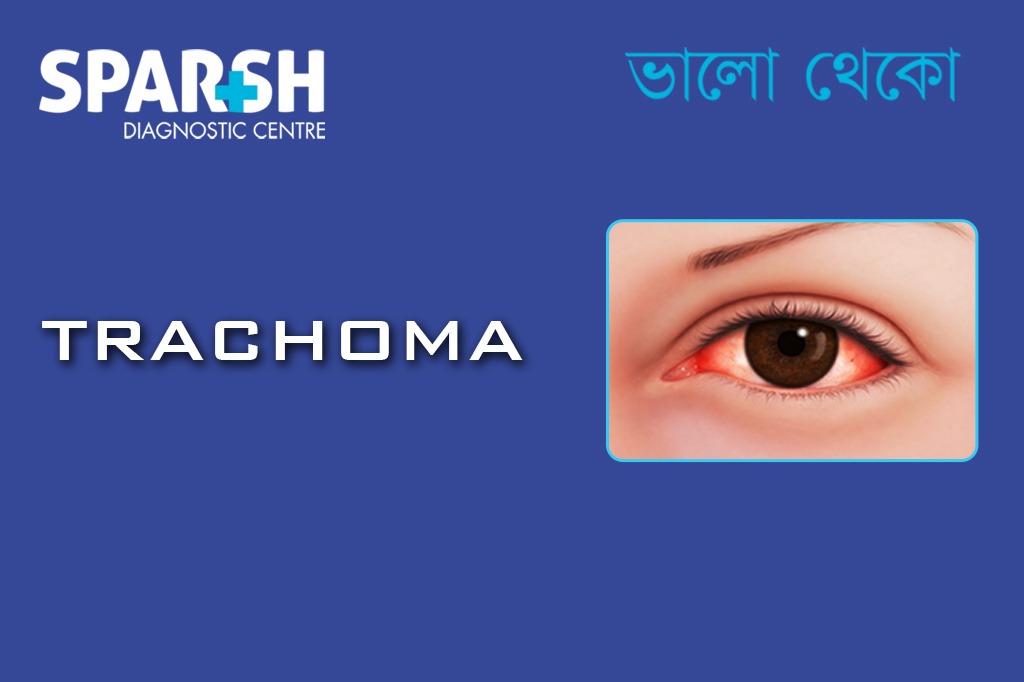
Trachoma is one of those diseases that many people haven’t heard of—yet it remains a leading cause of preventable blindness in parts of the world. The good news? It’s entirely preventable and treatable when addressed early.
In this guide, we’ll break down everything you need to know about trachoma in a clear, conversational way—what causes it, how it spreads, who is at risk, and most importantly, how it can be prevented.
What is Trachoma?
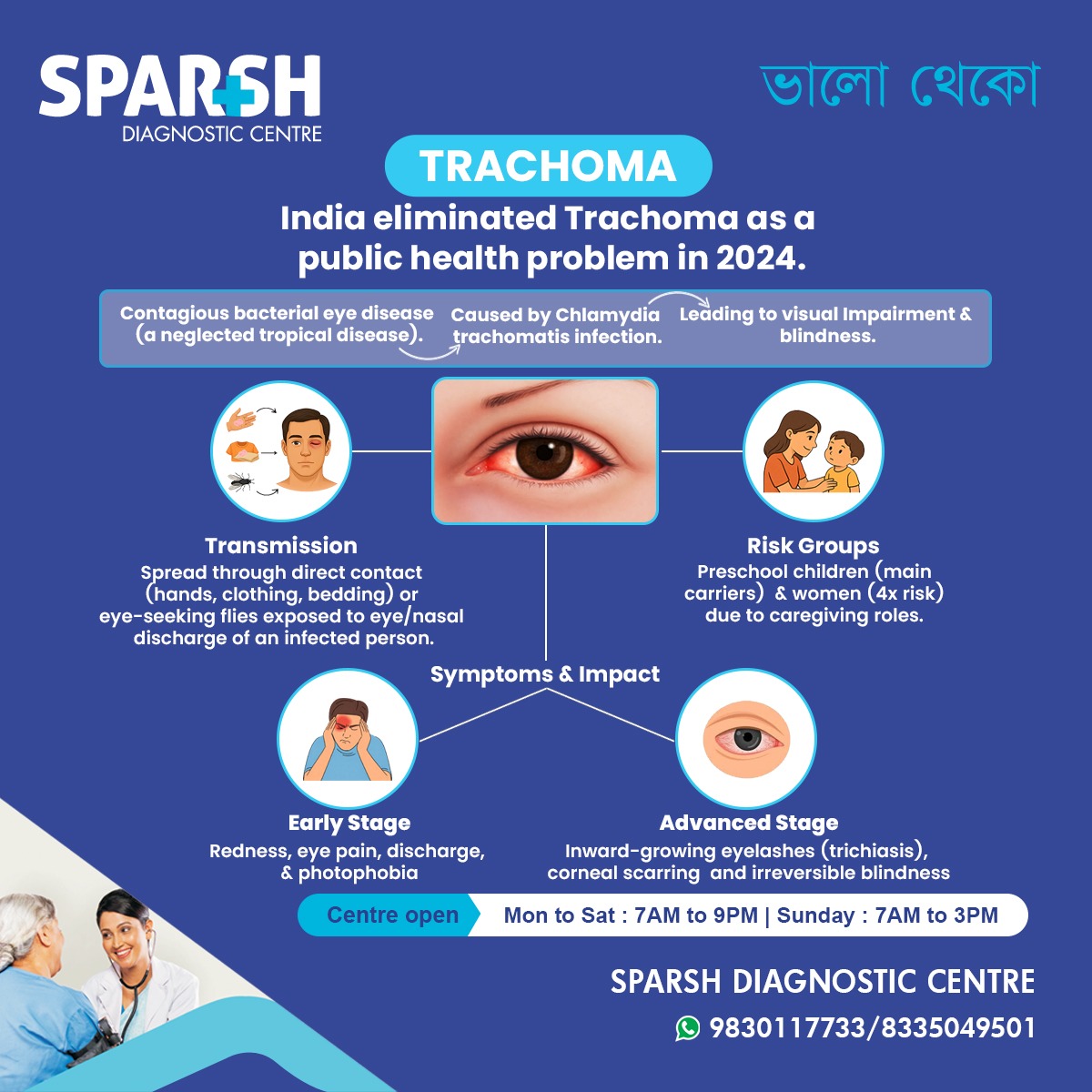
Trachoma is a contagious bacterial eye infection caused by Chlamydia trachomatis. It primarily affects the inner surface of the eyelids and, over time, can lead to scarring, vision impairment, and even blindness.
It belongs to a group of conditions known as neglected tropical diseases—meaning it mostly affects populations in areas with limited access to clean water, sanitation, and healthcare.
Repeated infections are what make trachoma dangerous. A single episode might seem mild, but frequent re-infection leads to progressive damage to the eye.
Why is Trachoma Still a Concern?
Although many countries have successfully controlled or eliminated trachoma, it remains a public health issue in several developing regions. Encouragingly, countries like India have made significant progress and officially eliminated trachoma as a public health problem in recent years.
Still, vigilance is essential. The disease thrives in environments where hygiene and sanitation are poor—conditions that still exist in many parts of the world.
What Causes Trachoma?
The root cause is infection with Chlamydia trachomatis, but the real story goes beyond just bacteria.
Key contributing factors include:
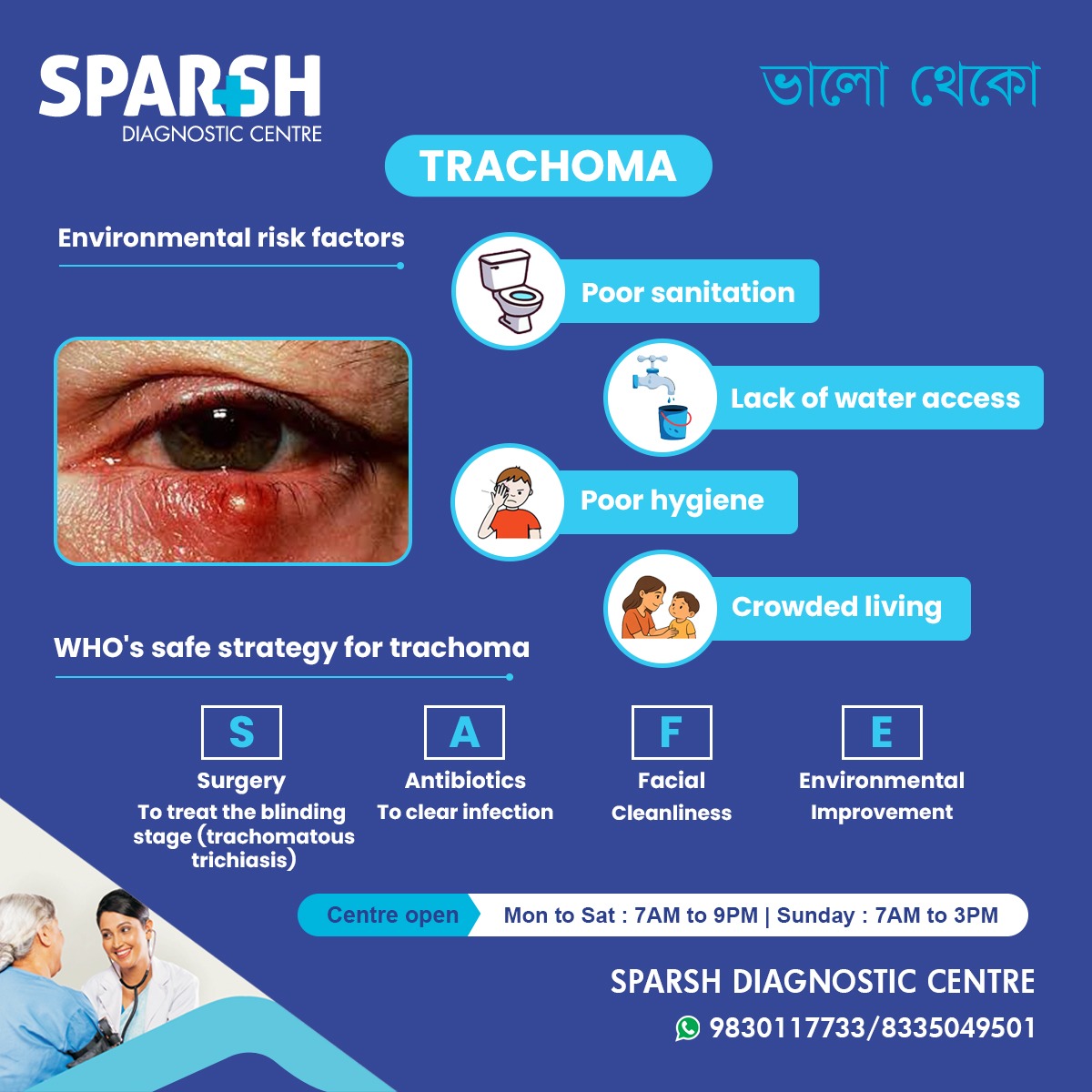
- Poor sanitation
- Limited access to clean water
- Lack of facial hygiene
- Overcrowded living conditions
These factors create the perfect environment for the bacteria to spread and persist within communities.
How Does Trachoma Spread?
Trachoma spreads easily, especially among children. Here’s how transmission typically happens:
1. Direct Contact
Touching infected eye discharge and then touching your own eyes is one of the most common ways the infection spreads.
2. Shared Items
Items like towels, handkerchiefs, bedding, or clothing can carry infectious material.
3. Flies
Certain flies are attracted to eye and nasal discharge. These “eye-seeking flies” can transfer bacteria from one person to another.
Who is Most at Risk?
Trachoma doesn’t affect everyone equally. Certain groups are more vulnerable:
- Children: They are the primary carriers due to frequent contact and lower hygiene awareness.
- Women: Studies show women are at higher risk, largely due to caregiving roles and close contact with children.
- Communities with poor sanitation: Rural and under-resourced areas are most affected.
Symptoms of Trachoma
Trachoma progresses in stages, and symptoms can vary depending on how advanced the infection is.
Early Stage Symptoms
- Redness in the eyes
- Mild irritation or itching
- Eye discharge
- Sensitivity to light (photophobia)
At this stage, the condition is easily treatable.
Advanced Stage Symptoms
Repeated infections can lead to:
- Inward-turning eyelashes (trichiasis)
- Pain due to eyelashes rubbing against the cornea
- Corneal scarring
- Blurred vision or permanent blindness
This stage is far more serious and often requires surgical intervention.
What is Trichiasis?
Trichiasis is one of the most severe complications of trachoma. It occurs when the eyelids turn inward, causing eyelashes to scratch the cornea.
Over time, this constant friction damages the eye’s surface, leading to irreversible vision loss.
Diagnosis of Trachoma
Trachoma is usually diagnosed through a clinical eye examination. Healthcare professionals look for:
- Follicles on the inner eyelid
- Inflammation
- Scarring
- Eyelash misdirection
In most cases, laboratory tests are not necessary unless the diagnosis is unclear.
Treatment Options for Trachoma
The treatment depends on the stage of the disease.
1. Antibiotics
Antibiotics are used to eliminate the bacterial infection. A commonly used drug is azithromycin, which can be given as a single oral dose in many cases.
2. Surgery
In advanced cases (trichiasis), surgery is required to correct the eyelid position and prevent further damage to the cornea.
3. Community Treatment Programs
Mass drug administration campaigns are often conducted in high-risk areas to reduce the overall burden of infection.
WHO’s SAFE Strategy
The World Health Organization recommends a comprehensive approach known as the SAFE strategy:
S – Surgery
To treat advanced cases and prevent blindness.
A – Antibiotics
To clear active infections within communities.
F – Facial Cleanliness
Encouraging regular face washing, especially in children.
E – Environmental Improvement
Improving access to water, sanitation, and hygiene.
This multi-pronged approach has been highly effective in reducing trachoma globally.
Prevention: The Most Powerful Tool
Preventing trachoma is not complicated—but it requires consistency and community effort.
Simple preventive steps include:
- Wash your face regularly with clean water
- Keep children’s faces clean
- Avoid sharing towels and personal items
- Improve sanitation facilities
- Reduce fly exposure
- Ensure access to clean water
These small habits can make a massive difference.
The Link Between Poverty and Trachoma
Trachoma is often described as a “disease of poverty.” That’s because it thrives in environments where:
- Water is scarce
- Hygiene is difficult to maintain
- Healthcare access is limited
Improving living conditions plays a crucial role in eliminating the disease.
Global Efforts to Eliminate Trachoma
Over the past few decades, global health organizations and governments have made remarkable progress.
Countries across Asia, Africa, and the Middle East have implemented the SAFE strategy with significant success.
India’s elimination of trachoma as a public health problem is a major milestone, demonstrating that coordinated efforts can yield real results.
Why Early Detection Matters
Trachoma is easiest to treat in its early stages. Unfortunately, many people ignore mild symptoms like redness or irritation.
By the time vision problems appear, the damage may already be severe.
If you or someone in your community shows signs of persistent eye irritation, it’s important to seek medical attention promptly.
Living with Trachoma: What Patients Should Know
If diagnosed early, recovery is usually quick and complete with proper treatment.
However, in advanced cases:
- Vision loss may be permanent
- Surgery can prevent further damage but may not restore lost vision
- Regular follow-up is essential
Emotional and social support also plays an important role, especially for those dealing with vision impairment.
The Role of Community Awareness
Trachoma control is not just a medical issue—it’s a community effort.
Education campaigns, school programs, and local healthcare initiatives can help spread awareness about hygiene and prevention.
When entire communities adopt better sanitation practices, the transmission cycle can be broken.
Frequently Asked Questions (FAQs)
1. Is trachoma contagious?
Yes, trachoma is highly contagious. It spreads through direct contact, shared items, and flies.
2. Can trachoma be cured?
Yes. In its early stages, it can be completely cured with antibiotics.
3. Is trachoma common in India?
No, India has successfully eliminated trachoma as a public health problem, though isolated cases may still occur.
4. What happens if trachoma is left untreated?
Untreated trachoma can lead to trichiasis, corneal scarring, and permanent blindness.
5. How can I protect my family from trachoma?
Maintain good hygiene, ensure clean water access, avoid sharing personal items, and keep living spaces clean.
6. Are children more at risk?
Yes, children are the main carriers and are more likely to spread the infection.
7. Can surgery restore vision in advanced cases?
Surgery can prevent further damage but may not fully restore lost vision.
8. How long does treatment take?
With antibiotics, infection can clear within weeks, but long-term prevention is key to avoiding recurrence.
Final Thoughts
Trachoma is a powerful reminder that some of the world’s most serious health issues are also the most preventable.
With simple measures like clean water, proper hygiene, and early treatment, this disease can be controlled—and even eliminated.
The progress made globally, especially in countries like India, shows that change is possible. But continued awareness, community effort, and healthcare access are essential to ensure that trachoma becomes a disease of the past.
#BhaloTheko
Disclaimer:
No content on this site, regardless of date, should ever be used as a substitute for direct medical advice from your doctor or other qualified clinician.