Gastroschisis is a serious birth defect that affects the abdominal wall of a developing baby. In babies with this condition, the intestines develop outside the body through a small opening near the belly button. While the diagnosis can be frightening for expecting parents, advances in prenatal care and neonatal surgery have significantly improved outcomes.
Today, most babies born with gastroschisis survive and go on to live healthy lives with proper medical care. Understanding the condition, its causes, treatment options, and long-term outlook can help families prepare and make informed decisions.
In this guide, we’ll walk through everything you need to know about gastroschisis — from early diagnosis during pregnancy to treatment after birth and recovery.
What Is Gastroschisis?
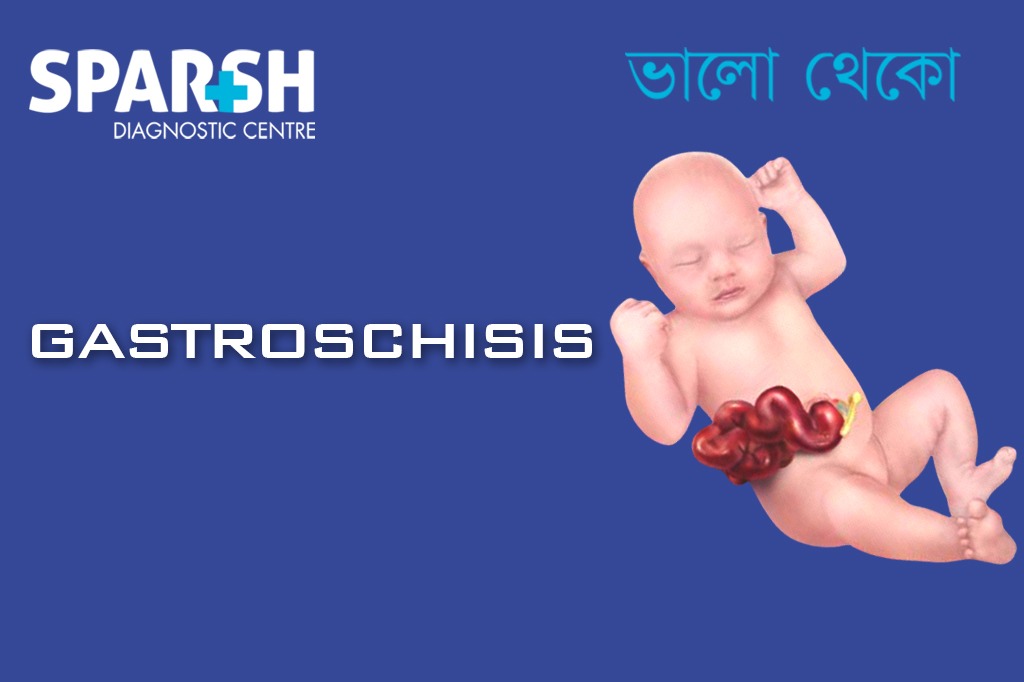
Gastroschisis is a congenital condition in which a baby is born with a hole in the abdominal wall. Through this opening, the intestines—and sometimes other organs—protrude outside the body.
Unlike some other abdominal wall defects, the exposed organs in gastroschisis are not covered by a protective membrane. This means they are directly exposed to amniotic fluid during pregnancy, which can irritate and inflame the intestines.
The opening usually forms to the right side of the umbilical cord, and the intestines remain outside the baby’s body until surgery is performed after birth.
Although it sounds alarming, gastroschisis is treatable, and survival rates are now greater than 90% in many developed healthcare settings.
How Common Is Gastroschisis?
Gastroschisis is considered a rare condition, but its incidence has increased worldwide over the past few decades.
Current estimates suggest that gastroschisis occurs in about:
1 in 2,000 to 1 in 4,000 births
It is seen more frequently in:
Babies born to younger mothers (under age 20)
First pregnancies
Certain environmental or lifestyle risk factors
The exact reason for the rising rates remains unclear, but researchers continue to investigate possible causes.
Causes of Gastroschisis
The exact cause of gastroschisis is still unknown. However, experts believe it develops early in pregnancy when the abdominal wall fails to form properly.
Normally, the abdominal muscles grow and close around the organs during fetal development. In gastroschisis, this process does not occur correctly, leaving a small opening.
Several factors may increase the risk.
Possible Risk Factors
- Young maternal age: Teenage mothers have a higher risk of having a baby with gastroschisis compared to older mothers.
- Smoking during pregnancy: Smoking has been associated with an increased risk of abdominal wall defects.
- Alcohol or drug use: Substance use during pregnancy may affect fetal development.
- Certain medications: Some medications taken during pregnancy may potentially increase risk.
- Environmental exposures: Exposure to certain chemicals or pollutants may play a role, though more research is needed.
Importantly, gastroschisis usually occurs sporadically, meaning it typically happens without a clear family history.
Symptoms and Features of Gastroschisis
Gastroschisis is usually detected before birth during routine prenatal ultrasound scans.
However, if diagnosed at birth, the most obvious feature is the presence of organs outside the abdomen.
Common features include:
Intestines protruding through a hole near the belly button
No protective sac covering the organs
Swollen or irritated bowel
Difficulty feeding after birth
In some cases, other organs such as the stomach or liver may also protrude, though this is less common.
Babies with gastroschisis may also experience digestive complications because the exposed intestines can become inflamed or damaged during pregnancy.
How is Gastroschisis diagnosed
Most cases of gastroschisis are detected during pregnancy.
Prenatal Ultrasound
A routine ultrasound can reveal the condition as early as the first or second trimester. The scan typically shows the baby’s intestines floating outside the abdomen in the amniotic fluid.
Maternal Blood Tests
A maternal blood test may show elevated levels of alpha-fetoprotein (AFP), a protein produced by the fetus. High AFP levels can indicate an abdominal wall defect.
Additional Monitoring
If gastroschisis is diagnosed, doctors may recommend:
Frequent ultrasounds
Fetal growth monitoring
Checking amniotic fluid levels
Planning delivery at a specialized hospital
Early diagnosis allows healthcare teams to prepare for treatment immediately after birth.
Pregnancy Management With Gastroschisis
Once gastroschisis is diagnosed, the pregnancy is usually monitored more closely.
Doctors track the baby’s development to detect complications such as:
Slowed fetal growth
Bowel inflammation
Reduced amniotic fluid
Delivery Planning
Many babies with gastroschisis are delivered slightly early, often between 37 and 38 weeks of pregnancy.
Delivery typically takes place in a hospital with:
A neonatal intensive care unit (NICU)
Pediatric surgeons
Specialized neonatal care teams
While cesarean delivery may be recommended in some cases, many babies with gastroschisis can still be born vaginally depending on the situation.
Treatment for Gastroschisis
Gastroschisis requires surgery after birth to place the organs back inside the abdomen and close the opening.
The treatment approach depends on the size of the defect and the baby’s condition.
Immediate Care After Birth
Right after delivery:
The exposed intestines are carefully protected with sterile coverings
The baby is stabilized
Fluids and nutrition are provided intravenously
Breathing support may be given if needed
The goal is to protect the intestines and prevent infection.
Surgical Treatment
There are two main surgical approaches.
Primary Repair
If the opening is small and the intestines are not too swollen, surgeons may place the organs back into the abdomen and close the hole in one operation.
This procedure usually occurs within a few hours after birth.
Staged Repair (Silo Technique)
In many cases, the intestines are too swollen to fit back immediately.
Doctors may place the organs into a special sterile pouch called a silo, which sits outside the abdomen. Over several days, the intestines gradually move back inside the body.
Once all organs are inside, surgeons close the abdominal wall.
This staged approach is common and helps avoid excessive pressure inside the abdomen.
Recovery After Surgery
Babies with gastroschisis typically spend time in the neonatal intensive care unit (NICU) while they recover.
Recovery focuses on helping the digestive system begin functioning normally.
Common aspects of recovery include:
- Intravenous nutrition: Babies often receive nutrition through an IV until the intestines start working.
- Gradual feeding: Feeding begins slowly using breast milk or formula.
- Monitoring for complications: Doctors watch for infections or digestive problems.
- Hospital stay: Many babies remain in the hospital for several weeks to a few months, depending on recovery.
Parents are usually encouraged to participate in care, including feeding and bonding with the baby.
Possible Complications
While many babies recover well, some complications can occur.
Short Bowel Syndrome
If part of the intestine is damaged and must be removed, the baby may develop short bowel syndrome, which affects nutrient absorption.
Feeding Difficulties
Some babies take longer to tolerate full feeds.
Intestinal Blockages
Scar tissue can occasionally cause bowel obstruction later in life.
Infections
As with any surgery, infection is a potential risk.
Fortunately, careful medical monitoring helps detect and treat these issues early.
Long-Term Outlook for Babies With Gastroschisis
The long-term outlook for babies with gastroschisis has improved dramatically.
More than 90% of babies survive with modern medical care.
Most children eventually:
Eat normally
Grow and develop well
Lead healthy lives
Some children may experience:
Mild digestive problems
Slow weight gain early in life
Occasional bowel issues
Regular pediatric follow-ups help ensure proper growth and development.
Emotional Impact on Parents
A diagnosis of gastroschisis can be emotionally overwhelming for parents.
Feelings of fear, uncertainty, and stress are common. However, support is available.
Helpful resources include:
Neonatal care teams
Genetic counselors
Parent support groups
Mental health professionals
Many parents find reassurance in speaking with families who have experienced similar journeys.
Preventing Gastroschisis
Because the exact cause is unknown, gastroschisis cannot always be prevented. However, certain steps may help reduce risks during pregnancy.
Healthy pregnancy habits include:
Taking prenatal vitamins
Attending regular prenatal checkups
Consulting a doctor before taking medications
Maintaining a balanced diet
Good prenatal care improves the chances of identifying and managing complications early.
Frequently Asked Questions (FAQ)
What causes gastroschisis in babies?
The exact cause is unknown, but it occurs when the abdominal wall does not form properly during early fetal development. Factors such as young maternal age, smoking, and environmental exposures may increase the risk.
Is gastroschisis genetic?
Gastroschisis is usually not inherited and rarely runs in families. Most cases occur randomly without a genetic cause.
Can gastroschisis be detected during pregnancy?
Yes. Gastroschisis is often detected during routine prenatal ultrasound, usually in the second trimester. Elevated maternal AFP levels may also indicate the condition.
Do babies with gastroschisis need surgery?
Yes. Surgery is necessary after birth to place the intestines back inside the abdomen and close the opening in the abdominal wall.
What is the survival rate for gastroschisis?
With modern medical care, the survival rate is over 90%, especially when treated in specialized hospitals with neonatal surgical teams.
How long do babies stay in the hospital?
Hospital stays vary but often range from several weeks to a few months, depending on how quickly the intestines recover and the baby begins feeding normally.
Can babies with gastroschisis live normal lives?
Yes. Most children grow up to live healthy, active lives. Some may experience minor digestive issues early on, but many eventually have normal development.
Is gastroschisis life-threatening?
Gastroschisis can be serious, but it is treatable, and outcomes have improved significantly with modern neonatal care and surgical techniques.
Gastroschisis is a challenging condition, but it is also one of the most treatable congenital birth defects. Thanks to advances in prenatal imaging, neonatal surgery, and intensive care, the majority of babies diagnosed with gastroschisis recover and thrive.
Early detection during pregnancy allows doctors to plan specialized care, ensuring the baby receives prompt treatment after birth. While the journey can be stressful for families, medical teams today are well-equipped to manage the condition and support both the baby and parents throughout the process.
If you receive a prenatal diagnosis of gastroschisis, remember that many families have successfully navigated this experience, and with proper medical care, the outlook for your baby can be very positive.
To consult a Gynecologist/Pediatrician at Sparsh Diagnostic Centre, call our helpline numbers 9830117733/ 8335049501.
#BhaloTheko
Disclaimer:
No content on this site, regardless of date, should ever be used as a substitute for direct medical advice from your doctor or other qualified clinician.