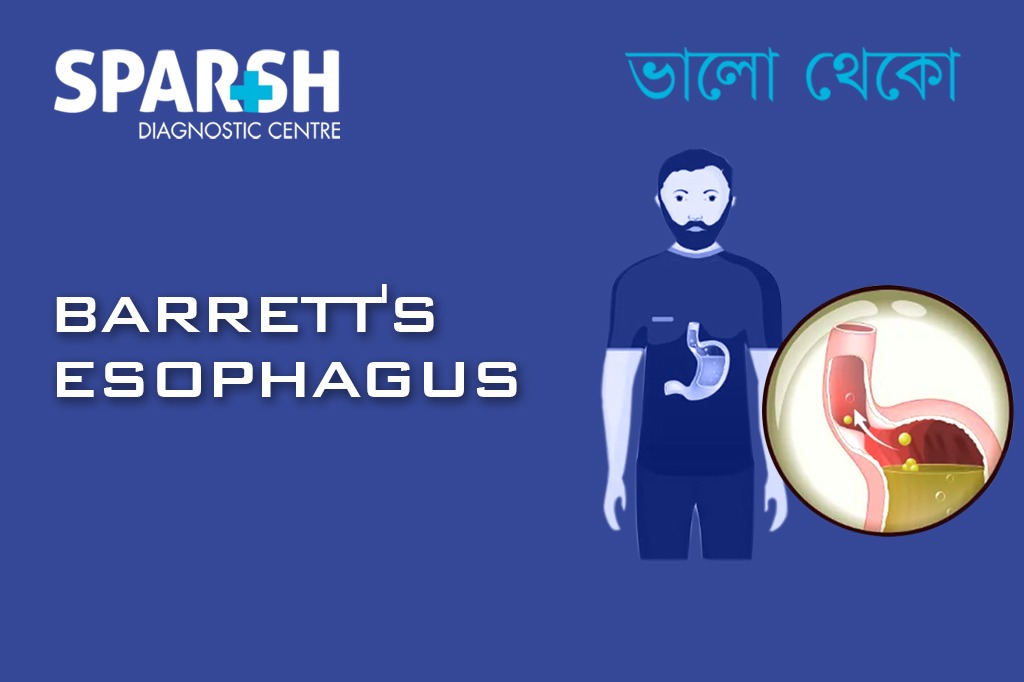
Barrett’s esophagus is a condition that affects the lining of the food pipe (esophagus) and is commonly associated with long-standing acid reflux. Although it may not cause obvious symptoms on its own, it is considered an important condition because it can increase the risk of developing Esophageal Cancer over time.
The good news is that with proper diagnosis, monitoring, and treatment, most people with Barrett’s esophagus live healthy lives and never develop cancer. Understanding the condition—its causes, symptoms, and treatment options—can help individuals manage it effectively and reduce potential risks.
In this comprehensive guide, we’ll explore everything you need to know about Barrett’s esophagus in simple, easy-to-understand language.
What Is Barrett’s Esophagus?
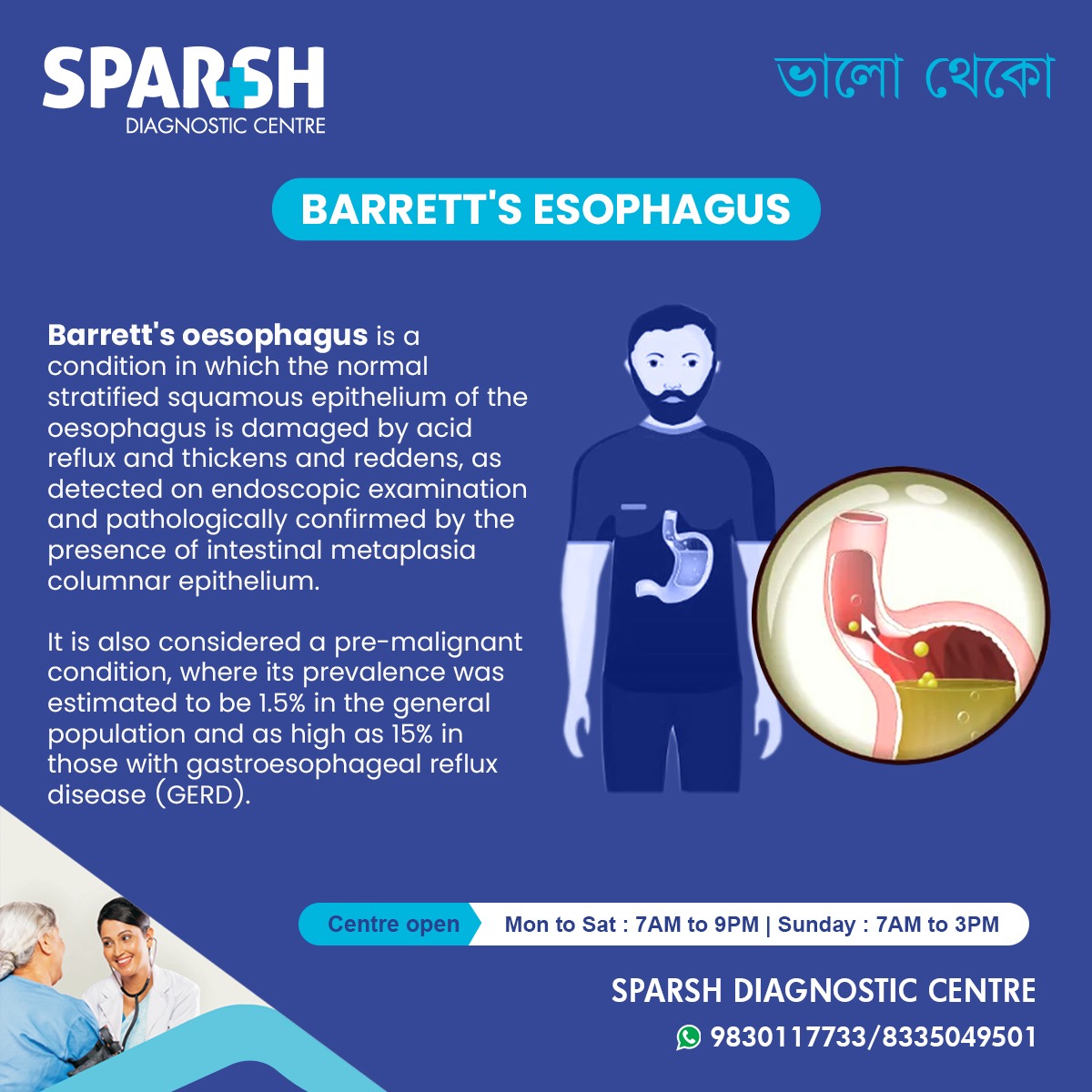
Barrett’s esophagus is a condition in which the normal lining of the esophagus changes due to repeated exposure to stomach acid. Normally, the esophagus is lined with flat cells called squamous cells. In Barrett’s esophagus, these cells are replaced with column-shaped cells similar to those found in the intestine.
This cellular change occurs as a response to chronic acid irritation caused by Gastroesophageal Reflux Disease. Doctors call this change intestinal metaplasia, and it can only be confirmed through microscopic examination of tissue taken during an endoscopy.
Barrett’s esophagus itself does not always produce noticeable symptoms. Instead, most symptoms are related to the underlying acid reflux disease.
Why Does Barrett’s Esophagus Develop?
The primary cause of Barrett’s esophagus is long-term acid reflux. When stomach acid frequently flows back into the esophagus, it damages the lining over time. The body tries to repair this damage by replacing the normal cells with more acid-resistant cells.
However, this change also increases the risk of abnormal cell growth.
Common Causes and Risk Factors
Several factors increase the likelihood of developing Barrett’s esophagus:
1. Chronic Acid Reflux (GERD)
People with long-standing Gastroesophageal Reflux Disease are the most at risk. Frequent heartburn and regurgitation over many years can damage the esophageal lining.
2. Obesity
Excess abdominal fat increases pressure on the stomach, making reflux more likely.
3. Age
Barrett’s esophagus is more common in adults over 50.
4. Gender
Men are significantly more likely to develop the condition than women.
5. Smoking
Tobacco use increases the risk of both Barrett’s esophagus and esophageal cancer.
6. Family History
A family history of Barrett’s esophagus or esophageal cancer may increase susceptibility.
How Common Is Barrett’s Esophagus?
Barrett’s esophagus is not extremely common in the general population, but it is frequently seen among people with chronic acid reflux.
Research suggests that:
Around 1–2% of the general population may have Barrett’s esophagus.
Among people with chronic reflux symptoms, the prevalence may rise to 10–15%.
Many individuals remain undiagnosed because the condition often causes no symptoms on its own.
Symptoms of Barrett’s Esophagus
Barrett’s esophagus typically does not cause unique symptoms. Most people experience symptoms related to acid reflux instead.
Common symptoms include:
Persistent heartburn
Regurgitation of food or sour liquid
Chest discomfort
Chronic cough
Hoarseness or sore throat
Feeling of food stuck in the throat
These symptoms are usually linked to Gastroesophageal Reflux Disease rather than the cellular changes of Barrett’s esophagus itself.
Warning Signs That Need Immediate Medical Attention
Certain symptoms may indicate complications and require urgent medical evaluation:
Difficulty swallowing that worsens
Vomiting blood
Black or tarry stools
Persistent chest pain
These symptoms could indicate more serious conditions, including Esophageal Cancer.
How Barrett’s Esophagus Is Diagnosed
Barrett’s esophagus is usually diagnosed during an upper gastrointestinal endoscopy, a procedure that allows doctors to examine the esophagus using a thin flexible tube with a camera.
Endoscopy
During the procedure:
The doctor inserts a flexible tube through the mouth.
The lining of the esophagus is examined.
Areas that look abnormal may appear reddish or velvety instead of pale.
Biopsy
To confirm the diagnosis, small tissue samples are taken from the esophagus. These samples are examined under a microscope to detect intestinal metaplasia.
Only biopsy confirmation can definitively diagnose Barrett’s esophagus.
Understanding Dysplasia in Barrett’s Esophagus
When doctors evaluate biopsy samples, they also check for dysplasia, which refers to abnormal cell growth.
Dysplasia indicates how likely the cells are to develop into cancer.
Types of Dysplasia
1. No Dysplasia
Cells appear abnormal but not precancerous.
2. Low-Grade Dysplasia
Mildly abnormal cells that may progress to cancer if untreated.
3. High-Grade Dysplasia
Severely abnormal cells with a higher risk of becoming cancer.
Early detection and monitoring help prevent progression to Esophageal Cancer.
Treatment Options for Barrett’s Esophagus
Treatment focuses on two main goals:
Controlling acid reflux
Preventing cancer progression
The treatment plan depends on whether dysplasia is present.
1. Lifestyle Changes
Lifestyle modifications are often the first step in managing acid reflux and Barrett’s esophagus.
Helpful lifestyle changes include:
Avoiding late-night meals
Elevating the head of the bed
Avoiding trigger foods like spicy, fatty, or acidic meals
These changes reduce acid exposure in the esophagus.
2. Medications
Doctors often prescribe medications to control stomach acid.
Common options include:
Proton Pump Inhibitors (PPIs)
These medications significantly reduce acid production and help heal esophageal damage.
H2 Receptor Blockers
These drugs decrease acid production but are usually less powerful than PPIs.
Although medications help control reflux, they do not reverse Barrett’s esophagus completely.
3. Endoscopic Treatments
If dysplasia is present, doctors may recommend endoscopic treatments to remove or destroy abnormal cells.
Common procedures include:
Radiofrequency Ablation (RFA)
Uses heat energy to destroy abnormal tissue in the esophagus.
Endoscopic Mucosal Resection (EMR)
Removes small areas of abnormal tissue for examination and treatment.
Cryotherapy
Uses extreme cold to freeze and destroy abnormal cells.
These treatments are minimally invasive and can significantly reduce cancer risk.
4. Surgery
In rare cases, surgery may be recommended.
One option is fundoplication, a procedure that strengthens the lower esophageal sphincter to reduce acid reflux.
Surgery is usually reserved for people who:
Have severe reflux not controlled by medication
Cannot tolerate medications
Need long-term reflux control
Monitoring and Surveillance
People with Barrett’s esophagus require regular endoscopic monitoring to detect early signs of dysplasia or cancer.
Typical surveillance schedules include:
Every 3–5 years for Barrett’s without dysplasia
Every 6–12 months for low-grade dysplasia
More frequent monitoring or treatment for high-grade dysplasia
Early detection dramatically improves outcomes.
Can Barrett’s Esophagus Be Prevented?
While not all cases can be prevented, several strategies may reduce risk.
Preventive Tips
Treat chronic acid reflux early
Maintain a healthy body weight
Avoid smoking
Limit alcohol consumption
Eat smaller meals
Avoid lying down immediately after eating
Managing Gastroesophageal Reflux Disease effectively is the most important step in preventing Barrett’s esophagus.
Living With Barrett’s Esophagus
A diagnosis of Barrett’s esophagus can feel worrying, but it’s important to remember that most people never develop cancer.
With regular monitoring and appropriate treatment:
Acid reflux symptoms can be controlled
Cellular changes can be treated early
Cancer risk can be minimized
Staying consistent with medical follow-ups and lifestyle changes is key to long-term health.
Frequently Asked Questions (FAQ)
What is Barrett’s esophagus?
Barrett’s esophagus is a condition where the lining of the esophagus changes due to long-term acid reflux. The normal cells are replaced with cells similar to those in the intestine, increasing the risk of Esophageal Cancer.
Is Barrett’s esophagus cancer?
No, Barrett’s esophagus itself is not cancer. However, it is considered a precancerous condition because it increases the risk of developing esophageal cancer.
What causes Barrett’s esophagus?
The most common cause is chronic acid reflux from Gastroesophageal Reflux Disease. Repeated exposure to stomach acid damages the esophageal lining, leading to cellular changes.
Does Barrett’s esophagus cause symptoms?
Barrett’s esophagus itself usually does not cause symptoms. Most people experience symptoms of acid reflux such as heartburn, regurgitation, and chest discomfort.
How is Barrett’s esophagus diagnosed?
It is diagnosed through upper endoscopy and confirmed with a biopsy, where a small sample of tissue is examined under a microscope.
Can Barrett’s esophagus be cured?
The condition itself may not completely reverse, but treatments like radiofrequency ablation and endoscopic therapy can remove abnormal cells and reduce cancer risk.
How often should someone with Barrett’s esophagus have an endoscopy?
The frequency depends on whether dysplasia is present. People without dysplasia may need endoscopy every 3–5 years, while those with dysplasia require more frequent monitoring.
Is Barrett’s esophagus dangerous?
It can increase the risk of Esophageal Cancer, but the overall risk is relatively low when the condition is monitored regularly.
What foods should be avoided with Barrett’s esophagus?
Foods that trigger acid reflux should be limited, including:
Spicy foods
Fried or fatty foods
Citrus fruits
Chocolate
Caffeine
Alcohol
Avoiding these foods may help reduce reflux symptoms.
Can lifestyle changes help Barrett’s esophagus?
Yes. Weight loss, quitting smoking, avoiding late meals, and managing acid reflux can significantly help reduce symptoms and prevent complications.
Barrett’s esophagus is a condition that develops when chronic acid reflux damages the lining of the esophagus, causing it to change over time. While it may sound alarming because it is considered a precancerous condition, the majority of people with Barrett’s esophagus never develop cancer.
The key to managing this condition lies in early diagnosis, proper treatment, and regular monitoring. Controlling acid reflux through medications, lifestyle changes, and medical procedures can greatly reduce risks and improve quality of life.
If you experience persistent heartburn or symptoms of acid reflux, seeking medical evaluation can help detect conditions like Barrett’s esophagus early and ensure timely treatment.
To consult a Doctor at Sparsh Diagnostic Centre, call our helpline numbers 9830117733/ 8335049501.
#BhaloTheko
Disclaimer:
No content on this site, regardless of date, should ever be used as a substitute for direct medical advice from your doctor or other qualified clinician.