

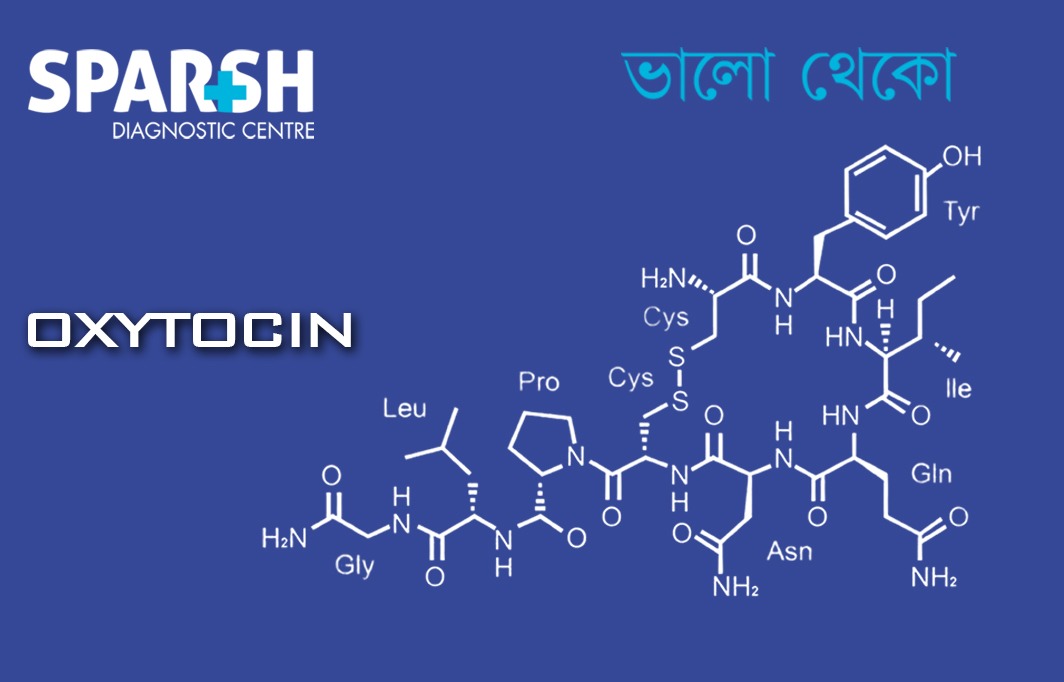
Oxytocin is often nicknamed the “love hormone” or “bonding hormone.” It plays a central role in social connection, trust, empathy, childbirth, breastfeeding, and emotional well-being. While most people know oxytocin for its role in romantic relationships and affection, its effects extend much further into human health.
In recent years, researchers have uncovered fascinating insights into oxytocin’s influence on our physical health, stress response, and psychological resilience. From shaping how we bond with loved ones to reducing anxiety, oxytocin is a hormone that bridges biology and emotions.
This blog explores oxytocin in detail—its functions, health benefits, production, medical uses, and natural ways to boost it. To learn more, visit Sparsh Diagnostic Centre’s Oxytocin page.
What is Oxytocin?
It is a neuropeptide hormone produced in the hypothalamus, a small but critical region of the brain. It is then released into the bloodstream through the posterior pituitary gland.
Key Facts:
Belongs to the family of peptide hormones.
Plays a role in reproduction, maternal behavior, and emotional bonding.
Impacts both physical processes (like childbirth and lactation) and psychological states (like trust and empathy).
Acts both as a hormone in the bloodstream and as a neurotransmitter in the brain.
The biological functions of Oxytocin
It serves multiple roles across different stages of life.
1. Childbirth
Stimulates uterine contractions during labor.
Helps in cervical dilation and delivery.
Synthetic oxytocin (Pitocin) is often used to induce or speed up labor.
2. Breastfeeding
Triggers the milk let-down reflex, allowing milk to flow from the breasts.
Strengthens the bond between mother and baby through skin-to-skin contact.
3. Bonding and Relationships
Enhances feelings of trust and intimacy.
Associated with romantic attraction and long-term bonding.
Plays a role in parent-infant attachment.
4. Mental Health and Emotional Regulation
Reduces stress by lowering cortisol levels.
Promotes empathy and prosocial behaviors.
May help manage anxiety, depression, and post-traumatic stress disorder (PTSD).
5. Physical Health Benefits
Supports wound healing through anti-inflammatory properties.
May lower blood pressure and improve cardiovascular health.
Strengthens resilience against stress-related conditions.
Oxytocin and the brain
Oxytocin’s influence in the brain is remarkable. It modulates activity in regions related to reward, fear, and social recognition.
Amygdala: Oxytocin reduces fear responses, making social interactions more comfortable.
Nucleus Accumbens: Enhances pleasure and reward during bonding experiences.
Prefrontal Cortex: Improves social decision-making and trust.
This is why oxytocin is often linked to emotional intelligence and relationship satisfaction.
Oxytocin in love and relationships
It has earned its nickname, the “love hormone,” for good reason.
During romantic encounters, it is released in response to touch, eye contact, and intimacy.
Long-term couples often have higher oxytocin levels, contributing to attachment and relationship stability.
It fosters sexual satisfaction by enhancing emotional closeness and reducing performance anxiety.
However, oxytocin is not just about romance—it also plays a role in friendship and social bonding. It encourages cooperation, generosity, and trust.
Oxytocin in parenthood
For parents, it is a key hormone in nurturing relationships.
Mothers: It supports maternal instinct, promotes breastfeeding, and helps mothers bond with their babies.
Fathers: Studies suggest fathers also experience oxytocin surges when engaging in play and caregiving.
This shared hormonal experience strengthens family bonds and long-term attachment.
Medical uses of Oxytocin
It has several medical applications:
Labor Induction
Pitocin is given to start or accelerate labor.
Postpartum Hemorrhage Control
Helps reduce heavy bleeding after childbirth.
Breastfeeding Difficulties
May be prescribed for mothers with trouble releasing breast milk.
Mental Health Treatments (Experimental)
Oxytocin nasal sprays are being studied for autism, anxiety, PTSD, and schizophrenia.
Oxytocin and mental health
Oxytocin is increasingly recognized as a natural mood stabilizer.
Anxiety and Stress: Helps regulate the nervous system by calming stress responses.
Depression: Higher oxytocin levels are linked to improved mood and resilience.
PTSD: Research shows potential benefits in reducing hypervigilance and fear.
Autism Spectrum Disorder (ASD): Studies suggest oxytocin may improve social communication, though more research is needed.
How to Naturally Boost Oxytocin
You don’t always need medicine to increase oxytocin—lifestyle habits and social connections play a huge role.
1. Physical Touch
Hugging, cuddling, and holding hands release oxytocin.
Massage therapy can boost relaxation and oxytocin levels.
2. Positive Social Interactions
Spending time with loved ones.
Acts of kindness and empathy.
Meaningful conversations.
3. Music and Art
Singing in groups or listening to music enhances oxytocin release.
Engaging in creative activities also has positive effects.
4. Exercise
Physical activity, especially in groups, can elevate oxytocin.
Yoga and meditation enhance mind-body balance.
5. Mindfulness and Relaxation
Deep breathing, meditation, and gratitude practices.
Reduce stress and promote hormonal balance.
6. Sexual Intimacy
Sexual activity and orgasm significantly increase oxytocin levels.
Risks and considerations
While oxytocin offers many benefits, there are potential downsides when used inappropriately.
Excessive Use in Labor: May cause complications like uterine rupture or fetal distress.
Emotional Dependence: High oxytocin levels may lead to over-attachment in unhealthy relationships.
Behavioral Risks: Some studies show oxytocin can increase group favoritism or bias.
Always consult a healthcare provider before using synthetic oxytocin.
The future of Oxytocin research
Scientists are still uncovering the vast potential of oxytocin. Current research is exploring:
Mental health therapy for anxiety, autism, and depression.
Longevity and resilience in reducing stress-related diseases.
Improved social functioning in neurological disorders.
The “love hormone” may become a key therapeutic tool in the future.
Oxytocin is far more than a romantic “cuddle hormone.” It’s a powerful biological messenger that influences birth, parenting, relationships, stress management, and overall health.
By understanding oxytocin’s role, we can make conscious lifestyle choices to enhance bonding, reduce stress, and promote well-being. Whether through hugging a loved one, engaging in acts of kindness, or simply practicing mindfulness, boosting oxytocin naturally is within everyone’s reach.
As science continues to explore this hormone, it’s clear that oxytocin is one of the most fascinating bridges between the body and emotions.
For more detailed information, check out Sparsh Diagnostic Centre’s page on Oxytocin.
Frequently asked questions (FAQ)
Q1. What is oxytocin commonly known as?
Oxytocin is often called the “love hormone” or “bonding hormone” because it plays a key role in social bonding, trust, and affection.
Q2. How does oxytocin affect childbirth?
Oxytocin stimulates uterine contractions, helping with labor and delivery. Doctors may use synthetic oxytocin (Pitocin) to induce labor.
Q3. Can oxytocin help with mental health?
Yes, oxytocin may reduce stress, anxiety, and depression. Clinical trials are exploring its use in conditions like PTSD and autism.
Q4. How can I naturally increase oxytocin levels?
Spending time with loved ones, hugging, meditation, exercise, listening to music, and acts of kindness can naturally boost oxytocin.
Q5. Does oxytocin only affect women?
No, oxytocin affects both men and women. While it is crucial in childbirth and breastfeeding for women, it also influences bonding, stress, and emotional well-being in men.
Q6. Are there risks of synthetic oxytocin?
Yes. In childbirth, excessive use can cause complications. It should only be administered under medical supervision.
Q7. Is oxytocin the same as dopamine?
No. Oxytocin promotes bonding and trust, while dopamine is linked to pleasure and reward. However, they often work together in the brain.
#BhaloTheko
Disclaimer:
No content on this site, regardless of date, should ever be used as a substitute for direct medical advice from your doctor or other qualified clinician.


