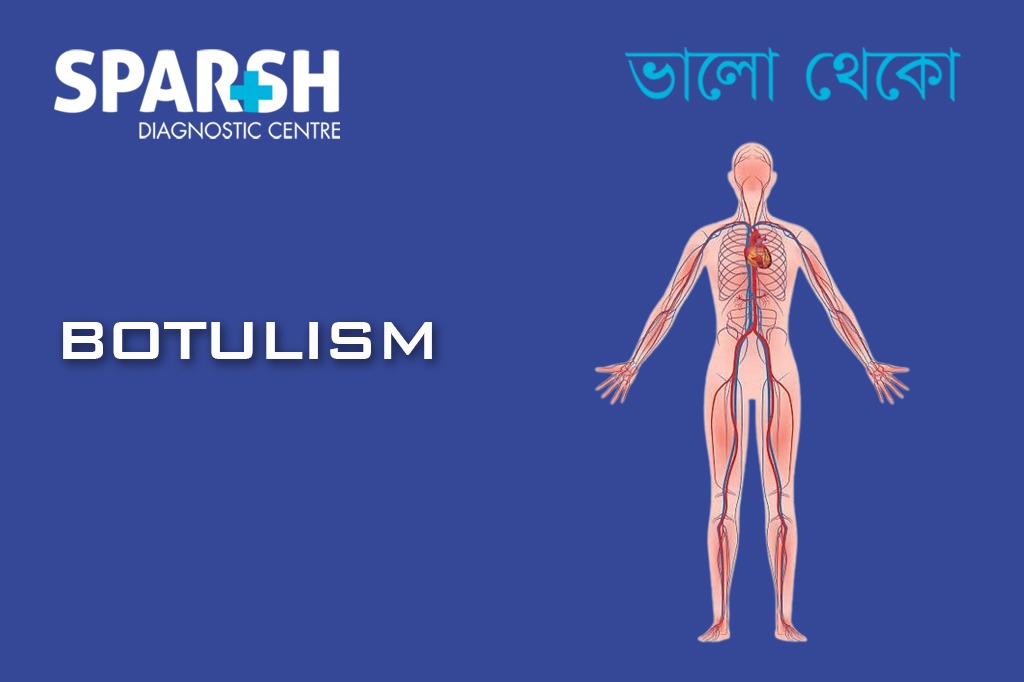
Botulism is a rare but potentially life-threatening illness caused by toxins produced by the bacterium Clostridium botulinum. These toxins attack the nervous system and can lead to paralysis if not treated quickly. Although botulism is uncommon, it is considered a medical emergency because the toxin can interfere with the muscles responsible for breathing.
The condition often develops after consuming contaminated food, but it can also occur through wound infections or in infants whose digestive systems are still developing. With prompt medical care and awareness of early symptoms, most people can recover successfully.
Understanding how botulism occurs, what symptoms to watch for, and how to prevent exposure can help protect you and your family from this dangerous condition.
What Is Botulism?
Botulism is a serious neurological illness caused by botulinum toxin, one of the most powerful toxins known. The toxin blocks nerve signals to muscles, preventing them from contracting properly. As a result, affected individuals develop muscle weakness and paralysis.
The disease progresses gradually. It often begins with weakness in the face and eyes before spreading downward to the neck, arms, chest, and legs. In severe cases, paralysis of the respiratory muscles can occur, which may require mechanical ventilation.
Despite its severity, botulism is extremely rare. Early diagnosis and treatment significantly improve outcomes.
Types of Botulism
There are several forms of botulism, each with different causes.
1. Foodborne Botulism
Foodborne botulism occurs when a person consumes food contaminated with botulinum toxin. Improperly preserved or canned foods are the most common source. The toxin forms when bacteria grow in environments with little or no oxygen.
Foods commonly associated with botulism include:
Home-canned vegetables
Fermented fish
Improperly preserved meats
Garlic stored in oil
Homemade sauces
Symptoms typically begin 12 to 36 hours after eating contaminated food.
2. Infant Botulism
Infant botulism affects babies younger than one year. In this condition, spores of Clostridium botulinum enter the infant’s digestive system and grow in the intestines, producing toxin.
Honey is the most commonly identified source of spores, which is why health experts recommend avoiding honey in infants under 12 months.
Signs of infant botulism include:
Weak cry
Poor feeding
Floppy movements
Breathing difficulties
Infant botulism requires immediate medical attention but has a high recovery rate with treatment.
3. Wound Botulism
Wound botulism occurs when bacterial spores enter a wound and produce toxin inside the body. This form is rare but has been associated with injection drug use and contaminated injuries.
Symptoms appear more gradually compared to foodborne botulism and can include muscle weakness and difficulty swallowing.
4. Iatrogenic Botulism
This type occurs when excessive amounts of botulinum toxin are used in medical or cosmetic treatments. While botulinum toxin is widely used for medical procedures and cosmetic treatments, improper use or high doses can lead to symptoms similar to botulism.
Causes of Botulism
Botulism is caused by toxins produced by the bacterium Clostridium botulinum. These bacteria naturally exist in soil, dust, and marine environments.
The bacteria themselves are not always harmful, but under certain conditions—especially low oxygen environments—they produce the powerful botulinum toxin.
Common causes include:
Improper food preservation
Contaminated wounds
Honey consumption in infants
Injection drug use
Rare complications from medical toxin injections
Once the toxin enters the body, it disrupts communication between nerves and muscles, leading to progressive muscle weakness.
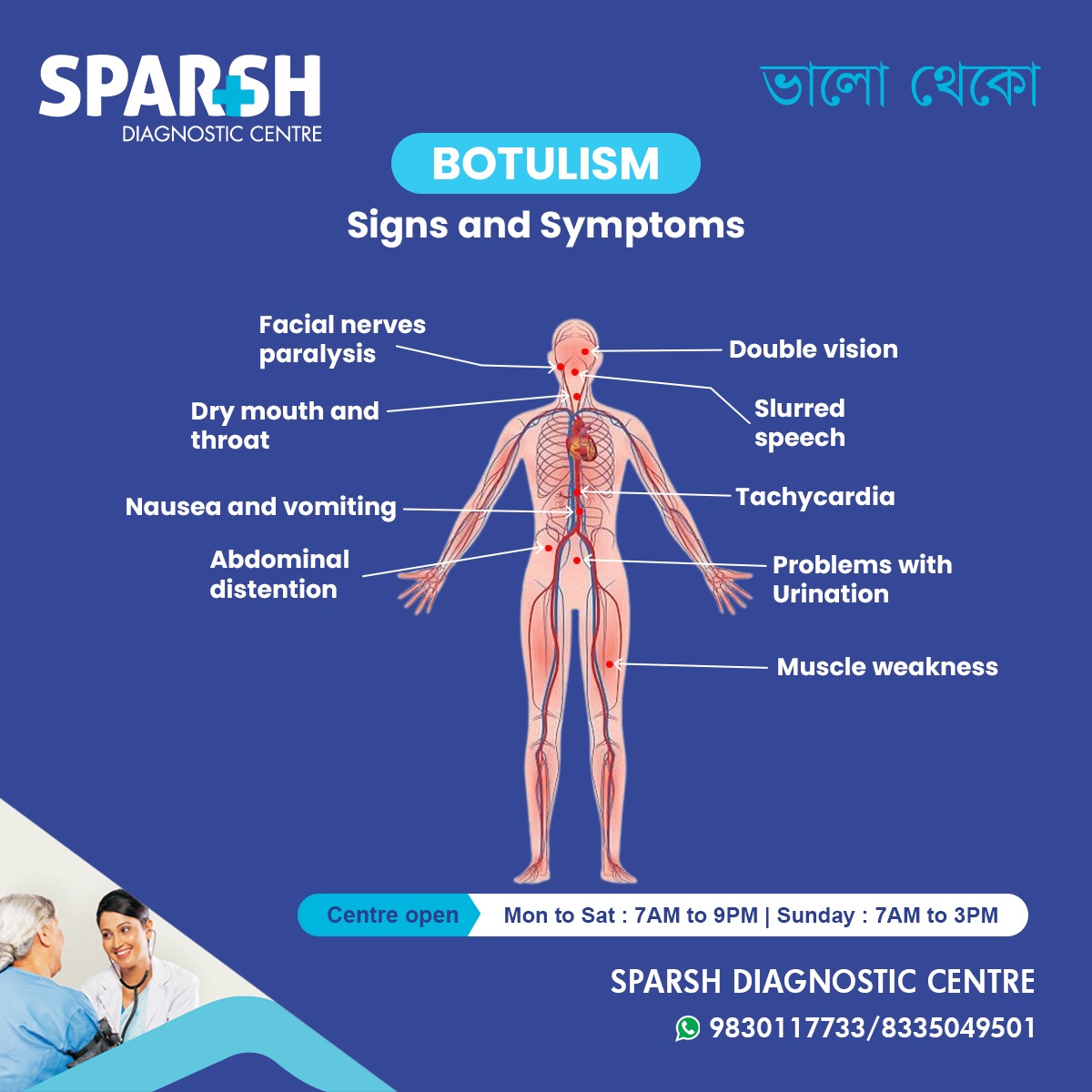
Signs and Symptoms of Botulism
Botulism symptoms usually begin with nerve-related problems affecting the head and face. As the condition progresses, the weakness spreads throughout the body.
Common symptoms include:
Early Symptoms
Double vision
Drooping eyelids
Slurred speech
Progressive Symptoms
Facial muscle weakness
Abdominal bloating
Difficulty urinating
Muscle weakness in the arms and legs
Severe Symptoms
Difficulty breathing
Symptoms may appear within hours or days after exposure, depending on the type of botulism.
Because the illness can progress quickly, anyone experiencing these symptoms should seek immediate medical care.
How Botulism Affects the Body
The botulinum toxin interferes with the release of acetylcholine, a neurotransmitter responsible for muscle contraction.
Without this signal:
Muscles cannot contract properly
Weakness gradually spreads
Paralysis develops
This process is known as descending paralysis, meaning symptoms begin in the head and move downward through the body.
If untreated, the toxin can paralyze the muscles responsible for breathing.
Diagnosis of Botulism
Diagnosing botulism can be challenging because its symptoms resemble other neurological disorders.
Doctors usually rely on a combination of:
Clinical Evaluation
A detailed physical exam and review of symptoms.
Medical History
Questions about recent food consumption, wound injuries, or infant feeding.
Laboratory Tests
Tests may include:
Blood tests
Stool samples
Vomit samples
Food sample testing
In some cases, nerve conduction studies or brain imaging may be used to rule out other conditions such as stroke or Guillain-Barré syndrome.
Early diagnosis is critical because treatment works best when administered quickly.
Treatment of Botulism
Botulism requires immediate hospitalization and specialized care.
Treatment options include:
Antitoxin Therapy
Doctors administer a botulinum antitoxin that neutralizes circulating toxin in the bloodstream. While it cannot reverse paralysis that has already occurred, it prevents further damage.
Early treatment significantly improves recovery chances.
Respiratory Support
In severe cases, patients may require:
Oxygen therapy
Mechanical ventilation
Intensive care monitoring
Breathing support may be needed for weeks until the nerves recover.
Wound Treatment
For wound botulism, doctors will:
Clean the infected wound
Remove contaminated tissue
Prescribe antibiotics
Supportive Care
Recovery from botulism can take weeks or months. Supportive care may include:
Physical therapy
Nutritional support
Rehabilitation for muscle strength
Most people eventually regain normal function, though recovery can be slow.
Prevention of Botulism
Preventing botulism mainly involves proper food safety and hygiene practices.
Safe Food Preservation
When canning food at home:
Use pressure canners for low-acid foods
Follow recommended food safety guidelines
Boil home-canned foods for at least 10 minutes before eating
Avoid Feeding Honey to Infants
Babies under 12 months should never be given honey because it may contain Clostridium botulinum spores.
Proper Wound Care
Clean all wounds thoroughly and seek medical attention for deep or contaminated injuries.
Food Storage Safety
Refrigerate foods properly
Discard bulging or damaged canned goods
Avoid eating foods with unusual smells or appearance
Complications of Botulism
Even with treatment, botulism can cause complications, including:
Respiratory failure
Long-term muscle weakness
Fatigue
Breathing difficulties
Nerve damage
However, with modern medical care, survival rates have improved significantly.
Recovery and Long-Term Outlook
Recovery from botulism takes time because the damaged nerves must regenerate.
Most patients recover fully, though it may take several months. During recovery, patients may experience:
Persistent fatigue
Weakness
Shortness of breath
Physical therapy and rehabilitation programs can help restore strength and mobility.
Early treatment greatly improves the long-term outlook.
When to Seek Medical Help
Immediate medical care is necessary if someone experiences symptoms such as:
Difficulty speaking
Trouble swallowing
Double vision
Muscle weakness
Breathing problems
These symptoms could indicate botulism or another serious neurological condition.
Prompt treatment can save lives.
Frequently Asked Questions (FAQs)
1. Is botulism contagious?
No. Botulism does not spread from person to person. It occurs when the toxin enters the body through contaminated food, wounds, or bacterial growth in infants.
2. How common is botulism?
Botulism is very rare. Only a small number of cases are reported each year worldwide, but it remains dangerous due to its severe effects.
3. Can botulism be cured?
There is no direct cure for the toxin itself, but antitoxin treatment stops its progression. With supportive medical care, most people recover over time.
4. Can cooking destroy botulinum toxin?
Yes. Boiling contaminated food for at least 10 minutes can destroy the toxin, though it does not eliminate the bacterial spores.
5. Why is honey dangerous for infants?
Honey can contain Clostridium botulinum spores. Infants lack the mature digestive systems needed to prevent these spores from growing and producing toxin.
6. How long does recovery from botulism take?
Recovery can take several weeks to months depending on the severity of nerve damage.
7. What foods are most likely to cause botulism?
Improperly canned foods, fermented fish, garlic in oil, and poorly preserved meats are the most common sources.
Botulism is a rare but serious illness that affects the nervous system and can lead to paralysis if untreated. While the disease may sound alarming, it is largely preventable through proper food handling, safe preservation practices, and awareness of early symptoms.
Prompt medical care plays a crucial role in recovery. Recognizing warning signs such as double vision, slurred speech, and muscle weakness can make a life-saving difference.
By understanding how botulism occurs and taking simple preventive measures, individuals can significantly reduce the risk of this potentially dangerous condition.
To consult a Doctor at Sparsh Diagnostic Centre, call our helpline numbers 9830117733/ 8335049501.
#BhaloTheko
Disclaimer:
No content on this site, regardless of date, should ever be used as a substitute for direct medical advice from your doctor or other qualified clinician.