

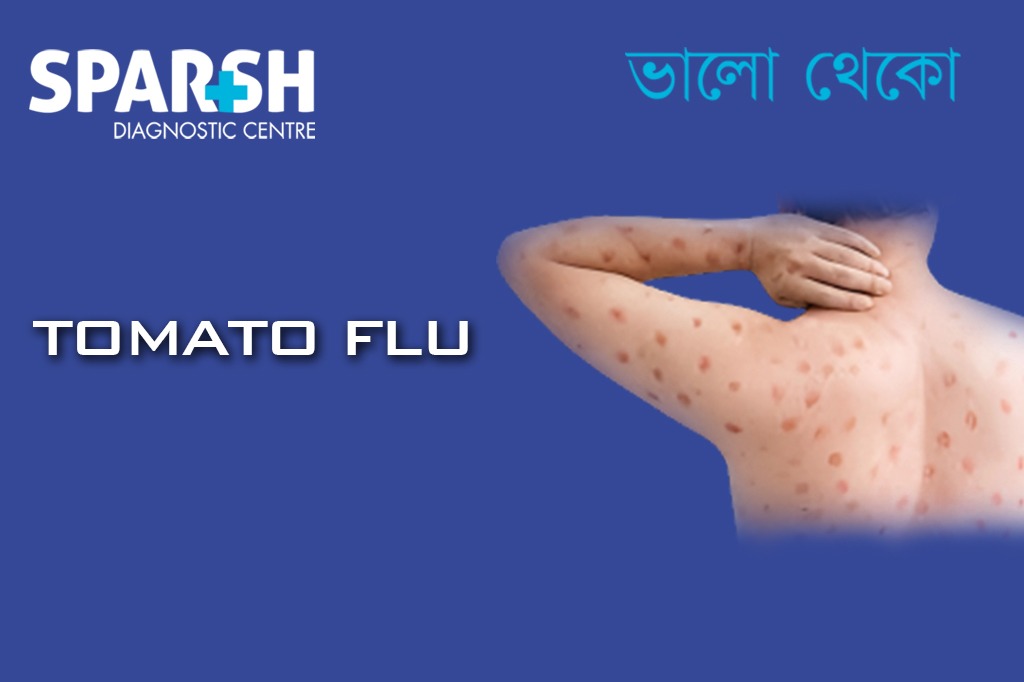
Tomato flu, also known as tomato fever, is a viral illness that primarily affects children but can also occur in adults. It gets its name from the red, tomato-shaped blisters that appear on the body during the infection. While it may resemble conditions such as hand, foot, and mouth disease (HFMD) or even viral fevers like dengue and chikungunya, tomato flu has its own set of distinct characteristics.
Tomato fever was first reported in India in 2022, particularly among children below five years of age. Though not considered life-threatening in most cases, the illness can cause significant discomfort, weakness, and, if left unmanaged, complications. Early diagnosis, supportive care, and preventive measures can help reduce its spread and impact.
In this blog, we will explore everything you need to know about tomato fever: its symptoms, causes, treatment, preventive strategies, and answers to frequently asked questions.
What is Tomato Flu?
It is a viral infection characterized by fever, skin rashes, and painful red blisters that resemble small tomatoes. The exact causative virus is still under study, but it is often considered a post-viral manifestation of other infections, or closely related to enteroviruses responsible for HFMD.
Unlike bacterial infections, tomato flu does not respond to antibiotics. Treatment is primarily symptomatic and supportive, focusing on reducing fever, relieving discomfort, and preventing dehydration.
Causes of Tomato Flu
The exact cause remains uncertain. However, medical experts suggest the following possibilities:
Enteroviruses: The most likely culprits are enteroviruses, similar to those causing HFMD.
Post-viral infection: It may develop as a complication or after-effect of dengue or chikungunya in some individuals.
Viral transmission: Like other viral illnesses, it spreads from person to person via contaminated surfaces, droplets, or close contact.
Tomato flu is highly contagious, especially among children due to weaker immunity and frequent physical contact during play.
Who is at Risk?
While anyone can contract tomato flu, certain groups are more vulnerable:
Children below 5 years of age
School-going children exposed to large groups
People with low immunity
Those recovering from other viral infections
Symptoms of Tomato Flu
Symptoms usually appear within 4–7 days of exposure. The hallmark sign is the appearance of red, painful blisters that resemble tomatoes. Other symptoms include:
Swelling in joints
Sore throat and mouth ulcers
Irritability in children
General malaise and weakness
The blisters are often compared to those seen in chickenpox but are painful and can cause significant discomfort.
Diagnosis of Tomato Flu
Since it mimics other viral illnesses like dengue, chikungunya, or HFMD, diagnosis requires careful evaluation.
Doctors may recommend:
Clinical evaluation based on symptoms
Blood tests to rule out dengue, chikungunya, or viral fever
Throat swabs or stool tests in suspected enteroviral cases
Self-diagnosis is not advisable. A doctor’s consultation is essential to confirm the illness and rule out other serious viral infections.
Treatment of Tomato Flu
Currently, there is no specific antiviral treatment for tomato flu. Management focuses on symptomatic relief and preventing complications.
The following treatments are recommended:
Fever and Pain Management
Paracetamol helps reduce fever, pain, and body aches.
Aspirin should be avoided in children due to the risk of complications.
Hydration
Increase fluid intake (water, juices, soups) to prevent dehydration.
Dietary Modifications
Avoid spicy and salty foods to prevent mouth soreness.
Include soft, bland foods that are easier to swallow.
Skin Care
Avoid scratching or bursting blisters.
Apply skin-soothing lotions to reduce irritation.
Bathing in warm water can relieve itching.
Oral Care
Warm saline gargles help relieve mouth blisters.
Rest
Adequate rest is necessary until symptoms resolve.

Since tomato flu is self-limiting, symptoms usually subside within 7–10 days with proper care.
Prevention of Tomato Flu
Because tomato flu is contagious, prevention is essential. Some measures include:
Isolation of infected individuals to prevent community spread.
Frequent handwashing with soap and water.
Sanitizing surfaces and objects touched by infected children.
Avoiding sharing of clothes, utensils, and toys.
Boosting immunity with a healthy diet and proper sleep.
Educating children about personal hygiene.
Complications of Tomato Flu
Most cases are mild and resolve without complications. However, in some instances, complications may arise if the infection is not managed properly:
Severe dehydration
Secondary skin infections from scratching blisters
Prolonged weakness
Rarely, post-viral joint pain
Tomato Flu vs Other Viral Illnesses
Tomato flu can often be confused with dengue, chikungunya, or HFMD. Here’s how it differs:
| Illness | Key Symptom | Transmission | Blisters |
|---|---|---|---|
| Tomato Flu | Red tomato-like blisters, fever, fatigue | Close contact, droplets | Painful, red blisters |
| Dengue | High fever, low platelets, body pain | Mosquito bite | No blisters |
| Chikungunya | Severe joint pain, fever, rash | Mosquito bite | No blisters |
| HFMD | Fever, mouth ulcers, rashes on hands and feet | Enteroviruses | Blisters mainly on hands, feet, mouth |
When to See a Doctor?
Seek medical attention if:
Fever persists for more than 3 days
Blisters worsen or spread extensively
Child refuses food or fluids
Severe dehydration signs (sunken eyes, dry mouth, no urination) appear
Breathing difficulty or unusual drowsiness occurs
FAQs on Tomato Flu
1. Is tomato flu the same as dengue or chikungunya?
No. While symptoms may overlap, tomato flu is a different viral illness, marked by red blisters that resemble tomatoes.
2. How long does tomato flu last?
Most cases resolve within 7–10 days with supportive care.
3. Is tomato flu dangerous?
It is usually mild and self-limiting but can cause discomfort, especially in children. Rarely, complications like dehydration may occur.
4. Can adults get tomato flu?
Yes, though children are more commonly affected, adults with low immunity can also contract it.
5. How is tomato flu treated?
Treatment is supportive: fever reducers, hydration, skin care, soothing diet, and rest. No specific antiviral exists.
6. How can tomato flu be prevented?
Good hygiene, isolation of infected patients, and avoiding close contact help prevent its spread.
7. Is there a vaccine for tomato flu?
Currently, no vaccine is available. Prevention relies on hygiene and symptomatic management.
8. Can tomato flu spread through mosquito bites?
No, it spreads through close contact, droplets, and contaminated surfaces, not mosquitoes.
9. Should children with tomato flu attend school?
No. They should remain at home until full recovery to prevent spreading the infection.
10. Can home remedies help with tomato flu?
Yes, warm saline gargles, hydration, and skin-soothing baths can provide relief, but medical consultation is important.
Tomato flu may sound alarming due to its unusual name and appearance, but in most cases, it is a mild, self-limiting viral infection. Early recognition, supportive treatment, and preventive hygiene practices can help reduce its spread. Parents and caregivers must ensure that infected children stay hydrated, avoid scratching blisters, and get plenty of rest.
At Sparsh Diagnostic Centre, we provide comprehensive diagnostic services to help differentiate tomato flu from other viral infections like dengue or chikungunya. If you or your child show symptoms, consult a healthcare professional for proper diagnosis and care.
#BhaloTheko
Disclaimer:
No content on this site, regardless of date, should ever be used as a substitute for direct medical advice from your doctor or other qualified clinician.


