

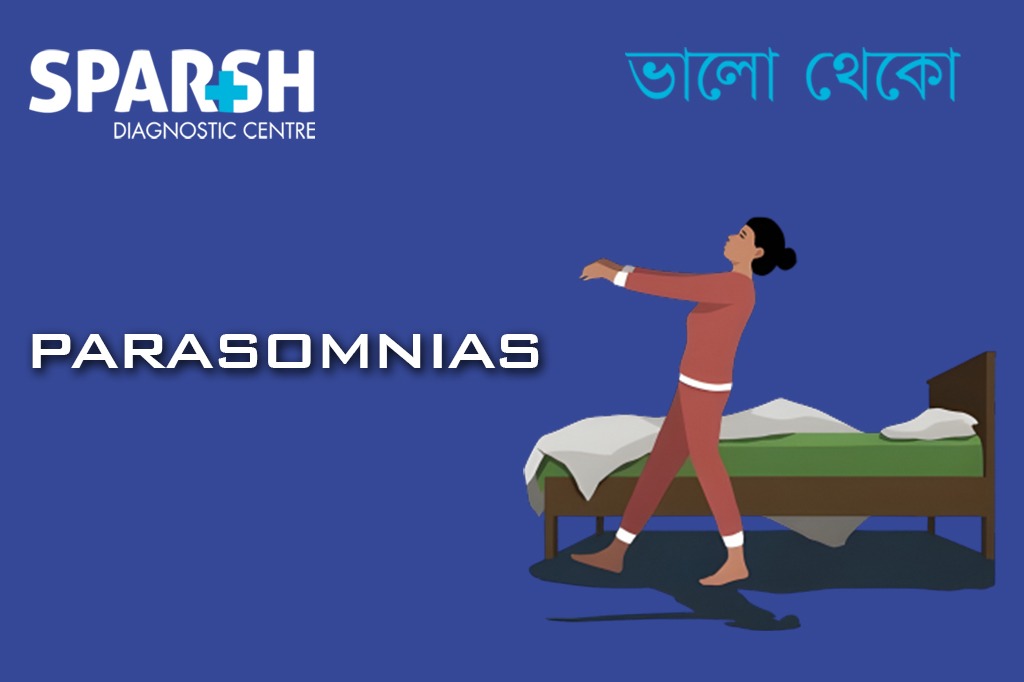
Parasomnias are a group of sleep disorders characterized by abnormal behaviours, movements, emotions, perceptions, or dreams that occur during sleep or sleep–wake transitions. These events can range from mild and harmless to potentially dangerous, affecting sleep quality and overall health.
Parasomnias are more common in children, but many forms persist into adulthood or appear later in life. Understanding the different types, their causes, and when to seek medical help is crucial for early diagnosis and effective management.
What Are Parasomnias?
They are undesirable physical events or experiences that occur while falling asleep, during sleep, or when waking up. Unlike insomnia, which involves difficulty sleeping, parasomnias occur during sleep itself, often without the individual being fully aware.
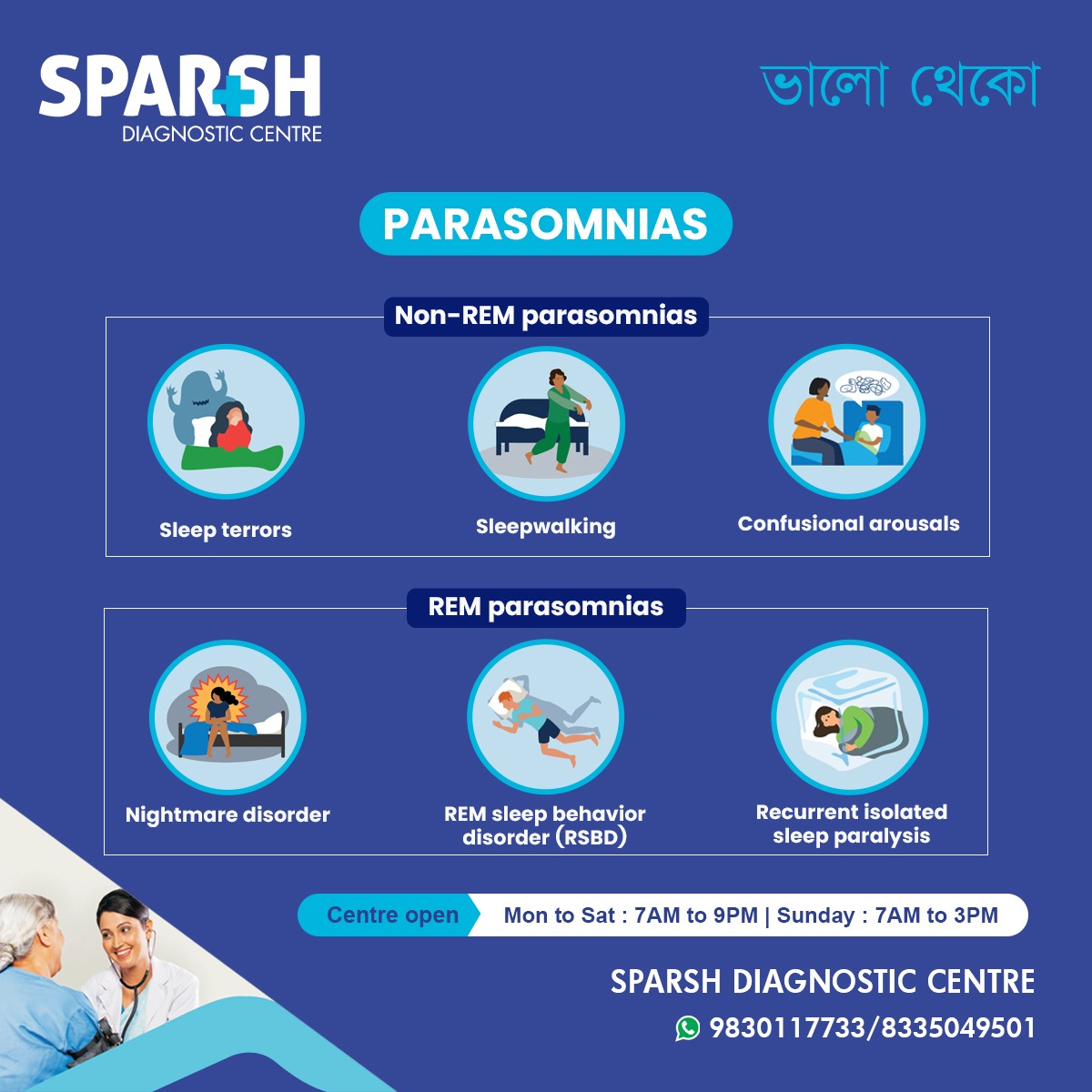
They are broadly classified based on the stage of sleep during which they occur:
Non-REM parasomnias
REM parasomnias
Sleep Stages and Parasomnias
Normal sleep consists of:
Non-REM sleep (Stages N1, N2, N3)
REM (Rapid Eye Movement) sleep
Each parasomnia is linked to disruptions in specific sleep stages, leading to abnormal behaviours.
Types of Parasomnias
Non-REM
These occur during deep sleep (N3 stage), usually in the first third of the night. The person is partially asleep and partially awake.
1. Sleep Terrors (Night Terrors)
Sleep terrors involve:
Sudden screaming or crying
Intense fear
Rapid heart rate
Sweating
Difficulty being awakened
The individual usually has no memory of the event the next morning. Sleep terrors are most common in children aged 3–7 years.
2. Sleepwalking (Somnambulism)
Sleepwalking involves:
Walking or performing activities while asleep
Blank stare
Poor responsiveness
No recall of the event
Sleepwalking episodes may include simple behaviours (walking) or complex ones (leaving the house), making safety a concern.
3. Confusional Arousals
This condition presents as:
Mental confusion on awakening
Slurred speech
Slow responses
Irritability or agitation
Unlike sleep terrors, there is no intense fear, and episodes may last several minutes.
REM
These occur during REM sleep, usually in the second half of the night, when dreaming is more vivid.
4. Nightmare Disorder
Nightmares are:
Frightening dreams
Associated with full awakening
Clearly remembered
Unlike sleep terrors, nightmares occur during REM sleep and are more common in adolescents and adults.
5. REM Sleep Behaviour Disorder (RBD)
RBD is characterized by:
Acting out dreams
Talking, shouting, punching, or kicking
Risk of injury to self or bed partner
RBD is more common in older adults and may be associated with neurodegenerative conditions such as Parkinson’s disease.
6. Recurrent Isolated Sleep Paralysis
Sleep paralysis involves:
Temporary inability to move or speak
Occurs when falling asleep or waking up
Awareness is intact
May be accompanied by hallucinations
Episodes are usually brief but can be frightening.
Causes and Risk Factors of Parasomnias
They often result from a combination of genetic, neurological, psychological, and environmental factors.
Common Triggers Include:
Sleep deprivation
Irregular sleep schedules
Fever (especially in children)
Alcohol or substance use
Certain medications (antidepressants, sedatives)
Neurological disorders
Who Is at Risk?
Children: More prone to non-REM parasomnias
Older adults: Higher risk of REM sleep behaviour disorder
Individuals with mental health disorders
People with disrupted sleep patterns
Family history of parasomnias
Symptoms that should not be ignored
Seek medical evaluation if:
Episodes occur frequently
Behaviour becomes violent or dangerous
Daytime sleepiness affects daily life
Injuries occur during sleep
Symptoms appear suddenly in adulthood
Diagnosis of Parasomnias
Diagnosis begins with a detailed sleep history, often involving input from a bed partner or caregiver.
Diagnostic Tools Include:
Sleep questionnaires
Sleep diaries
Video recordings (home observations)
Polysomnography (Sleep Study) – gold standard for complex or dangerous parasomnias
Neurological evaluation when indicated
Treatment and management of Parasomnias
Treatment depends on the type, frequency, and severity of parasomnia.
General Management Strategies
Maintaining a regular sleep schedule
Ensuring adequate sleep duration
Reducing stress
Avoiding alcohol and sedatives
Treating underlying sleep disorders
Safety Measures
Locking doors and windows
Removing sharp objects
Padding furniture
Sleeping on the ground floor if sleepwalking is severe
Medical Treatment
Medications may be prescribed in selected cases:
Benzodiazepines
Melatonin
Antidepressants (for nightmares or RBD)
Behavioural Therapies
Cognitive behavioural therapy (CBT)
Imagery rehearsal therapy for nightmares
Relaxation techniques
Parasomnias in Children vs Adults
| Feature | Children | Adults |
|---|---|---|
| Common type | Non-REM parasomnias | REM parasomnias |
| Prognosis | Often outgrow | May persist |
| Need for medication | Rare | More common |
| Safety concerns | Moderate | Higher |
When to Consult a Doctor
Medical consultation is advised if parasomnias:
Interfere with quality of life
Cause injury
Begin in adulthood
Are associated with neurological symptoms
Frequently Asked Questions (FAQs) on Parasomnias
1. Are they dangerous?
Most parasomnias are benign, but some can lead to injury, especially sleepwalking and REM sleep behaviour disorder.
2. Do they indicate a mental illness?
Not necessarily. While stress and anxiety may trigger episodes, parasomnias are primarily sleep-related neurological conditions.
3. Can they be cured?
Many childhood parasomnias resolve on their own. Adult parasomnias can often be effectively managed with treatment.
4. Is sleep paralysis harmful?
Sleep paralysis is not physically harmful but can be distressing. Recurrent episodes may require medical evaluation.
5. Can lifestyle changes reduce them?
Yes. Regular sleep, stress management, and avoiding alcohol can significantly reduce episodes.
6. Are they hereditary?
There is evidence of genetic predisposition, especially for sleepwalking and sleep terrors.
7. Do they require a sleep study?
Not always. A sleep study is recommended when:
Diagnosis is unclear
Behaviour is violent
REM sleep behaviour disorder is suspected
8. Can children with parasomnias attend school normally?
Yes. Most children with parasomnias have normal daytime functioning.
9. Are they linked to neurological diseases?
Certain parasomnias, especially REM sleep behaviour disorder, may be associated with neurodegenerative conditions.
10. When should parasomnias be treated with medication?
Medication is reserved for frequent, severe, or dangerous episodes that do not respond to behavioural measures.
Parasomnias represent a diverse group of sleep disorders that can affect individuals of all ages. While many forms are harmless and self-limiting, others require careful evaluation and management. Early recognition, proper diagnosis, and individualized treatment can greatly improve sleep quality and safety.
If you or a loved one experiences unusual behaviours during sleep, consulting a healthcare professional or sleep specialist can provide clarity and peace of mind.
#BhaloTheko
Disclaimer:
No content on this site, regardless of date, should ever be used as a substitute for direct medical advice from your doctor or other qualified clinician.
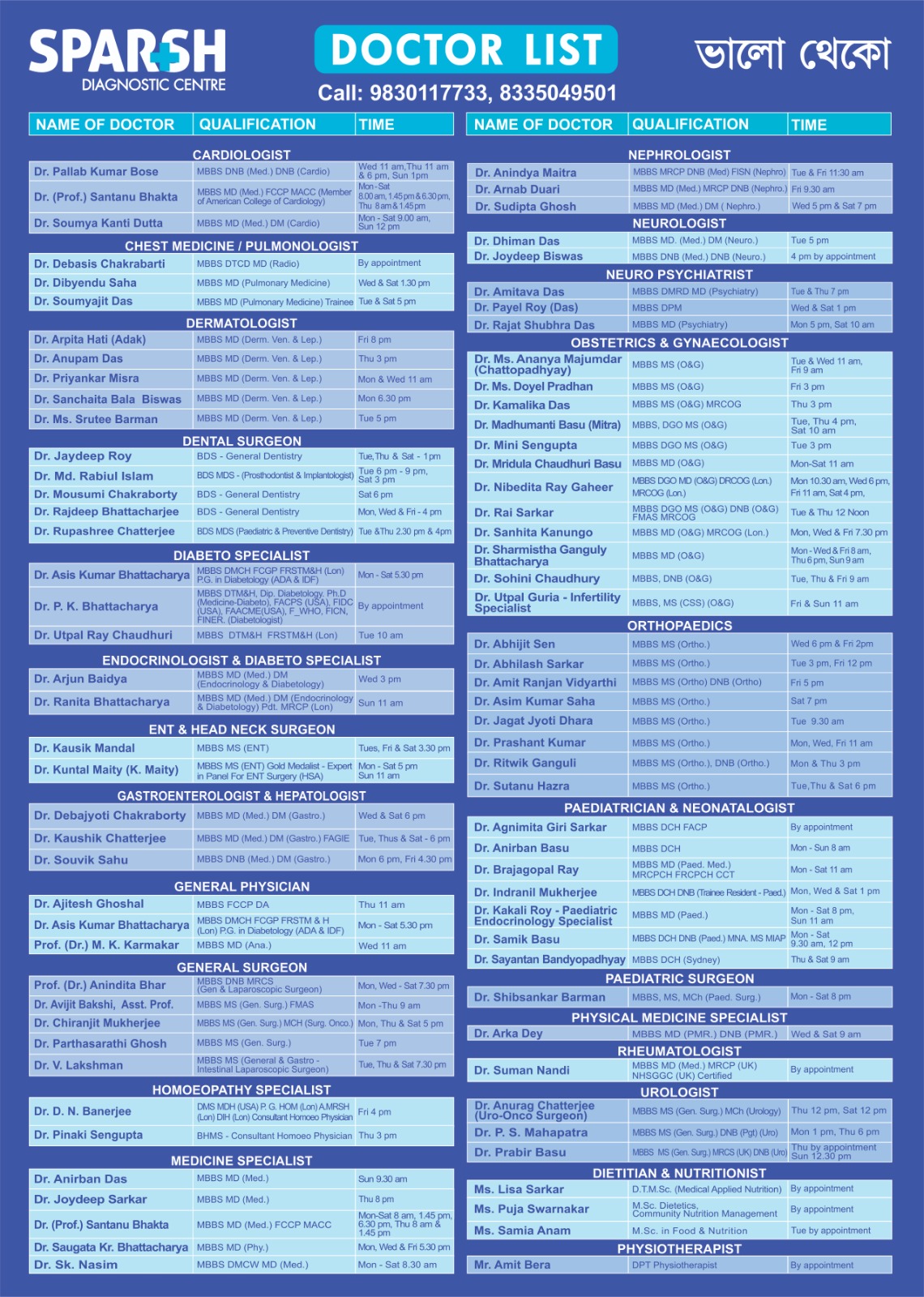
Sparsh Doctor List




[…] Parasomnias […]