Hair fall is one of the most common concerns among men of all ages. Finding a few strands of hair on your pillow or in the shower may not seem alarming initially, but noticing a widening part, a receding hairline, or thinning patches can significantly affect confidence and self-esteem.
The good news is that not all hair loss is permanent. Understanding the causes of hair fall in men and seeking timely treatment can help slow down the process and, in many cases, encourage regrowth.
In this comprehensive guide, we’ll explore the reasons behind male hair loss, treatment options, prevention strategies, and answer some of the most frequently asked questions.
Understanding Hair Fall in Men
Hair naturally goes through a cycle of growth, rest, and shedding.
The hair growth cycle consists of three phases:
- Anagen Phase: Active growth stage lasting several years
- Catagen Phase: Transition phase lasting a few weeks
- Telogen Phase: Resting phase, after which hair sheds
It is normal to lose around 50 to 100 hairs daily. The problem arises when hair shedding exceeds normal levels or new hair fails to replace the lost strands.
Hair loss in men can be temporary or permanent, depending on the underlying cause.
What Causes Hair Loss for Men?
Hair loss in men can occur due to several reasons, ranging from genetics to lifestyle factors.
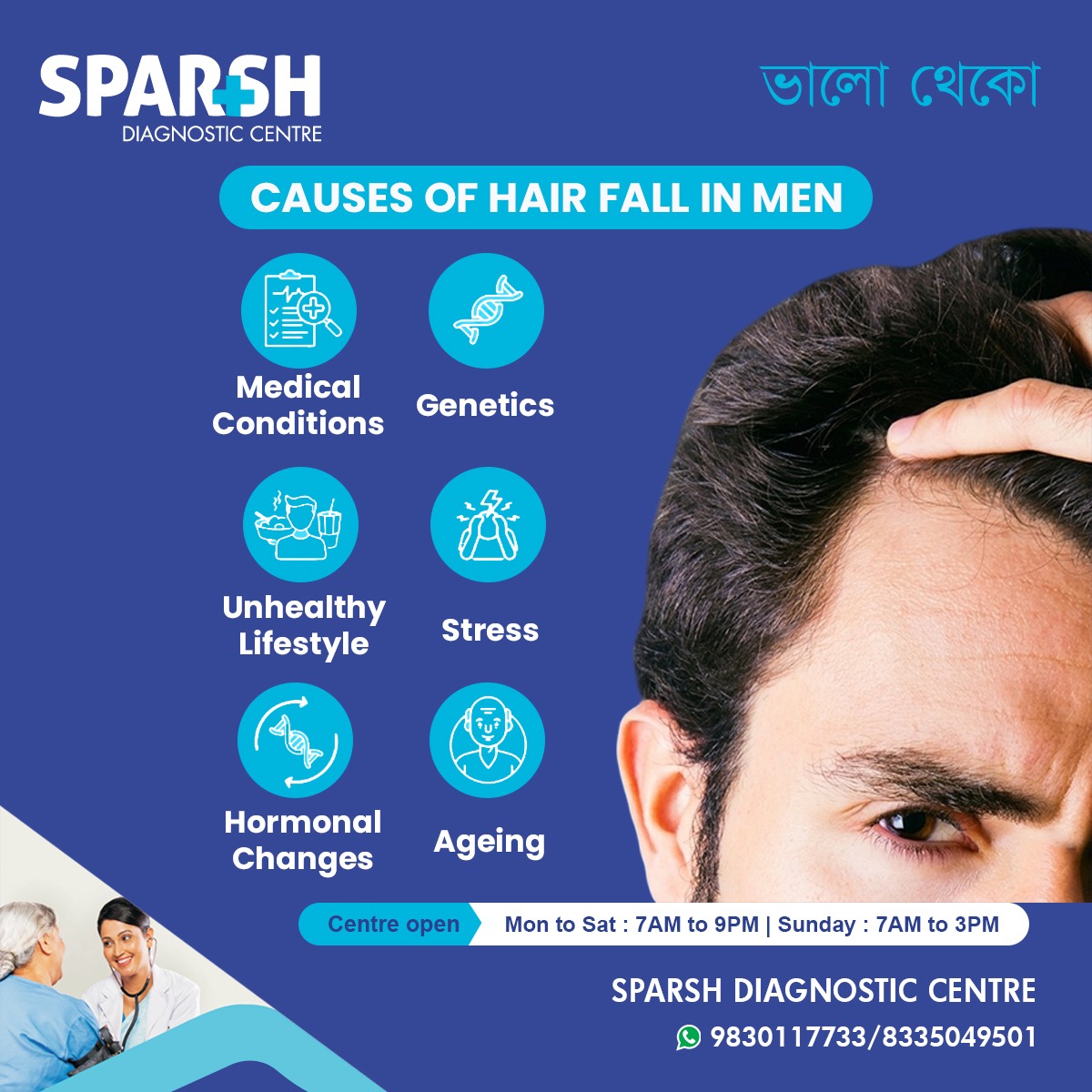
1. Genetics (Male Pattern Baldness)
Genetics is the leading cause of hair loss in men.
Male pattern baldness, medically known as androgenetic alopecia, affects millions of men worldwide. It usually develops gradually and follows a recognizable pattern:
- Receding hairline
- Thinning at the crown
- Progressive loss of hair density
- Partial or complete baldness
This condition occurs due to a combination of hereditary factors and hormonal sensitivity to dihydrotestosterone (DHT), a byproduct of testosterone.
2. Hormonal Changes
Hormonal imbalances can interfere with normal hair growth.
Conditions associated with hair loss include:
- Thyroid disorders
- Testosterone fluctuations
- Increased DHT production
- Pituitary gland abnormalities
Changes in hormone levels may cause hair thinning and excessive shedding.
3. Medical Conditions
Several medical conditions can contribute to hair loss.
These include:
- Thyroid disease
- Diabetes
- Autoimmune disorders
- Scalp infections
- Anemia
- Nutritional deficiencies
- Chronic illnesses
Certain medical treatments, including chemotherapy, can also trigger significant hair loss.
4. Stress
Stress can have a profound effect on hair health.
Physical or emotional stress can push hair follicles into the resting phase, causing increased shedding. This condition is known as telogen effluvium.
Common triggers include:
- Major surgery
- High fever
- Emotional trauma
- Job-related stress
- Sleep deprivation
- Sudden weight loss
Stress-induced hair loss is often temporary and improves once the triggering factor is addressed.
5. Unhealthy Lifestyle
Lifestyle habits play a major role in maintaining healthy hair.
Factors that may contribute to hair fall include:
- Smoking
- Excessive alcohol consumption
- Poor sleep
- Lack of exercise
- Unhealthy eating habits
- Crash dieting
Poor lifestyle choices can reduce blood circulation and deprive hair follicles of essential nutrients.
6. Nutritional Deficiencies
Hair follicles require adequate nutrition to function properly.
Deficiencies of certain nutrients may cause excessive hair shedding, including:
A nutrient-poor diet can weaken hair structure and slow hair growth.
7. Certain Medications
Some medications may cause temporary or permanent hair loss as a side effect.
Examples include:
- Blood pressure medications
- Antidepressants
- Acne medications
- Chemotherapy drugs
- Steroids
- Anticoagulants
If you suspect medication-related hair loss, consult your doctor before making any changes.
8. Ageing
Age naturally affects hair density and growth.
As men grow older:
- Hair growth slows down
- Hair becomes thinner
- Follicles shrink
- Pigmentation decreases
Age-related hair loss is extremely common and often occurs alongside male pattern baldness.
Signs and Symptoms of Hair Fall in Men
Hair loss can appear differently in each individual.
Common signs include:
- Excessive hair shedding
- Receding hairline
- Widening scalp visibility
- Thinning on the crown
- Bald patches
- Hair becoming finer and weaker
- Increased hair on pillows, combs, and shower drains
Recognizing these signs early can help improve treatment outcomes.
Risk Factors for Hair Loss in Men
Several factors increase the likelihood of developing hair loss.
These include:
- Family history of baldness
- Advancing age
- Smoking
- Obesity
- Stress
- Nutritional deficiencies
- Certain medical conditions
- Hormonal imbalances
Having one or more risk factors does not necessarily guarantee hair loss but may increase susceptibility.
How Do I Stop Hair Fall in Men?
Stopping hair fall begins with identifying its underlying cause.
Maintain a Balanced Diet
Consume foods rich in:
- Protein
- Iron
- Zinc
- Vitamin D
- Omega-3 fatty acids
- Fresh fruits and vegetables
Healthy nutrition provides essential building blocks for stronger hair.
Manage Stress
Stress management techniques can help reduce hair shedding.
Try:
- Meditation
- Deep breathing exercises
- Yoga
- Regular exercise
- Adequate sleep
Lower stress levels support healthier hair growth cycles.
Avoid Harsh Hair Practices
Protect your hair by:
- Avoiding excessive heat styling
- Limiting chemical treatments
- Using mild shampoos
- Avoiding tight hairstyles
- Gently drying hair
Being kind to your hair and scalp helps prevent unnecessary damage.
Quit Smoking
Smoking reduces blood flow to hair follicles and may accelerate hair thinning.
Quitting smoking benefits both your hair and overall health.
Treat Underlying Medical Conditions
Managing conditions like thyroid disorders, nutritional deficiencies, and scalp infections can significantly improve hair health.
Consider Medical Treatments
Several treatments may help slow or reverse hair loss, including:
- Medications prescribed by a doctor
- Platelet-rich plasma (PRP) therapy
- Low-level laser therapy
- Hair transplantation procedures
The right treatment depends on the type and cause of hair loss.
Can a Man’s Hair Grow Back?
Yes, in many cases, a man’s hair can grow back.
Hair regrowth largely depends on the cause of hair loss.
Temporary Hair Loss
Hair often regrows after treating:
- Stress-related shedding
- Nutritional deficiencies
- Illness
- Certain medications
- Scalp infections
Male Pattern Baldness
Hair regrowth is possible in the early stages of androgenetic alopecia.
Medical treatments may:
- Slow hair loss
- Stimulate dormant follicles
- Improve hair thickness
- Preserve existing hair
Advanced Hair Loss
When hair follicles become permanently inactive, natural regrowth becomes difficult.
In such cases, hair transplantation may help restore hair in affected areas.
The sooner treatment begins, the greater the likelihood of preserving and regrowing hair.
Is losing 700 strands of hair a day normal?
No. Losing approximately 700 strands of hair daily is generally not considered normal.
Most people lose around 50 to 100 hairs each day as part of the natural hair growth cycle.
However, there are exceptions.
Temporary periods of increased shedding may occur after:
- High fever
- Severe stress
- Major illness
- Surgery
- Rapid weight loss
- Certain medications
If you consistently lose several hundred hairs every day, it is advisable to consult a healthcare professional to determine the underlying cause.
Signs that require evaluation include:
- Noticeable scalp thinning
- Bald patches
- Sudden increase in shedding
- Itchy or painful scalp
- Hair loss accompanied by fatigue or other symptoms
Early assessment can help identify treatable conditions before significant hair loss occurs.
Diagnosis of Hair Fall in Men
Doctors may use several methods to identify the cause of hair loss.
Medical History
Your doctor may ask about:
- Family history
- Medications
- Diet
- Stress levels
- Existing medical conditions
Physical Examination
A scalp examination helps determine the pattern and severity of hair loss.
Blood Tests
Tests may check for:
- Thyroid disorders
- Iron deficiency
- Vitamin deficiencies
- Hormonal imbalances
Pull Test
A gentle pull on the hair helps assess the severity of shedding.
Scalp Biopsy
In certain cases, a small scalp sample may be examined to identify specific conditions.
Treatment Options for Hair Fall in Men
Treatment varies depending on the underlying cause.
Medications
Doctors may recommend medications that help:
- Slow hair loss
- Stimulate hair growth
- Reduce hormonal effects on follicles
Platelet-Rich Plasma (PRP) Therapy
PRP involves injecting concentrated platelets from your own blood into the scalp.
Potential benefits include:
- Improved blood supply
- Stimulation of hair follicles
- Enhanced hair thickness
Low-Level Laser Therapy
Laser therapy may help stimulate follicular activity and promote healthier hair growth.
Hair Transplant Surgery
Hair transplantation involves moving healthy hair follicles from one part of the scalp to thinning areas.
This procedure can provide natural-looking, long-lasting results.
Can Hair Fall in Men Be Prevented?
Not all forms of hair loss are preventable, particularly those caused by genetics.
However, healthy habits can reduce your risk.
Prevention Tips
- Eat a nutrient-rich diet
- Exercise regularly
- Sleep adequately
- Avoid smoking
- Manage stress effectively
- Treat scalp conditions promptly
- Avoid excessive chemical treatments
- Seek medical advice for persistent shedding
Taking care of your overall health often translates into healthier hair.
When Should You See a Doctor?
Seek medical attention if you experience:
- Sudden hair loss
- Patchy bald spots
- Rapid thinning
- Scalp pain or inflammation
- Excessive shedding lasting several months
- Hair loss with fatigue, weight changes, or other symptoms
Early diagnosis allows for more effective treatment and better outcomes.
Frequently Asked Questions (FAQs)
1. How do I stop hair fall in men?
You can reduce hair fall by maintaining a healthy diet, managing stress, avoiding smoking, treating underlying medical conditions, and seeking appropriate medical treatment when necessary. Early intervention often provides the best results.
2. What causes hair loss for men?
The most common causes include genetics, hormonal changes, stress, nutritional deficiencies, medical conditions, medications, ageing, and unhealthy lifestyle habits.
3. Can a man’s hair grow back?
Yes. Hair can regrow in many cases, especially when hair loss is caused by temporary factors like stress or nutritional deficiencies. Even male pattern baldness can often be slowed or partially reversed when treated early.
4. Is losing 700 strands of hair a day normal?
No. Most individuals lose around 50 to 100 hairs daily. Losing approximately 700 strands every day may indicate an underlying issue and should be evaluated by a healthcare professional.
5. Does wearing a cap cause hair loss?
No. Wearing a cap does not directly cause hair loss. Hair loss is usually linked to genetics, hormones, or medical factors.
6. Can stress cause hair fall in men?
Yes. Severe emotional or physical stress can trigger temporary hair shedding known as telogen effluvium.
7. Which vitamin deficiency causes hair loss?
Deficiencies in vitamin D, vitamin B12, iron, zinc, and protein may contribute to excessive hair shedding.
8. At what age do men usually start losing hair?
Male pattern hair loss can begin as early as the late teens or twenties, though it becomes increasingly common with age.
Hair fall in men is a widespread concern that can result from genetics, hormonal changes, stress, medical conditions, nutritional deficiencies, and lifestyle factors. While some degree of hair shedding is completely normal, excessive hair loss should never be ignored.
The encouraging news is that many forms of hair loss can be managed successfully with early diagnosis, proper treatment, and healthy lifestyle choices. Understanding the underlying cause is the first step toward protecting your hair and restoring confidence.
To consult a Doctor or get full body check-up done at Sparsh Diagnostic Centre, call our helpline numbers 9830117733/ 8335049501.
#BhaloTheko
Disclaimer:
No content on this site, regardless of date, should ever be used as a substitute for direct medical advice from your doctor or other qualified clinician.