

Cardiogenic shock is a life-threatening medical emergency that occurs when the heart suddenly becomes unable to pump enough blood to meet the body’s needs. Despite advances in cardiology and critical care, cardiogenic shock remains one of the most serious complications of heart disease, especially following a heart attack. Early recognition, rapid diagnosis, and timely treatment are crucial to improving survival and long-term outcomes.
This comprehensive guide explains cardiogenic shock in detail, including its causes, warning signs, diagnostic tests, treatment options, and frequently asked questions.
What Is Cardiogenic Shock?
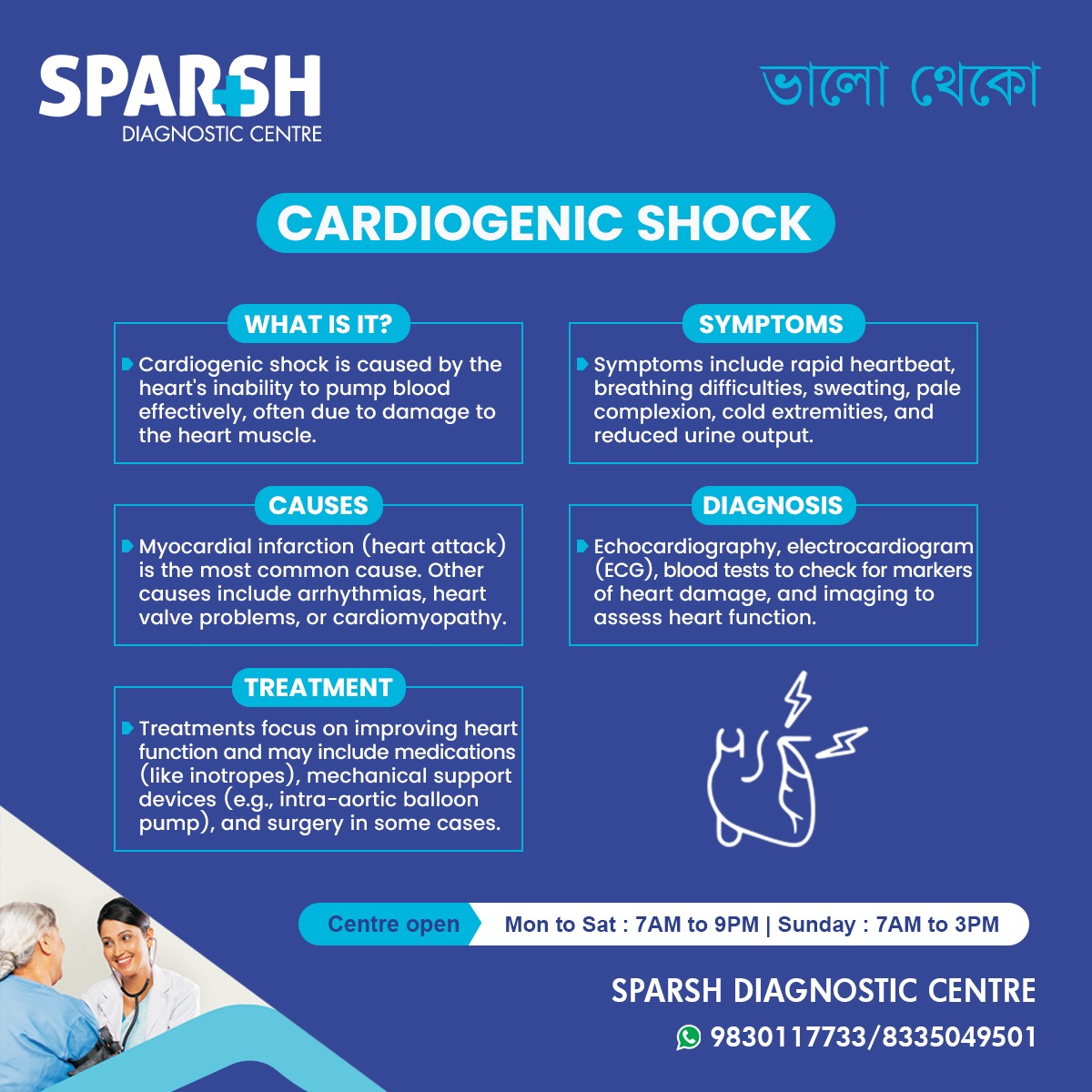
It is a condition in which severely reduced cardiac output leads to inadequate blood flow to vital organs such as the brain, kidneys, and liver. As a result, tissues are deprived of oxygen and nutrients, causing organ dysfunction and, if untreated, death.
Unlike other types of shock (such as hypovolemic or septic shock), cardiogenic shock occurs due to primary failure of the heart, not because of blood loss or infection.
Key Characteristics of Cardiogenic Shock
Markedly reduced blood pressure
Poor tissue perfusion
Signs of heart failure
Evidence of organ dysfunction
Why is Cardiogenic Shock a Medical Emergency
It has a high mortality rate, even with modern treatment. Without rapid medical intervention:
Blood pressure can fall dangerously low
Oxygen delivery to organs decreases
Multiple organ failure can occur
Immediate hospitalization and intensive care management are essential.
Causes of Cardiogenic Shock
1. Acute Myocardial Infarction (Heart Attack)
The most common cause of cardiogenic shock is a large heart attack, particularly when it affects the left ventricle. Damage to heart muscle reduces its ability to contract effectively.
2. Severe Heart Failure
Patients with advanced or untreated heart failure may suddenly deteriorate into cardiogenic shock.
3. Life-Threatening Arrhythmias
Abnormal heart rhythms such as:
Ventricular tachycardia
Ventricular fibrillation
can severely impair cardiac output.
4. Mechanical Complications of Heart Attack
Papillary muscle rupture
Ventricular septal rupture
Acute mitral regurgitation
5. Cardiomyopathy
Dilated, hypertrophic, or restrictive cardiomyopathies can weaken the heart muscle.
6. Valvular Heart Disease
Severe narrowing or leakage of heart valves can reduce effective blood flow.
7. Myocarditis
Inflammation of the heart muscle due to viral or autoimmune causes.
Risk Factors for Cardiogenic Shock
Long-standing coronary artery disease
Advanced age
Symptoms of Cardiogenic Shock
Symptoms can develop suddenly or progressively and often worsen rapidly.
Common Symptoms
Cold, clammy skin
Excessive sweating
Confusion or altered mental state
Signs of Organ Dysfunction
Reduced urine output
Loss of consciousness in severe cases
How does it affect the body
When the heart fails to pump effectively:
Blood pressure drops
Organs receive insufficient oxygen
Lactic acid builds up in tissues
Organ systems begin to fail
The kidneys are often affected first, followed by the brain, liver, and lungs.
Diagnosis of Cardiogenic Shock
Prompt and accurate diagnosis is critical. Doctors use a combination of clinical examination, laboratory tests, and imaging studies.
1. Physical Examination
Cold extremities
Weak pulse
Signs of fluid in lungs
2. Electrocardiogram (ECG)
Detects heart attack
Identifies abnormal heart rhythms
3. Echocardiography
A key diagnostic test that:
Assesses heart pumping function
Identifies valve abnormalities
Detects mechanical complications
4. Blood Tests
Cardiac markers (Troponin, CK-MB)
Arterial blood gases
5. Chest X-Ray
Detects pulmonary congestion
Evaluates heart size
6. Coronary Angiography
Identifies blocked coronary arteries and guides revascularization.
Treatment of Cardiogenic Shock
Treatment focuses on restoring blood flow, supporting heart function, and treating the underlying cause.
Immediate Emergency Management
Oxygen therapy
Intravenous fluids (used cautiously)
Continuous cardiac monitoring
Medications
Inotropes (e.g., dobutamine) to improve heart contractility
Vasopressors (e.g., norepinephrine) to maintain blood pressure
Antiplatelet and anticoagulant drugs if due to heart attack
Revascularization Procedures
Percutaneous coronary intervention (angioplasty and stenting)
Coronary artery bypass grafting (CABG)
Early revascularization significantly improves survival.
Mechanical Circulatory Support
Intra-aortic balloon pump (IABP)
Ventricular assist devices (VADs)
Extracorporeal membrane oxygenation (ECMO) in severe cases
Surgical Intervention
Required for:
Valve rupture
Septal defects
Structural heart damage
Prognosis and Outcomes
The prognosis depends on:
Speed of diagnosis
Underlying cause
Patient’s age and overall health
Availability of advanced cardiac care
With early intervention, survival rates have improved, but cardiogenic shock remains a serious condition requiring long-term follow-up.
Prevention of Cardiogenic Shock
While not always preventable, risk can be reduced by:
Regular cardiac check-ups
Early treatment of heart attacks
Life after Cardiogenic Shock
Recovery may involve:
Long-term medications
Cardiac rehabilitation
Lifestyle modifications
Regular follow-up with cardiologists
Many patients can return to an active life with proper care.
Frequently Asked Questions (FAQ)
1. Is it the same as a heart attack?
No. A heart attack is a common cause of cardiogenic shock, but cardiogenic shock is a severe complication where the heart fails to pump effectively.
2. Can it be cured?
It can be treated successfully if diagnosed early, but outcomes depend on the extent of heart damage and speed of intervention.
3. How fast does it develop?
It can develop within hours after a heart attack or gradually in patients with worsening heart failure.
4. What is the survival rate?
Survival has improved with modern treatments, but it remains a high-risk condition requiring intensive care.
5. What tests confirm cardiogenic shock?
Echocardiography, ECG, blood tests, and coronary angiography are key diagnostic tools.
6. Is it common?
It is relatively uncommon but occurs in a significant percentage of patients with severe heart attacks.
7. Can young people develop it?
Yes, though it is more common in older adults, younger individuals can develop it due to myocarditis, cardiomyopathy, or severe arrhythmias.
8. How long is hospitalization required?
Patients usually require prolonged ICU care, followed by step-down monitoring and rehabilitation.
Cardiogenic shock is a critical cardiac emergency that demands immediate medical attention. Advances in diagnostic techniques, revascularization procedures, and mechanical support have significantly improved outcomes, but early recognition remains the most important factor in saving lives.
Timely diagnosis through reliable diagnostic services, combined with expert cardiac care, can make a life-saving difference for patients experiencing cardiogenic shock.
#BhaloTheko
Disclaimer:
No content on this site, regardless of date, should ever be used as a substitute for direct medical advice from your doctor or other qualified clinician.
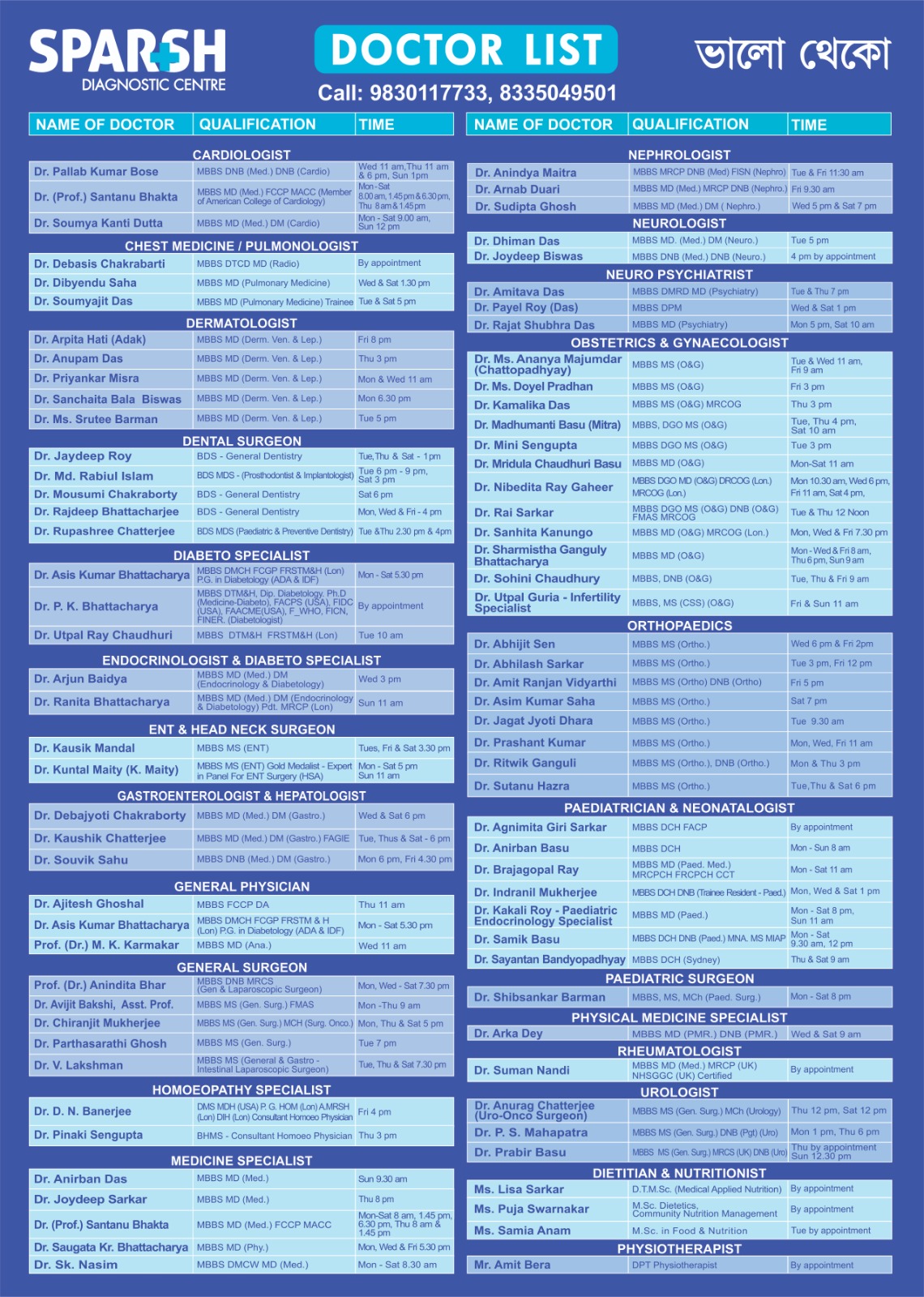
Sparsh Doctor List


