

Brain death is one of the most misunderstood and emotionally difficult medical diagnoses for families to comprehend. Many people struggle to accept the idea because the patient’s heart may still be beating and the chest may rise and fall with the help of machines. However, brain death is not coma, not a vegetative state, and not reversible. It is a medically and legally recognised form of death.
This blog explains brain death in simple terms, covering its meaning, causes, how it is diagnosed, how it differs from other conditions affecting consciousness, and the legal framework in India. Understanding these facts can help families make informed and compassionate decisions during an extremely challenging time.
What Is Brain Death?
It is the complete and irreversible loss of all functions of the brain, including the brainstem, which controls vital reflexes such as breathing, blinking, and response to pain.
In brain death:
The brain has permanently stopped working
The person cannot breathe on their own
There is no consciousness, awareness, or possibility of recovery
The condition is irreversible
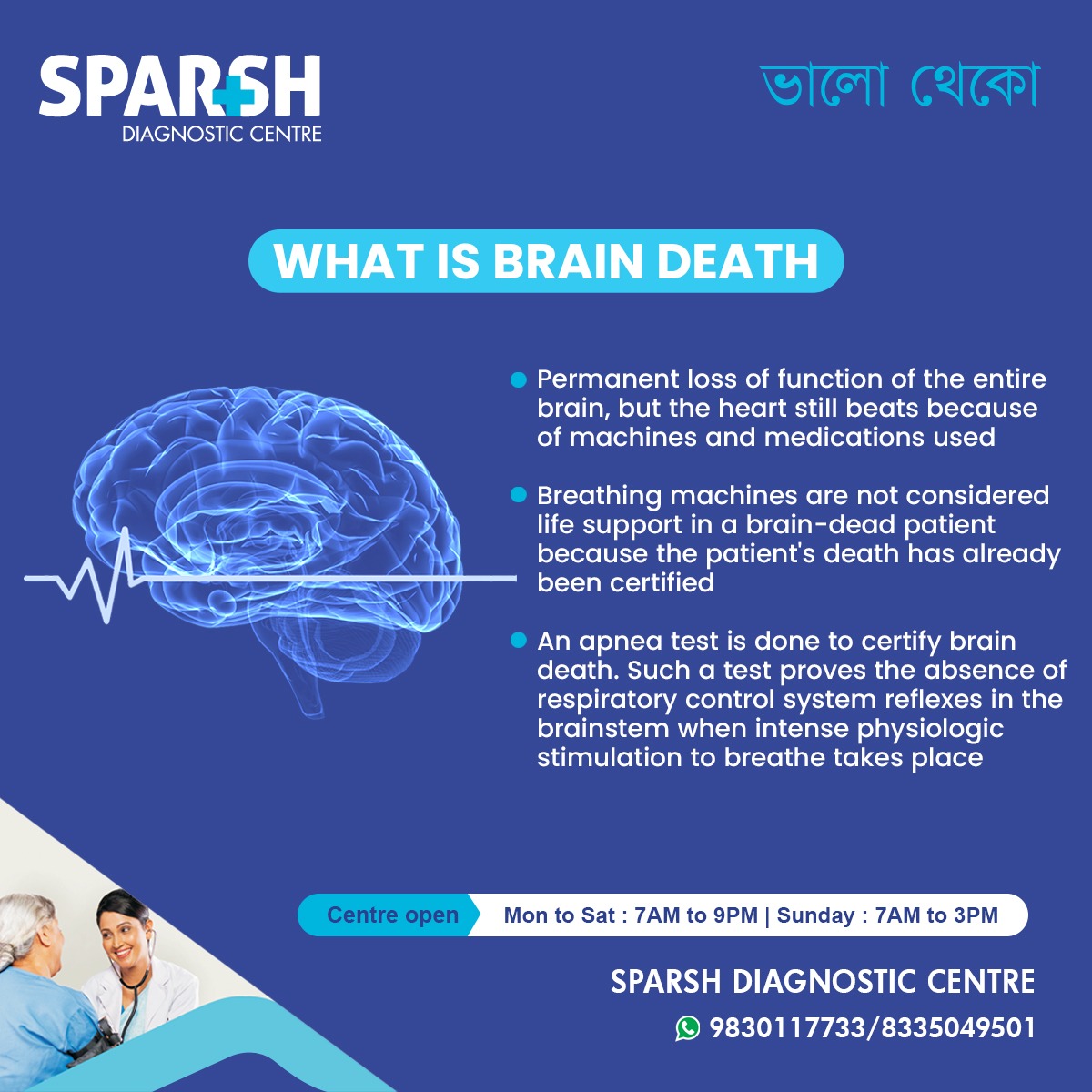
Although the heart may continue to beat temporarily, this occurs only because of ventilators and medications. Once brain death is certified, the person is considered dead by medical and legal standards.
Why can it be confusing
Brain death can appear misleading because:
The body may feel warm
The chest rises and falls due to a ventilator
Blood pressure and heart rate may be present
Reflex movements like spinal twitches can occur
These signs can give a false impression of life. However, they do not indicate brain function. Brain death means the brain has permanently lost the ability to control the body or sustain life.
Common causes of Brain Death
It usually results from severe injury or insult to the brain that cuts off oxygen or causes catastrophic damage.
Major Causes Include:
Severe head injury (road traffic accidents, falls, assaults)
Lack of oxygen to the brain (cardiac arrest, drowning, choking)
Brain hemorrhage due to ruptured aneurysm
Brain swelling (cerebral edema) causing increased intracranial pressure
Severe infections such as meningitis or encephalitis
These conditions cause irreversible destruction of brain tissue, making recovery impossible.
The role of the Brainstem in Brain Death
The brainstem is critical, as it controls:
Breathing
Heart rate regulation
Blood pressure
Gag and cough reflexes
Eye movements and pupil response
In brain death, all brainstem reflexes are absent, confirming that the brain has permanently stopped functioning.
How is Brain Death diagnosed?
It is diagnosed through a strict and well-defined medical protocol, not by a single test or scan alone.
Preconditions Before Testing
Doctors must first ensure:
The cause of brain injury is known and irreversible
Body temperature is normal
Blood pressure is stable
Sedatives, toxins, or metabolic disturbances are ruled out
Only after these conditions are met does brain death testing begin.
Clinical Tests for Brain Death
1. Absence of Consciousness
The patient shows:
No response to pain
No purposeful movement
2. Absence of Brainstem Reflexes
Doctors check for:
Fixed, non-reactive pupils
No blinking when eyes are touched
No eye movement with head turning
No gag or cough reflex
3. Apnea Test
This is a crucial test to confirm brain death.
The ventilator is temporarily disconnected under controlled conditions
Carbon dioxide levels rise, which normally triggers breathing
No breathing effort occurs, proving loss of respiratory control
If the patient does not initiate breathing despite strong stimulus, the test supports the diagnosis of brain death.
Are Brain Scans Required?
In many cases, diagnosis is made clinically. However, additional tests may be used if needed, such as:
Cerebral blood flow studies
These tests may show absence of brain activity or blood flow, further confirming brain death.
Who certifies Brain Death?
It is certified by a panel of qualified doctors following national and hospital protocols. In India, this usually includes:
Treating physician
Neurologist or neurosurgeon
Anaesthetist or intensivist
Medical administrator of the hospital
Certification is done after repeated examinations at specified intervals.
Brain Death vs Coma
Understanding the difference is extremely important.
| Feature | Brain Death | Coma |
|---|---|---|
| Brain function | Completely absent | Reduced but present |
| Breathing | Impossible without ventilator | May be spontaneous |
| Recovery | Not possible | Possible (varies) |
| Legal status | Death | Alive |
Brain Death vs Vegetative State
A vegetative state is not brain death.
Some parts of the brain still function
The patient may breathe independently
Sleep–wake cycles may be present
Recovery, though rare, is possible
In contrast, brain death means all brain activity has permanently stopped.
Is Brain Death reversible?
No. It is permanent and irreversible.
There are no documented cases of recovery once brain death has been correctly diagnosed according to medical standards.
Legal status of Brain Death in India
In India, it is legally recognised under the Transplantation of Human Organs and Tissues Act (THOTA).
It is accepted as legal death
A death certificate can be issued
Life support may be withdrawn once certified
This legal recognition is essential for ethical medical practice and organ donation.
Brain Death and Organ Donation
Persons declared brain dead may become organ donors, provided consent is obtained from the family.
Organs such as:
Kidneys
Liver
Heart
Lungs
Corneas
can potentially save multiple lives.
It is important to note that:
Organ donation is voluntary
Brain death certification is done before any discussion of donation
Donation does not affect the dignity of the patient
Emotional impact on families
Being told a loved one is brain dead can be devastating. Families often experience:
Shock and disbelief
Confusion due to visible heartbeat
Hope for recovery despite medical facts
Healthcare teams play a vital role in offering:
Clear explanations
Emotional support
Time to process the diagnosis
Understanding brain death helps families make informed, compassionate decisions.
Withdrawal of Life Support
Once brain death is certified:
The person is legally dead
Ventilators are no longer considered life support
Machines may be stopped after family discussion
This decision is guided by medical ethics, dignity, and compassion.
Importance of Accurate Diagnosis
A correct and timely diagnosis of brain death:
Prevents unnecessary prolongation of machines
Allows families closure
Enables organ donation if chosen
Ensures ethical medical practice
Diagnostic centres and hospitals follow precise protocols to avoid any error.
Frequently Asked Questions (FAQ)
What is the basic definition of brain death?
It is the permanent and irreversible loss of all brain functions, including the brainstem.
Can a brain-dead person wake up?
No. It is irreversible and there is no possibility of regaining consciousness.
Why does the heart keep beating after brain death?
The heart can beat independently for some time if oxygen is supplied by a ventilator.
Is it the same as being on life support?
No. In brain death, the person has already died. Life support machines do not mean the brain is alive.
How long does it take to confirm?
Confirmation may take several hours, as repeat examinations and tests are required.
Is it painless for the patient?
Yes. A brain-dead person has no awareness, sensation, or perception of pain.
Can a brain-dead person breathe on their own?
No. The loss of brainstem function means spontaneous breathing is impossible.
Is it legally recognised in India?
Yes. Brain death is legally recognised under Indian law.
Can families refuse a brain death diagnosis?
Families may seek explanations or second opinions, but a properly certified diagnosis is final.
Does organ donation cause brain death?
No. It occurs before any discussion of organ donation and is not caused by donation.
Key Takeaway
Brain death is a scientific, medical, and legal reality, not a condition of uncertainty. While it can be emotionally overwhelming, understanding what brain death truly means helps families navigate one of life’s most difficult moments with clarity and dignity.
#BhaloTheko
Disclaimer:
No content on this site, regardless of date, should ever be used as a substitute for direct medical advice from your doctor or other qualified clinician.
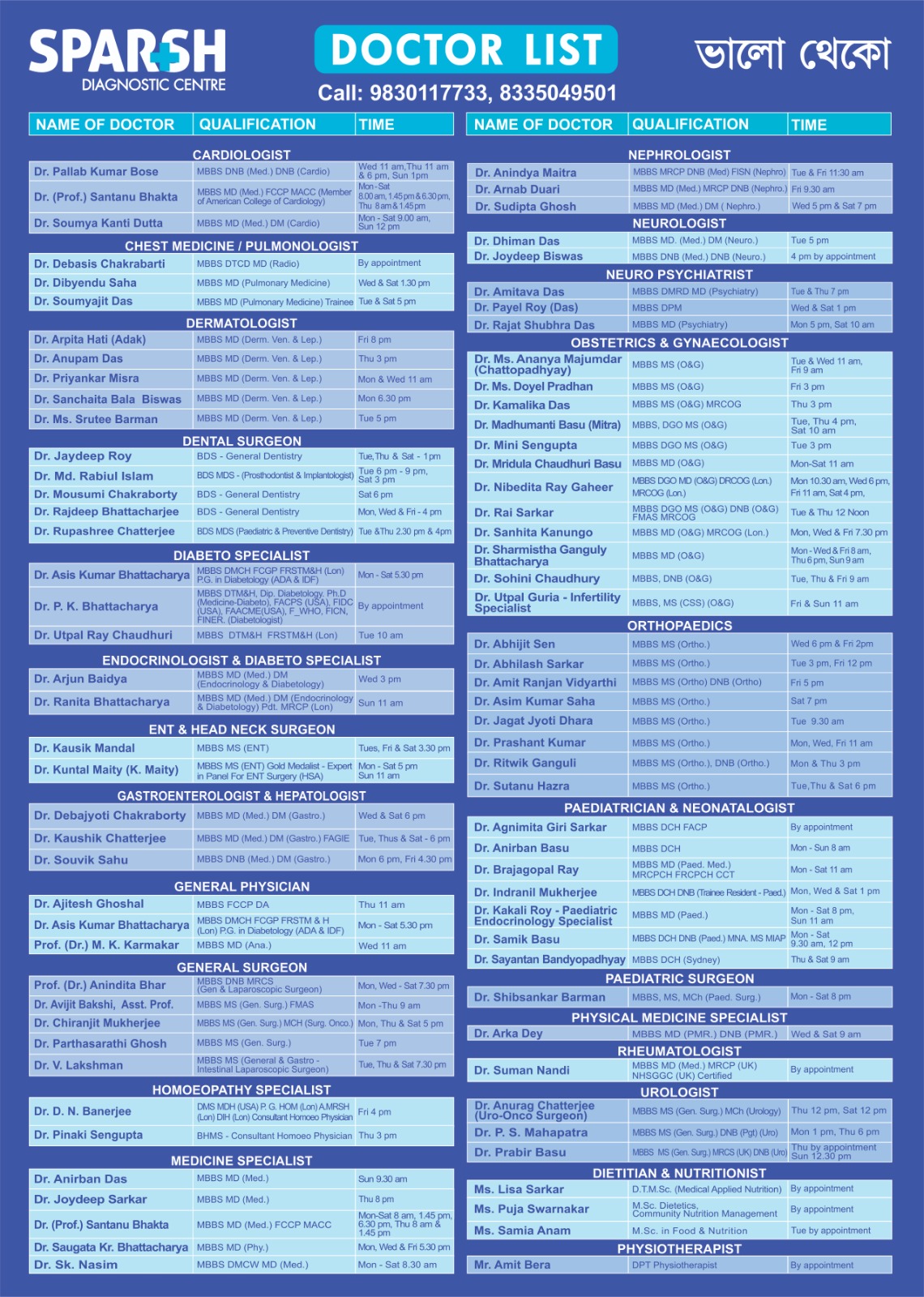
Sparsh Doctor List


