

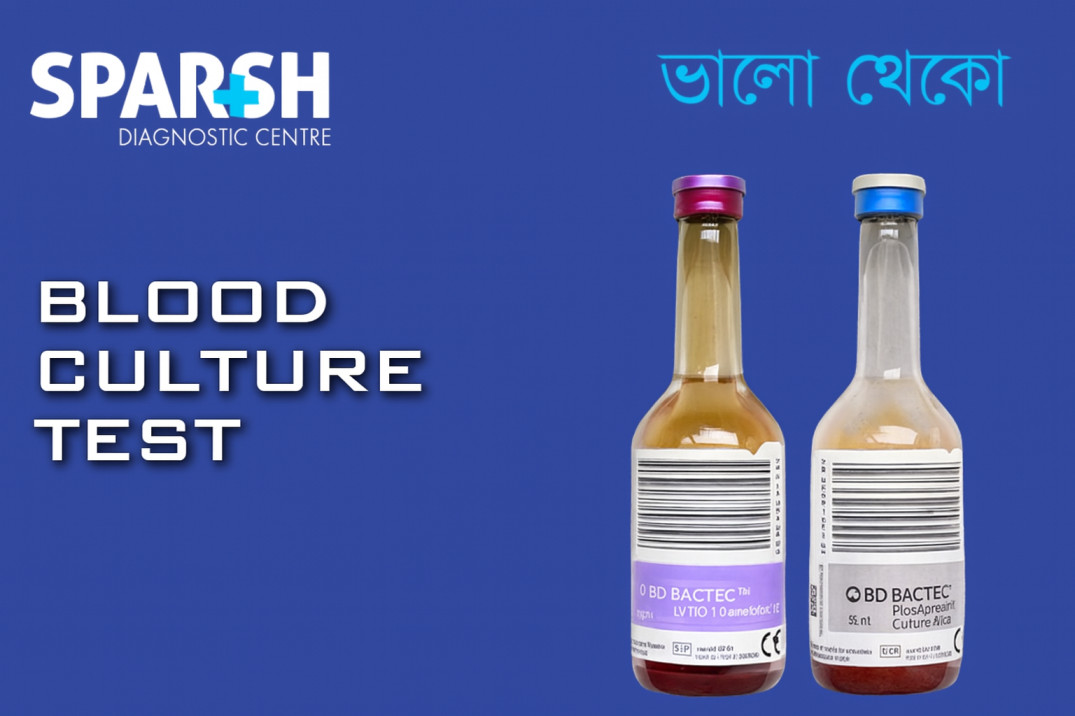
Bloodstream infections are medical emergencies that require rapid diagnosis and targeted treatment. One of the most critical diagnostic tools for detecting these infections is the blood culture test. This test plays a central role in identifying bacteria or fungi circulating in the blood, helping clinicians diagnose conditions such as septicemia, bacteremia, and sepsis.
In this comprehensive guide, we explore what a blood culture test is, why it is done, how it is performed, how to interpret results, and why early testing can be life-saving.
What Is a Blood Culture Test?
A blood culture test is a laboratory investigation used to detect the presence of microorganisms—primarily bacteria or fungi—in the bloodstream. Under normal circumstances, blood is sterile. The presence of microbes indicates a potentially serious infection that may spread rapidly to vital organs.
Blood cultures help:
Confirm bloodstream infections
Identify the specific organism causing infection
Determine appropriate antimicrobial therapy
Monitor response to treatment
Why Is a Blood Culture Test Important?
Bloodstream infections can progress quickly and become fatal if not treated promptly. A blood culture test allows for early diagnosis, guiding clinicians toward precise, organism-specific treatment instead of broad empirical therapy.
Conditions Diagnosed Using Blood Culture Tests
Blood culture testing is commonly used in suspected cases of:
Sepsis and septic shock
Fungemia
Intra-abdominal infections
Unexplained persistent fever
When Is a Blood Culture Test Recommended?
Doctors may order a blood culture test when a patient presents with symptoms suggestive of a systemic infection.
Common Indications
Chills or rigors
Altered mental status
Signs of organ dysfunction
Fever of unknown origin (FUO)
Blood cultures are often drawn before starting antibiotics, as prior antimicrobial therapy can reduce the chance of detecting organisms.
Types of Blood Culture Tests
1. Aerobic Blood Culture
Detects bacteria or fungi that grow in the presence of oxygen.
2. Anaerobic Blood Culture
Identifies organisms that thrive in low or no oxygen environments.
3. Fungal Blood Culture
Used when fungal bloodstream infections (such as Candida) are suspected.
4. Paediatric Blood Culture
Specially designed for infants and children, requiring smaller blood volumes.
How Is a Blood Culture Test Performed?
Sample Collection Process
The skin is cleaned thoroughly with antiseptic to prevent contamination.
Blood is drawn from a vein, usually from the arm.
Samples are collected in special culture bottles containing growth media.
Typically, two or more sets of blood cultures are taken from different sites.
Why Multiple Samples Are Important
Improves detection rates
Helps differentiate true infection from contamination
Identifies intermittent bacteremia
How Much Blood Is Required?
Adults: 20–30 ml per set
Children: Smaller volumes depending on age and weight
Adequate blood volume significantly improves test accuracy.
What Happens to the Sample in the Laboratory?
Once collected, blood culture bottles are:
Placed in automated incubation systems
Monitored continuously for microbial growth
Flagged positive when organisms are detected
If growth occurs, further testing is done:
Gram staining
Organism identification
Antibiotic susceptibility testing (culture sensitivity)
Blood Culture Test Preparation
No special preparation is usually required.
However:
Inform your doctor if you are already on antibiotics
Mention any recent hospitalisation or invasive procedures
Blood Culture Test Results and Interpretation
Negative Result
No microbial growth after 5–7 days
Suggests absence of bloodstream infection
Does not completely rule out infection, especially if antibiotics were started early
Positive Result
Growth of bacteria or fungi detected
Organism identified
Antibiotic sensitivity reported
Common Organisms Detected
Staphylococcus aureus
Escherichia coli
Streptococcus species
Enterococcus
Candida species
Contamination vs True Infection
Sometimes, skin bacteria may contaminate the sample.
Indicators of Contamination
Growth in only one bottle
Organisms commonly found on skin
No clinical signs of infection
Proper sample collection and multiple blood culture sets help reduce false positives.
Blood Culture and Antibiotic Sensitivity Testing
Once the organism is identified, antibiotic susceptibility testing determines which drugs are effective.
Benefits
Enables targeted therapy
Reduces antibiotic resistance
Improves patient outcomes
Shortens hospital stay
Role of Blood Culture Test in Sepsis
Sepsis is a life-threatening condition caused by an abnormal immune response to infection. Blood culture testing is a cornerstone of sepsis evaluation.
Importance in Sepsis Management
Confirms bloodstream infection
Identifies causative pathogen
Guides escalation or de-escalation of antibiotics
Helps monitor treatment response
Early blood culture testing, ideally within the first hour of suspected sepsis, significantly improves survival rates.
Limitations of Blood Culture Tests
While highly valuable, blood culture tests have limitations:
Results take 24–72 hours
Prior antibiotic use may yield false negatives
Low sensitivity for fastidious organisms
Risk of contamination if improper technique is used
Newer molecular tests may complement blood cultures but do not replace them.
Blood Culture Test in Children and Newborns
In neonates and children, bloodstream infections can progress rapidly.
Special Considerations
Smaller blood volumes
Higher contamination risk
Early testing critical in neonatal sepsis
Blood culture remains the gold standard for diagnosing neonatal infections.
How Long Does It Take to Get Results?
Preliminary results: 24–48 hours
Final identification and sensitivity: 3–5 days
Fungal cultures: May take longer
Is the Blood Culture Test Safe?
Yes, it is a safe and routine procedure.
Possible Minor Side Effects
Mild pain or bruising at puncture site
Rare risk of infection or dizziness
These resolve quickly without intervention.
Importance of Choosing a Reliable Diagnostic Laboratory
Accurate blood culture testing depends on:
Strict aseptic collection
Advanced automated culture systems
Skilled microbiology expertise
Timely reporting
A well-equipped diagnostic centre ensures reliable results and faster clinical decisions.
Frequently Asked Questions (FAQs)
1. What does a blood culture test detect?
It detects bacteria or fungi present in the bloodstream that can cause serious infections.
2. Why are two or more blood culture samples taken?
Multiple samples improve accuracy and help distinguish true infection from contamination.
3. Can blood cultures detect viral infections?
No. Blood cultures primarily detect bacterial and fungal infections. Viruses require different tests.
4. Should blood culture be done before antibiotics?
Yes. Blood should ideally be collected before starting antibiotics for accurate results.
5. How long does a blood culture test take?
Initial results may appear within 24–48 hours, while complete reports take up to 5 days.
6. What does a positive blood culture mean?
It indicates the presence of microorganisms in the blood, requiring targeted treatment.
7. Can blood culture results be false?
Yes. False positives can occur due to contamination, and false negatives may occur if antibiotics were started early.
8. Is fasting required for a blood culture test?
No fasting or special preparation is needed.
9. Can blood cultures detect fungal infections?
Yes, fungal organisms such as Candida can be detected using specialized blood culture systems.
10. Is blood culture testing painful?
The test involves a standard blood draw and causes minimal discomfort.
The blood culture test is a cornerstone investigation in modern medicine, particularly for diagnosing serious and life-threatening infections. By identifying the exact cause of bloodstream infections and guiding appropriate antimicrobial therapy, blood cultures save lives and improve patient outcomes.
Early testing, correct sample collection, and reliable laboratory support are essential for maximizing the benefits of this critical diagnostic tool. If symptoms of systemic infection are present, timely blood culture testing should never be delayed.
#BhaloTheko
Disclaimer:
No content on this site, regardless of date, should ever be used as a substitute for direct medical advice from your doctor or other qualified clinician.
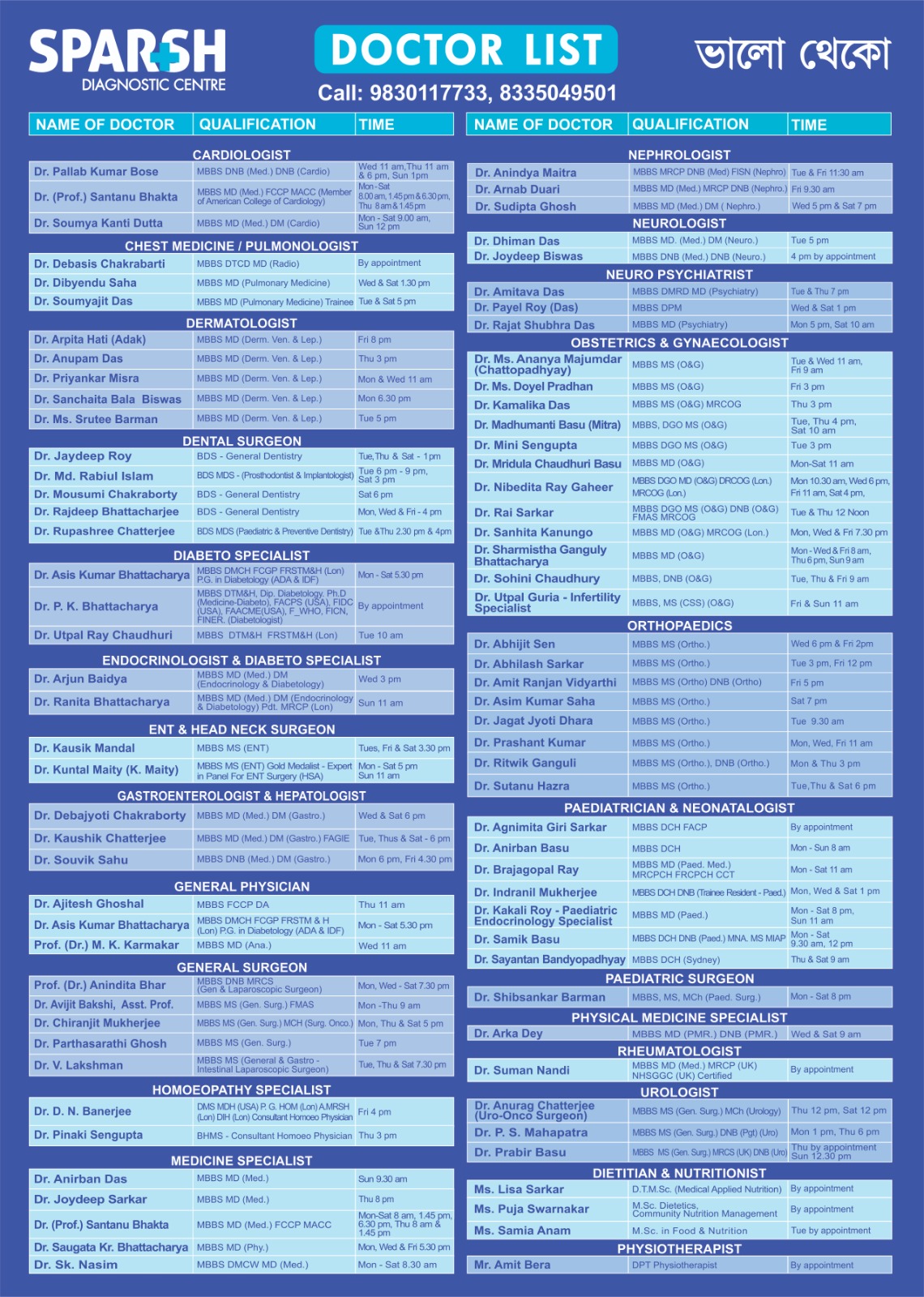
Sparsh Doctor List


[…] Blood cultures (if infection suspected) […]
[…] to rule out bacterial infections, as they require different treatment. This may involve tests like blood cultures or urine tests to identify bacterial […]
[…] Tests: Blood, urine, and sputum cultures can help identify the source of infection by isolating the causative […]
[…] Blood cultures to identify the infectious agent. […]
[…] Blood Cultures: Identify bacteria present in the bloodstream that may be causing the infection. […]
[…] Widal, Typhidot, Blood Culture […]
[…] Blood Cultures […]