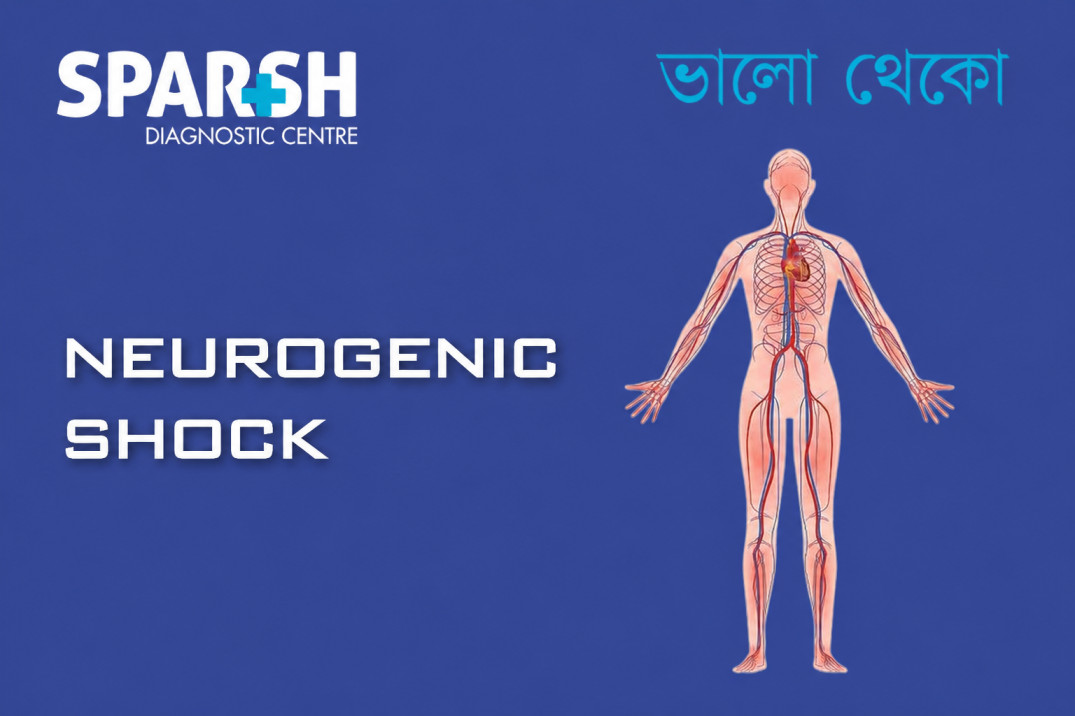
Neurogenic shock is a life-threatening medical emergency that occurs when the nervous system suddenly loses its ability to regulate blood vessel tone and blood pressure. It most commonly happens after a severe spinal cord injury, especially injuries involving the neck or upper spine. Without rapid treatment, neurogenic shock can lead to organ damage, respiratory failure, and even death.
Although the condition is rare compared to other forms of shock, it requires immediate recognition and urgent medical care. Understanding the symptoms, causes, and treatment options can help improve survival and recovery outcomes.
In this guide, we’ll explain neurogenic shock in simple terms, including how it differs from other types of shock, what warning signs to watch for, and how doctors manage the condition in emergency settings.
What Is Neurogenic Shock?
Neurogenic shock is a type of distributive shock caused by disruption of the autonomic nervous system. The autonomic nervous system controls involuntary functions such as heart rate, blood pressure, and blood vessel constriction.
When the spinal cord or nervous system is damaged, the body loses sympathetic nervous system control. As a result:
- Blood vessels suddenly widen
- Blood pressure drops dramatically
- Heart rate slows down
- Blood circulation becomes inadequate
This reduced blood flow prevents oxygen and nutrients from reaching vital organs efficiently.
Neurogenic shock is most often associated with traumatic spinal cord injuries, especially injuries above the T6 vertebral level.
How does Neurogenic Shock happen
Under normal conditions, the sympathetic nervous system helps maintain blood pressure by tightening blood vessels and increasing heart rate when necessary.
In neurogenic shock:
- The nervous system loses sympathetic signals
- Blood vessels relax and dilate
- Blood pools in the extremities
- Blood pressure falls sharply
- The heart may beat more slowly than normal
This combination of low blood pressure and bradycardia (slow heart rate) is one of the hallmark features of neurogenic shock.
Causes of Neurogenic Shock
Several conditions can interfere with the nervous system and trigger neurogenic shock.
Spinal Cord Injury
This is the most common cause. Traumatic injuries from accidents can damage the spinal cord and interrupt nerve signaling.
Common causes include:
- Car accidents
- Falls
- Sports injuries
- Diving accidents
- Violence or gunshot wounds
Severe Head or Brain Injury
Traumatic brain injuries can occasionally disrupt autonomic control mechanisms.
Spinal Anesthesia Complications
Rarely, anesthesia affecting the spinal cord can cause temporary loss of sympathetic tone.
Neurological Disorders
Certain neurological diseases may contribute to autonomic dysfunction, including:
Surgical Trauma
Operations involving the brain or spine may sometimes trigger neurogenic shock.
Symptoms of Neurogenic Shock
Symptoms can appear rapidly and may worsen within minutes.
Low Blood Pressure
A sudden drop in blood pressure is one of the earliest and most dangerous signs.
Symptoms may include:
- Dizziness
- Weakness
- Confusion
- Fainting
Slow Heart Rate
Unlike many other forms of shock that cause a rapid pulse, neurogenic shock often causes bradycardia.
Warm, Dry Skin
Because blood vessels dilate, the skin may feel warm and dry instead of cold and clammy.
Breathing Difficulties
High spinal cord injuries can affect breathing muscles, causing:
- Shortness of breath
- Shallow breathing
- Respiratory distress
Loss of Sensation or Movement
If spinal cord injury is present, symptoms may include:
Altered Mental State
Reduced blood flow to the brain may lead to:
- Anxiety
- Restlessness
- Confusion
- Reduced alertness
Neurogenic Shock vs Spinal Shock
These two conditions are often confused, but they are different.
| Feature | Neurogenic Shock | Spinal Shock |
|---|---|---|
| Main issue | Loss of sympathetic tone | Temporary loss of spinal reflexes |
| Blood pressure | Very low | Usually normal |
| Heart rate | Slow | Variable |
| Cause | Autonomic disruption | Spinal cord injury |
| Emergency risk | High | Depends on severity |
A patient may experience both conditions at the same time after spinal trauma.
Why is Neurogenic Shock dangerous
Without enough blood flow, organs begin to malfunction.
Complications may include:
The longer blood pressure remains low, the higher the risk of permanent damage.
Diagnosis of Neurogenic Shock
Doctors diagnose neurogenic shock based on symptoms, medical history, physical examination, and imaging studies.
Physical Examination
Healthcare providers check:
- Blood pressure
- Heart rate
- Neurological function
- Reflexes
- Muscle strength
Imaging Tests
Imaging helps identify spinal or brain injuries.
Common tests include:
Blood Tests
Blood tests may help rule out other causes of shock, such as bleeding or infection.
Monitoring
Patients are often monitored continuously in an intensive care unit (ICU).
Emergency Treatment for Neurogenic Shock
Neurogenic shock is a medical emergency that requires immediate treatment.
Stabilizing the Spine
If spinal injury is suspected, doctors first immobilize the spine to prevent further damage.
Oxygen Therapy
Patients may receive oxygen or mechanical ventilation if breathing is impaired.
Intravenous Fluids
Fluids help increase blood volume and improve circulation.
However, fluids alone are usually not enough because the blood vessels remain dilated.
Vasopressor Medications
Doctors often use medications to raise blood pressure by tightening blood vessels.
Common vasopressors include:
- Norepinephrine
- Phenylephrine
- Dopamine
Medications for Slow Heart Rate
Atropine may be used to increase heart rate if bradycardia becomes severe.
Surgery
Emergency surgery may be necessary to stabilize spinal fractures or relieve pressure on the spinal cord.
Intensive Care and Monitoring
Patients with neurogenic shock usually require ICU care.
Doctors monitor:
- Blood pressure
- Heart rhythm
- Oxygen levels
- Urine output
- Neurological status
Maintaining adequate blood pressure is essential to protect the spinal cord and vital organs.
Recovery From Neurogenic Shock
Recovery depends on:
- Severity of spinal cord injury
- Speed of treatment
- Overall health
- Presence of complications
Some patients recover fully, while others may experience permanent neurological impairment.
Rehabilitation
Long-term rehabilitation often includes:
- Physical therapy
- Occupational therapy
- Respiratory therapy
- Mobility training
Rehabilitation helps patients regain strength, function, and independence.
Long-Term Complications
Even after stabilization, some people may face ongoing challenges.
Possible complications include:
Chronic Low Blood Pressure
Autonomic dysfunction may persist.
Mobility Problems
Spinal cord injuries can lead to partial or complete paralysis.
Breathing Issues
High spinal injuries may affect respiratory muscles permanently.
Pressure Sores
Limited mobility increases the risk of skin breakdown.
Blood Clots
Reduced movement raises the risk of deep vein thrombosis (DVT).
Preventing Neurogenic Shock
Not all cases can be prevented, but reducing spinal injury risk can help.
Safety Measures
- Wear seat belts
- Use helmets during sports
- Avoid distracted driving
- Follow workplace safety rules
- Practice safe diving
Prompt Medical Care
Immediate treatment after spinal trauma improves outcomes significantly.
Neurogenic Shock in Trauma Care
Emergency teams are trained to identify neurogenic shock quickly after accidents involving spinal trauma.
A trauma patient with:
- Low blood pressure
- Slow heart rate
- Warm skin
- Neurological deficits
may raise immediate suspicion for neurogenic shock.
Rapid recognition allows faster intervention and better chances of survival.
Prognosis of Neurogenic Shock
The prognosis varies widely.
Patients with mild spinal injuries may recover well with timely treatment. Severe spinal cord injuries can result in long-term disability.
Factors influencing prognosis include:
- Level of spinal cord injury
- Duration of low blood pressure
- Age and general health
- Speed of emergency treatment
Early intervention remains one of the most important predictors of survival and recovery.
Living After Neurogenic Shock
Life after neurogenic shock can involve major adjustments, especially if spinal cord injury causes lasting disability.
Support systems often include:
- Rehabilitation specialists
- Neurologists
- Physical therapists
- Mental health professionals
- Family caregivers
Many patients benefit from ongoing therapy, assistive devices, and emotional support during recovery.
When to Seek Emergency Help
Call emergency services immediately if someone experiences:
- Severe trauma to the neck or back
- Sudden weakness or paralysis
- Difficulty breathing
- Loss of consciousness
- Extremely low blood pressure symptoms
- Slow pulse after injury
Quick treatment can save lives and reduce long-term complications.
Frequently Asked Questions (FAQs)
What is neurogenic shock?
Neurogenic shock is a serious condition caused by damage to the nervous system, usually after spinal cord injury. It leads to dangerously low blood pressure and slow heart rate.
Is neurogenic shock fatal?
It can be fatal if not treated quickly. Early medical care greatly improves survival chances.
What causes neurogenic shock?
The most common cause is traumatic spinal cord injury, especially injuries affecting the upper spine.
How is neurogenic shock different from hypovolemic shock?
Hypovolemic shock occurs due to blood loss, while neurogenic shock happens because the nervous system loses control of blood vessel tone.
Why does heart rate slow down in neurogenic shock?
Loss of sympathetic nervous system activity allows the parasympathetic system to dominate, leading to bradycardia.
Can neurogenic shock be reversed?
In many cases, blood pressure and circulation can be stabilized with treatment. However, recovery depends on the severity of nerve or spinal cord damage.
How long does neurogenic shock last?
It may last for hours to several weeks depending on the extent of injury and treatment response.
What medications treat neurogenic shock?
Doctors commonly use vasopressors such as norepinephrine and medications like atropine to manage low blood pressure and slow heart rate.
Is neurogenic shock the same as spinal shock?
No. Neurogenic shock affects blood pressure and circulation, while spinal shock refers to temporary loss of reflexes after spinal cord injury.
Can people recover fully from neurogenic shock?
Some patients recover completely, especially with rapid treatment and mild injuries. Others may have long-term neurological complications.
To consult a Doctor at Sparsh Diagnostic Centre, call our helpline numbers 9830117733/ 8335049501.
#BhaloTheko
Disclaimer:
No content on this site, regardless of date, should ever be used as a substitute for direct medical advice from your doctor or other qualified clinician.