Chorea is a neurological movement disorder that causes sudden, irregular, and involuntary body movements. These movements may appear dance-like, jerky, or unpredictable and can affect the arms, legs, face, and even the tongue. While the condition itself is not always life-threatening, it can significantly impact daily activities, communication, and quality of life.
People with chorea often struggle with tasks that require coordination, such as walking, eating, writing, or speaking. The severity may range from mild occasional twitching to continuous movements that interfere with normal functioning.
Understanding the causes, symptoms, and available treatments is essential for early diagnosis and better management. In this guide, we’ll explore everything you need to know about chorea, including its types, risk factors, diagnosis, treatment options, and frequently asked questions.
What Is Chorea?
It is a movement disorder characterized by brief, sudden, involuntary movements that flow from one body part to another. The term “chorea” comes from the Greek word meaning “dance,” which describes the unpredictable nature of the movements.
These involuntary movements may affect:
- Hands and fingers
- Arms and legs
- Face and tongue
- Neck and shoulders
- Trunk
The movements often worsen with stress, anxiety, or voluntary activity and may disappear during sleep.
Chorea itself is not a disease but rather a symptom of an underlying neurological or medical condition.
Types of Chorea
Several forms exist, depending on the underlying cause.
Huntington’s
This is the most well-known form and occurs in people with Huntington’s disease, a hereditary neurodegenerative disorder. Symptoms usually appear between ages 30 and 50 and gradually worsen over time.
Sydenham
Sydenham chorea is most commonly seen in children after a streptococcal infection, such as rheumatic fever. It may develop weeks or months after the infection.
Drug-Induced
Certain medications can trigger chorea, including:
- Antipsychotic drugs
- Levodopa
- Anticonvulsants
- Oral contraceptives
Pregnancy-Related
Known as chorea gravidarum, this rare condition occurs during pregnancy, usually in women with a history of rheumatic fever.
Metabolic or Autoimmune
Conditions such as lupus, thyroid disorders, diabetes, or electrolyte imbalances may lead to chorea.
Vascular
Stroke or reduced blood flow to parts of the brain involved in movement control can trigger sudden chorea.
Causes of Chorea
It develops when there is dysfunction in the basal ganglia, the part of the brain responsible for controlling movement.
Common causes include:
Genetic Disorders
Infections
Autoimmune Conditions
- Systemic lupus erythematosus (SLE)
- Antiphospholipid syndrome
Medications
Some drugs alter dopamine activity in the brain and may cause involuntary movements.
Stroke or Brain Injury
Damage to the basal ganglia due to stroke or trauma can lead to chorea.
Metabolic Disorders
Pregnancy
Hormonal changes during pregnancy may trigger chorea in susceptible individuals.
Symptoms of Chorea
The hallmark symptom is involuntary, unpredictable movement. However, symptoms may vary depending on the underlying condition.
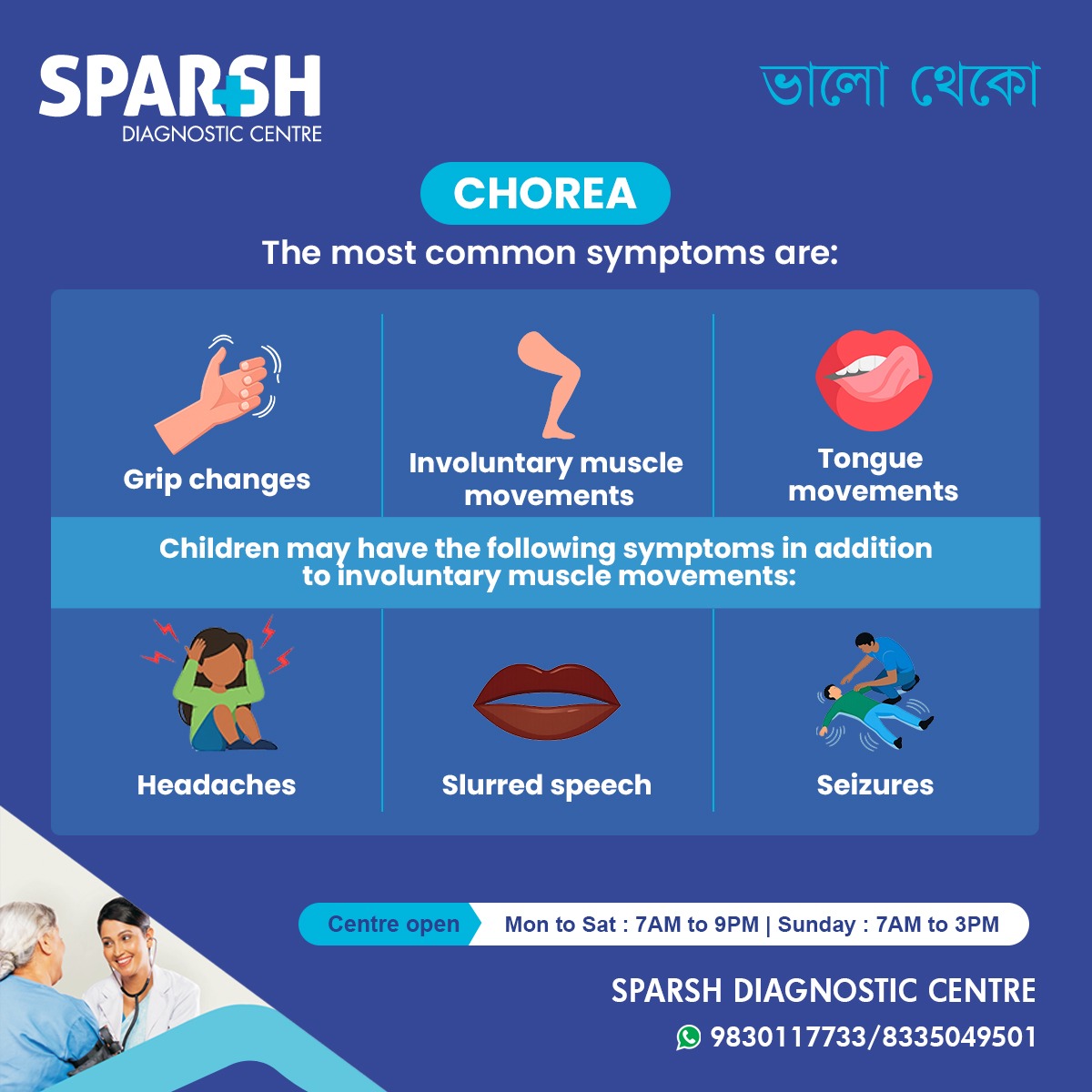
Common Symptoms
- Sudden jerky movements
- Uncontrolled hand or leg motions
- Facial grimacing
- Tongue movements
- Difficulty gripping objects
- Slurred speech
- Poor coordination
- Trouble walking
- Muscle weakness
Children with chorea may also experience:
Symptoms may start subtly and gradually become more noticeable.
Early Signs of Chorea
Recognizing early symptoms can help with timely medical intervention.
Some early warning signs include:
- Fidgety movements
- Frequent dropping of objects
- Restlessness
- Difficulty maintaining posture
- Unusual facial expressions
- Changes in handwriting
- Speech problems
In Huntington’s disease, mood changes and cognitive decline may appear before physical symptoms.
How does it affect Patient’s daily life
Living with chorea can be physically and emotionally challenging. Even mild involuntary movements may interfere with daily activities.
People may struggle with:
- Eating and drinking
- Dressing independently
- Writing or typing
- Walking safely
- Social interactions
- Sleeping comfortably
The condition can also affect mental health, leading to anxiety, frustration, embarrassment, or depression.
Support from healthcare providers, family, and rehabilitation specialists plays a major role in improving quality of life.
Risk Factors for Chorea
Several factors increase the likelihood of developing the condition.
Family History
A family history of Huntington’s disease or other genetic conditions significantly raises risk.
Recent Infection
Children who recently had streptococcal infections may develop Sydenham chorea.
Autoimmune Disease
People with lupus or autoimmune disorders are more vulnerable.
Medication Use
Long-term use of certain neurological medications can trigger abnormal movements.
Pregnancy
Hormonal changes may contribute to chorea during pregnancy.
Older Age
Stroke-related chorea is more common in older adults.
Diagnosis of Chorea
Diagnosis involves identifying the underlying cause.
Medical History
Doctors will ask about:
- Family history
- Medication use
- Recent infections
- Pregnancy
- Neurological symptoms
Physical and Neurological Examination
The doctor evaluates:
- Muscle tone
- Coordination
- Reflexes
- Balance
- Movement patterns
Blood Tests
Blood tests may check for:
- Infection
- Thyroid disorders
- Autoimmune disease
- Liver function
- Genetic markers
Brain Imaging
MRI or CT scans help identify structural abnormalities, stroke, or brain damage.
Genetic Testing
Genetic testing confirms Huntington’s disease and some inherited disorders.
Treatment for Chorea
Treatment depends on the cause, severity, and overall health of the patient.
Medications
Doctors may prescribe:
Dopamine-Depleting Drugs
These help reduce involuntary movements.
Examples include:
- Tetrabenazine
- Deutetrabenazine
Antipsychotic Medications
These can help control movement abnormalities.
Examples:
- Risperidone
- Olanzapine
- Haloperidol
Anti-Seizure Drugs
Some anticonvulsants help reduce excessive movements.
Treating the Underlying Cause
- Antibiotics for infections
- Immunotherapy for autoimmune disorders
- Correcting metabolic imbalances
- Adjusting medications causing symptoms
Physical Therapy
Physical therapy improves:
- Balance
- Mobility
- Muscle control
- Coordination
Occupational Therapy
Occupational therapists help patients adapt daily activities and maintain independence.
Speech Therapy
Speech therapy can help with swallowing difficulties and slurred speech.
Lifestyle Tips for Managing Chorea
Although chorea may not always be curable, lifestyle changes can improve symptom control and safety.
Reduce Stress
Stress often worsens involuntary movements. Relaxation techniques such as meditation and breathing exercises may help.
Maintain a Safe Environment
To reduce injury risk:
- Remove tripping hazards
- Use handrails
- Wear supportive footwear
Eat Nutritious Foods
Balanced nutrition supports overall neurological health.
Stay Physically Active
Gentle exercise improves flexibility and coordination.
Get Emotional Support
Counseling and support groups can help patients and caregivers cope emotionally.
Chorea in Children
Children can develop chorea due to infections, autoimmune disorders, or genetic conditions.
Symptoms in Children
- Clumsiness
- Sudden jerky movements
- Emotional changes
- Difficulty concentrating
- Speech problems
Sydenham Chorea
This is one of the most common causes in children and is linked to rheumatic fever.
Most children recover with treatment, although symptoms may last for several months.
Chorea During Pregnancy
Chorea gravidarum is rare but can occur during pregnancy.
Possible Causes
- Hormonal changes
- Rheumatic fever history
- Autoimmune conditions
Symptoms often improve after delivery, though medical monitoring is essential to protect both mother and baby.
Complications of Chorea
If left untreated, chorea may lead to:
- Falls and injuries
- Difficulty swallowing
- Malnutrition
- Communication problems
- Emotional distress
- Social isolation
In progressive conditions like Huntington’s disease, symptoms may worsen over time and eventually affect cognitive abilities.
Can Chorea Be Prevented?
Not all forms of chorea are preventable, especially inherited conditions. However, certain measures may reduce risk.
Prevention Tips
- Treat streptococcal infections promptly
- Manage autoimmune diseases effectively
- Monitor medication side effects
- Control chronic conditions like diabetes and thyroid disorders
Early diagnosis often leads to better symptom management.
When to See a Doctor
Seek medical attention if you notice:
- Sudden involuntary movements
- Slurred speech
- Balance problems
- Unexplained muscle jerks
- Behavioral or personality changes
Emergency care is necessary if symptoms appear suddenly after a stroke or head injury.
Living With Chorea
Living with chorea requires ongoing medical care and emotional support. Many individuals benefit from a multidisciplinary care approach involving:
- Neurologists
- Physical therapists
- Occupational therapists
- Speech therapists
- Mental health professionals
With appropriate treatment and support, many people can maintain independence and improve their quality of life.
Frequently Asked Questions (FAQ)
Is chorea a disease or a symptom?
Chorea is generally considered a symptom rather than a disease itself. It usually occurs due to an underlying neurological, autoimmune, metabolic, or genetic condition.
What does chorea movement look like?
Chorea movements are sudden, irregular, jerky, and unpredictable. They may appear dance-like and can affect different parts of the body.
Is chorea the same as Huntington’s disease?
No. Huntington’s disease is one cause of chorea, but chorea can also occur due to infections, medications, autoimmune diseases, and strokes.
Can chorea go away on its own?
Some forms, such as Sydenham chorea or pregnancy-related chorea, may improve over time. Others, especially genetic causes, may be chronic and progressive.
Is chorea painful?
The movements themselves are not usually painful, but muscle fatigue, falls, or strain from constant movement can cause discomfort.
Can stress worsen chorea?
Yes. Stress and anxiety often make involuntary movements more noticeable or severe.
How is chorea diagnosed?
Diagnosis involves neurological examination, medical history, blood tests, brain imaging, and sometimes genetic testing.
What doctor treats chorea?
A neurologist typically diagnoses and manages chorea.
Is chorea hereditary?
Some forms, such as Huntington’s disease, are hereditary. Other types are caused by infections, medications, or autoimmune conditions.
Can children develop chorea?
Yes. Children may develop chorea due to conditions like Sydenham chorea, autoimmune disorders, or rare genetic diseases.
Chorea is a complex neurological movement disorder that can affect people of all ages. Its involuntary, unpredictable movements may interfere with everyday life, but understanding the underlying cause is the key to effective treatment.
From genetic disorders like Huntington’s disease to temporary conditions linked to infections or pregnancy, chorea can present in many different ways. Early diagnosis, appropriate medical care, rehabilitation therapies, and emotional support can make a significant difference in symptom management and quality of life.
If you or a loved one experiences unexplained involuntary movements, consulting a healthcare professional promptly is essential for accurate diagnosis and timely treatment.
To consult a Doctor at Sparsh Diagnostic Centre, call our helpline numbers 9830117733/ 8335049501.
#BhaloTheko
Disclaimer:
No content on this site, regardless of date, should ever be used as a substitute for direct medical advice from your doctor or other qualified clinician.