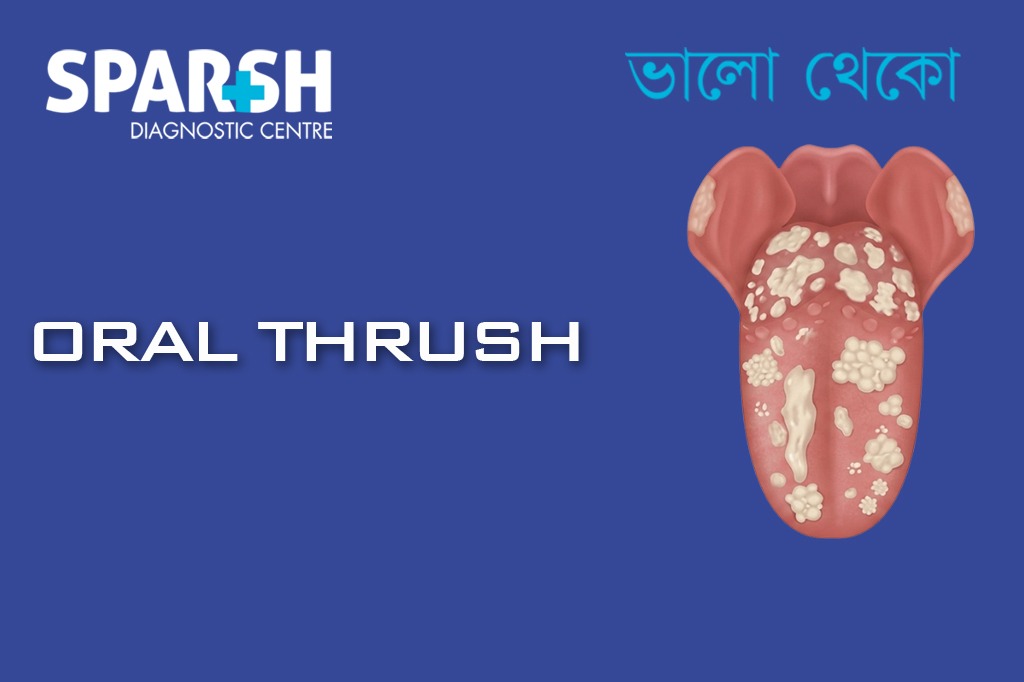
Oral thrush is one of those conditions that often looks more alarming than it initially feels—but ignoring it can make things worse. If you’ve ever noticed creamy white patches on your tongue or inner cheeks that don’t wipe away easily, you might be dealing with oral thrush. Medically known as Oral Candidiasis, it’s a common fungal infection caused by an overgrowth of Candida albicans—a yeast that naturally lives in your mouth.
Under normal conditions, your body keeps this fungus in check. But when the balance is disrupted, it can multiply and lead to infection. The good news? Oral thrush is treatable, and with the right care, it’s often preventable.
Let’s walk through everything you need to know—from symptoms and causes to treatment and practical prevention tips.
What Is Oral Thrush?
Oral thrush is a fungal infection that affects the mouth, tongue, inner cheeks, gums, and sometimes the throat. It appears as white or cream-colored lesions that resemble cottage cheese. These patches may be slightly raised and can cause discomfort or even pain.
While it can affect anyone, it’s more common in infants, older adults, and people with weakened immune systems.
What Causes Oral Thrush?
At the root of oral thrush is an imbalance. The mouth naturally contains a mix of bacteria and fungi, but when this balance shifts, Candida can grow out of control.
Here are the most common triggers:
1. Weakened Immune System
Conditions like HIV/AIDS, cancer, or treatments like chemotherapy can reduce your body’s ability to fight infections, making oral thrush more likely.
2. Antibiotic Use
Antibiotics don’t just kill harmful bacteria—they can also wipe out the good bacteria that keep yeast in check. This creates the perfect environment for Candida to grow.
3. Diabetes
Uncontrolled blood sugar levels can encourage fungal growth, especially in saliva.
4. Dentures
Poorly fitted or unclean dentures can trap moisture and create a breeding ground for fungi.
5. Dry Mouth (Xerostomia)
Saliva plays a key role in controlling microbes. A lack of saliva can allow yeast to multiply.
6. Inhaled Corticosteroids
Commonly used for asthma, these medications can increase the risk—especially if you don’t rinse your mouth after use.
Symptoms of Oral Thrush
Oral thrush symptoms can range from mild to more uncomfortable, depending on how far the infection has progressed.
Common signs include:
- White or cream-colored patches on the tongue, cheeks, gums, or tonsils
- Redness or soreness in the mouth
- Difficulty swallowing
- Cracking at the corners of the mouth (angular cheilitis)
- Loss of taste or a cotton-like feeling in the mouth
- Bleeding when lesions are scraped
In infants:
- White patches in the mouth
- Fussiness during feeding
- Diaper rash (often linked to yeast infections)
In adults:
Symptoms can sometimes go unnoticed in early stages, especially if mild.
Who Is Most at Risk?
While anyone can develop oral thrush, certain groups are more vulnerable:
- Babies and elderly individuals
- People with weakened immune systems
- Diabetics
- Smokers
- Denture users
- Individuals undergoing chemotherapy or radiation
- People taking long-term antibiotics or steroids
Recognizing your risk factors can help you catch symptoms early.
How Is Oral Thrush Diagnosed?
Diagnosis is usually straightforward. A doctor or dentist will examine your mouth and look for characteristic lesions.
In some cases, they may:
- Gently scrape a lesion for lab testing
- Perform a throat swab if the infection has spread
- Check for underlying conditions like diabetes or immune disorders
If thrush keeps recurring, identifying the root cause becomes essential.
Treatment Options for Oral Thrush
The goal of treatment is to restore balance and eliminate the fungal overgrowth.
1. Antifungal Medications
These are the most common treatments and may come in different forms:
- Mouth rinses
- Lozenges
- Tablets
Common medications include nystatin and fluconazole.
2. Good Oral Hygiene
Brushing twice daily, flossing, and cleaning dentures properly can speed up recovery.
3. Probiotics
Restoring healthy bacteria in your mouth and gut can help control yeast growth.
4. Managing Underlying Conditions
If diabetes or immune issues are contributing, addressing them is crucial for long-term control.
Home Remedies: Do They Work?
While medical treatment is often necessary, some home remedies may support recovery:
- Saltwater rinse: Helps soothe irritation
- Yogurt with live cultures: May restore healthy bacteria
- Coconut oil pulling: Has mild antifungal properties
- Baking soda rinse: Creates an environment less favorable for yeast
These shouldn’t replace prescribed treatments but can complement them.
Can Oral Thrush Spread?
Yes, oral thrush can spread, especially in vulnerable individuals.
- Babies can pass it to mothers during breastfeeding
- It can spread to the esophagus in severe cases
- Sharing utensils or poor hygiene can increase risk
That said, it’s not highly contagious among healthy adults.
Complications to Watch For
If left untreated, oral thrush can lead to:
- Difficulty eating or swallowing
- Spread to the esophagus (esophageal candidiasis)
- Systemic infection in severely immunocompromised individuals
Early treatment usually prevents complications.
Prevention: Simple Steps That Make a Big Difference
Preventing oral thrush often comes down to maintaining balance and good hygiene.
Daily habits to adopt:
- Brush and floss regularly
- Rinse your mouth after using inhalers
- Limit sugar intake
- Stay hydrated
- Avoid smoking
For denture users:
- Clean dentures thoroughly
- Remove them at night
- Ensure proper fitting
For infants:
- Sterilize bottles and pacifiers
- Maintain proper oral hygiene
Diet and Oral Thrush
What you eat can influence fungal growth.
Foods to limit:
- Sugar and refined carbs
- Alcohol
- Yeast-rich foods
Foods to include:
- Probiotic-rich foods (yogurt, kefir)
- Garlic (natural antifungal)
- Leafy greens
- Lean proteins
A balanced diet supports your immune system and helps prevent recurrence.
When Should You See a Doctor?
You should seek medical advice if:
- Symptoms persist beyond a week
- Pain interferes with eating or drinking
- You experience recurring infections
- You have underlying health conditions
Early intervention makes treatment simpler and more effective.
Oral Thrush in Special Populations
Infants
Common and usually mild, but should still be treated to prevent feeding issues.
Elderly
Often linked to dentures or dry mouth; requires careful oral hygiene.
Immunocompromised Individuals
Needs prompt medical attention due to higher risk of complications.
Final Thoughts
Oral thrush might seem like a minor nuisance at first, but it’s your body’s way of signaling an imbalance. Whether it’s due to medication, illness, or lifestyle factors, understanding the root cause is key to effective treatment and prevention.
With proper care, good hygiene, and timely treatment, oral thrush is manageable—and often preventable. Paying attention to early symptoms can save you from unnecessary discomfort and complications down the line.
Frequently Asked Questions (FAQs)
1. Is oral thrush contagious?
Not usually among healthy adults, but it can spread in infants or people with weakened immunity.
2. How long does oral thrush last?
With treatment, it typically clears within 7–14 days.
3. Can oral thrush go away on its own?
Mild cases might improve, but treatment is recommended to prevent worsening.
4. What does oral thrush feel like?
It may cause a cotton-like sensation, soreness, or difficulty swallowing.
5. Can stress cause oral thrush?
Indirectly, yes. Stress can weaken the immune system, increasing susceptibility.
6. Is oral thrush a sign of a serious condition?
Sometimes. Recurrent cases may indicate diabetes or immune issues.
7. Can I eat normally with oral thrush?
Soft, non-irritating foods are recommended. Avoid spicy or acidic items.
8. Does brushing remove oral thrush?
No. Brushing helps hygiene but won’t eliminate the fungal infection.
9. Are there natural cures for oral thrush?
Some remedies help, but antifungal medication is usually needed.
10. Can children get oral thrush?
Yes, especially infants. It’s quite common and treatable.
To consult a Doctor at Sparsh Diagnostic Centre, call our helpline numbers 9830117733/ 8335049501.
#BhaloTheko
Disclaimer:
No content on this site, regardless of date, should ever be used as a substitute for direct medical advice from your doctor or other qualified clinician.