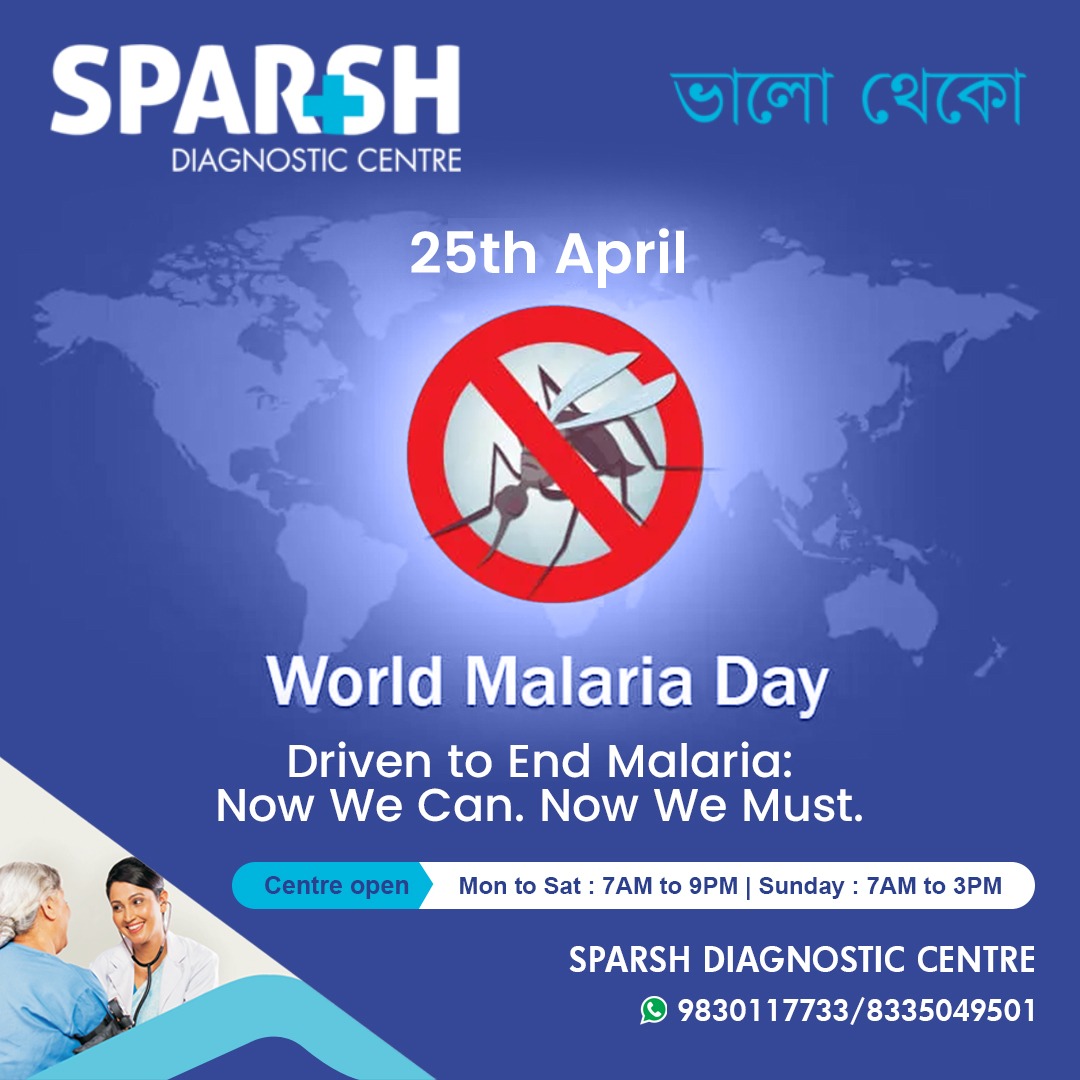
Every year on April 25, the world comes together to observe World Malaria Day—a day dedicated to raising awareness about one of humanity’s oldest and deadliest diseases. While malaria may seem like a distant concern for some, it continues to affect millions of people worldwide, especially in tropical and subtropical regions.
In 2026, the message is more urgent and hopeful than ever. The official theme—“Driven to End Malaria: Now We Can. Now We Must.”—captures a turning point. It reflects both the progress we’ve made and the responsibility we now carry to finish the job.
This isn’t just another awareness slogan. It’s a call to action grounded in science, innovation, and global commitment.
What Is World Malaria Day?
World Malaria Day was established by the World Health Organization (WHO) in 2007, evolving from Africa Malaria Day into a global movement.
The purpose of the day goes beyond awareness. It aims to:
- Highlight the ongoing burden of malaria
- Celebrate progress in prevention and treatment
- Mobilize funding and partnerships
- Encourage community-level action
The 2026 theme—“Driven to End Malaria: Now We Can. Now We Must.”—emphasizes that we are no longer limited by tools or knowledge. The challenge now lies in scaling solutions and ensuring equitable access.
Understanding Malaria: The Basics
Malaria is a life-threatening disease caused by parasites from the genus Plasmodium. These parasites are transmitted through the bites of infected female Anopheles mosquito.
Common Types of Malaria Parasites
There are several species of Plasmodium that infect humans:
- Plasmodium falciparum (most severe and deadly)
- Plasmodium vivax (common in Asia and Latin America)
- Plasmodium ovale
- Plasmodium malariae
- Plasmodium knowlesi (zoonotic, found in Southeast Asia)
Among these, P. falciparum is responsible for the majority of malaria-related deaths worldwide.
Symptoms of Malaria
Malaria symptoms typically appear within 10–15 days after a mosquito bite, though this can vary.
Common symptoms include:
- High fever with chills
- Sweating
- Headache
- Nausea and vomiting
- Muscle pain and fatigue
Severe malaria can lead to:
- Organ failure
- Severe anemia
- Neurological complications (cerebral malaria)
- Death if untreated
Early detection and treatment are critical—something the 2026 theme strongly reinforces. We already have the tools; we must use them promptly and effectively.
Why Malaria Still Matters Today
Despite decades of progress, malaria remains a global health challenge.
According to the World Health Organization:
- Hundreds of millions of cases are reported annually
- The majority of deaths occur in sub-Saharan Africa
- Children under five account for a large proportion of fatalities
India has significantly reduced its malaria burden in recent years, yet seasonal outbreaks—especially during the monsoon—still occur.
The 2026 theme—“Now We Can. Now We Must.”—highlights a crucial reality: we have the knowledge, medicines, and preventive strategies needed. What’s missing in some regions is consistent implementation and access.
How Malaria Spreads
Understanding transmission is key to prevention.
1. Mosquito Vector
The Anopheles mosquito thrives in stagnant water and humid environments.
2. Climate
Warm temperatures and rainfall create ideal breeding conditions.
3. Human Behavior
Lack of protective measures increases exposure.
4. Healthcare Access
Delayed diagnosis and treatment can fuel transmission cycles.
The 2026 theme underscores urgency here—interrupting transmission is no longer a distant goal, but an achievable milestone.
Prevention: Turning Knowledge Into Action
Malaria prevention is one of the strongest success stories in public health—but only when consistently applied.
1. Insecticide-Treated Nets (ITNs)
Sleeping under mosquito nets significantly reduces infection risk.
2. Indoor Residual Spraying (IRS)
Spraying insecticides indoors kills mosquitoes that rest on walls.
3. Environmental Control
Eliminating stagnant water prevents mosquito breeding.
4. Personal Protection
Using repellents and wearing protective clothing adds another layer of defense.
The phrase “Driven to End Malaria” reflects the need to scale these proven interventions globally—especially in high-risk areas.
Diagnosis and Treatment
Rapid diagnosis saves lives and prevents further spread.
Diagnostic Methods:
- Blood smear microscopy
- Rapid diagnostic tests (RDTs)
Treatment Options:
- Artemisinin-based combination therapies (ACTs)
- Preventive antimalarial drugs for high-risk populations
The tools exist. The challenge—echoed in the 2026 theme—is ensuring that no one is left behind due to lack of access.
The Role of Vaccines
Recent advances in malaria vaccines represent a breakthrough moment.
The RTS,S/AS01 (Mosquirix) vaccine offers partial protection, particularly in children. Newer vaccines are also under development, showing promising results.
This is exactly what “Now We Can” refers to—scientific progress has brought us closer than ever to eliminating malaria as a public health threat.
Global Efforts to Eliminate Malaria
The World Health Organization and global partners have laid out ambitious targets:
- Reduce malaria incidence and mortality by at least 90%
- Eliminate malaria in multiple countries
- Prevent resurgence in malaria-free regions
Several countries—including Sri Lanka and China—have successfully eliminated malaria, proving that sustained effort works.
The 2026 theme adds a layer of urgency: success stories should no longer be exceptions—they should become the global norm.
India’s Progress and Challenges
India has made impressive strides in reducing malaria cases through:
- National Vector Borne Disease Control Programme (NVBDCP)
- Improved surveillance systems
- Wider access to diagnostics and treatment
- Community awareness initiatives
However, challenges persist in rural, tribal, and hard-to-reach areas.
The message “Now We Must” is particularly relevant here—bridging healthcare gaps is essential to achieving nationwide elimination.
Why World Malaria Day Still Matters
Awareness days are more than symbolic—they drive real change.
World Malaria Day helps:
- Keep malaria high on global health priorities
- Encourage funding and innovation
- Educate communities about prevention
- Strengthen international collaboration
The 2026 theme transforms awareness into urgency. It reminds us that this is not just about recognizing a problem—but solving it.
What You Can Do
Ending malaria requires collective effort—and individuals play a crucial role.
1. Stay Informed
Understand how malaria spreads and how to prevent it.
2. Protect Your Household
Use mosquito nets, repellents, and eliminate stagnant water.
3. Support Awareness
Share reliable information, especially during World Malaria Day.
4. Advocate for Action
Encourage community-level initiatives and support public health programs.
The spirit of “Driven to End Malaria” starts at the individual level and scales up to global action.
The Road Ahead: From Possibility to Reality
We are at a pivotal moment in the fight against malaria.
- We have effective prevention tools
- We have life-saving treatments
- We have promising vaccines
- We have global cooperation
What we need now is sustained commitment.
The 2026 theme—“Driven to End Malaria: Now We Can. Now We Must.”—is both a statement of capability and a test of will. It challenges governments, healthcare systems, and individuals to act decisively.
A malaria-free world is no longer a distant dream. It’s within reach—if we choose to make it a priority.
FAQ: World Malaria Day
1. When is World Malaria Day observed?
It is observed every year on April 25.
2. What is the 2026 theme of World Malaria Day?
The 2026 theme is “Driven to End Malaria: Now We Can. Now We Must.”
3. What causes malaria?
Malaria is caused by parasites from the genus Plasmodium, transmitted by infected Anopheles mosquito.
4. Who is most at risk?
Children under five, pregnant women, and people living in malaria-endemic regions are at highest risk.
5. Is malaria preventable?
Yes, through mosquito control, protective measures, and preventive medications.
6. Is there a vaccine for malaria?
Yes, vaccines like RTS,S provide partial protection and are being implemented in some regions.
7. Can malaria be cured?
Yes, malaria is treatable with timely diagnosis and proper medication.
8. Why is the 2026 theme important?
It emphasizes that we already have the tools to eliminate malaria—and now is the time to act decisively.
#BhaloTheko
Disclaimer:
No content on this site, regardless of date, should ever be used as a substitute for direct medical advice from your doctor or other qualified clinician.